How to Ensure Seamless Joints in Floor-to-Ceiling Stainless Steel Column Cladding
Table of Contents
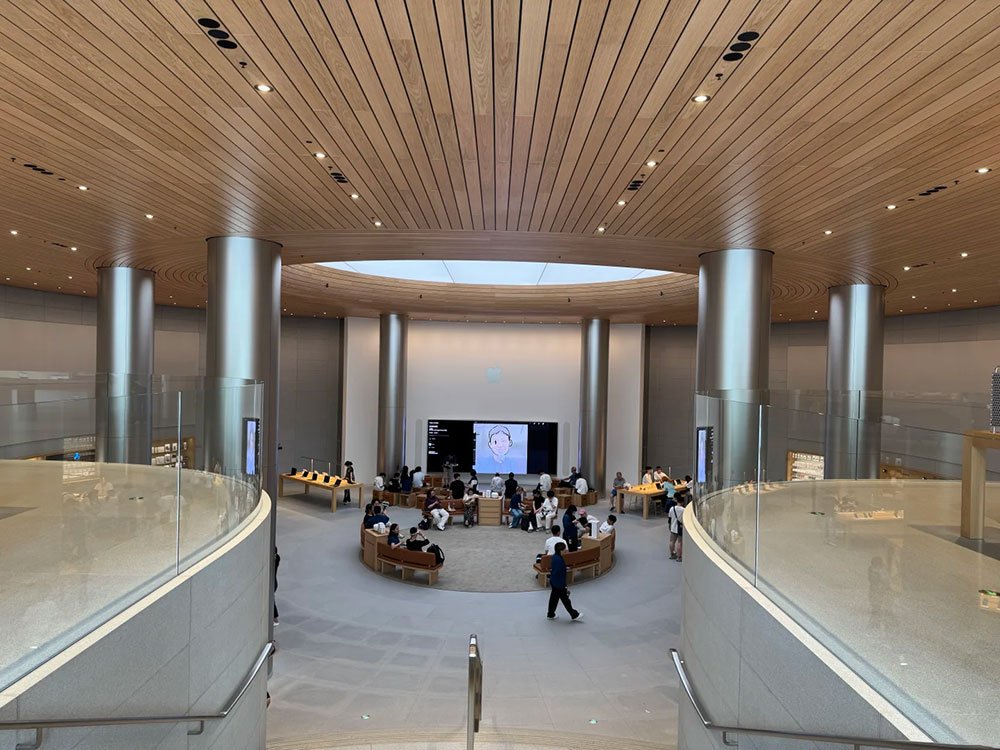
Floor-to-ceiling stainless steel column cladding is increasingly becoming a design option used in luxurious commercial buildings, hotels, shopping malls, office towers, and public places. This is due to its modernity, flexibility, and durability. Nevertheless, in some projects, multiple panels might be needed to clad a larger surface area of columns and making it look seamless can be a bit difficult since every gap, misalignment, or inconsistency would easily catch someone’s eye and ruin the whole look. As such, architects, fabricators, and installers have to be very keen on every step of the process.
Understanding the Challenges of Floor-to-Ceiling Stainless Steel Column Cladding
Seamless jointing of decorative stainless steel column cover cannot be achieved by just simply putting together the panels. There are many things which could influence the outcome of the process and thus need to be known at the very beginning.
Large Panel Dimensions Increase Installation Complexity
The cladding of floor-to-ceiling columns is typically done using big-sized stainless steel panels that need to be properly transported, handled, and installed. Even the smallest differences in sizes become obvious when the panels are put together at the construction site. Big panels require additional attention and alignment in order to guarantee that joint lines will be straight and look alike along the whole length of the column.
Material Expansion and Contraction Must Be Considered
Steel panels have a natural ability to expand and contract due to the changes in the temperature. Not considering thermal movement while designing and installing the panels may result in gaps, warping, or misaligned joints. Thermal movement calculation and proper joint design will allow to take it into account without influencing the aesthetic look of the cladding system.
Surface Reflection Makes Imperfections More Visible
Another distinct characteristic feature of stainless steel is that it reflects. Irrespective of whether it is mirror finish or brushed finish, any slight imperfection will be easily visible. Misalignment of panels, joints, or even surface waviness will show up due to reflection. Hence, tight fabrication and installation control will have to be maintained so that the finished column will reflect a perfect surface at all angles.

Selecting the Right Stainless Steel Material and Finish
The quality of the stainless steel itself will greatly impact on the final outcome of the cladding system. Materials, their consistency, thickness, and finishes will make the joints less apparent and give good service life. Selection of appropriate materials will go a long way to solve many installation problems.
Choosing High-Quality Stainless Steel Sheets
High quality stainless steel sheets ensure excellent flatness, accurate dimensions and surface characteristics. Materials produced using stringent quality standards minimize the likelihood of panel warping and improper joint alignment during the installation process. Using a reliable supplier also ensures uniformity across different production runs, especially when dealing with extensive projects that require a high level of consistency in order to produce an architectural finish.
Selecting Appropriate Panel Thickness
Thickness of the panel plays an important role in ensuring that flatness and stability of the panels are maintained. Thicker stainless steel panels are sturdier and minimize the likelihood of any warping during transportation, fabrication and installation process. Although thin panels will result in cost saving of materials used, they are more vulnerable to wavy appearance and movement. The regular thickness is 1.2-2.0mm, that depends on the architectural column design and the project budgets.
Matching Surface Finishes Across All Panels
A seamless look is achieved when each panel has a uniform surface treatment. Any difference in the direction of the grain, reflectance, surface textures, or polishing level would make the joints appear visible even if the panels are aligned properly. In order to prevent such a problem, all panels must be made from the same material lot and be subject to identical finishing treatments.
Improving Seamless Appearance Through Precision Fabrication
The quality of fabrication process is one of the key factors that will determine whether stainless steel columns will have a seamless appearance after being installed. Thanks to current manufacturing technologies, the accuracy of fabrication process is increased, which positively impacts the quality of finished product.
Utilizing CNC Precision Fabrication
Through Computer Numerical Control (CNC) machines, stainless steel sheets can be cut, bent, and formed with extremely precise dimensions. CNC fabrication minimizes mistakes and makes sure that the dimensions of the sheets do not vary during production. With precision edges of the sheets, installation is made simpler and ensures consistency in joint width. This is especially critical in architectural applications since aesthetics and consistency are crucial.
Controlling Fabrication Tolerances
Any deviation in the dimensions of sheets can be easily noticed even after installing the sheets on a tall floor-to-ceiling column. Tight dimensional control is needed to make sure that the sheets are properly installed. Fabricators need to have thorough quality control methods to check dimensions and alignment prior to the shipment of the sheets from the factory.
Using Customized Edge Designs
Specific edge types may also be beneficial in concealing the seams and achieving better aesthetics of the stainless steel cladding on the columns. Folding, interlocking, and return edges will allow joining the panels smoothly without any obvious joints. The specific edge treatment is often employed in high-end architectural projects, where the aesthetic qualities are an important aspect.

Minimizing Joint Visibility with Advanced Design Strategies
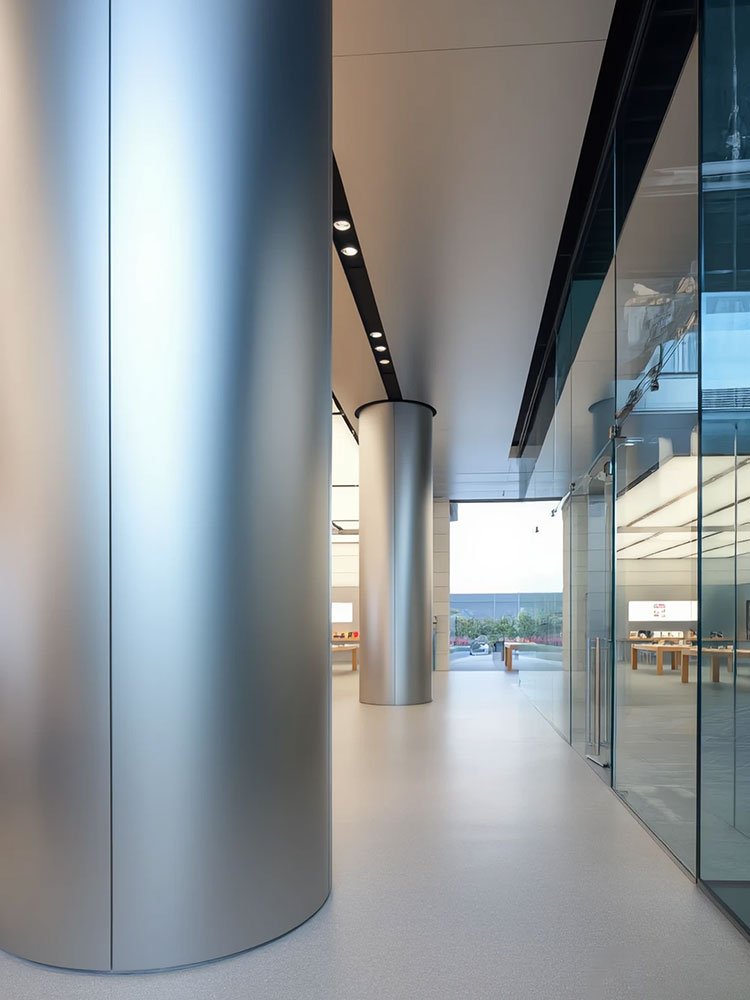
Apart from choosing proper materials and accurate installation, the use of innovative design solutions may decrease the visibility of the joints. The architects often employ certain design solutions that allow for integrating the transitions between the panels into the overall architectural image. Such an approach will considerably enhance the continuity of the floor-to-ceiling stainless steel column covers and make the architecture look better.
Positioning Joints in Less Visible Areas
Proper placement of the joints may considerably minimize their visibility. In order to do so, one should place them on the least visible sides of the column or where they attract minimal attention. Thanks to such an approach, the attention will be drawn not to the joints but to the whole architectural design. It is often used in top-notch architectural projects.
Aligning Joints with Architectural Features
Matching joint lines with architectural elements like reveals, architectural details, light fixtures, and shadow lines makes it easier to disguise transitions between panels. If the joints match with purposeful architectural details, then they become unnoticeable and become an integral part of the design. This method enables architects to have more flexibility with their designs but also improves the appearance of the cladding system at the same time.
Choosing Finishes That Reduce Reflection Distortion
Mirror-like finishes are very reflective and therefore may expose any slight misalignment problems. There are times when finishes such as brushing, bead blasting, and vibration finishes may be ideal due to their tendency to diffuse reflections and reduce visual distortions. This makes it possible for joints to look less conspicuous without losing their elegance and modernity. This is especially useful for large columns found in bright locations.
Incorporating Shadow Gaps and Reveal Details
Gaps and reveals are two techniques employed in hiding the joints of panels and providing a three-dimensional effect to the whole structure. They create an intentional transition between neighboring panels and help the joints to become an intended design feature rather than something inevitable. The proper use of shadow gaps in cladding helps in achieving a more sophisticated architectural appearance.
Working with an Experienced Stainless Steel Fabrication Partner
A good fabrication can make or break the formation of seamless joints. Having an experienced manufacturer will go a long way in ensuring your success at this point since he will be able to offer great technical advice from conception, design, to fabrication. The collaboration of architects, contractors, and fabricators will ensure that all project needs are met during the process.
Leveraging Advanced Manufacturing Capabilities
A professional fabricator will take advantage of their manufacturing abilities to ensure seamless joints through the fabrication process. The use of computerized numerical control machinery and laser cutting systems ensures that each piece is manufactured to the required specification. This guarantees error-free manufacturing and leads to smooth joint installation.
Accessing Customized Design Solutions
Each project comes with its own set of design problems, especially in cases where there is a need for intricate column design or ceiling to floor installations. Professional fabricators can provide customized solutions suited to specific projects. Through customized fabrication, designers are able to realize the aesthetic look they desire through practical design solutions. Getting customized solutions enhances project success.
Receiving Comprehensive Technical Support
Project success can be enhanced through technical support from the time the project begins until it is completed. Professional fabricators with knowledge in architectural metal can offer technical assistance in matters related to material choices, engineering solutions, fabrication procedures, and installation process. This will enhance successful completion of the cladding project.
Ensuring Consistent Quality and Project Reliability
Quality control measures are normally put in place by experienced fabrication partners in order to guarantee high-quality results. This is because constant checks are performed to ensure all panels conform to project specifications before they are delivered. This ensures that no difficulties will be encountered during the installation process and also saves costs from reworking the project.
Conclusion
Achieving seamless joints in floor-to-ceiling stainless steel column cladding requires careful attention to design, material selection, fabrication accuracy, and installation quality. By combining precision manufacturing with thoughtful design strategies, architects and contractors can create elegant column surfaces that enhance the overall architectural environment. Choosing a professional stainless steel column cladding solution can help maximize visual continuity, long-term durability, and project value—learn more at JYF METAL.