
Design
Customized Metal Design Services
JYF Metal specializes in customized metal design services to architects, contractors, and project owners on a long-term basis. We are committed to implementing the project products to make the project goes smoothly. With more than ten years of design experience, our engineering design department is familiar with metal features and product structures. We always select suitable metal materials and surface treatments after fully understanding the project installation environment, design requirements, and design intent to ensure easy construction and maintenance. Considering many uncertainties in projects, our design team always avoids the possible risks and defects from the beginning to the end of the project. Our designs are based on your project’s efficient, safe, and low-cost completion.
What should be considered in custom metal design?
In the process of customizing non-standard metal structures and finishes, from concept renderings to final on-site delivery, it is often not how amazing the scheme is, but whether the landing details are comprehensive. Based on years of experience in project deepening and processing, we suggest that the following five dimensions should be evaluated in the initial stage of design:
Matching of space environment and materials
Weather resistance and corrosion resistance: outdoor curtain walls, coastal buildings or high humidity rooms (such as swimming pools and spas) must give priority to 316/316L stainless steel or weathering steel; For ordinary indoor partitions or ceilings, 304 or 201 materials with proper surface treatment can meet the requirements.
Light and shadow and visual texture: mirror, water ripple, hand forged or brushed surface have completely different reflection effects under different lighting layouts and natural light. For large-area paved shopping malls or hotel lobbies, diffuse reflection and glare should be evaluated in advance.
Process limit and manufacturability
Machining deformation control: when the large-size whole plate is heavily engraved, punched or deeply bent by laser, the internal stress release of the plate can easily lead to the surface distortion. When designing, it is necessary to reasonably match the plate thickness and the opening density.
Weather resistance of surface technology: PVD titanium plating, retro-aging, anti-fingerprint (AF) coating, etc., not only related to visual aesthetics, but also directly determined the future maintenance cost. In crowded public touch areas, it is strongly recommended to add an anti-fingerprint protection layer.
Structural deepening and grass-roots cooperation
Load and hitch mode: Metal veneer (especially thick plate or retro forging plate) has a heavy weight, so it is necessary to make clear the keel density, the position of embedded parts and the layout of stress points with civil and wooden units at the design stage.
Gap and thermal expansion and contraction: reasonable expansion joints must be reserved for large-area metal curtain walls or suspended ceilings. It is necessary to make clear in advance by issuing accurate Shop Drawings whether to use hidden buttons, open seams or sealing glue for splicing.
Logistics transportation and site entry conditions
Block and limit size: the specification of a single panel is not only limited by the original size of the steel mill, but also depends on the length, width and height of the transport truck, the elevator load on the project site and the corner clearance. For oversize parts, it is necessary to do a good job of cutting and blocking in the early stage of design.
Cross-protection of finished products: For finely polished or custom-coated plates, from ex-factory packaging and transportation to cross-construction on site, strict film tearing and anti-collision protection processes need to be formulated to avoid secondary rework.
Sample proofing and cost control
1:1 Mock-up: Non-standard customization is the most taboo to finalize only by screen renderings. Before mass production, making a 1:1 sample to confirm the texture sense, joint seam and real luster is the most secure key step to control delivery time and avoid cost overruns.
Surface Introduction
In modern architectural decoration, metal material is a new trend of technical aesthetics with permanent vitality. Metal engineering materials include steel, stainless steel, aluminum, copper, alloy materials, etc. Widely applied in construction engineering, metals have different properties such as density, corrosion resistance, tensile strength, plasticity, and so on. With rich experience in metal surface treatment and manufacturing, JYF Metal will serve you with sincerity and professionalism.

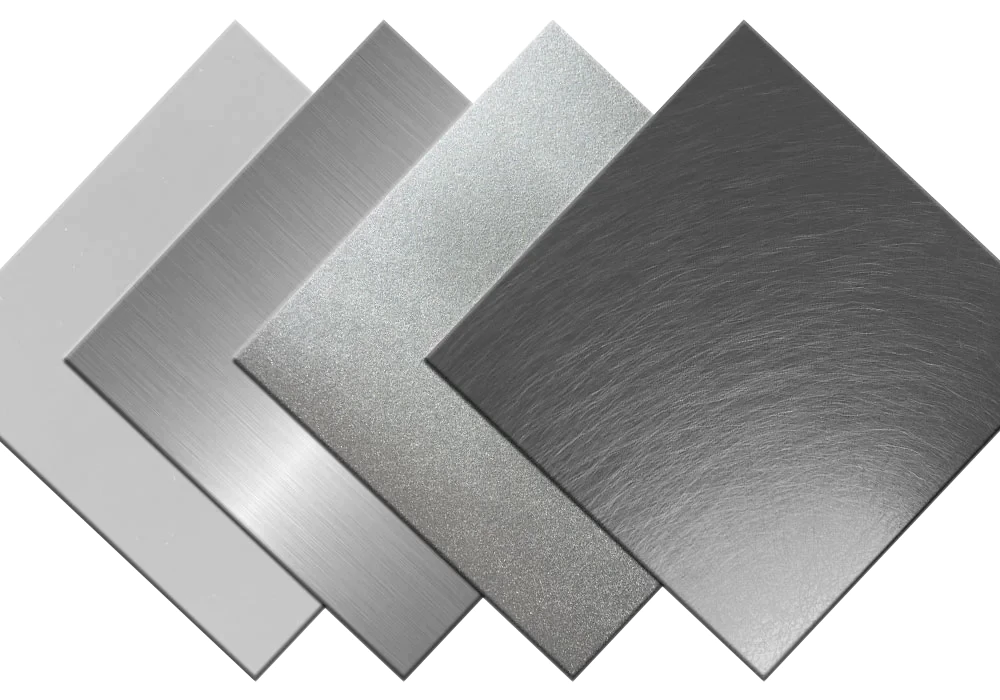
Surface Finish
The surface of metal sheets and products is treated by mechanical, physical, and chemical methods. Surface treatment varies in different properties.
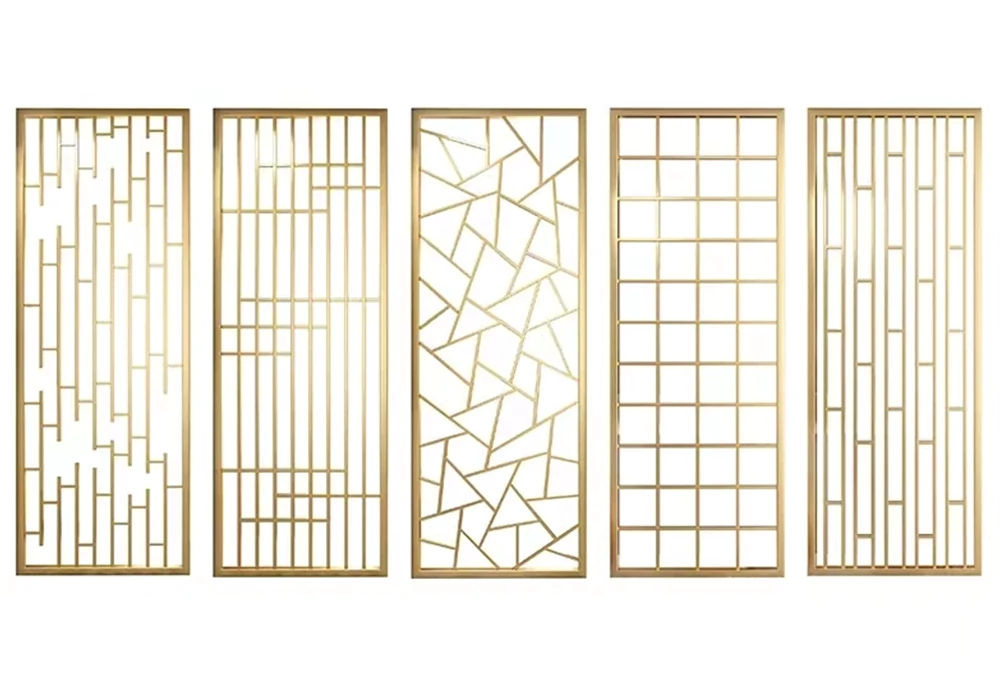
Attractive Pattern
Metal sheets and products can be designed and produced with various personalized patterns and patterns to meet designers' and architects' inspiration and space art.
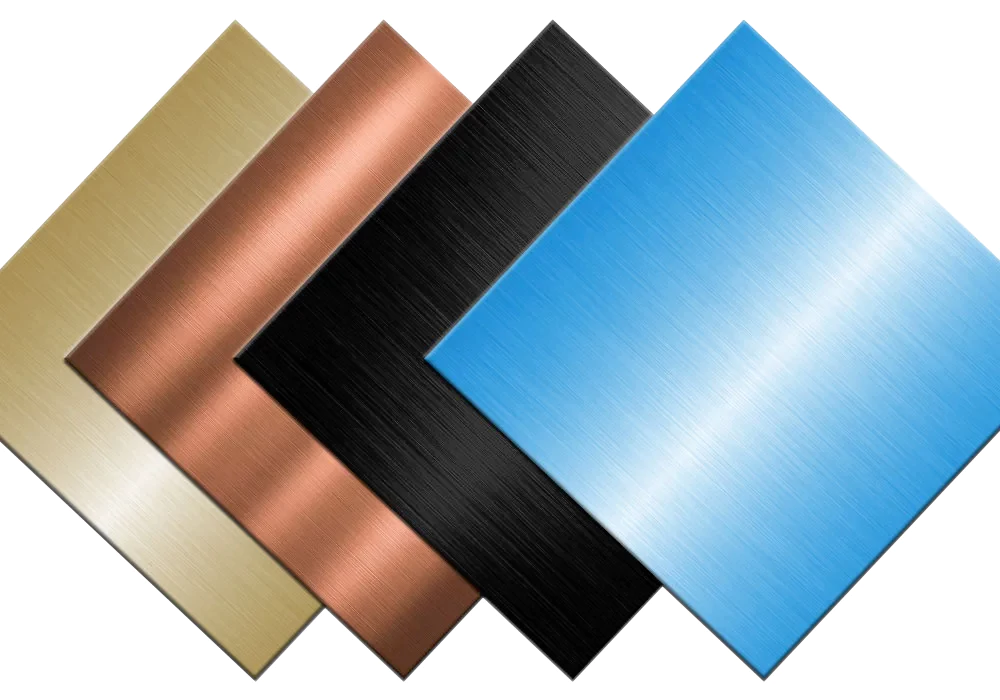
Fashion Color
According to metal characteristics and designs, various colors can be provided for your reference after completing the metal sheets and products to create a bright scene and a sense of the times.
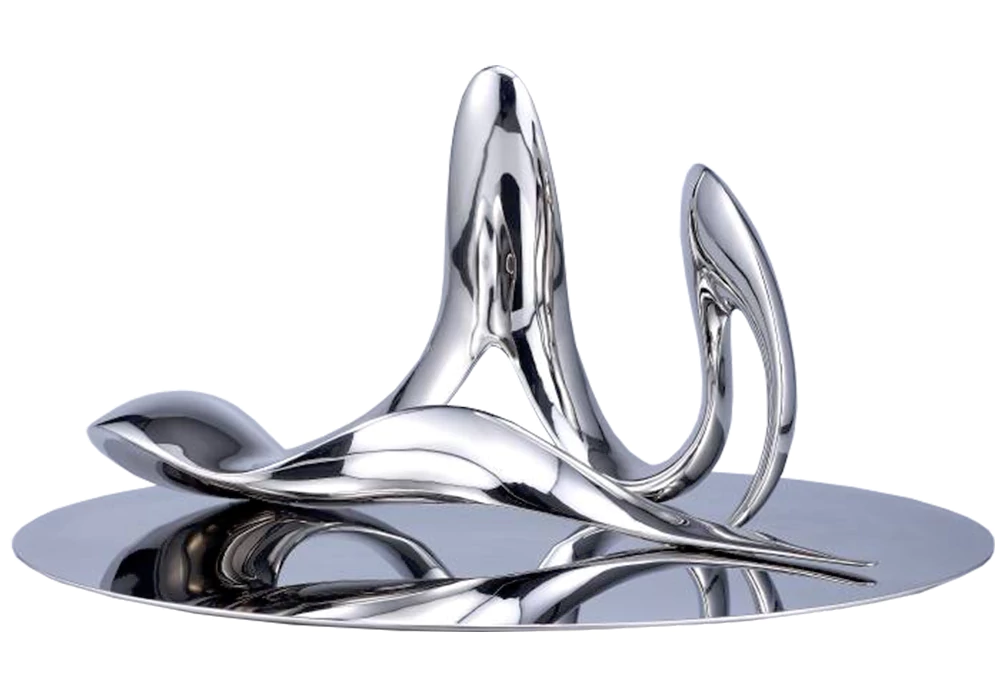
Metal Molding
The metal material can process the perfect bending arc or the curved surface, the wave type, and so on, according to the design draft and the metal characteristic.