Metal Facade Design Guide: Building Modern Architectural Exteriors with Precision and Durability
Table of Contents
The design of a metallic facade is among the most distinctive aspects of contemporary architecture, owing to the aesthetic appeal, sturdiness, and functional efficiency provided by the wide variety of metals available. In today’s world, metal facades are used to design unique buildings while at the same time meeting all the requirements of engineering, safety, and sustainability under varying environmental circumstances. With the help of advanced manufacturing techniques and tailor-made solutions offered by companies like JYF Metal, architects enjoy a plethora of options regarding facade designs.
Understanding the Role of Metal Facade Systems in Modern Architecture
Metal façade systems not only represent the outer surface of modern structures but also serve an important role in shaping their character and functionality. The engineering of such systems helps structures protect themselves from harsh external environments while allowing architects to use various materials, including stainless steel, aluminum, and composite panels, to create aesthetically pleasing buildings.
Climate Adaptability and Environmental Resistance
Climate is another variable that determines how durable and long-lasting metal façade systems can be made. Coastal regions should incorporate materials that prevent corrosion, while hot climates should incorporate materials that are heat-resistant and resistant to UV rays. Designers need to take into consideration aspects such as humidity, wind, seasonality, solar radiation, and temperature changes to be able to come up with suitable materials for the façade cladding system to be used in an architectural project.
Structural Safety and Engineering Integration
The integration of metal curtain wall systems into the architecture of buildings will provide added safety. It will be vital to develop each panel in such a way that it becomes compatible with the building’s structure through careful engineering and structural analysis. Moreover, since there are many movements occurring within the façade as a result of wind load and thermal movements, these movements must be incorporated into the design process.
Material Selection and Performance Optimization
The selection of materials has a considerable impact on the behavior of facades. There is extensive use of aluminum due to its lightweight character, whereas stainless steel offers higher durability and resistance to corrosion. Special metals have certain features that make them stand out, such as the visual impact and architectural expression. The material selection should be done considering the requirements of the particular project.
Maintenance Strategy and Lifecycle Efficiency
Maintenance planning is essential in ensuring sustainable facade performance throughout its lifecycle. Even though metallic facades are maintenance-free, they can suffer from damage due to exposure to the elements. It is necessary to carry out inspections and cleaning to avoid any adverse effects on appearance and functionality.
Popular Metal Facade Systems for Architectural Applications
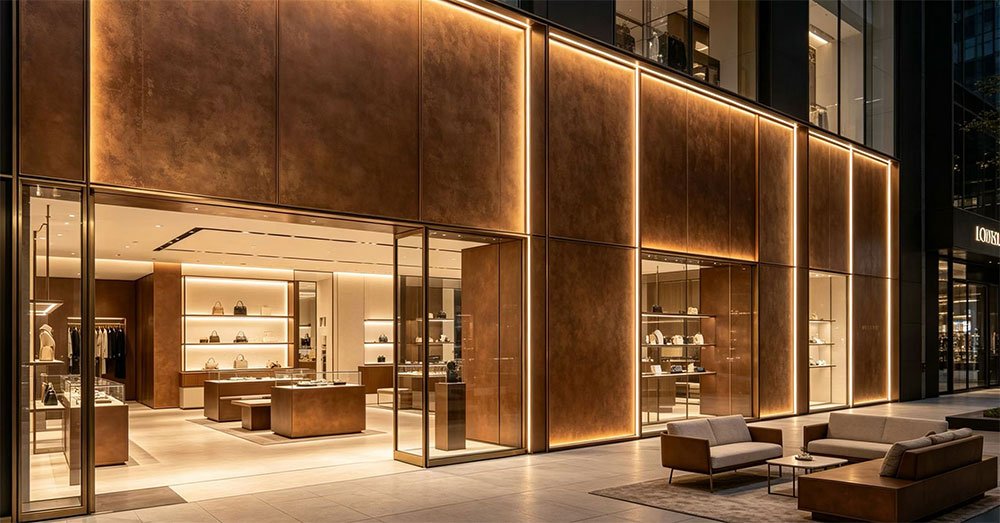
There exist numerous metal facade systems that serve various purposes and enhance the appearance of buildings today. Such systems are both flexible regarding design and reliable concerning durability and engineering aspects. JYF Metal Company can develop perforated panels, honeycomb metal structures, and decorative metal facades tailored for complicated architectural projects.
Perforated Metal Facade Systems
Perforated metal systems unite the performance characteristics of buildings with artistic components since designers cut holes in panels precisely and carefully. Perforation is an efficient method of letting the daylight inside, providing ventilation and privacy at the same time. Advanced laser cutting techniques ensure that the designer can create any shapes and graphics needed by the customer.
Honeycomb Panel Facade Solutions
The honeycomb panel façade solutions are highly efficient due to their excellent ratio of strength to weight. This metal composite panels are very rigid and lightweight at the same time, which makes it suitable for use in façade design on large-scale projects. In addition, these panels have high stability in terms of flatness and temperature, which makes them useful for modern high-rise buildings.
Decorative Metal Screen Systems
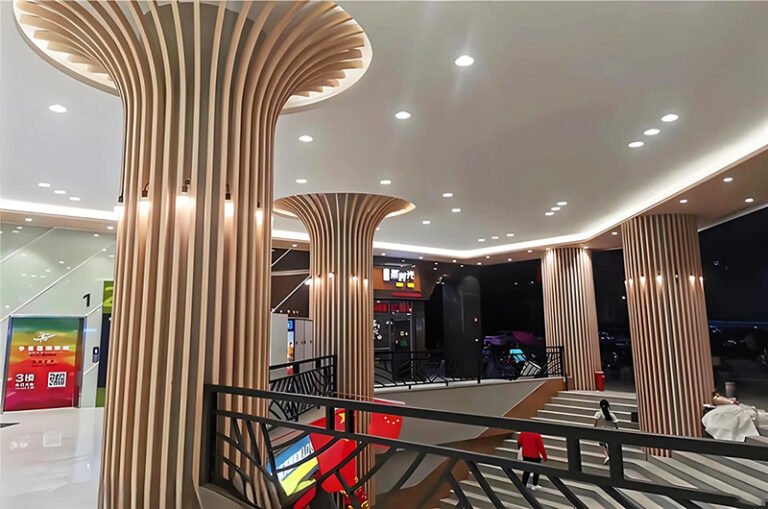
Decorative metal screens play both decorative and functional roles in façade architecture design. They are very flexible and contribute to the creation of façades because it is possible to make patterns and textures that suit any style of architecture. Furthermore, the feature wall of these structures provides shading, privacy, sun protection, and other benefits associated with environmental and energy efficiency of modern buildings.
Metal Facade Installation and Fabrication Techniques
Installation and fabrication procedures play a critical role in obtaining successful results when working with metal facades. Despite the highest level of innovation behind their design, precision and professionalism in manufacturing and installation are key aspects that need to be taken into account. Modern technologies and engineering innovations offered by JYF Metal are based on the use of CNC machining and modular system techniques.
Precision Fabrication and CNC Processing
Precision engineering means that every single metal panel is manufactured to exact specification and size specifications. The use of CNC technology and laser cutting allows for precise and accurate designs with extreme precision and accuracy, minimizing installation errors while maximizing efficiency. It offers architects opportunities to be creative in their modern facade designs without compromising on manufacturing, precision, and durability, especially in large-scale commercial and high-rise architectural development projects globally.
Modular Installation Systems and Efficiency
Modular installation systems offer increased efficiency in terms of construction time and labor reduction. Panels can be prefabricated in factories and installed in the field, providing better quality and quicker installation of large and complicated building structures or curtain walls. It is worth noting that modular systems minimize the risk involved in construction and make subsequent maintenance or replacement easier, thus being an excellent approach to facade engineering design.
Surface Treatment and Quality Control
Surface treatment plays an important role in the achievement of high-quality surfaces in the process of prolonged exploitation. Surface treatment technologies like powder coating, anodizing, or brushing help to increase corrosion and UV resistance while maintaining high-quality finishes in different environmental conditions. Moreover, strict quality control during the production process allows controlling color, texture, and surface finishing of each panel produced.
On-Site Coordination and Engineering Support
Installation success depends heavily on close coordination among engineers, architects, and construction staff through all phases of the process. Properly drawn technical plans, proper installation procedures, and qualified engineering assistance guarantee the correct installation of the design on-site. On-site supervision assists in overcoming any unforeseen difficulties to ensure the correct implementation of the design to meet all relevant safety and structural engineering requirements internationally.

Surface Finishes and Aesthetic Possibilities in Metal Facades
The kind of surface finish that can be applied to a metal wall cladding is able to make a great difference to the visual expression and aesthetic impact of the façade system. The application of surface finishes gives the system different texture, coloring, and reflective properties. The application of surface finishes will also increase the durability and weather-resistance of the architectural cladding system.
Reflective and Mirror Finishes
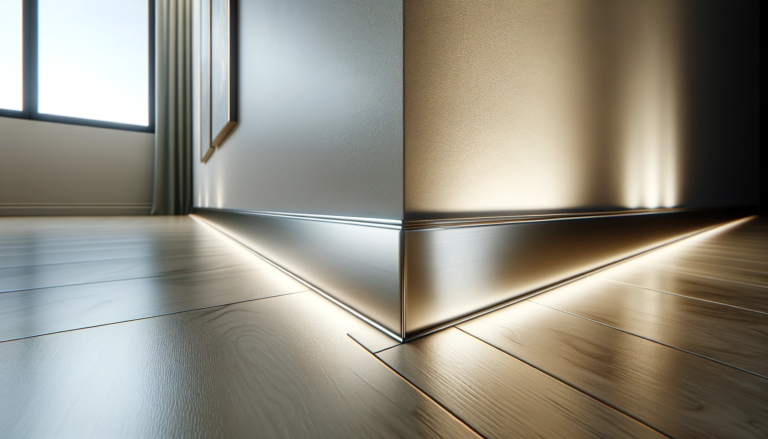
A reflective finish gives a modern look and sense to architecture by its interaction with light and surroundings. It varies its optical appearance through the day, forming a constantly changing facade with vivid brightness and depth. These finishes are popular for landmark buildings, premium commercial projects, and architectural landmarks where visual presence, prestige, and modernity play crucial roles in global cities.
Brushed and Textured Metal Surfaces
Finishes such as brushed metal surfaces and other textured appearances give an elegant look rather than reflecting light and giving a mirror effect. Such finishes conceal traces and marks of use, adding softness and depth to the metal panel appearance. This kind of finish is best suited for those projects that seek elegance along with simplicity and architectural excellence.
PVD Coating and Color Customization Technologies
PVD coatings permit virtually limitless color selection options for contemporary metallic facades. Both powder coating and anodizing techniques improve corrosion, UV, and weather resistance while ensuring accurate color matching. The application of such coating technologies permits designers to coordinate facade designs with the brand’s identity and theme as well as its architectural design concept without compromising any functional requirements.
Future Trends in Metal Facade Design and Construction
Digital fabrication, sustainable materials, and integration into intelligent buildings will determine the future direction of decorative stainless steel facades. Thanks to parametric software and CNC machining, it is possible to create even more intricate shapes in architecture that can be produced with a high degree of precision and uniformity. Another issue that is gaining significance is sustainability, which involves the employment of recycled materials and efficient energy consumption in modern constructions around the world. The JYF Metal Company keeps up with the latest trends in architecture with its sophisticated engineering and production processes.
Conclusion
Modern architecture has come to rely on metal facade designs because of their durability and performance qualities, as well as an inherent ability to express themselves visually. Through the use of new technologies in manufacturing, varied materials, and surface applications, it is possible for architects and developers to construct building wall cladding that not only work effectively but are also eye-catching and memorable. Choosing the right metal facade system is not only about design preference, but also about long-term performance, sustainability, and engineering reliability.