What Are the Uses of Perforated Metal Panels in Interiors?
Table of Contents
Perforated metal panels in interiors is kind of becoming this go to choice, because it somehow does both, the pretty look and the real day to day function stuff. In modern interior design people want surfaces that feel expressive, but also work hard. Perforated metal sheet fits that idea really well since it can support ventilation, manage light in a softer way, add acoustic relief, and still stay strong and long lasting. It also comes with an architectural look that is clean and precise rather than shoddy and random.
It is found in upscale hotels, commercial offices, eating establishments, shopping malls, museums, and even private villas, where interior designers want to create an atmosphere that feels spacious, current, and slightly upbeat. In addition to the number of varieties available, from different hole configurations to finishes and color options to material selection, interior designers can find a solution that meets all their specifications.
Creating Stylish Interior Partition Walls
Perforated metal sheet is often used for interior partition walls because it helps separate areas without making everything feel shut off, heavy, or overly strict. Instead of solid panels that block airflow and kill brightness, perforated sheets keep some circulation going and allow light to pass through more naturally. At the same time, they still give a level of privacy which is a nice balance. That’s why it works well in offices, hotel lobbies, restaurants, retail spaces, and open plan areas where teams want distinct zones but also want the interior to stay bright and visually connected. And honestly, the lighter visual presence of perforated stainless steel panels also makes interiors feel more refined, like they’ve got airiness built in.
Improving Spatial Transparency
Another major advantage is the ability to achieve transparency via the perforated mesh. Due to the presence of holes, the viewer will be able to see everything that happens inside the room while delineating spaces. In the current state of affairs in architecture, rigid rooms are not common; therefore, designers need to provide more flexibility and airy atmosphere in the interiors. As the mesh is not solid but semi-transparent, the light both from nature and artificial sources may freely flow through. Therefore, the overall atmosphere will be pleasant regardless of the crowdedness.
Enhancing Decorative Appeal
As one can note, the perforated stainless steel facade panels are useful not only in the functional but decorative sense as well. The matter is that many architects and interior designers prefer using customized perforation patterns, which may be geometric, floral, wave, or abstract ones. Moreover, there are numerous options in terms of finish. For instance, brushed stainless steel, mirror polishing, powder coating, antique bronze, matte, etc., are available, thus making perforated mesh a versatile element for different types of interiors: whether industrial or luxurious.
Supporting Flexible Interior Layouts
A lot of commercial environments require layouts that can shift over time, like customer movement changes, activities change, and spaces need to become multipurpose. Perforated metal partitions can be set up as movable room screens, sliding systems, or modular structures, so reconfiguration is easier. This matters in exhibition halls, conference rooms, restaurants, co working spaces, and event venues, where teams may need different room arrangements often. Sometimes it’s for operational reasons, sometimes it’s for seasonal design refreshes, and perforated metal gives a practical way to adapt without fully demolishing the interior look.
Using Perforated Metal Mesh for Ceiling Design
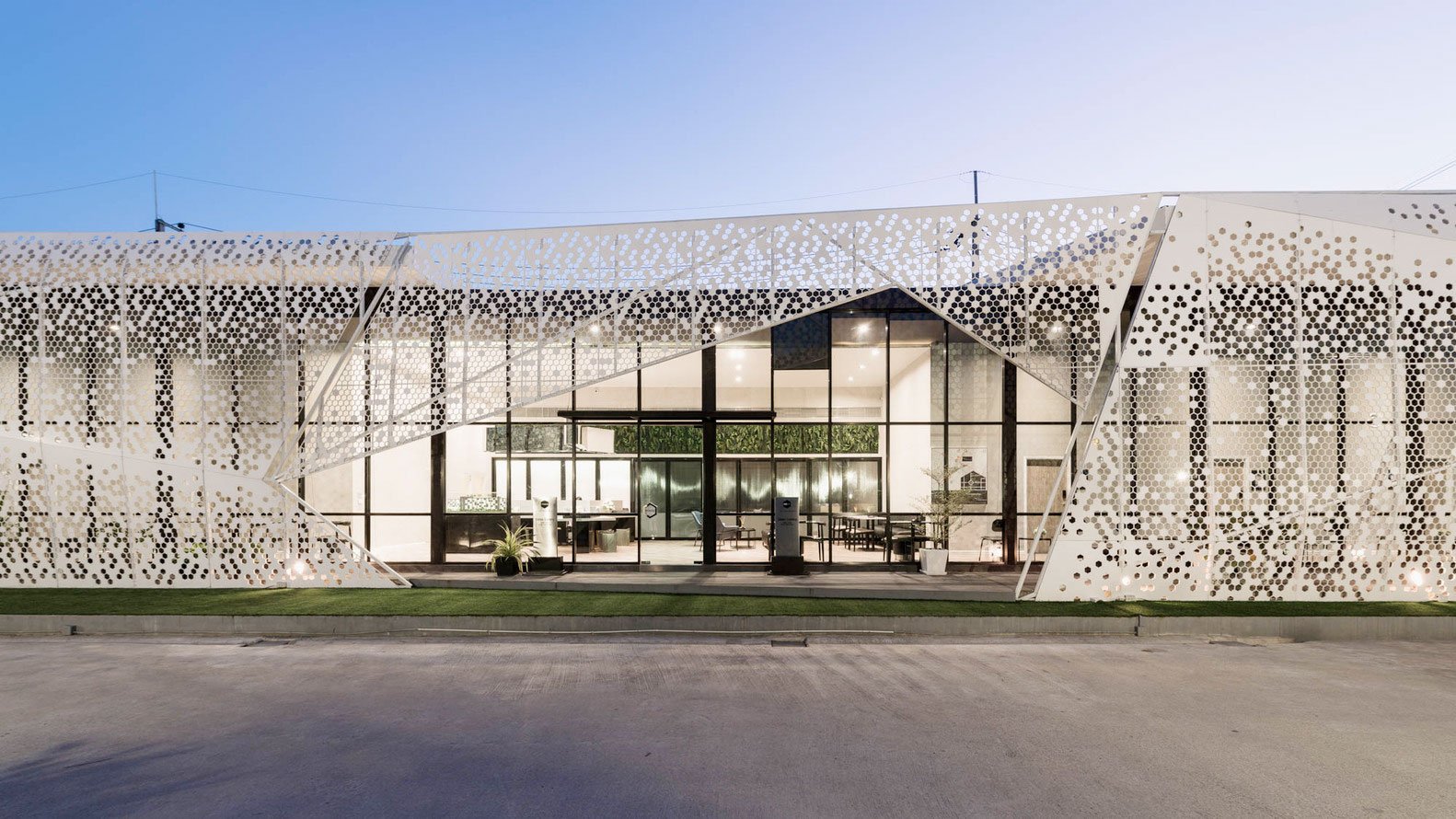
Ceilings are one of the big visual elements in modern interiors, and perforated metal sheet gives designers kind of free rein while also working better for real life use. Metal mesh ceilings are mostly seen in shopping malls, airports, corporate offices, museums, transit areas and luxury hospitality spots, because they blend lighting effects with ventilation, acoustic control, and a clean modern look into one overall system. Their crisp appearance and structure you can actually customize make them a good fit for wide scale commercial spaces, especially when you want the ceiling to do more than just cover things.
Creating Unique Lighting Effects
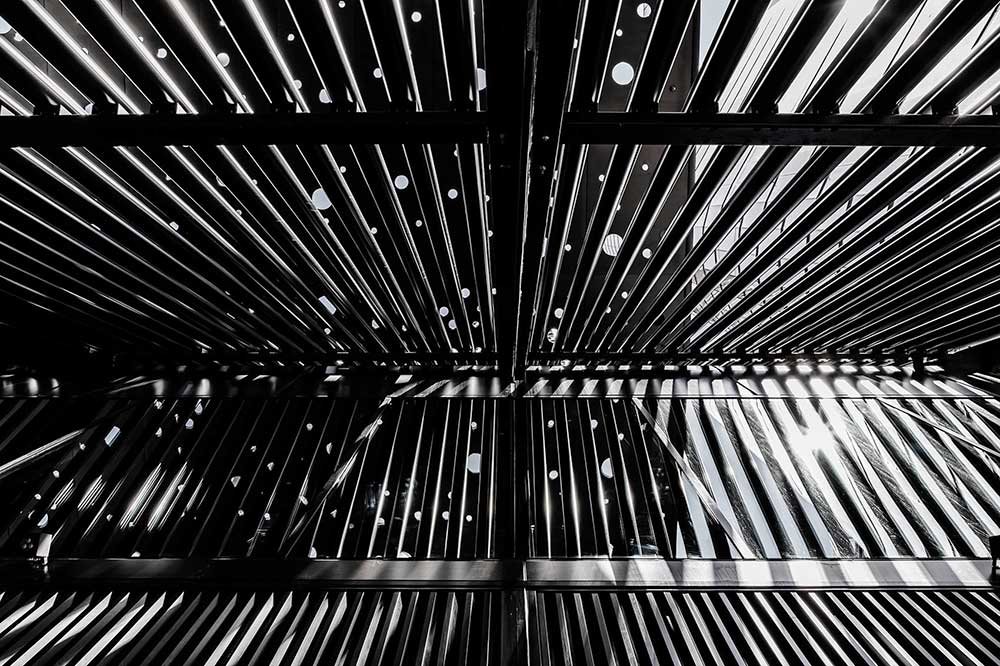
When light goes through perforated metal ceilings it makes bold shadow patterns and adds layered depth across the whole room. In daytime, sunlight slides through the openings and becomes softer, more diffused lighting. Then at night, built in LED systems can switch the mood with more refined ambient glow. Designers often use this effect in lobbies, restaurants, galleries, high end retail, and hotel style public areas, since atmosphere matters a lot for how customers feel during the visit.
Improving Acoustic Performance
Perforated metal ceilings are really good at helping to reduce echo and manage noise in rooms. This is because they are often used with absorbing materials. They are especially useful in offices, conference rooms, theaters, restaurants, lecture halls and hotel reception areas where people need to be comfortable and hear each other clearly. The holes in the metal ceiling help to absorb sound. They do not usually affect the way the ceiling looks.
Supporting Ventilation Systems
Perforated metal sheet is also good for ventilation systems. It lets air pass through which makes it work well with heating and cooling systems. Things like air diffusers, sprinklers, speakers, sensors and lights can be hidden behind the mesh, which keeps the ceiling looking simple and clean. This makes perforated metal ceiling panels a practical choice for buildings, not something that looks nice.
Increasing Design Flexibility
You can make metal ceilings in many different ways. They can have sized holes, different patterns and different shapes. You can even install them in ways. This means that designers can create ceilings that’re unique and fit the style of the building. They can use layered elements or even add lights to the ceiling. Perforated metal ceilings can fit in with minimalist designs or, with more fancy and luxurious ones. They are very versatile which means they can be used in different types of buildings even if the style changes.
Decorative Wall Cladding Applications
Another common use for perforated metal sheet in design is interior wall cladding. Metal wall panels add texture and depth to a room. They also give a tone while being durable and easy to maintain. Hotels, museums, retail stores, offices, galleries and commercial buildings often choose perforated wall cladding. This is because it creates a end visual impact and improves the overall mood of the space. Perforated metal mesh wall cladding is used in these places.
Producing Artistic Light and Shadow
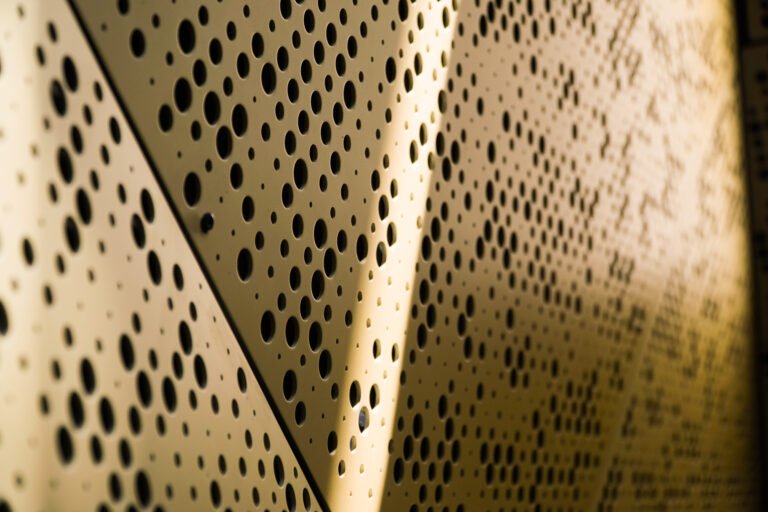
Perforated wall panels can turn walls into interesting design features. This is because they interact with sunlight and artificial lighting throughout the day. With hole sizes and patterns you get shadow effects that change over time. The wall feels like it’s moving, offering texture and atmosphere. The mesh works not as decoration but also as a lighting element. It is tied to the design of perforated metal sheet.
Adding Texture to Minimalist Interiors
Many minimalist interiors depend on texture and quiet visual detail. They do not use ornament. Perforated metal mesh brings depth and sophistication to a room. It does not make the room feel crowded or visually stressed. Steel, aluminum, brass and copper perforated panels create elegant contemporary aesthetics. These fit luxury commercial projects, end residential interiors and modern hospitality spaces. Style is supposed to feel controlled but still rich in these spaces with metal mesh.
Increasing Durability in High-Traffic Areas
Compared to decorative wall materials, perforated metal panels are more durable. They resist impact, corrosion, scratches and general wear. This durability makes them a good option for indoor environments. These include airports, shopping centers, transportation terminals, schools, hospitals and public buildings. Surfaces in these places need to look good with heavy daily use. The maintenance of metal mesh is also relatively straightforward. This can cut term operational costs, for property owners.
Applying Perforated Metal Panel in Hospitality Interiors
Applying perforated metal mesh in hospitality interiors, this part is huge. Hotels, restaurants, bars, lounges, and entertainment venues often choose it, because it creates a premium look while still being practical in real life. Designers like it for versatility and durability, and also for how it supports customized branding ideas in high-competition hospitality settings.
Creating Luxurious Hotel Atmospheres
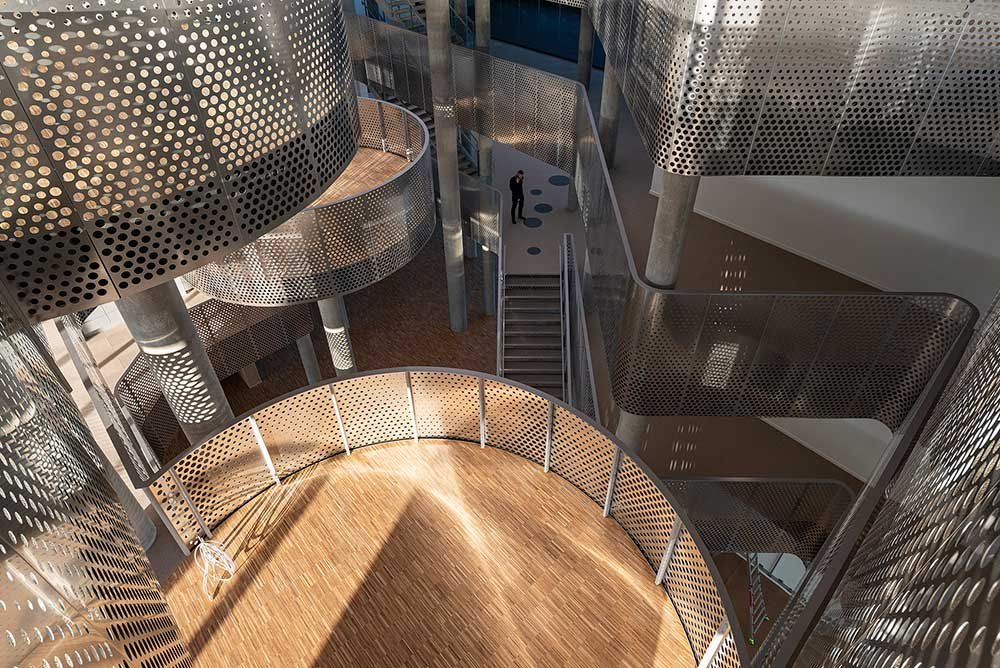
Creating luxurious hotel atmospheres happens a lot with these perforated metal screens. You’ll see them installed in hotel lobbies, elevator zones, reception areas, corridors, and lounge spaces, to build layered interiors with depth and a more polished feeling. Reflective metallic finishes, when paired with integrated lighting, help form those elevated, almost branded-looking visual environments. And designers often pick custom perforation patterns so the hotel interior feels more exclusive, artistic, and distinctive.
Enhancing Restaurant Privacy
Enhancing restaurant privacy is another common use. Restaurants use perforated metal dividers to separate spaces while keeping the overall area open and social. That improves comfort and privacy without making guests feel crowded, isolated, or disconnected. The perforated layout also lets lighting and airflow travel more naturally, which supports a comfortable balanced dining environment.
Supporting Customized Branding Designs
Supporting customized branding designs can be done through custom perforation patterns. Those patterns can include logos, cultural motifs, artistic graphics, or themed design elements that reflect a company’s branding identity and interior concept. A lot of luxury hospitality projects use these customized metal screens to build a visual identity guests recognize quickly, and remember.
Improving Ambience Through Lighting
Improving ambience through lighting is where it really shines, especially in hospitality. Hospitality spaces tend to rely on atmosphere and emotional experience to boost satisfaction and strengthen brand image. Perforated metal mesh works extremely well with hidden lighting systems, because it creates soft illumination and those decorative shadow effects. The end result is that restaurants, hotels, bars, and lounges start feeling more sophisticated, warm, and visually inviting. That back-and-forth between light and perforated surfaces helps create immersive interior moments that leave a lasting impression on visitors.
Conclusion
The perforated metal mesh is now one of the widely utilized materials within contemporary interior designs due to the fact that it provides not only beauty but also allows for ventilation, light play, durability, and effectiveness at once. This kind of material can be applied for partition designs, ceiling designs, wall coverings, and hospitality interiors. Choosing a professional perforated metal mesh solution can help architects and designers achieve more creative, durable, and visually impressive interior projects, making it easier to find customized products and design inspiration through JYF METAL.