Why Custom Stainless Steel Systems Are Essential for Large-Scale Projects
Table of Contents
Hotels, commercial complexes, airports, cultural centers, and public infrastructure face greater design challenges than small-scale facilities, as their construction process requires balancing three essential aspects: structural design, aesthetic appeal, and practical use. The use of stainless steel in modern design no longer serves as a decorative element but functions as an essential part of an architectural system that combines multiple elements into a cohesive design.
A custom stainless steel system connects different architectural elements into one unified framework. The system approach enables the system to combine ceiling elements with façade elements and partition elements and decorative elements into a unified design that maintains visual and structural integrity. The solution brings design elements together into a unified appearance while improving material durability and construction speed and building maintenance activities.
Stainless Steel Ceiling Systems in Large Architectural Spaces
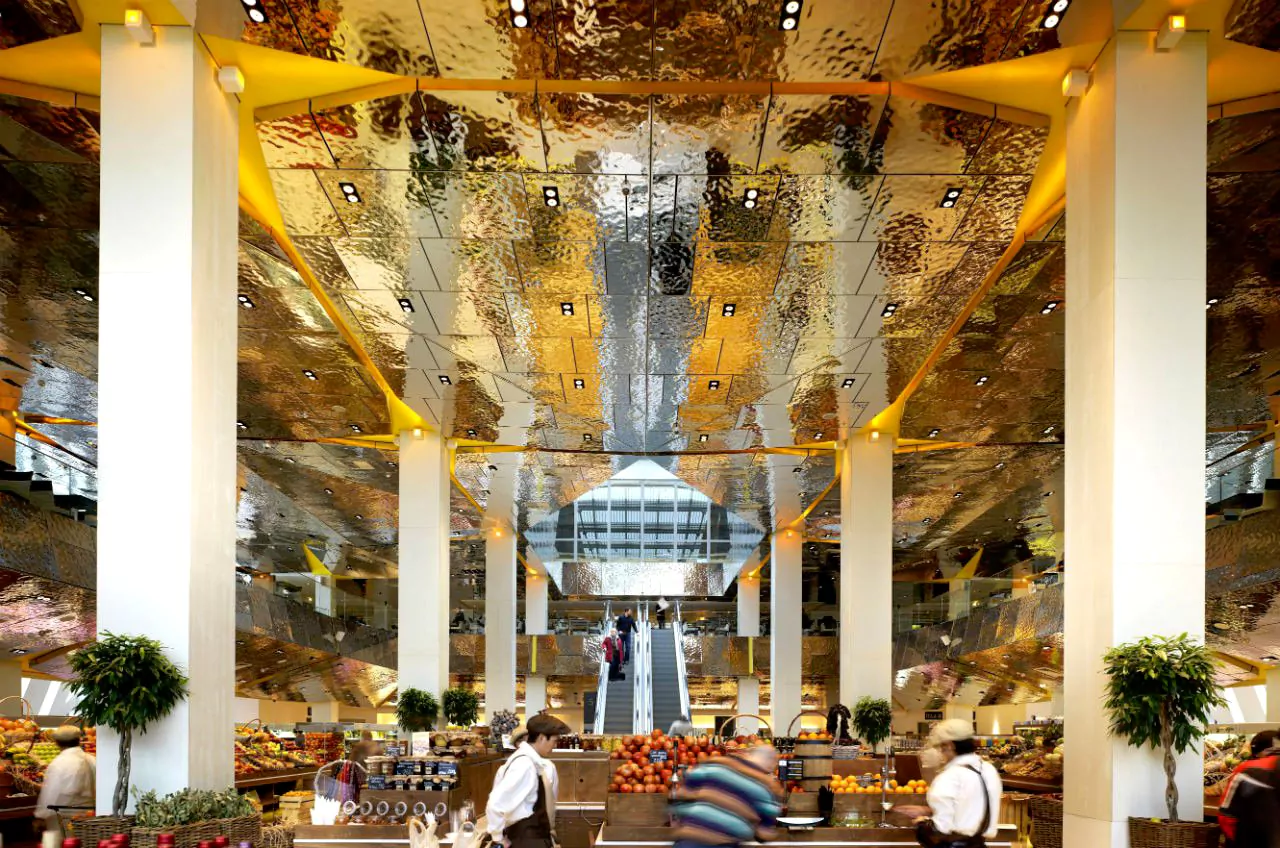
Ceiling systems in contemporary architecture function as more than just structural covers for piping systems and electrical components. The systems establish spatial rhythms which determine how lighting operates while also integrating technical systems into public spaces that require clear visibility and structural clarity for their interior design.
Functional Integration of Building Systems
Stainless steel ceiling systems combine multiple building functions through their unified design that incorporates lighting tracks with air conditioning outlets and sprinkler systems and electrical wiring. The system hides all mechanical elements by using ceiling design to conceal everything from view. The system creates a neat aesthetic environment that meets all operational needs. The design provides better access points for building inspection while also enabling efficient maintenance work throughout the entire building.
Spatial Continuity and Visual Consistency
In hotels and airports and commercial centers, ceiling systems establish a visual connection between different operational areas which include lobbies and corridors and waiting areas. The use of stainless steel ceiling panels with consistent materials and design logic creates a unified visual experience that decreases visual separation between different areas in big spaces. The design maintains space consistency while creating an upscale and high-quality atmosphere which lies at the core of premium architectural spaces.
Durability and Long-Term Performance
The material shows exceptional resistance against corrosion and moisture and temperature changes and physical damage. This characteristic makes it perfect for ceiling systems used in public spaces which need to maintain their stability throughout extended periods. Stainless steel maintains its original structural strength and visual appearance because it does not experience material changes which results in lower renovation expenses throughout the building’s operational period.
Stainless Steel Façade Systems for Building Exteriors
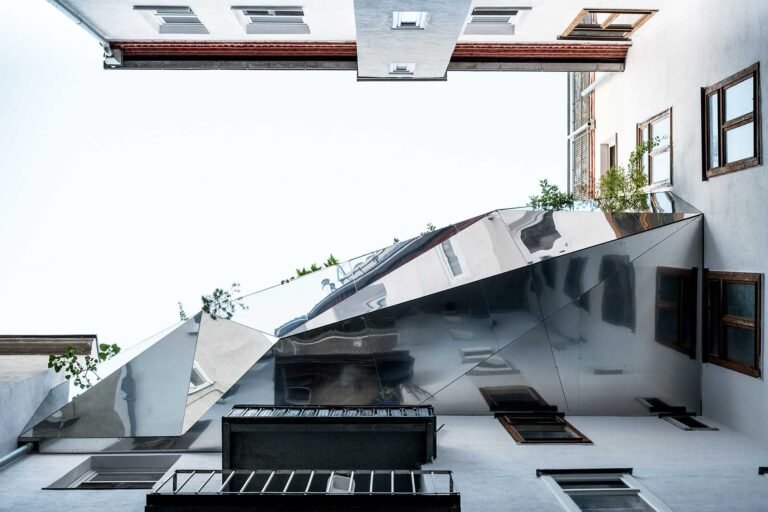
The façade stands as the key architectural element for any building because it serves as the physical expression of its core identity and functional purpose and design intent. The structure functions as a safeguarding barrier which transforms into an architectural element that shows its design worth to the outside world.
Environmental Protection and Structural Safety
Stainless steel façade systems demonstrate their ability to endure severe environmental conditions which include high wind forces and intense rainfall and ultraviolet light exposure and extreme temperature fluctuations. The building’s external shell maintains its structural integrity through its powerful construction materials which safeguard the building against damage. The building systems use insulation materials to protect against exterior effects while they enhance energy efficiency through their design.
Architectural Identity and Visual Expression
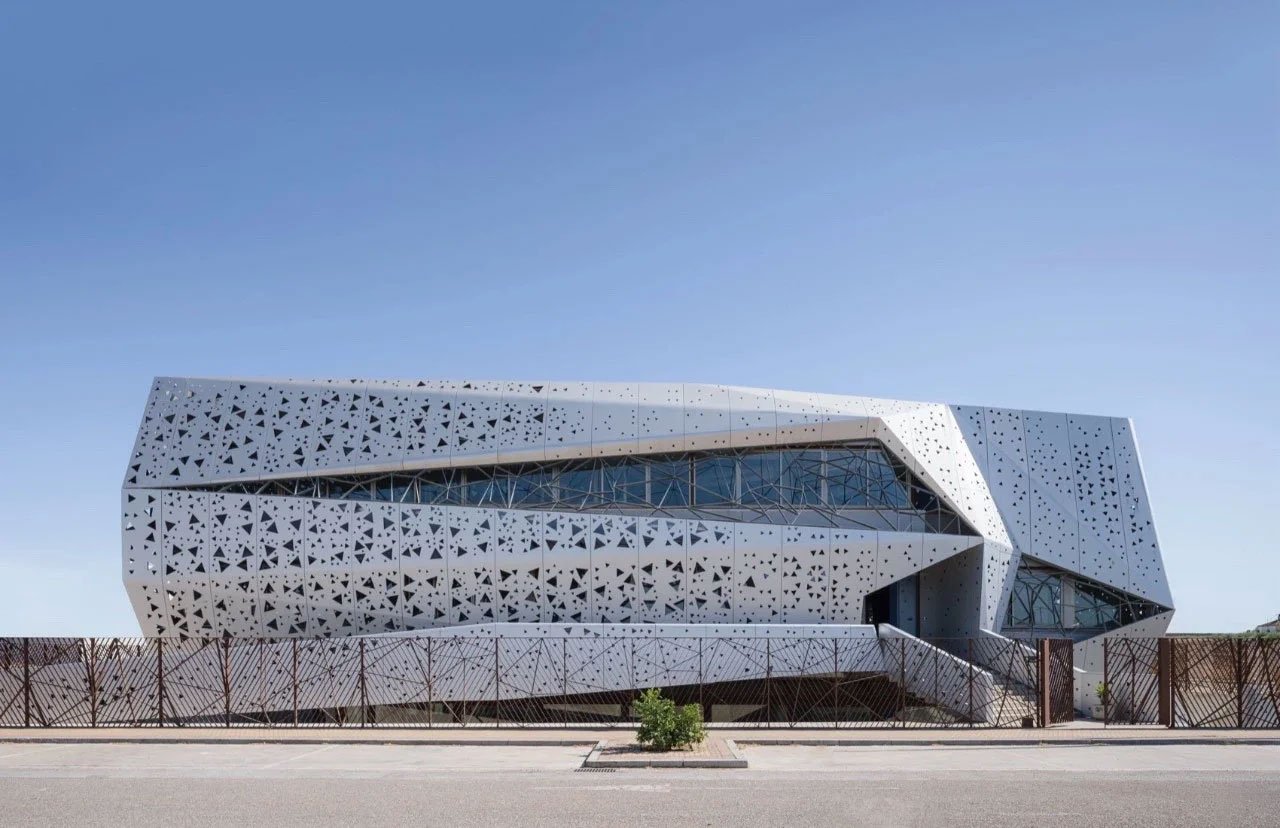
The stainless steel façades achieve their visually expressive effects through advanced fabrication techniques which include surface brushing and polishing and perforation and pattern engraving. The building elements use these special effects to design distinctive visual identities which help the person achieve their desired urban design outcomes. Designers can use stainless steel materials to create both reflective and matte visual designs which accomplish their intended minimalist and complex design aesthetic goals.
Precision Engineering and Structural Coordination
The configuration of façade systems requires engineering professionals to execute precise alignment work which determines their correct building connection points. Manufacturers produce stainless steel components through strict tolerance standards which result in easy installation and even weight distribution across their entire structure. The design approach decreases on-site building mistakes while maintaining constant performance of the façade system through its operational lifecycle and during extreme external pressure situations.
Custom Stainless Steel Reception Counter
Visitors experience their first physical contact with architectural space through reception areas which function as the building’s entry point. The two spaces function as service areas which provide functionality but also serve as areas that establish brand identity through design quality and spatial atmosphere.
Architectural Focus and First Impression
The stainless steel reception counter creates a visual focal point which draws immediate attention to the building’s entrance area. The surfaces of the product reflect light while its straight lines and structured design create a professional atmosphere that looks modern. The first impression establishes an essential business environment which impacts how customers experience various spaces in commercial and hospitality and office areas.
Material Integration and Design Flexibility
The main strength of stainless steel bar counter lies in their capacity to connect smoothly with various materials which include natural stone and wood patterns and glass panels and lighting systems. The combination empowers designers to develop visual elements which create spatial depth while their designs stay strong structurally. The design enables designers to create custom architectural solutions which fit specific brand needs and design requirements.
Functional Efficiency and Spatial Organization
Reception systems need to meet real operational requirements because they need to handle visitor flow and storage access and security operations and service delivery by operational systems. The design of stainless steel structures allows the creation of hidden compartments and modular designs and ergonomic counter heights which achieve functional requirements while maintaining design integrity.

Stainless Steel Display Shelf for Commercial Spaces
In retail environments, exhibitions, and commercial showrooms, display systems play a critical role in influencing how products are presented and perceived. The design needs to show minimal visual elements while its structural components should provide sufficient strength to handle future business requirements. The display systems of stainless steel exhibit their strength through three design elements which create a polished aesthetic value needed by commercial spaces that require dual capabilities of flexibility and permanent design elements.
Modular Structural Flexibility
Retail spaces use stainless steel display shelves which implement modular design but require flexible adjustments for multiple retail display configurations. The solution proves essential for commercial environments which require display modifications under seasonal changes and promotional events as well as brand identity transformations. The modular design enables quicker setup processes in addition to decreasing future running expenses since systems permit component reuse together with reconfiguration possibilities.
Load-Bearing Strength and Stability
Stainless steel provides strong load-bearing capacity which enables it to carry heavy merchandise together with supporting electronic devices and multiple product layers. The material maintains its original shape throughout extended usage under maximum weight conditions. The display systems require this stability to function continuously during commercial operations which demand safe display areas and stable visual presentation throughout the entire operational period.
Minimal Visual Interference
The main benefit of stainless steel display cabinets comes from their neutral design which helps customers concentrate on products instead of the display structure. The surface produces minimal visual obstruction because it creates a smooth finish that reflects light in a subtle manner. The enhanced presentation creates a more businesslike atmosphere which helps customers concentrate on the showcased products.
Long-Term Commercial Efficiency
The stainless steel display systems achieve commercial efficiency because their robust materials and low upkeep needs provide businesses with lasting performance. The business eliminates the need for ongoing replacement and maintenance which results in lower overall expenses. The system operates effectively for extended periods in retail outlets and exhibitions and showrooms.

Stainless Steel Decorative & Artistic Elements
Decorative stainless steel elements play a crucial role in refining architectural identity and completing the visual composition of a space. The elements in question enhance space details through their aesthetic value and capacity to create atmospheric effects despite lacking structural functions. The elements function as finishing components which establish a connection between functional design elements and artistic creative elements.
Sculptural and Landmark Applications
Buildings use stainless steel to make sculptural elements which create permanent landmarks throughout entryways and public spaces. The architectural elements establish the building’s identity while creating distinctive visual elements for outdoor spaces. Their reflective surfaces create interactive visual effects which respond to light and their environmental surroundings.
Detail Refinement and Interior Enhancement
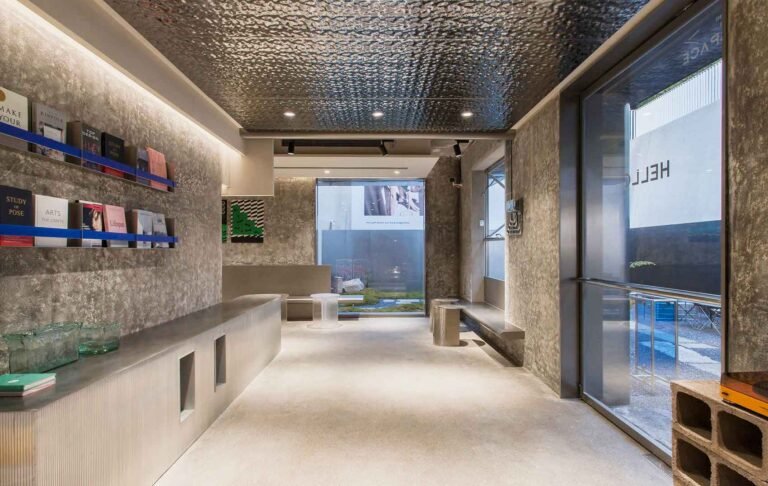
The small stainless steel components including trims and edges and frames function as vital elements which enhance the quality of interior finishing work. They create seamless connections between various materials while delivering accurate architectural detail implementation. The minor design elements create a major improvement which raises the overall level of craftsmanship in the project.
Unified Architectural Language
Decorative stainless steel sculptures establish an architectural design continuity which links ceilings and façades and interior systems through their use. The unified design approach creates a visual identity system which connects all building elements through a single design language.
Durability with Aesthetic Value
The aesthetic qualities of stainless steel decorative materials establish long-lasting visual appeal which distinguishes them from most decorative materials. The material provides outstanding protection against corrosion and physical damage and environmental factors while retaining its original look. The material can function as an artistic element for both indoor spaces and outdoor environments in architectural design.

Conclusion
Custom stainless steel systems provide durable, integrated architectural solutions that combine display systems, spatial screens, and decorative elements. The system reduces maintenance requirements while enhancing operational efficiency and enabling continuous business operations. The system selection process helps your major projects achieve efficient operation while keeping expenses under control.