The Architect’s Technical Guide to Specifying Perforated Metal Curtain Walls
Table of Contents
The need for façade systems that integrate both aesthetic and functional requirements is becoming more important with contemporary architecture. Perforated metal curtain wall systems have been a choice in many architectural projects, as they provide architects with more design freedom while providing added value to buildings. They can increase solar shading, ventilation, privacy, and aesthetics through their various types of patterns, materials, and surfaces. With the rising interest in efficient energy usage and distinctive identity for buildings, the perforated metal curtain wall panels are being applied in more architectural projects.
Understanding the Fundamentals of Perforated Metal Curtain Wall Systems
Perforated metal screens act both as an architectural element and a functional building product due to the combination of aesthetics and functionality, which allows using them in many applications. First of all, it is important to learn the principles of operation and possible benefits of these building products before choosing the material and pattern.
What Is a Perforated Metal Curtain Wall?
The perforated metal curtain wall is a type of nonstructural exterior cladding system constructed of metal panels with designed openings in them. These openings can differ in shape, size, and pattern according to the project specifications. The panels are mounted onto a structural frame and do not act as load-bearing elements but exterior cladding only.
Why Perforated Curtain Walls Are Widely Used in Modern Architecture
It is common for architects to use perforated metal cladding since they combine well the aspect of form and function. Perforated panels may be used to achieve aesthetic purposes and assist in daylighting and ventilation control. Due to their versatility, the designers may come up with new ideas for facades that will serve both architectural needs and functions. With the rising importance of sustainability, perforated systems help to achieve higher levels of energy efficiency.
How Perforated Panels Function as Secondary Building Skins
Most of the perforated curtain walls are applied as the secondary skin that is located in front of the main skin of buildings. Through this layer, the buildings are protected from heat gain since sunlight goes through the perforations. Moreover, ventilation and depth of the facade design are achieved due to this construction element.
Selecting the Right Materials for Perforated Metal Curtain Wall Projects
The choice of material for decorative perforated metal panels is among the most crucial aspects in the process of specification. The different materials vary in strength, durability, weight, and resistance to corrosion. Architects need to consider environmental conditions, maintenance, and budget when deciding on what material is best suited for an application.
Stainless Steel for Maximum Durability and Corrosion Resistance
The metal is very tough and is resistant to any form of corrosion. It can be used well in coastal areas, industrial sites, and regions with high humidity levels because moisture would not result in degradation of the material. It is a material that gives a sense of beauty to whatever structure it is used on.
Aluminum for Lightweight and Cost-Effective Construction
Aluminum is another form of metal with its own strengths that make it ideal for use as an affordable building material. Its light weight makes it convenient to transport and easy to fix without causing undue stress to the structure. Furthermore, it is highly resistant to corrosion, and it can be painted in many colors and designs, giving architects more options to work with.
Choosing the Appropriate Panel Thickness
The panel thickness has a great influence on the strength of the perforated curtain wall structure. The thicker the panels will be, the stronger the structure will become, but thin panels will be required for decorative purposes. Architects are supposed to seek advice from engineers and manufacturers regarding the thickness of the panels that should be used.
Designing Perforation Patterns for Architectural and Functional Performance
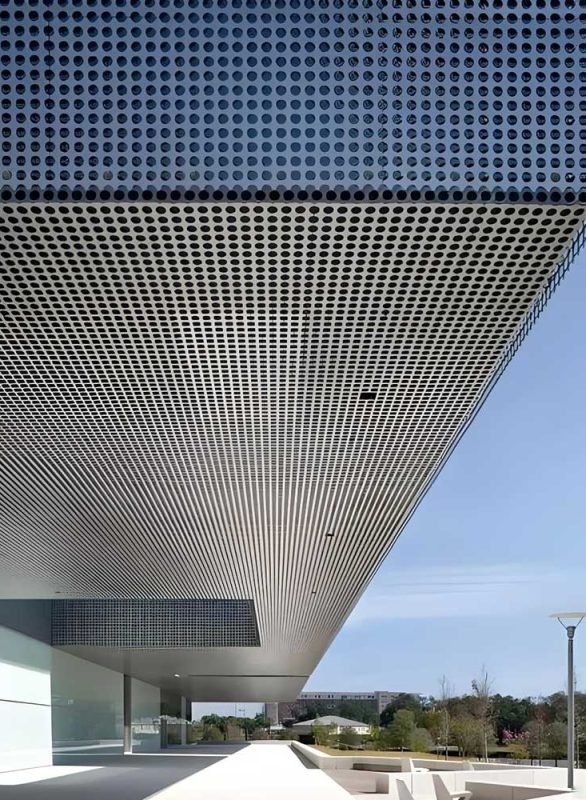
The perforation pattern is one of the key aspects that make up the perforated metal facade. Apart from appearance, the pattern plays an important role in terms of the transparency of the metal sheet, ventilation, shadow casting performance, and privacy levels. There are several perforation techniques that architects may employ to achieve certain goals and make the system more functional.
Understanding Open Area Ratios and Transparency Levels
The open area ratio refers to the amount of perforation in a perforated panel relative to the total size of the panel. If there is high open area ratio, then there will be high air flow and visibility, whereas if there is low open area ratio, then there will be high privacy and shading. The choice of a specific ratio will depend on the purpose of the design.
Comparing Common Hole Shapes and Their Applications
Holes in perforated metal panels can be round, square, rectangular, slotted or custom perforations. Round hole is mostly used due to its neatness and ease of manufacturing. Square and rectangular holes give a geometrical look while slotted holes give a directional appearance.
Using Gradient Perforation Designs for Solar Control
Gradient perforations make the use of different-sized holes at varied distances in the panel face. The advantage is that it allows architects to be able to control solar radiation better by creating shading in some parts of the wall without affecting visibility in other areas. Another benefit of using gradient patterns is that they allow the creation of more interesting façade designs as a result of varying lighting conditions throughout the day.
Meeting Building Performance Requirements with Perforated Curtain Walls
In addition to creating aesthetically pleasing façade designs, architects should consider how perforated curtain wall systems impact on overall performance of buildings.
Improving Solar Shading and Energy Efficiency
Using perforated metal panels will effectively reduce solar heat gain by shielding part of the direct sunlight that is intended to pass through before reaching the main facade. Passive solar shading techniques will increase energy efficiency and help create comfortable interiors. The perforation pattern will be improved to suit the orientation of the building for optimal energy performance.
Enhancing Natural Ventilation Through Perforated Façades
The holes on the perforated panel will enable air to flow through the façade system. The natural flow of air could increase the thermal comfort and avoid heating up of the exterior surface of the building. In cases such as car parks, transit stations, and partially enclosed areas, the façades act as efficient ventilation systems.
Achieving Acoustic Performance and Noise Reduction
In combination with appropriate backings, perforated metal cladding panels can provide sound absorption and help to decrease sound transmission. The advantage of this property is especially great for structures situated near roads, airports, or factories. Good acoustic characteristics will increase the comfort of the building users and contribute to their productivity inside.
Exploring Surface Finishes and Aesthetic Customization Options
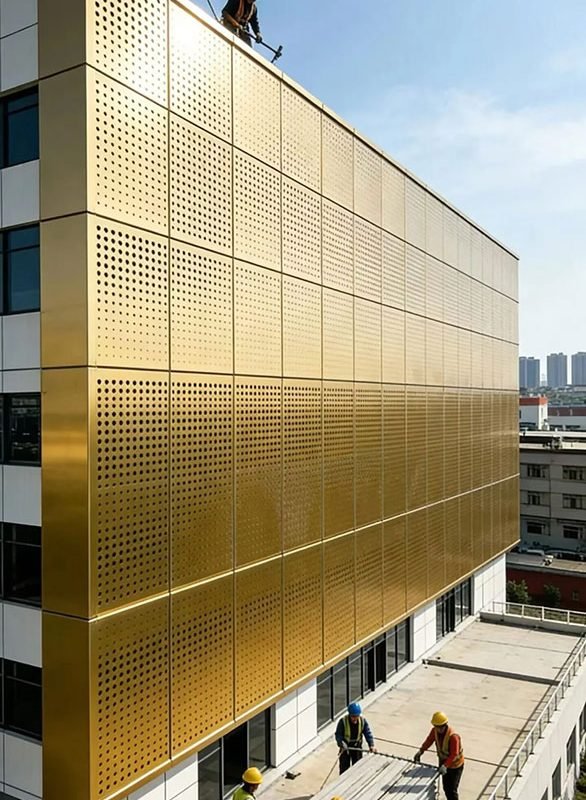
The choice of surface finishes significantly influences the appearance and longevity of perforated metal curtain walls. Various finishing processes offer different levels of resistance to environmental factors as well as textures and aesthetic appeal. Choosing a particular finishing process allows architects to match the performance of the façade system to its aesthetics. From functional coatings to very decorative finishes, architects have many options to customize the façades for successful performance in various environments.
Benefits of Powder-Coated Finishes
A powder-coated finish offers a protective covering that will not corrode, fade, or be adversely affected by weather conditions. This finish is available in numerous color selections, thus giving architects the opportunity to achieve particular design goals and ensure successful performance at the same time. This type of finishes is widely applied in commercial and institutional construction projects.
Applications of Brushed and Sandblasted Surfaces
Brushed and sandblasted surfaces help in developing high-end finishes that improve the aesthetics of metal surfaces. Brushed surfaces add a low-profile pattern that helps highlight the inherent nature of the metal surfaces, whereas sandblasted finishes develop smooth matte surfaces. These finishes are generally recommended for modern office buildings, hotels, and other architectural constructions.
Decorative Metal Finishes for Premium Architectural Projects
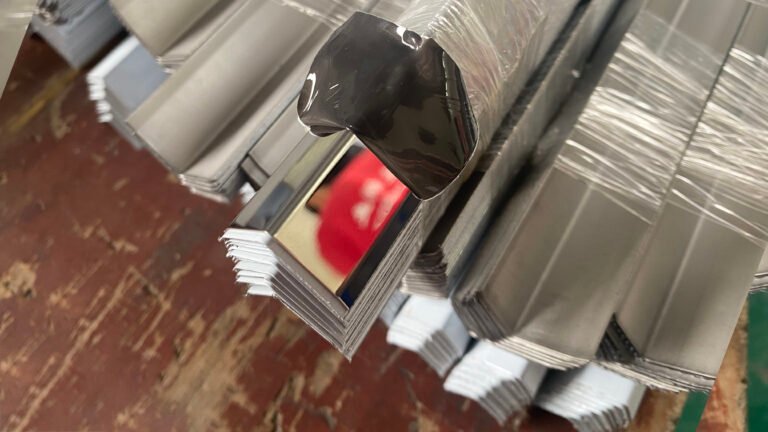
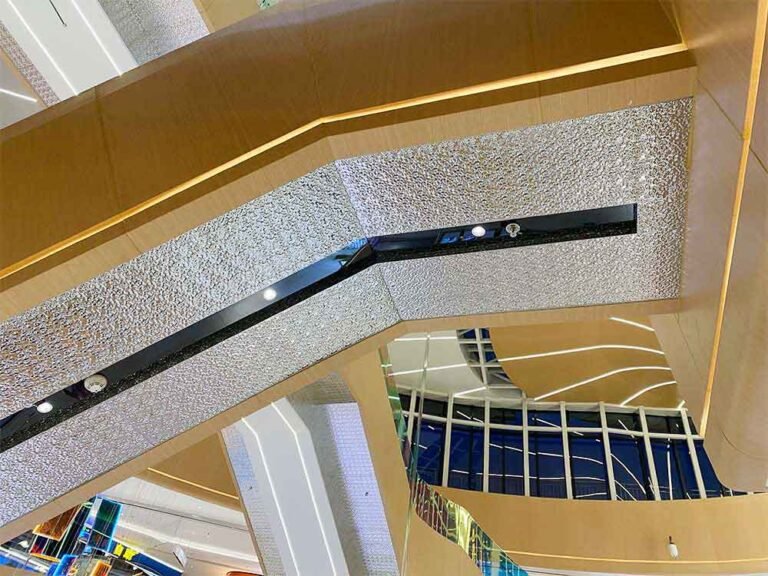
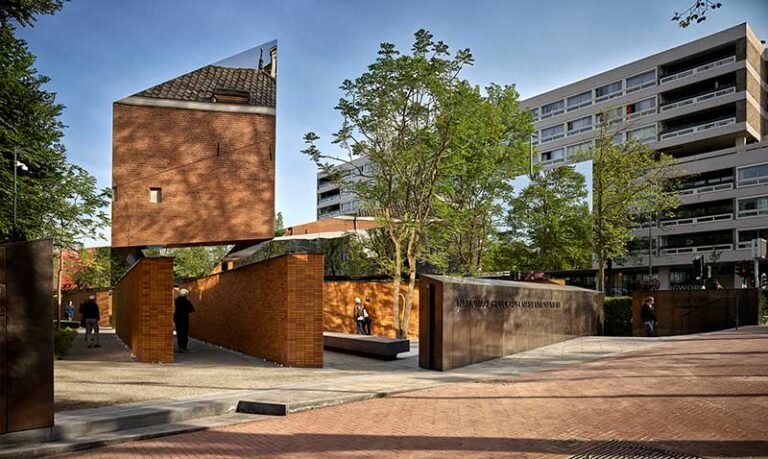
Through modern technology and finishing process, architects can use finishes such as etching, embossing, mirror polish, vibration, or antique finishes. These finishes help to develop unique designs on the perforated curtain wall surfaces without losing the benefits of the metal surfaces. These finishes are most widely used for high-end commercial projects and premium architecture.
Custom Color and Pattern Integration
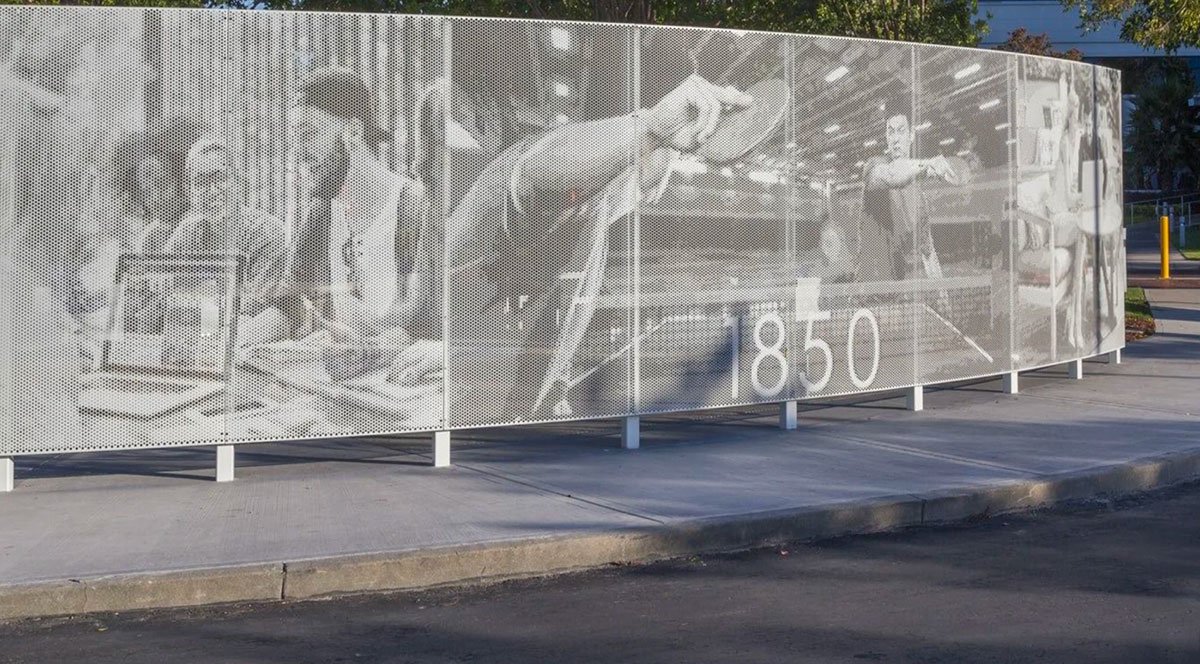
Due to modern manufacturing and finishing techniques, architects have the capability to incorporate their own color schemes and even logos into the design of perforated curtain walls. The option of customizing colors enables architects to either blend their building into its environment or make their building a landmark in the area.
Conclusion
The use of perforated metal facade provides an excellent balance between appearance and performance. This is because it is possible to achieve both visual and functional excellence through appropriate material selection, perforation pattern, and surface treatment. Selecting a suitable perforated metal curtain wall system will assist in ensuring that your project will be successful in the long run. Explore customized metal feature wall solutions at JYF METAL.