Architectural Stainless Steel for Interior Design: Curved Structures and Bar Counters
Table of Contents
Architectural stainless steel has become a crucial material for modern interior design because it helps achieve visually appealing designs that maintain structural strength and long-lasting durability. Stainless steel provides flexible design possibilities which architects use to create wall systems and ceiling designs and furniture pieces that need both sophisticated style and enduring strength. Designers increasingly use curved stainless steel structures and stainless steel bar counters to design spaces which exhibit both dynamic movement and practical functionality and stunning visual appeal. Stainless steel fabrication techniques with their advanced finishing methods enable designers to create curves and reflective surfaces and unique texture designs for both commercial and residential building projects.
The Role of Stainless Steel in Interior Metal Applications
Interior designers choose materials today which provide enduring strength and durability while improving their design aesthetic. Architectural stainless steel delivers high corrosion resistance and flexible design options to create various metallic design styles.
Architects use their cutting and bending and material rolling skills to develop functional and decorative elements which fulfill all structural needs. Stainless steel delivers its metallic beauty to interior spaces through wall features and furniture which provide both permanent durability and hygienic maintenance.
Durability and Resistance for Metal Structures
Interior metal applications require stainless steel because it delivers both long-lasting strength and protection against corrosion. The 304 and 316 metal grades maintain their strength and original visual appearance when exposed to humid conditions and areas with heavy foot traffic. Metal walls and partitions combined with their curved designs will maintain their integrity through extended periods of use because they deliver both durability and scratch resistance. Designers use stainless steel for interior structures which include curved staircases and bar frames because the material delivers dependable performance while maintaining a contemporary aesthetic which combines functional value with attractive visual design.
Metallic Aesthetic and Visual Depth
The stainless steel metallic finish creates depth in the interior space while introducing sophisticated design elements. Mirror, brushed, or PVD-coated finishes reflect light and enhance spatial perception, while embossed or fluted textures create dynamic effects. The combination of curved walls and ceilings and partitions creates graceful spaces which use stainless steel surfaces as their foundation. Architectural stainless steel panels attract commercial and hospitality spaces because they combine shiny surfaces with textured finishes and contemporary design elements which provide both functional benefits and eye-catching aesthetics.
Fabrication Flexibility for Curved Applications
Designers use stainless steel to produce custom curves and bends and custom shapes during the interior design process. The designers use CNC rolling and stamping and laser cutting to produce precise curved surfaces which will become walls and partitions and furniture. Designers use this platform to create sculptural elements and feature walls and metal furniture which will match the interior geometry elements of the space. Curved stainless steel surfaces maintain their structural strength because the metal can develop flowing shapes. Metal applications in modern interiors serve two roles as decorative elements and as functional components.
Sustainability and Long-Term Value
The environmental and economic benefits which stainless steel metal applications provide to the building industry. The stainless steel material achieves complete recycling capabilities while remaining low-maintenance throughout its extended lifespan which minimizes the need for product replacements. Architectural stainless steel implementation in interior projects establishes three essential elements for building projects which include durable construction materials and sustainable design elements and long-lasting visual design elements. Designers value stainless steel for creating contemporary, elegant interiors that are practical, environmentally responsible, and suitable for high-traffic commercial or residential spaces.
Curved Stainless Steel Structures for Interior Design
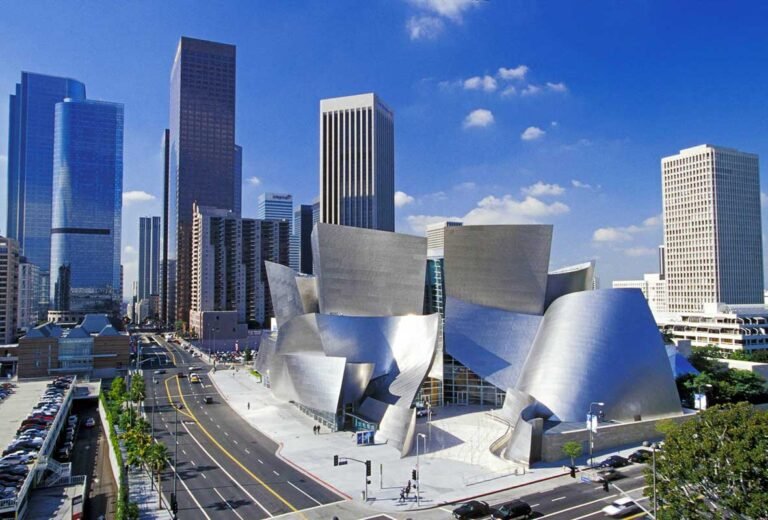
The modern interior design field uses curved stainless steel as a distinctive metal element which creates exceptional visual effects. The smooth and flowing shapes of this design element create a dynamic and graceful atmosphere for lobby and corridor and reception area spaces. Designers use stainless steel to create feature walls and staircases and sculptural installations through the process of bending it into arcs and waves and complex geometries. The design of curved panels shows how metal materials can change hard spaces into flexible interior designs which have appealing visual patterns.
Complex Curved Wall Applications
The production of curved stainless steel walls uses CNC rolling and bending methods to create exact and continuous pattern shapes. These walls function as space dividers and central design elements and distinctive features for both commercial and residential building designs. The metal’s reflective surface enhances light distribution and depth while the surface curve produces visual fluidity between different design elements. Designers can use stainless steel panels which have curved surfaces to test different design styles and elements and color variations which create visually strong metal products.
Curved Columns and Sculptural Forms
The design uses stainless steel columns together with sculptural elements to create a dual function which provides essential structural support and produces attractive design features. The design of the stainless steel double-curved structure enables them to function as structural supports which maintain their integrity while sustaining the overall design flow of interior spaces. Designers use these design elements together with lighting to create space enhancing reflections and shadow effects. Interior spaces become more secure through the use of curved stainless steel which simultaneously improves modern interior design.
Integration with Reflective Surfaces
Polished or mirror-finished stainless steel curves function as light amplifiers which create an illusion of expanded space. Reflections create dynamic effects which make interior spaces appear larger and more luxurious. The design of architectural stainless steel allows designers to create visually engaging spaces by combining curved elements with practical requirements which are essential for hospitality and retail and office design. Curved metal panels function as artistic elements while also serving as strong structural materials.
Functional and Decorative Fusion
Curved stainless steel functions as a decorative design element which establishes visual appeal while performing its role as a functional partition and handrail. Designers create textured surfaces together with perforated elements and embossed designs to achieve functional requirements which meet their visual design objectives. The stainless steel metal applications enable interior spaces to achieve both aesthetic beauty and functional durability through innovative design solutions which maintain their original visual style.

Stainless Steel Bar Counters in Interior Metal Applications
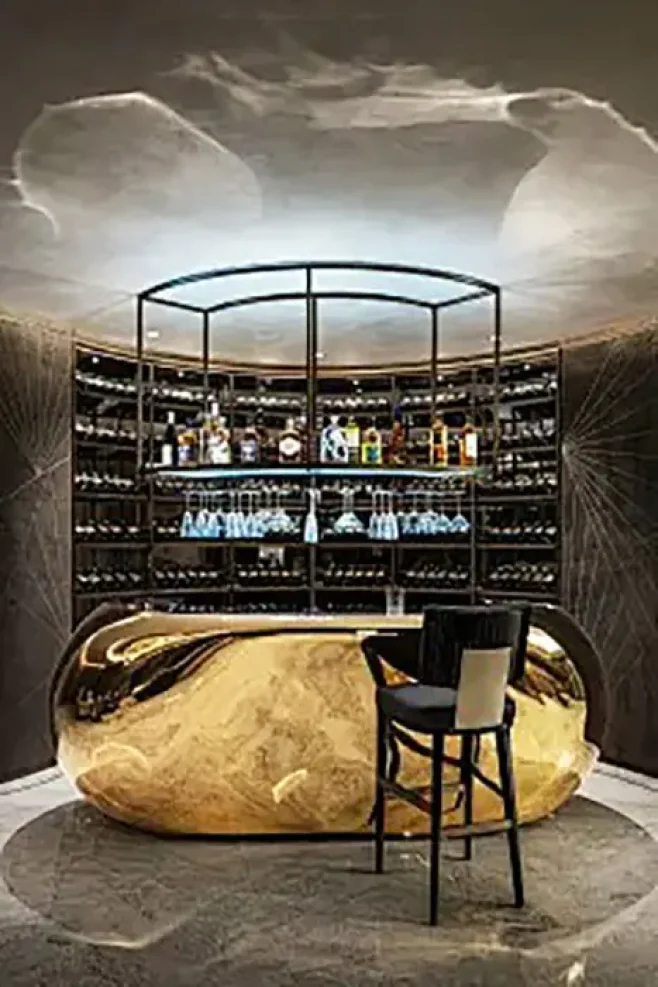
Architectural stainless steel provides visible bar counters which combine modern design with two essential attributes of durability and hygiene. The heavy usage in restaurants and hotels and lounges makes metal bar surfaces ideal because they withstand stains while providing easy cleaning. The application of custom finishes together with textured surfaces and reflective materials transforms stainless steel bar counters into artistic functional elements which showcase the diverse design possibilities of metal in modern interior design.
Functional and Decorative Fusion
Curved stainless steel functions as a decorative design element which establishes visual appeal while performing its role as a functional partition and handrail. Designers create textured surfaces together with perforated elements and embossed designs to achieve functional requirements which meet their visual design objectives. The stainless steel metal applications enable interior spaces to achieve both aesthetic beauty and functional durability through innovative design solutions which maintain their original visual style.
Hygienic and Durable Counter Surfaces
Stainless steel front desks provide essential cleanliness and durability features which make them crucial for hospitality settings. Metal materials provide long-lasting performance because they protect against corrosion and stains and scratches. Designers choose stainless steel for high traffic areas which need proper hygiene in restaurant and hotel bar spaces because it combines practical functionality with attractive design. Metal applications in interior design show how designers use materials to create both functional elements and stylish design items in interior spaces.
Textured and Customized Designs
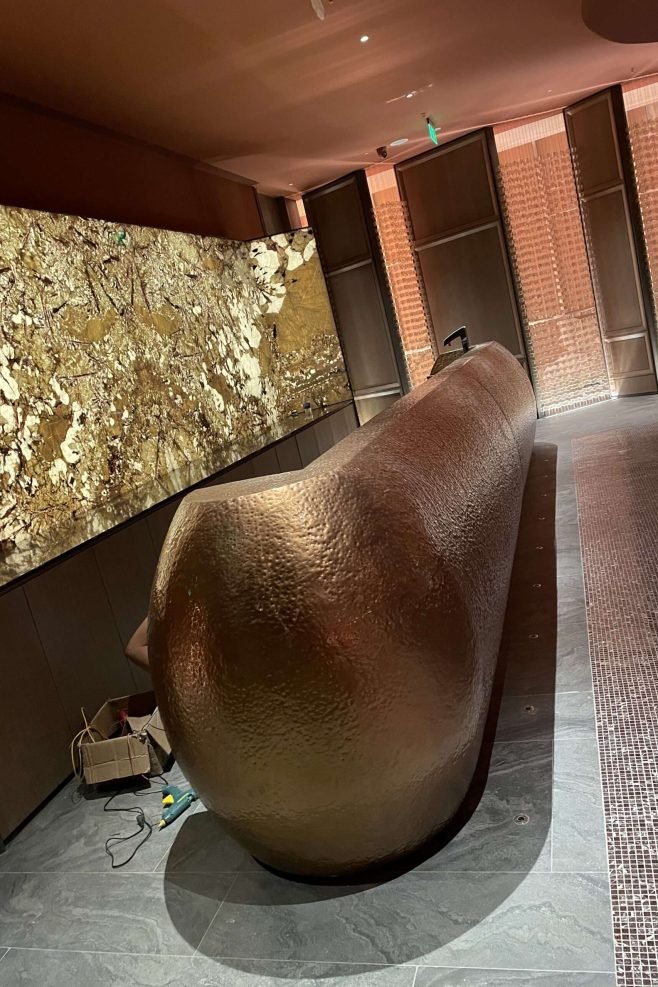
Bar counters can include multiple design elements such as water ripple textures and embossing and PVD-coated finishes which create distinctive visual patterns. Custom curved edges and panel designs enable designers to create specialized designs for stainless steel bars which match the interior design concept. The metal applications provide design flexibility which allows users to achieve both visual appeal and practical functionality. The use of curved or textured bar surfaces transforms stainless steel into an interior design element which creates striking visual elements for space design.
Lighting Integration for Impact
Stainless steel bar surfaces work seamlessly with LED and ambient lighting. Polished panels create depth through their reflective properties which make spaces appear more spacious. Designers use these reflective metal surfaces to highlight bar areas, which create a modern decorative element. The metal applications in bar counters connect their visual effects to their practical durability which establishes stainless steel as the optimal material solution for modern hospitality establishment interiors.
Decorative Stainless Steel Panels and Sculptural Metal Elements
The presentation contains two main elements which include decorative stainless steel panels and sculptural metal elements. The material of stainless steel provides designers with both decorative options and the ability to create sculptural designs beyond its basic functional surfaces. Designers utilize metal panels for their wall and ceiling applications and partition installations and their artistic displays to improve spatial quality through visual and spatial improvements. The material provides limitless options for creative work through its capacity to be embossed and perforated and patterned. Designers utilize stainless steel curves and textures and reflective finishes to design interiors which display both their artistic vision and their durable materials and their metallic design elements. Designers use stainless steel as their primary material for contemporary interior design projects.
Embossed and Perforated Panels
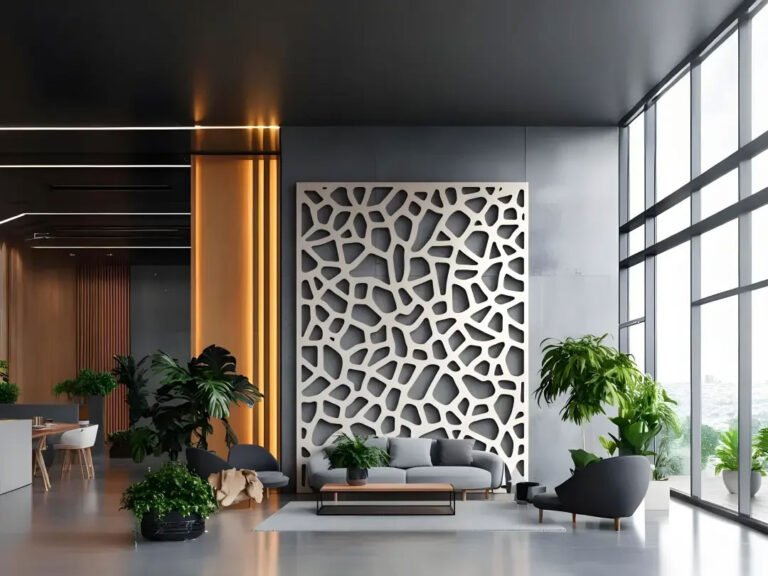
The decorative stainless steel panels function as wall and ceiling and room divider elements through their embossing and perforation capabilities which produce visually dynamic designs. The combination of embossed patterns together with perforations enables light and ventilation to pass through space while creating visual depth. The applications show how stainless steel functions as both an aesthetic element and a functional element in interior design.
Sculptural Metal Installations
Designers use curved or folded stainless steel to create sculptural elements which include freestanding walls and artistic features and functional partitions. These metal installations demonstrate their ability to transform interior spaces through their structural stability and visual impact. The material of stainless steel enables designers to create bold structural forms which maintain safe performance throughout extended periods while achieving a stylish design.
Color-Coated and PVD Finishes
The application of PVD coatings or colored finishes enables stainless steel panels to develop special metallic colors which include gold and bronze and black titanium and rose gold. The visual richness of the customization process improves metal applications through their alignment with particular interior themes. Designers use color-coated stainless steel to achieve their artistic vision because it provides long-lasting durability and requires minimal maintenance.
Conclusion
Architectural stainless steel combines durability, flexibility, and aesthetic appeal, making it ideal for curved structures, bar counters, and decorative panels. Designers use its reflective surfaces and custom finishes and structural strength to create timeless elegant functional interiors. The use of stainless steel metal applications provides modern interior design projects with a premium solution that combines lasting performance and visual elegance, which includes feature walls and sculptural elements, and can be explored further through JYF METAL.