
Metal Restaurant Design Decoration: Creating Sophisticated Spaces with Ceilings, Screens, Wine Racks and Bar Counters
Table of Contents
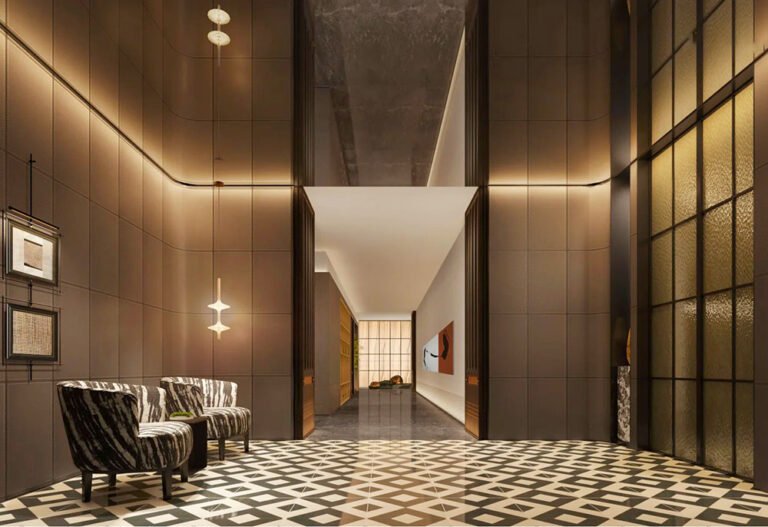
Restaurant interior designs are not solely made for consideration to be based on tables, chairs, and lighting. In high-class restaurants, architectural metals are an essential element when designing the space since they allow designers to add depth and privacy to the project. The metal restaurant design decoration involves both function and aesthetics through ceiling designs, partition screens, wine storage racks, bar counter designs, and many other custom pieces. When finished in the right manner, metals will enhance stones, woods, glass, and lighting.
Why Metal Restaurant Design Decoration Works for Premium Interiors
The metal material has become very useful in the field of interior designing for the restaurant business because of the flexibility of visual solutions that work equally well. For example, architectural metals such as stainless steel can be shaped through bending, cutting, embossing, polishing, brushing, coloring, and other treatments.
Strong Visual Identity
The proper design of a metal element makes it possible to make an immediate impression of the restaurant identity. Brushed metal looks modern and stylish, and mirror surfaces add brightness and reflection. Finishes may also be painted through PVD to add such colors as gold, rose gold, black, or bronze to the interior. It is possible not only to use metal separately but also to use it throughout the whole interior as one finish.
Durability for High-Traffic Areas
Custom metalwork for restaurant involve constant motion, cleaning, temperature variations, and interaction with furniture and equipment. The right specification of metal surfaces could give an edge when operating in a challenging commercial setting. Stainless steel could prove especially valuable where strength and ease of cleaning is needed, while proper surface treatments will allow for maintaining the intended effect. This way, decorative metals become relevant not only from a decorative but also from a functional point of view.
Flexible Coordination with Other Materials
The presence of metallic finishes does not necessarily have to become one of the key characteristics of a restaurant’s interior design. Metal may be combined with such materials as marble, natural stones, wood, glass, crystals, fabrics, and LED lighting. Laser-cut screens may be made using both glass and lighting materials, and metal bars may be nicely combined with stone tops.
Key Applications of Metal Restaurant Design Decoration
Successful restaurant design projects should regard decorative metal as an integral part of the entire spatial system, and not just individual objects. In this case, ceilings can act as focal points, partitions as organizing means for traffic organization, wine racks as decoration of display zones, and bar counters as social centers. All these objects can have the same finishing, pattern and manufacturing methods, thus making the restaurant design recognizable. There are four examples below which are especially effective in upscale restaurants.
Decorative Metal Restaurant Ceilings
A decorative metal ceiling can be one of the most memorable components of the restaurant, especially when it is combined with concealed lighting. One example of such ceiling is water-ripple stainless steel, where the wave-like surface creates reflection effect. Moreover, designers can apply brushed, mirror, embossed and even individually designed panels. Such finishing will visually enlarge the space and create luxurious interior without using too many decorative objects.

Laser-Cut Screen Partitions
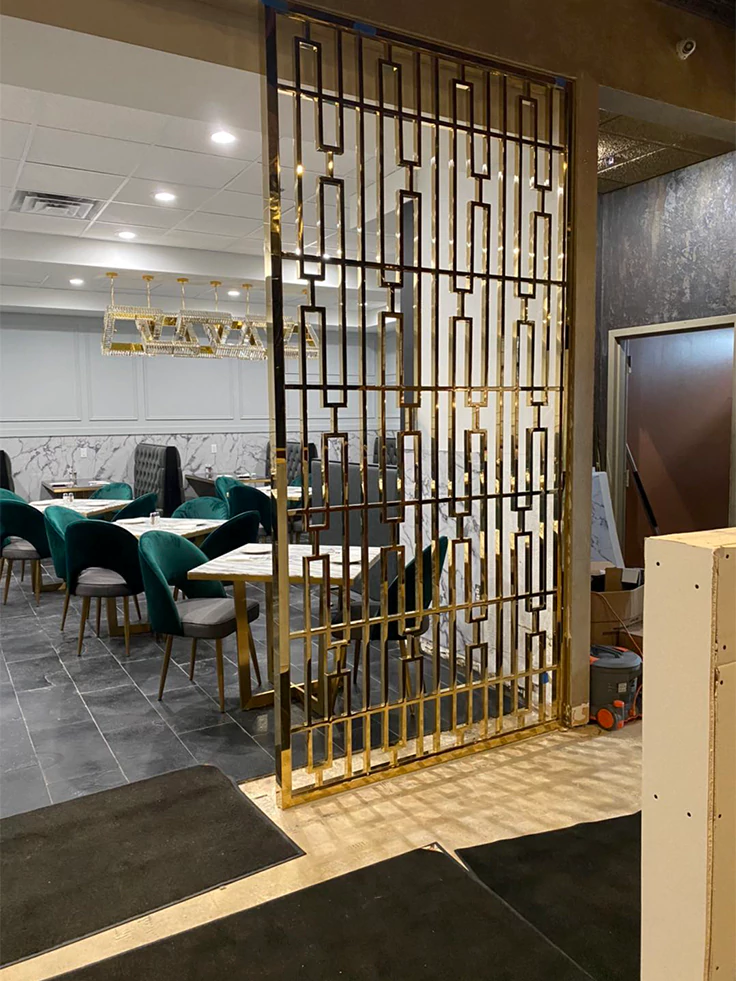
Metal Screen Partitions can be effectively used to divide the dining spaces without creating closed-off spaces. The laser-cut designs can include geometric patterns and organic shapes. Double layers, glass inlays, metal mesh, or lighting can make these partitions more visually interesting. JYF Metal offers customized screen partitions using materials such as SS304 and SS316 with various designs including mirror finish, brushed finish, and vibration finish. These partitions can be used to distinguish the private dining spaces, entryways, lounges, or circulation spaces.
Custom Wine Racks and Display Structures
Wine racks can be used not only for storing the wine bottles but also for decoration. Thestainless steel structures can be made in the form of straight lines, curved lines, spirals or customized designs with added lighting. It is especially important to take the structural fixing and load-bearing capabilities into account for large overhead wine racks. Precision welded tubes and laser-cut pieces can give an elegant look without any visible welding or screws.

Sculptural Metal Bar Counters
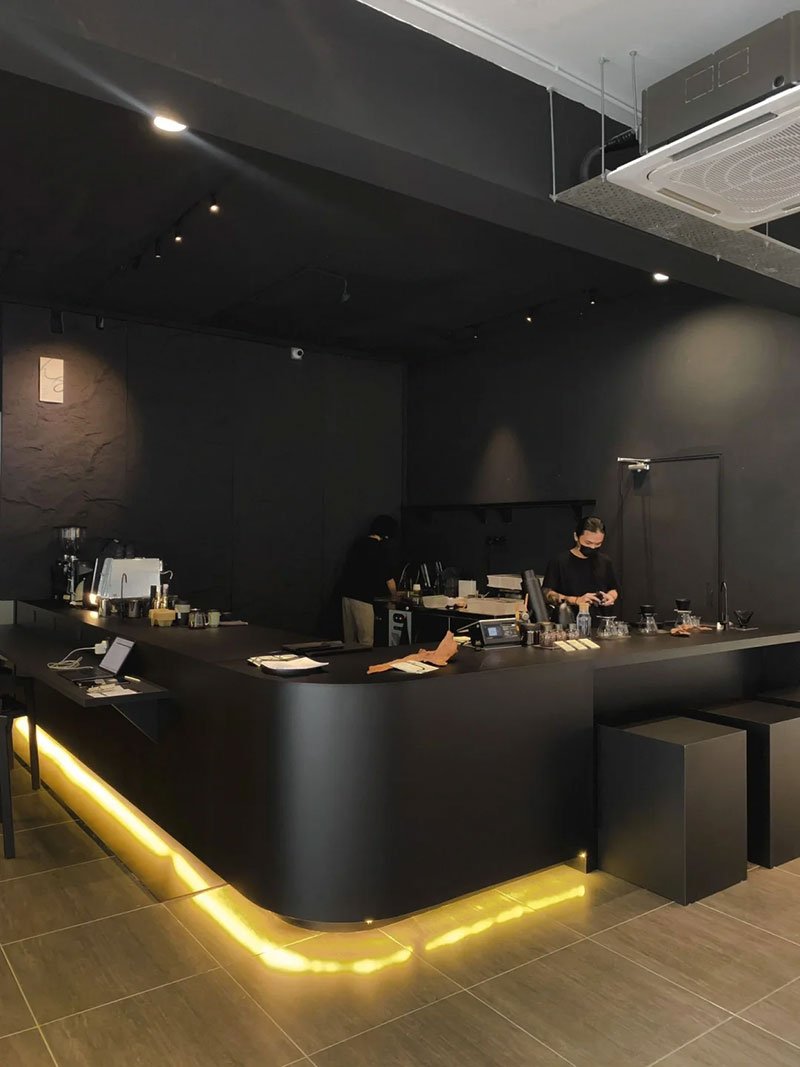
The stainless steel bar counter often becomes the social and visual center of a restaurant. Metal enables designers to move away from simple rectangular shapes to curves, embossing, ripples, fluting, color, or other effects. The metal counter can be used in combination with marble, translucent stone, wood, or lighting. Apart from being able to provide a striking focal point, stainless steel is strong and durable.
Design Considerations for Custom Restaurant Metalwork
Successful metal decoration depends on more than choosing an attractive finish. In restaurant designs, there must be a careful balancing act between aesthetics, size, structure, installation considerations, maintenance and lighting. Thus custom fitting starts from the architectural idea and continues throughout engineering and production stages. Coordination is particularly necessary when ceiling decorations, screens, wine racks and counters are designed as part of one interior scheme.
Match Finishes with the Interior Palette
The surface finish should also complement the overall material palette for the project. For example, mirror stainless steel can accentuate a glamorous look through reflections, whereas brushed and vibration finishes offer a softer contemporary finish. PVD coatings can add warmth to the material without changing its inherent qualities. The effect of artificial light and natural light on the surfaces should also be considered, as the effect from a reflective finish is entirely different based on placement and lighting direction.
Consider Structure and Installation Early
For large-scale decor elements, considerations for engineering need to take place upfront. This is necessary since large wine racks, ceiling elements, large screens, cantilevered counters may require coordination for their attachment to structural steel or building substrates. Coordination at this stage avoids potential problems that may arise due to clash of decorative metalwork with the lighting, HVAC and other services of the building.
Design for Maintenance and Daily Operation
Restaurant decor needs to look good while in operation. The walls and surfaces in the immediate vicinity of the dining table, bars, entrances, and service areas will be subjected to fingerprints, cleaning solutions, food stains, and frequent touch. Smooth and correctly finished surfaces may help to make maintenance easy, whereas well-chosen textures may minimize the visibility of the stains. Access for lighting, electrical equipment, storages, and services should be designed to minimize the disassembly during maintenance.
How Custom Metal Fabrication Supports Restaurant Design
The completion of a custom metalwork project for a restaurant usually includes many steps from the development of designs to fabrication and installation. The customization of the metal works is especially useful for projects with unique size, pattern, or branding ideas. Instead of picking up standard decorative items and adapting the interior to them, the designer can create metal items according to the actual interior.
Laser Cutting and CNC Fabrication
Advancements in fabrication techniques enable metal panels and details to comply with specific patterns and precise measurements. Laser cutting allows making geometric screens, decorative panels, logos, and complicated motifs in an accurate manner. CNC cutting allows producing custom-made details and profiles when regular fabrication proves inefficient. Such fabrication methods can help in the case of repeated patterns in partitions, walls, ceilings, and display structures for a restaurant that requires specific dimensions.
Welding, Bending and Seamless Assembly
Some restaurant products include several fabrication techniques in a single project. Metal sheets can be laser-cut and bent after that. Then, welding, polishing, and assembling can result in a final product. The seam quality is extremely important in the case of premium interiors because joints can influence the overall design. Properly done welding and finishing can ensure smooth transitions between the panels and profiles and make large counters, ceilings, and screens look like integral architectural elements.
PVD and Decorative Surface Treatments
The surface finish of architectural metals will greatly affect its overall aesthetic value. Depending on which direction the designer may take, a restaurant may apply mirror polishing, brush finishes, sandblasting, vibration finishes, embossing, antiques, or PVD colors. All these finishes give the designer different options on how he/she can harmonize his metals with the other materials such as furniture, stones, lighting, and architectural finishes. Having a common finish applied to all the elements will create a unified interior system.
Conclusion
Metal restaurant decoration combines durability, functionality, and visual appeal across ceilings, screens, wine racks, and bar counters. By choosing customized metal products that match your restaurant style and project requirements, you can create a distinctive and cohesive interior. Choose JYF Metal for custom restaurant metalworka and explore more at JYF METAL.
FAQs about Metal Restaurant Design Decoration
Q1: What types of metal decoration are commonly used in restaurants?
The most popular kinds are ceiling ornamentation, laser-cut screens, wine racks, counter bars, walls, columns, and customized display panels. The basic material for this purpose is stainless steel, which has many advantages, such as durability, cleanliness, and many different kinds of surface finishes available. Depending on the concept of interior design, a designer can use brushed, mirror, embossed, vibration, antique, or PVD-colored surface finish to get the desired effect.
Q2: Is stainless steel suitable for high-end restaurant interiors?
Yes. Stainless steel is a material with an elegant look but, at the same time, very durable; therefore, it is a perfect material for the restaurant interior. Different kinds of surface finishing can provide a luxurious look, and stainless steel can easily combine with marble, wood, glass, and stone materials.
Q3: Can restaurant metalwork be customized according to the design?
Yes, custom metal architectural elements can be fabricated using drawings, dimensions, pattern, finishes, and mounting requirements. Laser cutting, CNC fabricating, bending, welding, polishing, and PVD treatments may be used to create exclusive ceilings, partitioning, wine racks, and counters. Such customizations can be applied in case of a specific brand, unusual architecture, or complicated design concept of the hospitality project.
Q4: How should metal finishes be selected for a restaurant?
The finish has to correspond to the overall design style of the restaurant, lighting, furniture, and surroundings. Mirror-like surfaces will reflect better and add luxuriousness, and brushed/vibration finishes will be less expressive. PVD treatment is appropriate to create metallic colors (gold, bronze, black). Cleaning requirements should also be taken into account.
Q5: What should buyers consider when sourcing custom restaurant metalwork?
Buyers should consider the quality of materials, manufacturing capacity, surface finishing, dimensional tolerance, structural needs, packing, installation coordination, and quality control. Buyers must also ensure that the supplier is able to work on architectural plans and supply samples before commencing mass production. For larger projects, coordination among the manufacturer, interior designer, contractor, and other people working on the project can minimize installation issues and additional costs.