Custom Stainless Steel Facade Panels for Architecture
Table of Contents
Modern architecture requires facade material selection to achieve aesthetic design goals while maintaining structural integrity and environmental protection requirements. The architectural field has adopted custom stainless steel facade panels as their primary option because these panels provide design flexibility and extended usability and modern design style. The panels establish environmental defense for buildings while providing design options that match both commercial and residential and cultural development needs. Architects can use the materials because of their long-lasting nature and visually appealing design and environmentally friendly properties to create building facades with outstanding performance.
Advantages of Custom Stainless Steel Facade Panels in Architecture
Custom stainless steel facade panels create modern construction solutions through their combination of attractive visual elements and effective operational performance. The solution provides sustainable design options through its capacity to create long-lasting products with design flexibility. The main advantages include:
Durability and Longevity
Stainless steel cladding panels provide their greatest advantage through their exceptional strength and extended product lifespan. The panels offer protection against coastal and urban and industrial environments because of their ability to withstand rust and corrosion and environmental damage. The extended product life cycle decreases the number of required product replacements and repairs which results in lower maintenance expenses throughout time. The panels deliver a dependable solution for architects and building owners because they will preserve both building structure and polished aesthetic value for multiple decades.
Design Flexibility
Architects can utilize custom metal facade panels to produce distinct visual effects through their ability to create specific design elements. The panel manufacturing process enables creation of perforated panels and embossed texture panels and seamless surface panels to achieve different visual design objectives. Designers can use the various finishes which include brushed and mirror-polished and matte and patterned surfaces to control how light and shadow and reflections interact with architectural surfaces. The flexible system enables every building to achieve a unique aesthetic appearance while benefiting from the material’s practical characteristics.
Sustainability and Eco-Friendliness
The architectural field increasingly demands sustainable building practices in modern building design. Custom stainless steel facade panels achieve complete recyclability which reduces their negative environmental impact. The product’s lengthy operational life decreases waste from product replacements while its low maintenance needs decrease chemical and water consumption. The installation of stainless steel panels benefits green building initiatives while supporting eco-friendly design objectives through their outstanding visual design and strong structural properties.
Applications of Custom Stainless Steel Facade Panels
Architectural design projects can use stainless steel architectural metal panels because they possess extensive design flexibility which allows architects to create various architectural styles. The material provides both protection and visual appeal and creates attractive outdoor and indoor areas. Key applications include:
Exterior Architectural Facades
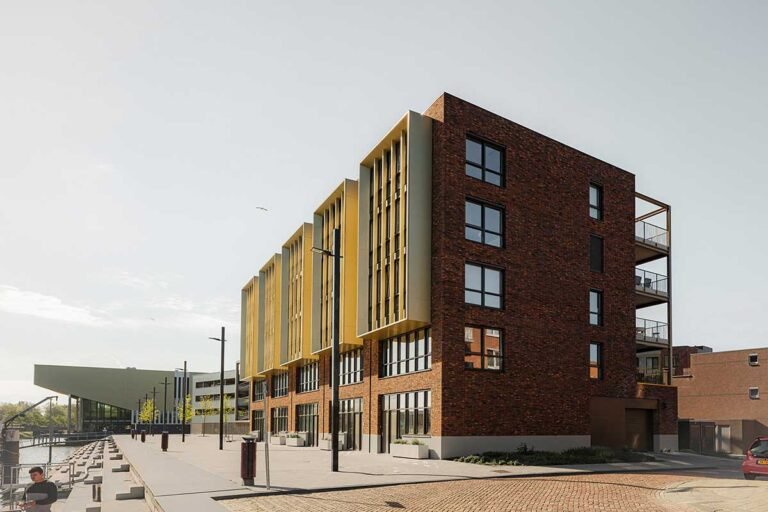
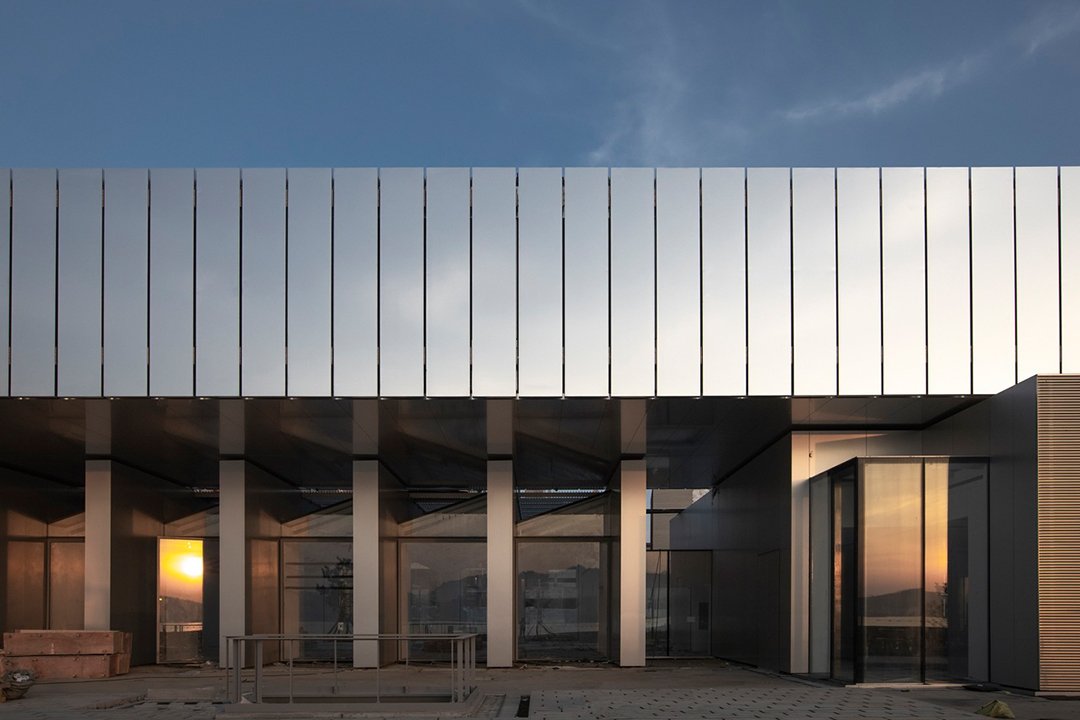
The installation of custom stainless steel facade panels on building exteriors creates smooth modern surfaces which enhance the aesthetic value of office buildings and hotels and commercial towers. Through their reflective and patterned and textured finishes architects can create light manipulation effects which generate striking visual transformations. The panels demonstrate their ability to resist environmental forces by withstanding rain and UV radiation and urban pollution while retaining their polished professional look throughout time.
Residential Projects
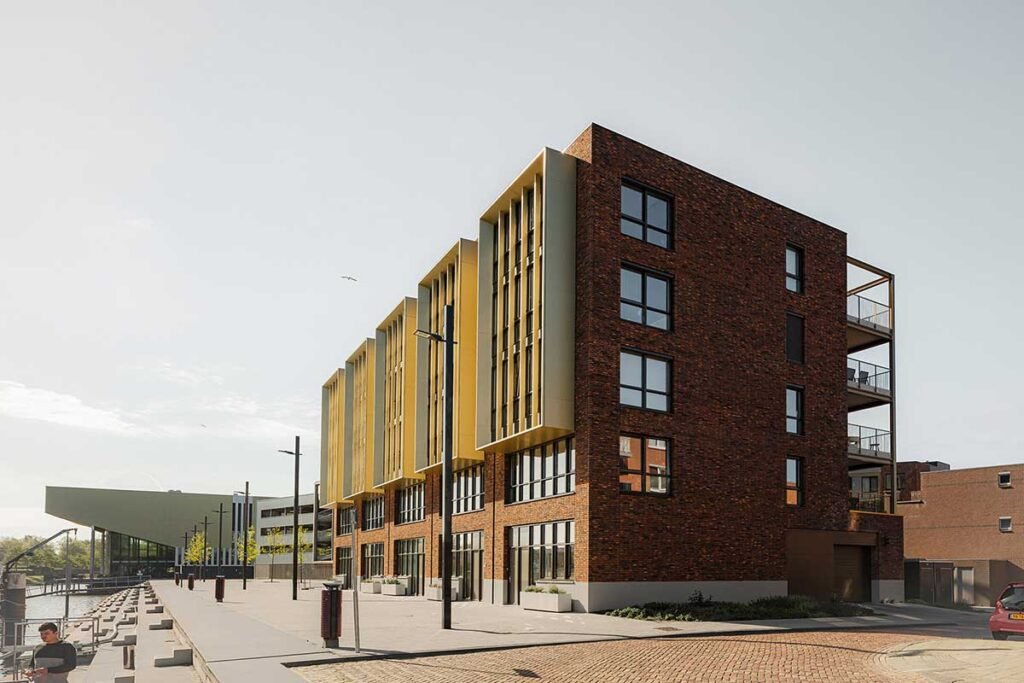
Architects can use metal facade cladding systems in residential projects by combining them with glass and stone and wood materials to create contemporary design textures. The panels deliver permanent construction strength against humid and polluted environments while presenting an advanced design appearance. Their use in residential projects combines elegance, modernity, and functional performance, making them a preferred choice for high-end residential designs.
Interior Design Elements
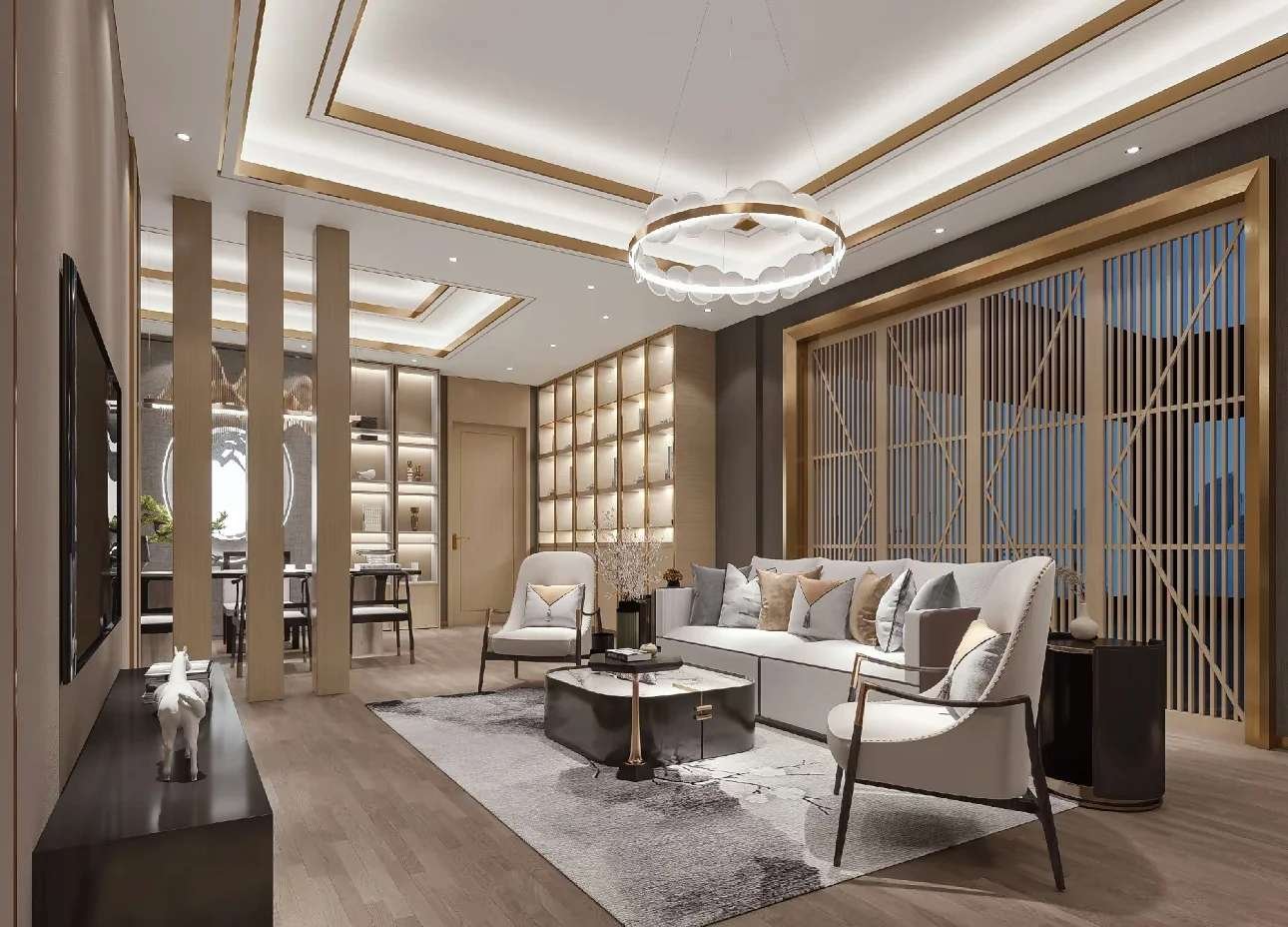
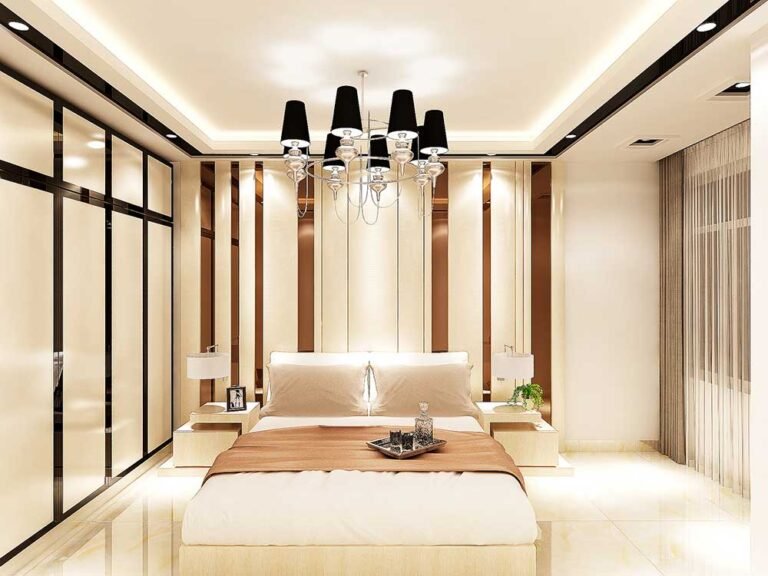
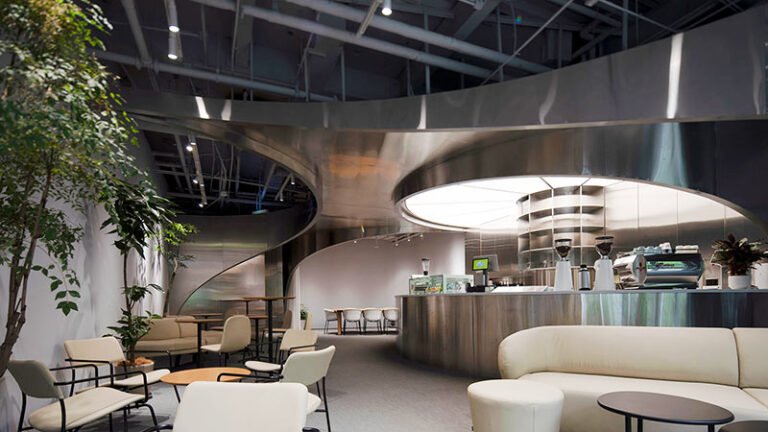
Custom stainless steel facade panels are commonly installed in lobbies and feature walls and elevator surrounds and partitions throughout building interiors. Interior spaces gain dimensionality through polished and brushed and patterned finishes which create stylish atmospheric effects. The company provides interior surfaces which protect their appearance through durable materials and minimal maintenance requirements for areas with high foot traffic.
Commercial and Public Spaces
Exterior wall cladding panels serve both practical and aesthetic functions across commercial and public spaces which include shopping malls, airports, and exhibition centers. Perforated panels improve sound quality while patterned designs create visual effects which enhance the appearance of the panels. The material demonstrates its ability to create multiple functions through its use in furniture and screens and art installations while maintaining its structural strength.
Material Considerations for Stainless Steel Facade Panels
The selection of proper materials guarantees both aesthetic beauty and functional performance. The custom stainless steel facade panels come with different grades, finishes, thicknesses and weights, which determine their ability to withstand damage and their visual appearance and their suitability for installation.
Stainless Steel Grades
The grade of stainless steel determines its resistance to corrosion and environmental wear. The urban and suburban applications use Grade 304 because it provides dependable protection against corrosion. The coastal and saltwater regions use Grade 316 because it provides greater protection against chloride exposure. The correct grade selection appears essential for maintaining the strength and appearance of decorative metal facade panels throughout their extended lifespan.
Surface Finishes
The surface finish affects both the visual appearance and the process of maintenance. The brushed finishes create an elegant appearance which minimizes the visibility of fingerprints. The mirror-polished surfaces produce luxurious reflective effects while the matte and patterned finishes create both texture and depth. The finishing process improves the visual attractiveness of the facade while making it simpler to clean and perform maintenance work.
Panel Thickness
The thickness of panels determines both their structural capacity and their ability to be installed. The thicker panels provide both strength and protection against impacts yet require installation of more powerful support systems. The thinner panels provide lightweight properties which simplify installation but they need proper support to maintain their strength. The selection of proper thickness achieves an equilibrium between building performance and design appearance and material expenditures.
Panel Weight and Installation
The installation process and long-term stability of curtain wall metal panels depend on their weight. The heavy panels need powerful support systems and special work procedures while the light panels cut down on work expenses yet require exact engineering methods to achieve secure operation. The assessment of weight remains crucial for maintaining both visual attractiveness and structural security of the facade across its entire lifetime.
Maintenance and Performance of Stainless Steel Facades
The custom stainless steel facade panels need proper maintenance to sustain their performance and aesthetic appeal for multiple decades. The routine cleaning process removes both dirt and environmental residue which helps to maintain the original finish. The stainless steel material provides natural protection against UV radiation and wind and moisture and temperature changes, which ensures its long-lasting performance in every climate. The panels serve as components which work with insulation and ventilation and lighting systems to improve both energy efficiency and sound isolation performance. The combination of low maintenance requirements with long-lasting durability makes them an ideal sustainable solution for contemporary architectural design projects.
Design Trends with Custom Stainless Steel Facade Panels
Architects are exploring innovative ways to use custom metal facade panels to achieve both aesthetic and functional goals. The main trends include:
Minimalist and Modern Facades
Minimalist designs feature clean lines and uncluttered surfaces using PVD coated stainless steel panels. The panels create minimal visual differences which work with glass or stone materials to show precise geometric shapes and an elegant design. The three types of finishes produce a sophisticated urban look which combines smoothness with reflective properties and slight texture.
Light and Shadow Interaction
Custom stainless steel facade panels which have perforations and patterns or embossed designs produce active light and shadow effects. Facades designed this way appear visually different throughout the day, adding depth and movement. Architects can create captivating visual displays which continuously shift their appearance by using this method without affecting structural integrity.
Energy Efficiency and Sustainability
Sustainable architecture trends use ventilated panels and layered systems to achieve better insulation results which lead to decreased energy requirements. Custom stainless steel facade panels become recyclable materials which last for extended periods while meeting environmental regulations. The visual appeal of these panels helps architects achieve their energy-efficient design objectives.
Multifunctional and Interior Integration
Interior designers now use custom stainless steel curtain wall panels for wall applications which include feature walls, partitions, and furniture elements. The designers created curved and wave-shaped and three-dimensional designs which form sculptural elements to connect the outdoor environment with the inside space. The material demonstrates its ability to adapt through multifunctional applications and it maintains its visual and structural characteristics for an extended period.
Conclusion
Custom stainless steel facade panels create architectural solutions that combine durability with design flexibility and visual appeal to be used in architectural design for building exteriors and interior wall designs and public and commercial environments. Their combination of longevity, design flexibility, and low maintenance ensures long-term performance and aesthetic appeal.