How Can Emerald Green Stainless Steel Plates Be Used in Custom Architectural Projects?
Table of Contents
Emerald green stainless steel plates combine a fresh green tone and metallic feel. Contrasting traditional silver, gold, and black stainless steel facets, emerald green provides a unique color choice for architectural decoration.
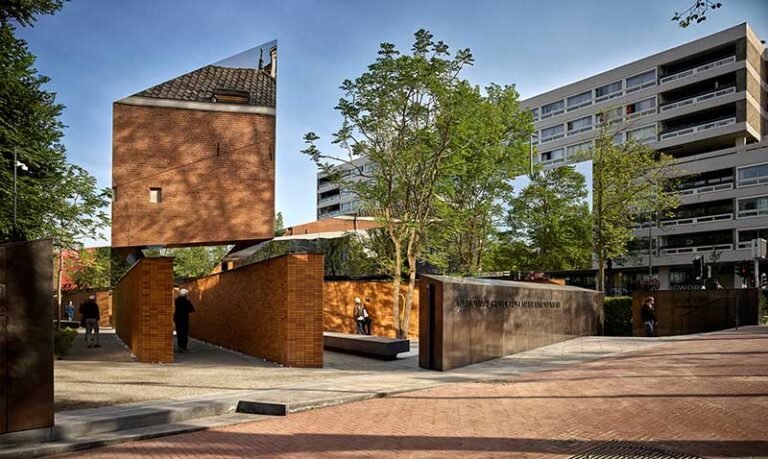
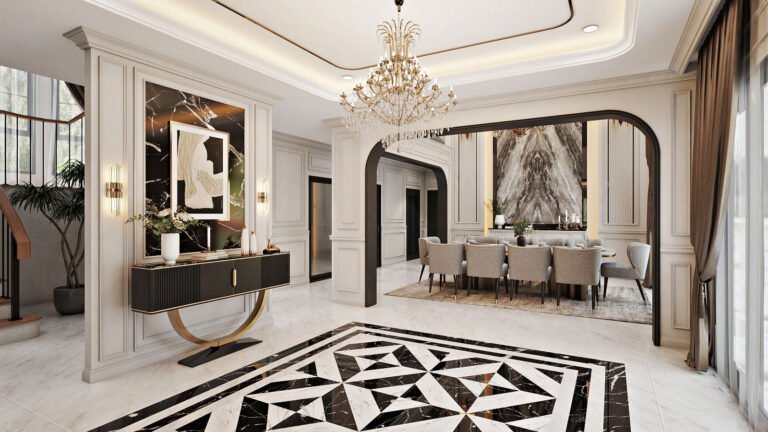
It can be applied to hotel spaces, commercial exhibition halls, wall decorations, and various custom metal components, making the metal finish a striking highlight of the entire space.
But for architects, interior designers, and engineering procurement parties, the selection of materials cannot be solely based on color. Surface textures, substrate numbering, processing processes, and site installation structure all directly affect the final effect of the finished product. Confirming these details in advance is the only way to truly match the materials to the design and use needs of the project.
What Is an Emerald Green Stainless Steel Plate?
Emerald-green stainless steel panels are made by colouring the surface of stainless steel substrates. One common method for producing emerald green finishes is PVD coated stainless steel technology, known as Physical Vapor Deposition (PVD).
This process can create decorative colors such as emerald green on stainless steel surfaces, while completely preserving the texture of the metal itself. The final effect is not only based on the color selection, but the surface treatment of the raw plates is equally critical.
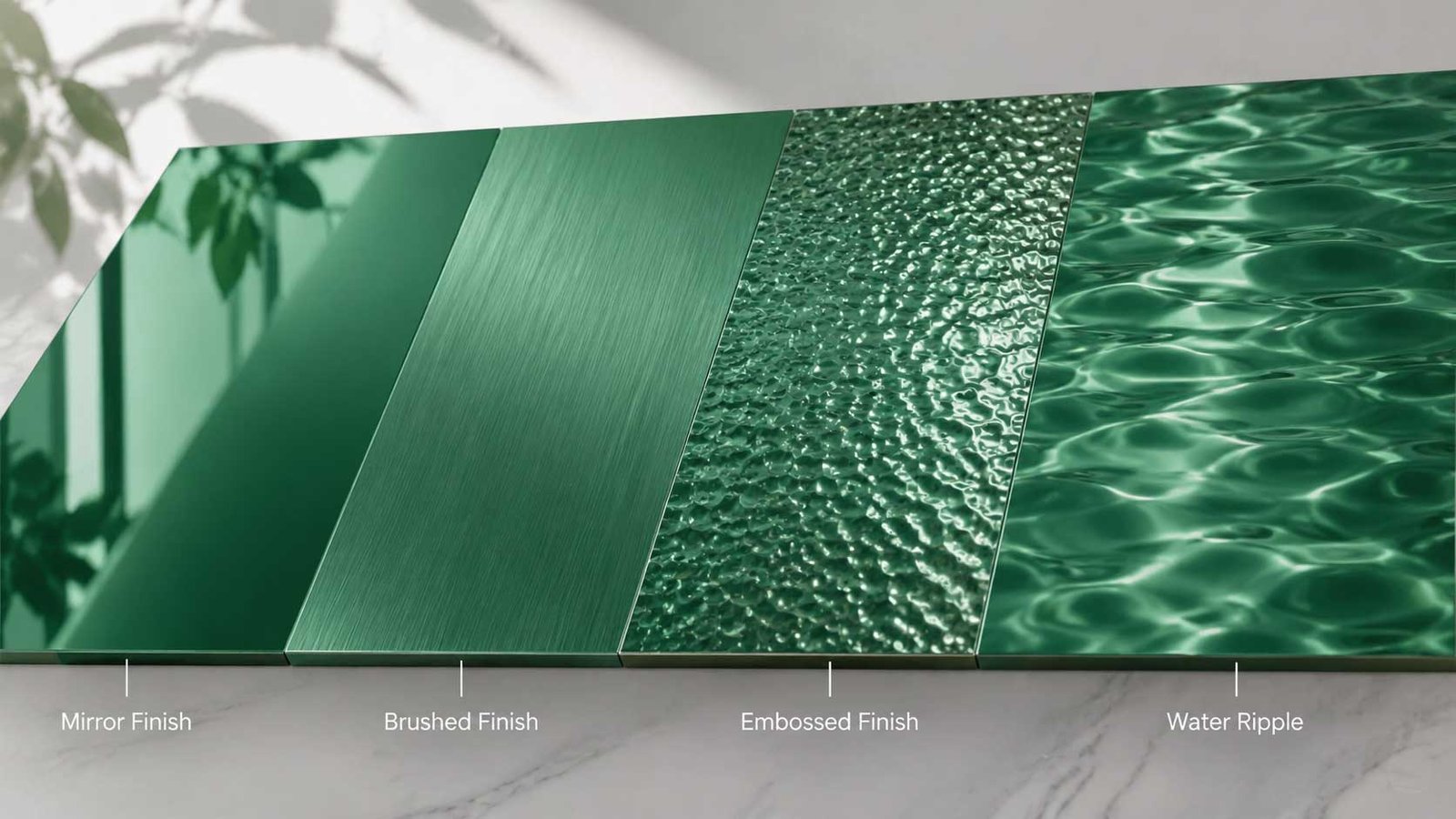
For example, an emerald green stainless steel mirror finish provides strong reflectivity, making it suitable for decorative schemes that emphasize light and visual impact. A brushed finish features fine, continuous lines that create a softer metallic appearance.
Therefore, before selecting a color, it is best to determine the surface process simultaneously, combining it with the project‘s on-site lighting and the surrounding matching materials.
What Is an Emerald Green Stainless Steel Plate?
Emerald-green stainless steel plates, relying on different surface processing processes, can present two completely different visual effects. Mirror and lace are the two most commonly used processes for decorating stainless steel plates.
- Mirrored: Surfaces with high reflectivity reflect the surrounding environment and lighting. Ideal for use on walls, display cabinets, or metal components that need to emphasize visual impact.
- Brushed: The lines are fine and even, and the reflection effect is softer. It is mainly used on wall panels and cabinet surfaces to create a subtle metallic texture. When large areas are installed on wall surfaces, it is also necessary to pay attention to the texture direction of each panel.
For projects with strict color requirements, it is recommended to make physical samples in advance. The reflection of metal surfaces is greatly affected by light, and the same sample will see different colors under different light sources.
Which Projects Suit Emerald Green Stainless Steel Plates?
Emerald green stainless steel panels can be fabricated into various custom decorative components. The appropriate solution depends on the project’s design style, product structure, and usage environment.
For projects requiring non-standard dimensions or specific installation details,custom emerald green stainless steel panels can be fabricated according to the project drawings.
- Hotel and commercial spaces: reception backwalls, decorated pillars, characteristic walls, custom metal accessories.
- Retail stores and brand exhibition halls: display cabinets, brand image walls, customized booths, metal finishes can be integrated with brand visual effects.
- Interior decoration: metal components such as cabinet door panels and wall panels can also be combined with wood, stone, and glass.
- Building metal decoration: customized parts such as decorative panels and metal edging can be processed according to project drawings.
Outdoor projects should be evaluated separately. Long-term exposure to rainwater wash, coastal salt mist erosion, and air pollutants can gradually shorten the life of the metal finish. The suitability of the panels for outdoor use cannot be determined solely by color or surface coating. When evaluating, the type of substrate, surface processing process, actual site environment, and subsequent maintenance plans must be taken into consideration.

How to Choose 304 or 316 Stainless Steel Substrates?
When choosing a substrate, it‘s important to look at the actual use environment, not just the surface color.
- 304 stainless steel: Usually used for interior decoration and common building metal components. It has a high performance-to-cost ratio in situations with low corrosion risk.
- 316 stainless steel: The material contains molybdenum and has better corrosion resistance in environments with chlorine ions. This can be prioritized for coastal areas or projects with a higher corrosion risk.
However, 316 stainless steel is not completely rustproof. Its actual performance is affected by the field environment, surface conditions, daily cleaning methods, and maintenance frequency.
If it‘s an emerald green stainless steel decoration project, it’s recommended to first evaluate the installation location and site conditions before determining the substrate specifications. Colors and surface patterns can be customized according to design requirements, but the substrate itself must meet the site environment‘s requirements for durability.
What to Confirm Before Custom Stainless Steel Processing?
Custom Stainless Steel Processing generally involves cutting, bending, welding, drilling, and assembly. Different product structures have different requirements for processing precision and fabrication methods.
Before requesting a quote from JYF METAL for custom stainless steel fabrication, prepare the following information:
- Product blueprints or reference maps: facilitate the factory‘s understanding of appearance, structure, and design ideas;
- Dimensions and plate thickness: overall dimensions such as length, width, height, key dimensions such as aperture, bending, and connection points;
- Purchased quantity: total order volume, whether there are multiple sizes and styles;
- Colors and surface effects: Confirm the emerald green number and note surface requirements such as mirror/lace patterns;
- Use environment: distinguish between indoor and outdoor, and add project locations and environmental conditions as necessary;
- Processing and installation requirements: If possible, indicate welding, special bending, matching accessories, fixing methods, and on-site assembly requirements on the drawings.
The installation structure must be checked in advance. For example, the way the wall panels are secured, the reserved gaps between panels, and the corner closure practices all change the board size and processing scheme.
If the product‘s appearance is complex, or if it needs to be coordinated with other material components for installation, it‘s best to provide complete construction drawings. Giving only reference images can first communicate design directions and evaluate processing feasibility, but it‘s not enough to make a formal quote and finalize production details.
For projects with strict color control, it is recommended to confirm physical samples before production to avoid problems in project validation due to differences in appearance and surface texture.
JYF METAL can customize processing plans based on project blueprints, surface requirements, and product structure. The final process plan needs to be determined in conjunction with design and production conditions.
Conclusion
Emerald green stainless steel plates provide highly recognizable metal facets for hotel, commercial spaces, and various architectural decoration projects. To achieve an ideal landing effect, you can‘t just look at decorative colors. Color, surface texture, substrates, and processing structure all need to be taken into consideration.
JYF METAL can assess custom stainless steel fabrication options based on project drawings, surface finishes, dimensions, and installation requirements. If you are preparing for a related project, you can prepare product images, dimensions, surface effects, installation requirements, and we will further confirm materials and processing details.
FAQs
Q1: Can Emerald Green Stainless Steel Plates Be Made into Custom Shapes?
The feasibility can be evaluated based on the blueprints. Product shape, size, plate thickness, and structural complexity all affect processing difficulty. For complex-shaped or composite components, design details must be finalized first, before determining the appropriate processing process.
Q2: Can I Request a Preliminary Quote with Reference Images Only?
Yes. Reference images can help us quickly understand the appearance of the product and design ideas. If you don‘t have a complete blueprint for the time being, you can send images in advance, estimate sizes, procure quantities, and make preliminary communication. However, formal quotes still require further confirmation of materials, sizes, and processing requirements.
Q3: Why Must We Confirm Physical Samples?
The screen cannot fully reproduce the reflection and texture of the metal surface. The display, ambient lighting, and surrounding colors all interfere with the naked eye‘s judgment. For projects with large areas of decoration and high requirements for color consistency, physical samples are the most reliable way to confirm the final effect.
Q4: Can Emerald Green Stainless Steel Plates Be Used Outdoors?
Outdoors should consider factors such as sunlight, rain, pollutants, coastal salt mist, etc., and confirm the matching material scheme and post-maintenance requirements. Indoor decoration panels cannot be directly copied for use in all outdoor scenarios.
The suitability of emerald green stainless steel plates for outdoor use depends on the substrate grade, surface treatment, exposure conditions, and maintenance requirements.
Why Must Blueprints And Dimensions Be Confirmed Before Production?
Customized metal parts generally need to be installed in conjunction with site walls, installation frame, and other components. Any deviation in size, seams, or fixation points can directly affect site installation, and in serious cases, rework is required. Therefore, it is essential to check key size and installation details before production.