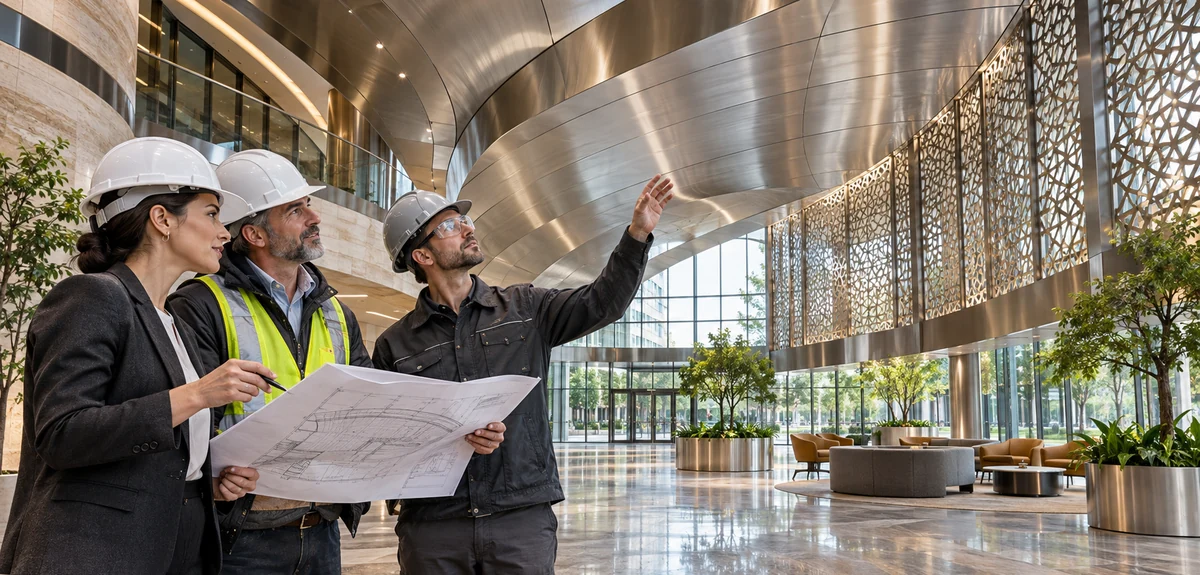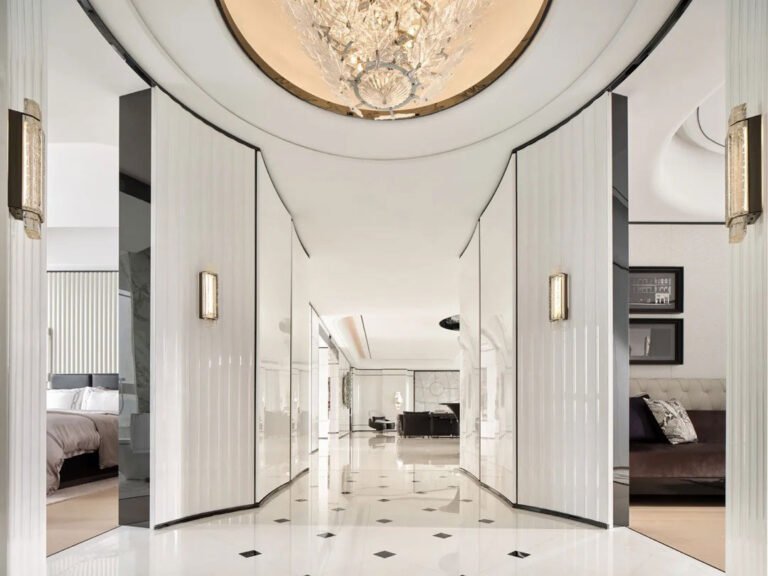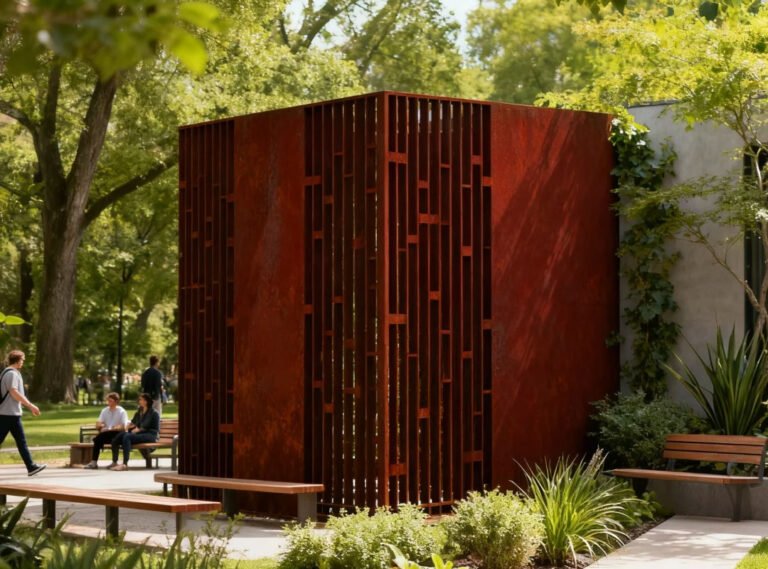
When it comes to large commercial buildings, metal work must be aesthetically appealing, quality, and precise. Custom metal works in hotels and malls must conform to architectural drawings and installation requirements and schedule.
Quick Answer
Buyers have to check on the engineering capabilities, production facilities, quality control, and similar commercial projects experience prior to choosing a manufacturer.
- Buyers should always ensure that there are specifications of materials and sample approvals before starting large-scale production.
- The right supplier will provide a clear quote with realistic delivery and manufacturing dates.
- Complete drawings, timely sample approval, confirmation of manufacturing milestones, and coordination of installation requirements prior to fabrication are recommended.
The process of choosing the right Custom Metal Fabrication does not only involve comparing prices. Engineering capabilities, materials, production, surface finish, and logistics play a huge role in completing the project. Choosing a competent Metal Fabrication Supplier helps manage costs and bring designs to life.
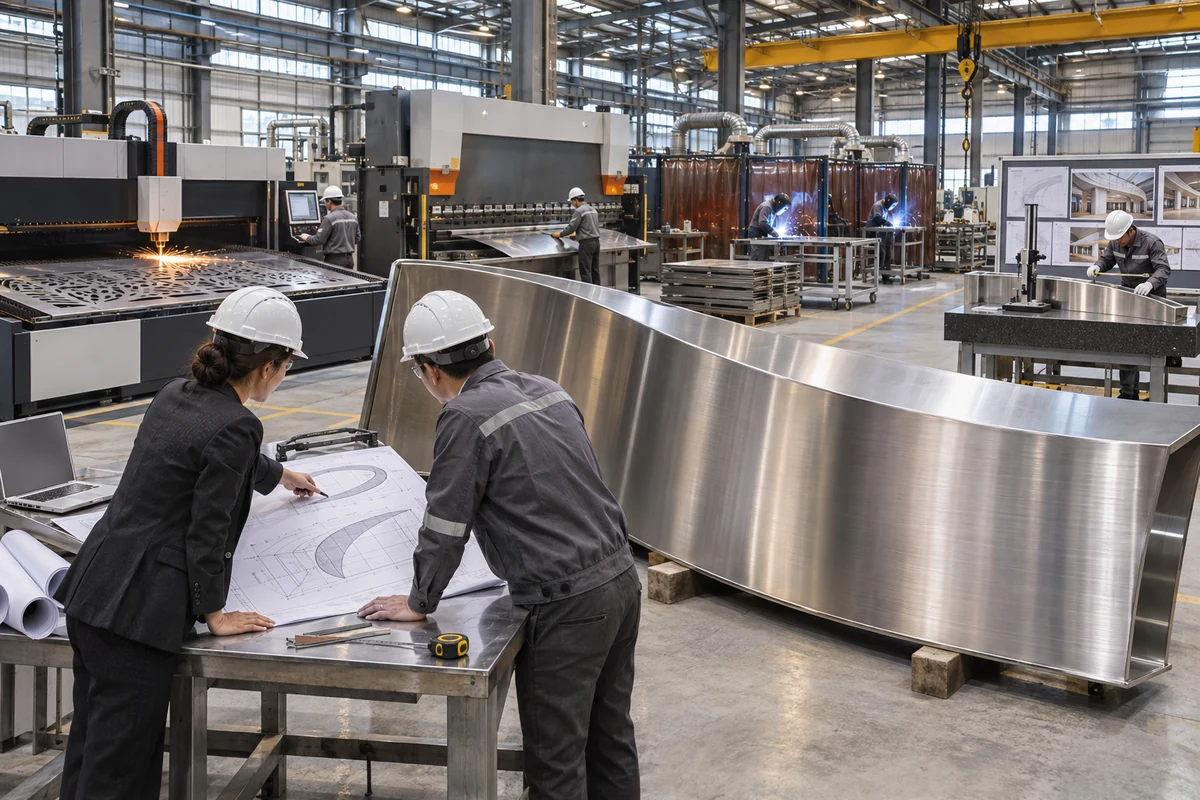
Why Choosing the Right Metal Fabrication Partner Matters
Metal articles custom manufactured help create a certain look and performance of commercial spaces. Materials such as stainless steel and aluminum can be formed into decorative panels, screens, counters, sculptures, and facades that will be used to give a visual identity to the project.
Architectural metal fabrication is an advanced method of turning design ideas into actual objects. Experienced metal fabricators will be able to understand complex shapes, metal gauges, jointing and surface finish prior to the start of fabrication.
Choosing the right fabricator will also ensure there are no mistakes during manufacturing and installation process and minimal waste of materials. Properly designed shop drawings and good communication will help spot mistakes prior to their creation. In case of a large project, consistency in size, color, and finish of the pieces is very important because any discrepancies in the pieces will influence the appearance of the whole structure.
Common Challenges in Large Commercial Metal Projects
Large-scale commercial projects always come with complex designations and various stakeholders. Understanding these matters is essential for customers to make the right choice of suppliers.
Complex Designs and Manufacturing Requirements
Designs of the buildings usually comprise curves, unusual shapes, cutouts, and decorations. To manufacture these types of parts, appropriate equipment is required.
It is possible for an experienced stainless steel fabrication service to estimate the radius of the bend, thickness of the material, the welding, and the assembly process. Early discussions with engineers prevent any deformations and other problems.
Material and Surface Finish Consistency
The surfaces of the commercial spaces could be of brushed finish, mirror polishing, textured, or even color coating. These slight differences in color or finish will be noticed after assembly of all the panels.
Buyers should always ensure that there are specifications of materials and sample approvals before starting large-scale production. In addition, the use of protection film and sufficient packaging is necessary to prevent scratches during transport.
Budget and Delivery Management
Large commercial metal structures can be made up of hundreds of specially manufactured pieces. Any changes to the design, delays in approvals, and complicated assembly procedures can result in higher costs and longer time frames.
The right supplier will provide a clear quote with realistic delivery and manufacturing dates. It is much more effective to compare costs of the whole project rather than unit costs alone.
How to Evaluate a Metal Fabrication Supplier
Buyers have to check on the engineering capabilities, production facilities, quality control, and similar commercial projects experience prior to choosing a manufacturer.
Review Engineering and Design Support
These include review of the architectural drawings, preparation of the shop drawings, making material suggestions, and searching for any difficulties in the installation process. Help from the manufacturer plays a very significant role when there is a necessity to unite metal parts with glass, stones, lighting, wooden and other elements.
Architectural metal fabrication involves cooperation between the manufacturers, architects and contractors so that the custom metal products can satisfy all requirements.
Check Manufacturing Capacity and Quality Control
Buyers have to make sure that the supplier's cutting, bending, welding, forming, polishing and surface treatment capabilities correspond to the products' requirements.
For custom metal fabrication, consumers need to know how dimensional accuracy, weld quality, surface finish, and completed products are inspected. Samples, inspection reports, updates about production process, and references from earlier projects can serve as evidence of reliable manufacturing.
Compare Materials and Finishing Options
Choosing material depends on application purpose, environment, maintenance, and cost. Stainless steel gives a unique look and corrosion resistance, while aluminum can be used if the low weight is important.
A reliable metal fabrication supplier will be able to describe pros and cons of available materials and finishes. Humidity, coastal location, climate change, and maintenance are the factors to be taken into account for outdoor projects.
Custom Metal Solutions for Different Commercial Projects
Different commercial settings have different needs in appearance, functionality, and strength. Selecting products depending on their application provides a harmonious architectural design.
Hotels: Lobby Screens and Decorative Ceilings
Hotels use decorative metal elements to create unique experience for guests. Lobby screens provide separation of reception area from lounge areas. Decorative ceilings bring patterns, reflectors, and sculptures into public spaces.
Custom stainless steel fabrication enables the coordination of ceiling panels, column covering, and artistic screens with the interior design. Buyers should give preference to consistent finish, hidden fixation system, correct alignment, and integration with the lighting system.
Commercial Complexes: Facades and Artistic Installations
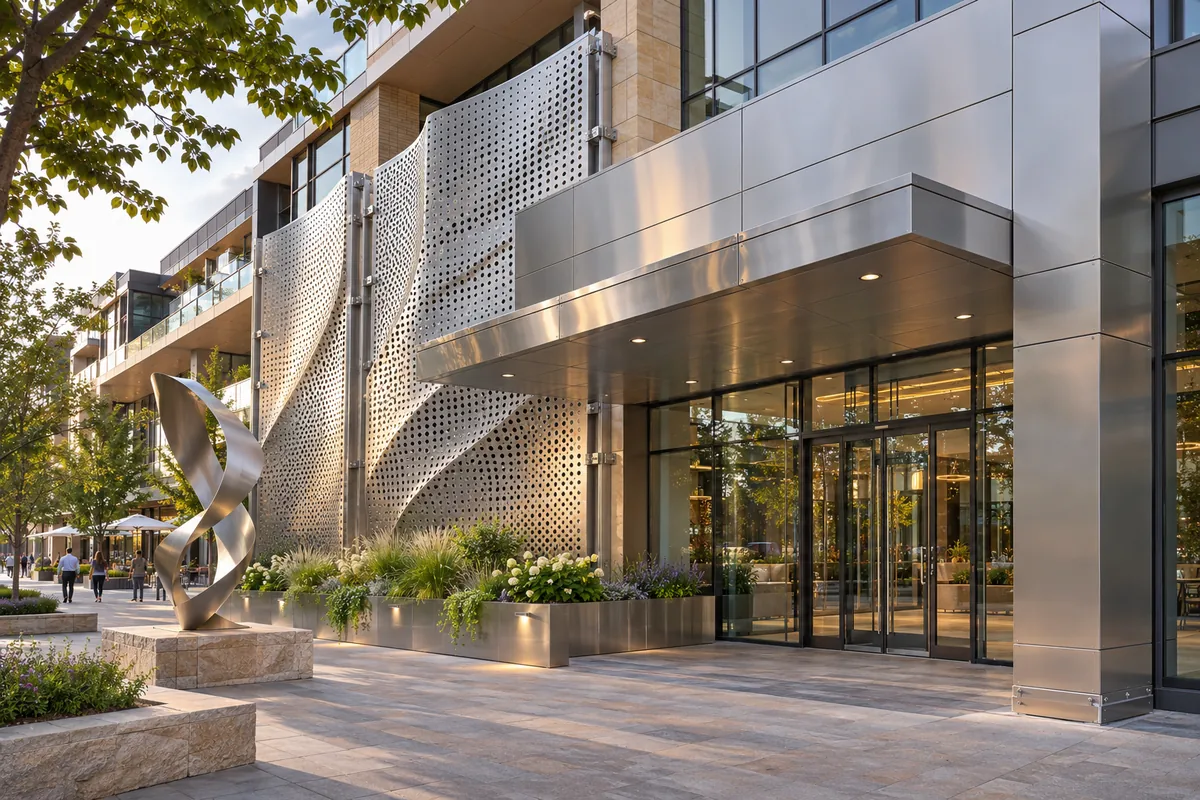
Malls and commercial complexes may use metal façade panels to create a certain look of the exterior of the structure. Decorative coverings may add various textures, patterns, and finishes to match the concept of the structure.
Metal sculptures and artistic installations may become focal points of entrances, atriums, and plazas.
Such Commercial Metal Structures involve the coordination of efforts between designers, fabricators, structural engineers, and installers. The buyers should check the specifics of connections, loads, dimensional tolerances, and environmental considerations. The decorative covering should also be coordinated with the structure and its weather protection system.
Restaurants and Retail Spaces: Screens, Counters, and Feature Walls
Restaurants and retail spaces utilize custom-made metalwork for brand reinforcement and improved interior design. Metal screens may separate dining rooms, while custom-made bar counters and feature walls create focal points.
Brushed stainless steel, colored panels, and textured surfaces are good options for contemporary, industrial, or luxury interior designs. Counter sizes, edges, shelving, and branding can be coordinated through Custom Metal Fabrication.
Since these products will be used in high traffic environments, the buyer needs to think about cleaning, scratch-resistance, safety of edges, and cost of maintenance.
Landscape Projects: Planters and Outdoor Decorations
Outdoor metal products link buildings with gardens, plazas, terraces, and pedestrian areas. Customized stainless steel planters, decorative screens, sculptures, and landscape pieces can help make a cohesive design for these areas.
Consideration should be given to exposure to rain, sun, moisture, and corrosive environments. Also, drainage, anchoring, edge safety, and maintenance are important considerations.
A metal fabrication manufacturer can customize these items according to the design of the landscape project and other considerations related to transportation and installation.
From Drawings to Finished Products: The Collaboration Process
An organized process ensures that tailor-made metal products match project needs and deadlines.
Initial Consultation and Requirement Confirmation
The process starts by going through the architectural drawings, references, sizes, materials, number of pieces, budgets, and target delivery dates. The supplier should specify the technical requirements and gather any missing data before providing an estimate.
Design Development and Shop Drawings
Engineering will create shop drawings and suggest proper fabrication techniques. Specifications for the materials, finishes, tolerances, and connections should be checked and agreed upon before manufacture starts. Samples or finish boards can be used to verify colors and textures.
Fabrication and Quality Inspection
Manufacturing might consist of metal cutting, forming, bending, welding, polishing, and surface finishing. Inspections should be carried out during the entire manufacturing process and not at the end only.
For custom stainless steel fabrication, consistency of surface orientation, finish condition, and dimension is especially critical in cases where more than one component will be mounted at once.
Packaging, Delivery, and Installation Coordination
Finished products should be labeled and packaged depending on their size and surface sensibility. Larger products can be divided into transportable modules for further mounting at the place of use.
It is advisable that the supplier should coordinate the delivery schedule and give any drawings or technical assistance in case it is needed. Such coordination will help to prevent any delays and corrections during construction.
Why Choose JYF Metal for Commercial Metal Projects?
JYF Metal offers custom architectural and decorative metal products for commercial or construction projects. The product range covers decorative panels, screens, curtain wall systems, sculptures, counters, ceilings and other custom metal products.
From the application page of JYF Metal we can see that this company provides various architectural and decorative applications related to hotels, commercial complexes, restaurants, retail interiors and landscapes.
When assessing us for custom metal fabrication, buyers should go through the drawings, materials required, surface finish, quantity of production, and installation restrictions. Early verification of the specification will enable the production plan to be realistic and avoid unnecessary changes in the design.
Architects, developers, and contractors require an appropriate manufacturing partner who understands both the visual and technical aspects of a project. Effective communication and the review of the specification will help create customized designs into complete architectural elements.
Conclusion
An effective partner for metal fabrication can assist buyers in controlling cost, quality, and schedule. Some factors that buyers should consider include engineering capabilities, manufacturing capability, material uniformity, surface finishing, and delivery coordination.
Whether the project entails hotel lobby screen, commercial façade, restaurant counter, artistic pieces, or outdoor planters, Architectural Metal Fabrication should be reflective of the intended purpose and installation site.
JYF Metal provides custom-made solutions in metal architecture and decoration for commercial uses. Learn more about JYF Metal application solutions here.
Frequently Asked Questions
What should be considered by buyers while choosing a metal fabrication company?
Engineering services, manufacturing capabilities, quality control, range of materials, finishing, delivery, and past experience in similar projects need to be considered.
Which materials are recommended for architectural metal fabrication?
The most popular are stainless steel and aluminum, but other materials could be used depending on the needs of the project.
Can the manufacturer make custom metal objects based on architectural drawings?
Yes, the manufacturer can examine the drawings, make shop drawings, recommend manufacturing techniques, and produce the product according to the agreed specifications.
How can buyers avoid delays?
Complete drawings, timely sample approval, confirmation of manufacturing milestones, and coordination of installation requirements prior to fabrication are recommended.
Why choose JYF Metal for commercial applications?
JYF Metal offers custom-made solutions using architectural and decorative metal. Clients can talk about drawings, material choices, finishes, quantity needs, and delivery considerations to assess the most appropriate manufacturing method.