Why is the Lead Time for Custom Stainless Steel So Long? Stop Rushing the Wrong Process!
Table of Contents
In the architectural and interior design industry, custom stainless steel products are often referred to as the “haute couture” of interior spaces. Whether it’s a uniquely shaped screen in a luxury hotel or a complex honeycomb system in an office lobby, every piece is one-of-a-kind.
However, one of the most common questions clients ask is: “Since we’ve already received a quote, why does it take so long to ship?”
As a member of JYF METAL, I fully understand clients’ anxiety regarding project timelines. But in the world of custom stainless steel, “speed” must take a back seat to “precision.” This article will take you behind the scenes of our factory to reveal the indispensable professional steps involved in the journey from an initial drawing to the final finished product.
Design Drawings vs. Production Drawings
This is a harsh reality: the drawings provided by designers are usually just “conceptual sketches.”
In a designer’s vision, stainless steel can be as thin as paper, flow like water, or even appear seamless. But when it comes to our factory, we have to ask:
Is the structure sound?
Take a 3-meter-high partition, for example: the designer’s drawing shows a frame that’s only 15mm thick. If we built it exactly as shown, it would sway in the wind—or even bend before it even reached the construction site.
Can a hand fit inside?
Some designs place screw holes in hard-to-reach corners. While the factory can weld them in, on-site installers simply won’t be able to tighten the screws.
We would never dare to start cutting materials without confirming these details. This back-and-forth communication in the early stages—discussing dimensions, thicknesses, and frame structures—essentially transforms the designer’s “dream” into the “reality” of the construction site. This process may take 3 to 5 days, or even longer, but it is absolutely essential.

Why are “Shop Drawings” the final line of defense?
Once all details have been finalized, our engineers will produce a formal shop drawing. Please keep in mind that this drawing is the “law” in our factory.
Why do we insist that customers double-check everything?
There’s no going back with stainless steel: You can splice a piece of wood if it’s cut too short, and you can patch a stone if it’s cut too small. But with stainless steel—especially sheets treated with PVD coloring and anti-fingerprint coatings—once the laser cutter makes its first cut, if you realize the dimensions were 10mm off, that sheet becomes scrap metal.
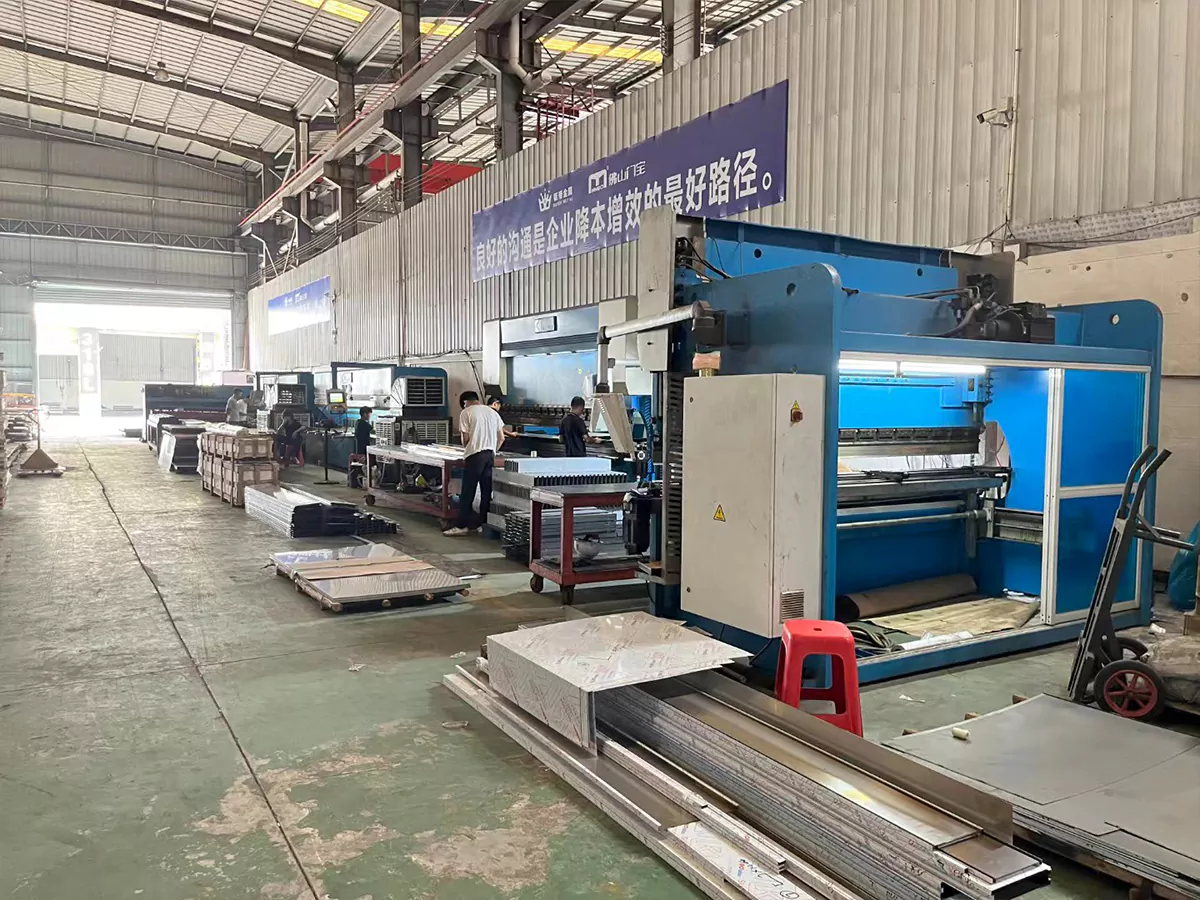
The process is irreversible: Laser cutting → Notching → Bending → Welding → Grinding → Surface treatment. Every step costs money. If you suddenly say, “I want to change the height” in the middle of production, I’m afraid this isn’t just a matter of adjusting a number—it means scrapping all previous steps and starting over, doubling both costs and time.
The “Variables” in Custom Product Lead Times
The “Mystery” of Color Matching
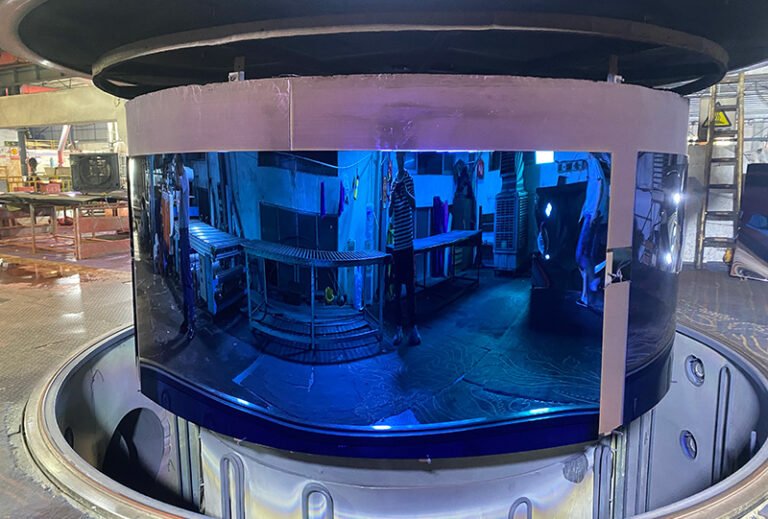
If you’re looking for standard hairline or mirror finishes, the process is quick. But if you need to match a specific “champagne gold” or “antique bronze,” this involves controlling color variations in the PVD coating process. Sometimes, to match the exact color on your sample, we may need to repeatedly adjust the furnace parameters—or even produce a small sample to send you for confirmation. With international shipping back and forth, a whole week can be lost.
The “Slow and Steady” Process of Custom Shapes
Standard square or rectangular panels can be finished in a single machine run. But for curved, twisted, or irregularly shaped parts that require extensive manual welding and polishing, the work truly relies on master craftsmen grinding them out bit by bit.
“Pre-assembly”: The Most Time-Consuming Yet Most Valuable Step
For complex engineering products, we must perform pre-assembly at our factory before shipping. We need to ensure that once these components arrive at your construction site, they can be assembled like Lego pieces. Skipping this step could shave three days off the delivery time, but if you can’t assemble them on-site, your losses could amount to three months.
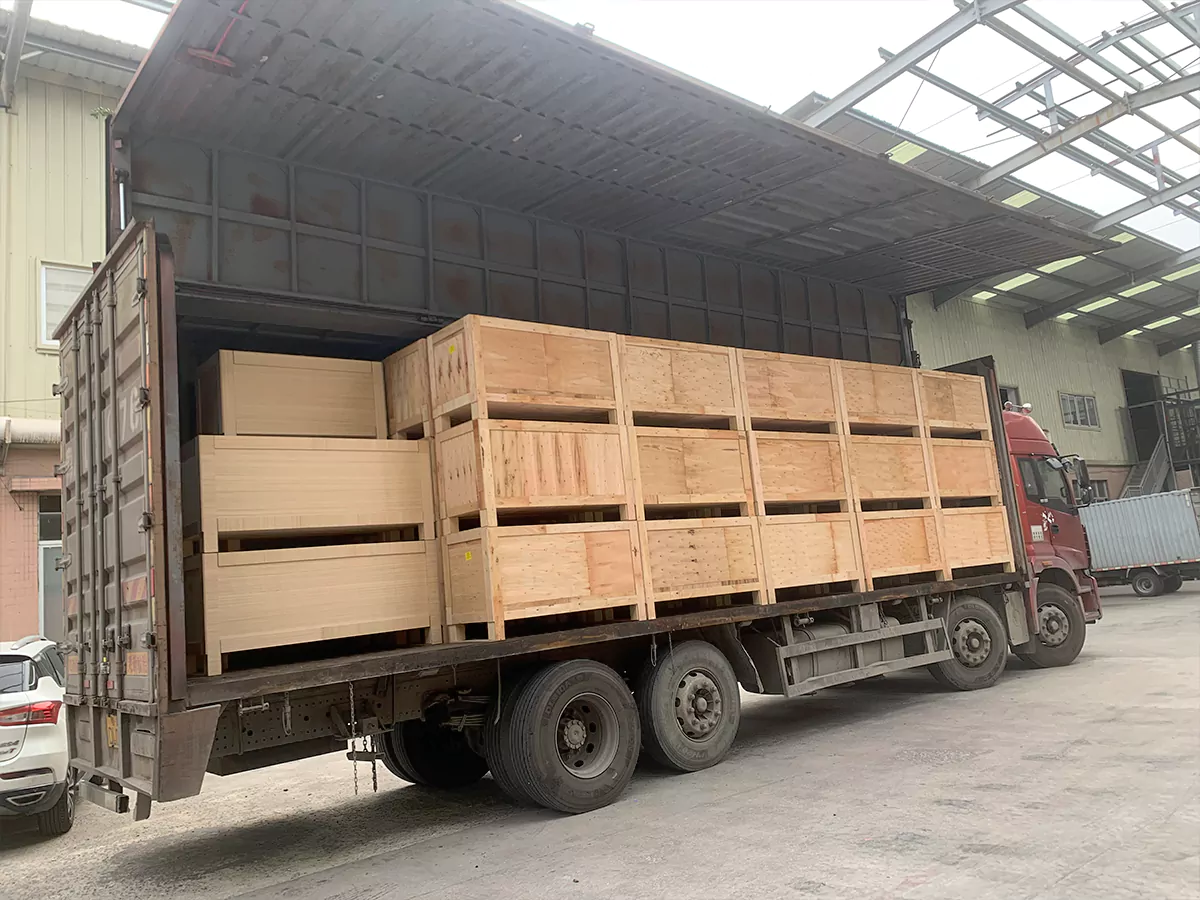
Warning: Changing Orders Mid-Production Is a “Project Suicide”
We’ve encountered clients who, halfway through welding the parts, suddenly announced that the designer had revised the plan and wanted to reduce the dimensions by 20 mm. At this point, as a manufacturer, we’re left with a major headache.
Time Costs: Your order must be pulled from the production line, and we have to wait for the new drawings and reschedule production. The previous production schedule becomes invalid, and you may end up being rescheduled behind other clients.
Financial Costs: The costs of materials already purchased and labor fees already paid to workers must all be borne by the client.
Therefore, taking a little extra time to confirm the drawings actually saves time down the line.
Honest Advice for Overseas Buyers: How to Get Your Goods Shipped Faster?
Although stainless steel or copper hammered panels are durable, their unique textured surface means that post-installation maintenance directly affects the longevity of the decorative finish.
Since the nature of custom orders can’t be changed, how can we optimize the timeline?
Don’t be vague in your drawings: Clearly specify all installation locations, load-bearing requirements, and substrate conditions upfront—don’t wait for us to ask before you answer.
Let professionals handle professional matters: Have someone with engineering expertise review the drawings with us, rather than relying on an administrative staff member who merely relays messages.
Accept standard colors: If you can accept the factory’s standard PVD colors, lead times can be shortened by 5–7 days.
Build in a “buffer”: Never trust factories that promise “shipment in 7 days” unless they’re selling stock items. In the custom manufacturing industry, those who dare to promise extremely short lead times are usually cutting corners behind the scenes.
We Aim for A “Perfect Match”, Not A “Quick Mistake”
At JYF METAL, our philosophy is simple: we’d rather spend an extra day polishing our products before they leave the factory than have you wait an extra month on your construction site.
Custom stainless steel isn’t fast food, it’s a fusion of art and engineering. If you want your project to remain smooth, shiny, and rust-free decades from now, please give us a little time. Every day you wait is an investment in the safety and visual appeal of your project.