
Why Engineering Projects Need Professional Stainless Steel Customization
Table of Contents
In modern construction and architecture, the materials used are not only functional but also closely linked with the aspects of durability, functionality, and long-term sustainability. Particularly, the role of stainless steel in the modern era can never be underestimated due to its durability, strength, and versatility.
However, the challenges associated with the complexity of projects cannot easily be met by the commercial purchase of common goods. Specialized engineering modification in stainless steel ensures that each product satisfies the design requirement, environmental factor, and operational requirement for a specific project.
Specialized alloys, thickness, finishing, and sizes can provide customized stainless steel with the functionality that accommodates the cause of strength and aesthetics, thus enabling engineers and architects to work with materials that can meet the specified standards.
Stainless Steel Customization for Enhanced Project Performance
Engineering projects call for customization to exhibit very specific characteristics in terms of functionality and lifespan. Although generic stainless steel would do for general application, it wouldn’t work if the project demands particular kinds of mechanical properties and very detailed tolerance levels and versatility in terms of the operating conditions. Custom fabrication would allow engineers to tailor every component to function in a particular way in its designated application and would also cut maintenance and replacement costs in the long run. Customized solutions would address the challenges that pertain to architectural and infrastructural applications and engineering in between.
Durability and Corrosion Resistance for Long-Term Reliability
One of the key benefits of custom stainless steel is its ability to offer high strength and corrosion resistance. By using the correct alloy, thickness, and finish, it is possible for the engineers to guarantee resistance of materials to water, chemicals, or severe weather. Custom-made parts will be able to maintain their integrity of strength, functional, and aesthetic values for a much longer period. For a instance, 316 stainless steel is particularly useful in areas near the sea, industries, or regions of high humidity, where one should normally expect regular products to fail sooner. It will ensure materials continue to serve their purpose well.
Precision Fit and Structural Integrity
Many engineering works tend to have complicated design aspects. They have very tight location requirements. Customized stainless steel components can be produced to specification. This ensures that they can be easily incorporated into building structures. This action not only works towards improved safety but also ensures that there are no mistakes during installation. Specialized metal components facilitate the customization of mechanical requirements, combinations, and resistance capabilities to serve the proposed engineering project.
Tailored Surface and Functional Properties
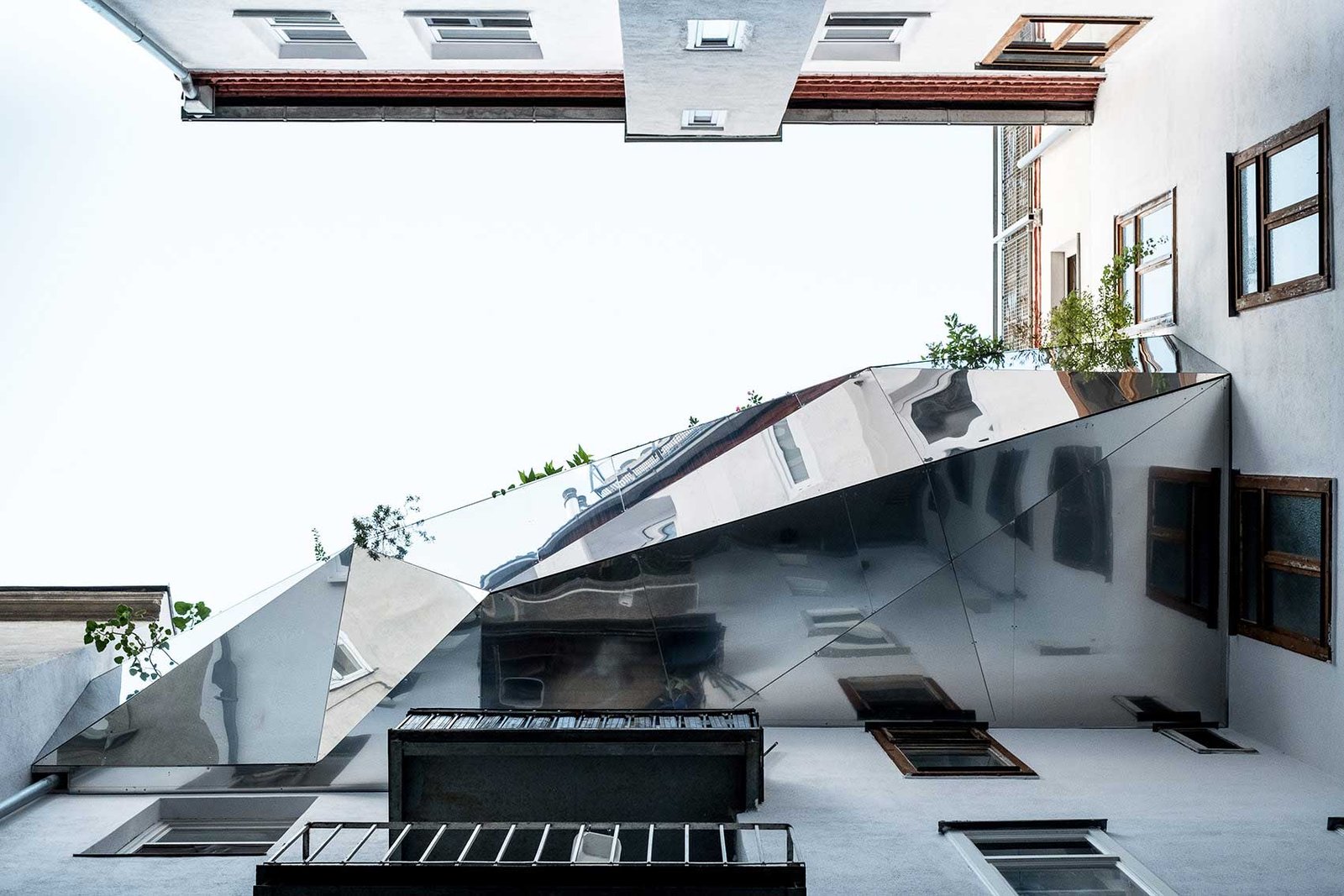
The other essential benefit that professional-grade stainless steel offers is that it can be treated with a custom finish on its surface. A specific kind of finish could be brushed, highly reflective, sandblasted, or even anti-fingerprint-resistant, and all such finishes are a mix of aesthetic and functional uses. Brushed finishes conceal scratches where the piece sees frequent use, highly reflective finishes increase reflectivity, and specific finishes increase resistance to wear and/or corrosion as well as being aesthetically pleasing.
Design Flexibility and Aesthetic Integration
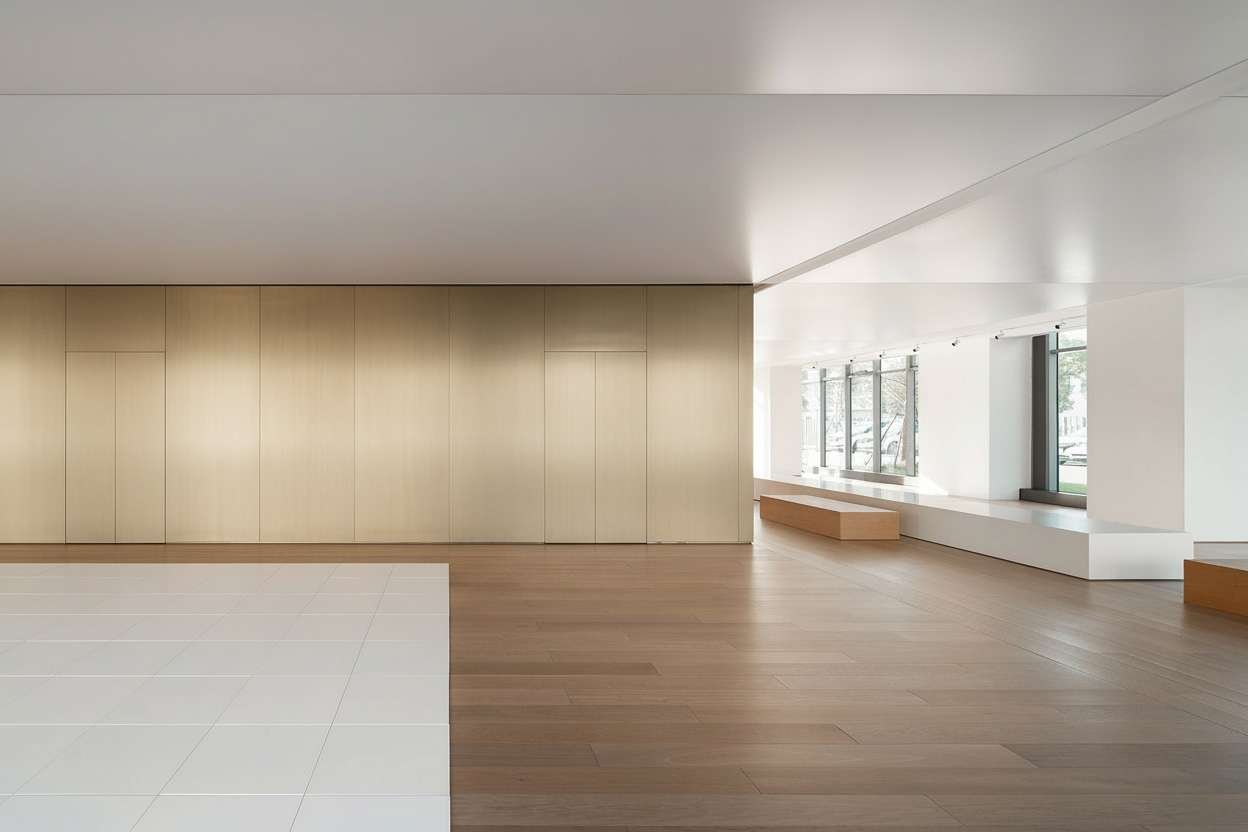
The ability to customize with stainless steel has brought the designer an unprecedented freedom of expression for both functionality and aesthetics. More than the functionality that needs to be performed, the ability to customize provides the engineer and the architect the capacity to create complex design ideas. The malleability that the stainless steel provides through shape, finish, and texture provides different projects the ability to differ in appearance and still ensure that all meet the technical specifications.
Versatile Shape and Form Customization
The application of progressive methods for fabrication like bending, rolling, and/or engraving will help create curves and special profiles for stainless steel. This will help the engineers satisfy a certain structure requirement as well as the architectural ingenuity. Custom-designed shapes will ensure that functional members will have a design function with integration into the visual storytelling.
Enhanced Aesthetic Expression
Finishes and coatings provide innumerable means for the designer to incorporate variations through design. Textures, patterns, and colored finishes give a means for the designer or manufacturer to incorporate a design aesthetic with the architecture or add a creative design flair. Along with aesthetic design, functional aspects are also included in the finishes, such as resistance and easy maintenance.
Seamless Integration with Project Themes
Every scheme has its individuality of design or functional need. Custom-designed stainless steel can be matched to all other building materials and features in a way that imposes a specific theme on a scheme. From a subtle integration approach to a strong statement of a modern scheme, custom stainless steel allows the aesthetic and structural scheme of a building to be fully expressed.
Functional Adaptation to Environment
Custom stainless steel products offer the ability to accommodate project requirements for that particular environment. For instance, for components that operate in extremely hot or cold conditions, or humid environments, or even where chemicals deteriorate materials, custom stainless steel can accommodate these project specifications. Engineers can be certain of optimal designs for maximum durability, or, more specifically, for maximum function.
Cost-Effectiveness and Sustainable Value
The justification for the higher initial costs associated with custom stainless steel, as compared to standard materials, becomes apparent when evaluated against the long-term benefits. Maintenance costs are reduced greatly through customization. The lifetime of components is also extended considerably, preventing replacements and conserving both time and resource.
Stainless steel stands out for its high recyclability and can be put back into service with a minimum amount of consumed resources. This makes stainless steel an ideal candidate for sustainable engineering since it presents obvious economic and environmental benefits. All these factors constitute the key role customizability performed in minimizing life cycle cost.
Reduced Life-cycle Costs
Custom-made components are engineered to withstand the project pressures and environment in such a way that there will be a considerable reduction in the failures and replacement of the component over the life of the project since there will be enormous savings in the long term. Proper material and fabrication will ensure the component functions within the required parameters throughout the life of the project.
Sustainable Material Choice
Stainless steel is recyclable and there is the ability for customization and therefore the effective use of materials. Through the design of the components for precise specifications, there is minimized wastage of the materials, and the aims for sustainable construction become achievable. This also adheres to the latest green construction norms and the sustaining of environmental responsibilities.
Minimized Construction Delays and Errors
Customized steel prevents any chances of modification or errors at the construction site. With precise measurements, pre-designed joints, and customized mechanical properties in mind, the construction company is also working with greater efficiency and no delays. This also ensures a major coordination between engineers, fabricators, and construction workers as planned projects are completed without compromising on quality.
Advanced Stainless Steel Fabrication for Complex Engineering Projects
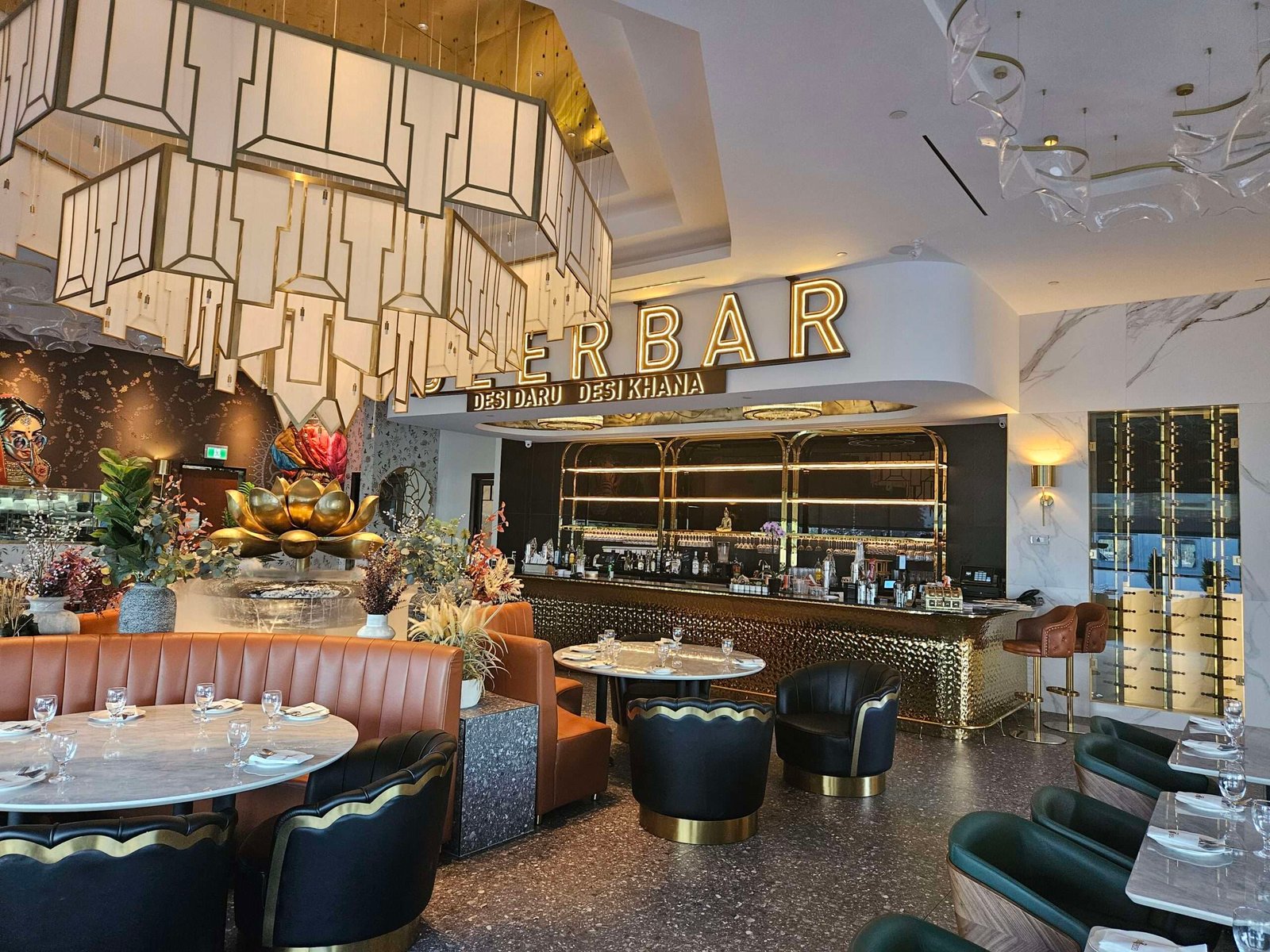
Contemporary engineering applications involve highly specialized components that cannot possibly be created using common materials. The advanced stainless steel fabrication process brings together precision, performance, and visual variety to meet the sophisticated requirements of engineering projects. Through the combination of design goals and the optimal use of material properties, engineers provide efficiency and coherence in the project process.
Integration with Complex Structural Designs
The customized stainless steel parts will be designed in a way that they can fit into complex structural assemblies, including curved facades and complex supporting structures and stratified structures. Such an approach ensures that all parts fully align, thereby promoting safety and minimizing the need for modifications during construction and helping achieve the intended design effect. Precision fabrication can improve aesthetic and functional results of complex engineering applications.
Optimization for Mechanical and Environmental Requirements
Projects often face extreme mechanical and environmental challenges, such as heavy loads, temperature fluctuations, or chemical exposure. Tailored stainless steel solutions allow engineers to select appropriate alloys, thicknesses, and surface treatments for each application. This optimization ensures durability, reduces maintenance, and guarantees performance where standard materials would fail.
Enhanced Efficiency Through Pre-Fabricated Custom Components
Pre-fabricated stainless steel elements streamline installation and minimize errors. Delivering components with exact specifications accelerates assembly, reduces labor costs, and avoids delays. Large-scale industrial and infrastructure projects especially benefit from the efficiency, reliability, and precision that pre-fabricated custom solutions provide.
Supporting Sustainable Engineering Practices
Custom fabrication significantly contributes to sustainability by minimizing material waste and maximizing overall production efficiency. Stainless steel’s high recyclability further enhances environmental responsibility, allowing unused or retired components to be effectively reused or repurposed. By incorporating tailored metal solutions, engineering projects not only achieve superior performance and durability but also adhere rigorously to green construction standards, corporate sustainability objectives, and environmental regulations. This approach ensures projects are both eco-friendly and cost-effective, demonstrating a strong commitment to long-term resource efficiency and responsible engineering practices.
Conclusion
Custom stainless steel solutions offer unmatched durability, precise fit, and aesthetic versatility for engineering projects. They enhance structural integrity, provide tailored surface finishes, and allow complex designs to be realized efficiently while supporting sustainable practices and reducing long-term maintenance costs. Choosing this professional custom stainless steel ensures superior durability, precise fit, and aesthetic excellence for your project—explore more solutions on the JYF METAL.
You Might Also Like
Please Share This
Recent Posts
- Architectural Stainless Steel for Interior Design: Curved Structures and Bar Counters
- Custom Stainless Steel Solutions for Modern Architecture
- Stainless Steel Custom Fabrication for Commercial Projects
- Advantages of PVD Coating for Architectural Metal Finishes
- What Is Powder Coating Surface Treatment: Benefits and Applications for Architectural Metal Finishes