The Indispensable Role of Metal Decoration in Hotel Engineering
Table of Contents
Contemporary hotel engineering requires materials which ensure a perfect amalgamation of aesthetics, utility, and sustainability. Among a host of materials, metal decorations have in recent years been a major part of hotel engineering, thanks to a unique amalgamation of flexibility, elegance, and reliability.
Whether it is a lobby, a hotel room, an outdoor façade, or a decorative partition, materials like stainless steel, aluminum, or other alloys of special properties possess flexibility and strength unlike other materials. It is possible for these materials to withstand severe weather, usage, traffic, and other factors while retaining a polished, elegantly appealing look.
Furthermore, it is also possible to customize these decorations, which means hotels can design their own signature looks, enhance their identity, and also meet their functional requirements in a most effective manner. Use of metal decorations not only boosts aesthetics, but also allows users to enhance functionality, making it a most effective investment in any hotel engineering.
Hotel Engineering Metal Decoration Enhances Aesthetic Appeal
Aesthetic design in hotels is one of the most important factors influencing guest first impressions and ensuring a brand image. Metal decorations increase aesthetic appeal and have functional adaptability, making them a component of prime hotel engineering work.
Luxurious Surface Finishes
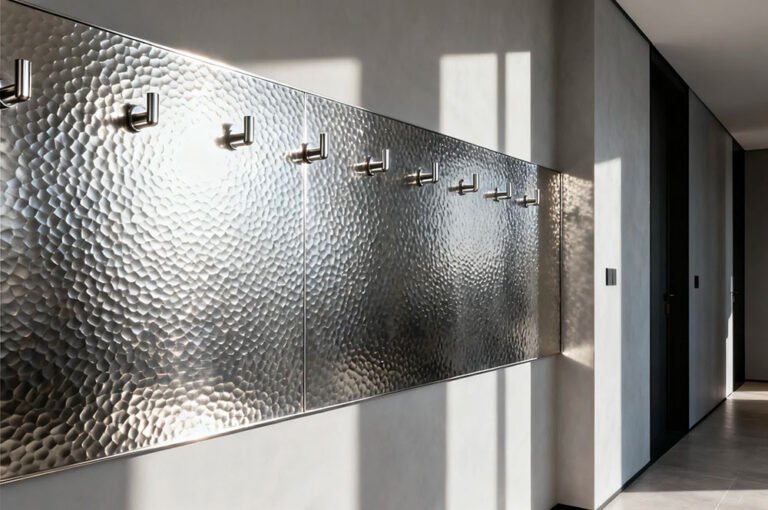
Metal finishes offer different kinds of finishes that promote the perception of luxury and quality. The reflective qualities of the polished stainless steel finish give the perception of more spacious areas because the light emitted by the environment is reflected by the metal finish. A brushed stainless steel finish gives different textures that promote the perception of lightness and simplicity and are recommended for designs that are considered modern and light. Metal finishes like copper and bronze are known for giving warmth and produce the perception of classic environments that are associated with luxury and relaxation and are recommended for designs that are considered conservative and formal.
Creative Design Applications
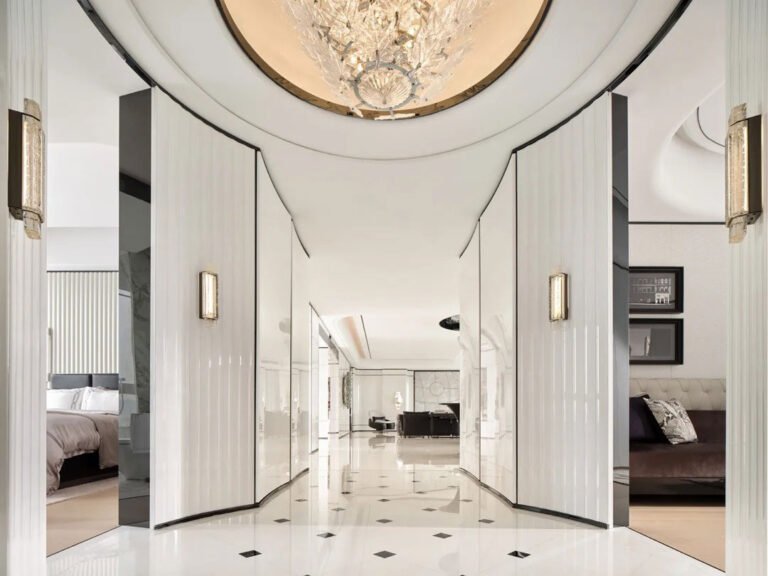
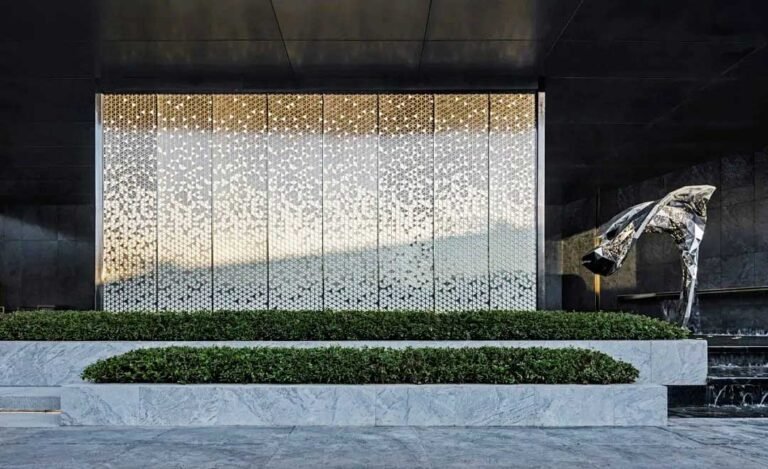
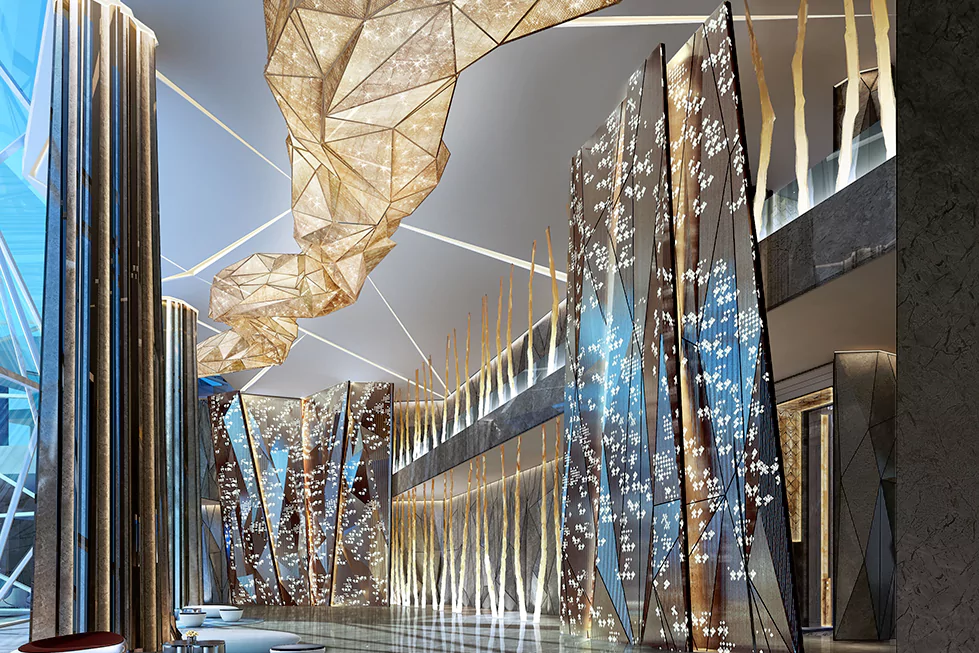
Metals offer versatility in terms of creative and complex design solutions. There are methods such as laser cutting, embossing, CNC bending, and welding that allow designers to come up with cladding panels or metal screens featuring complex patterns or geometric designs in ceiling projects or partitions. Such custom-designed projects turn practical features into works of art, giving both public and private spaces of the hotel a luxurious feel. The lobby or reception area of a hotel along with its conference or banquet hall and restaurants are specially in need of such applications as they help in creating a lasting impression.
Harmonious Material Integration
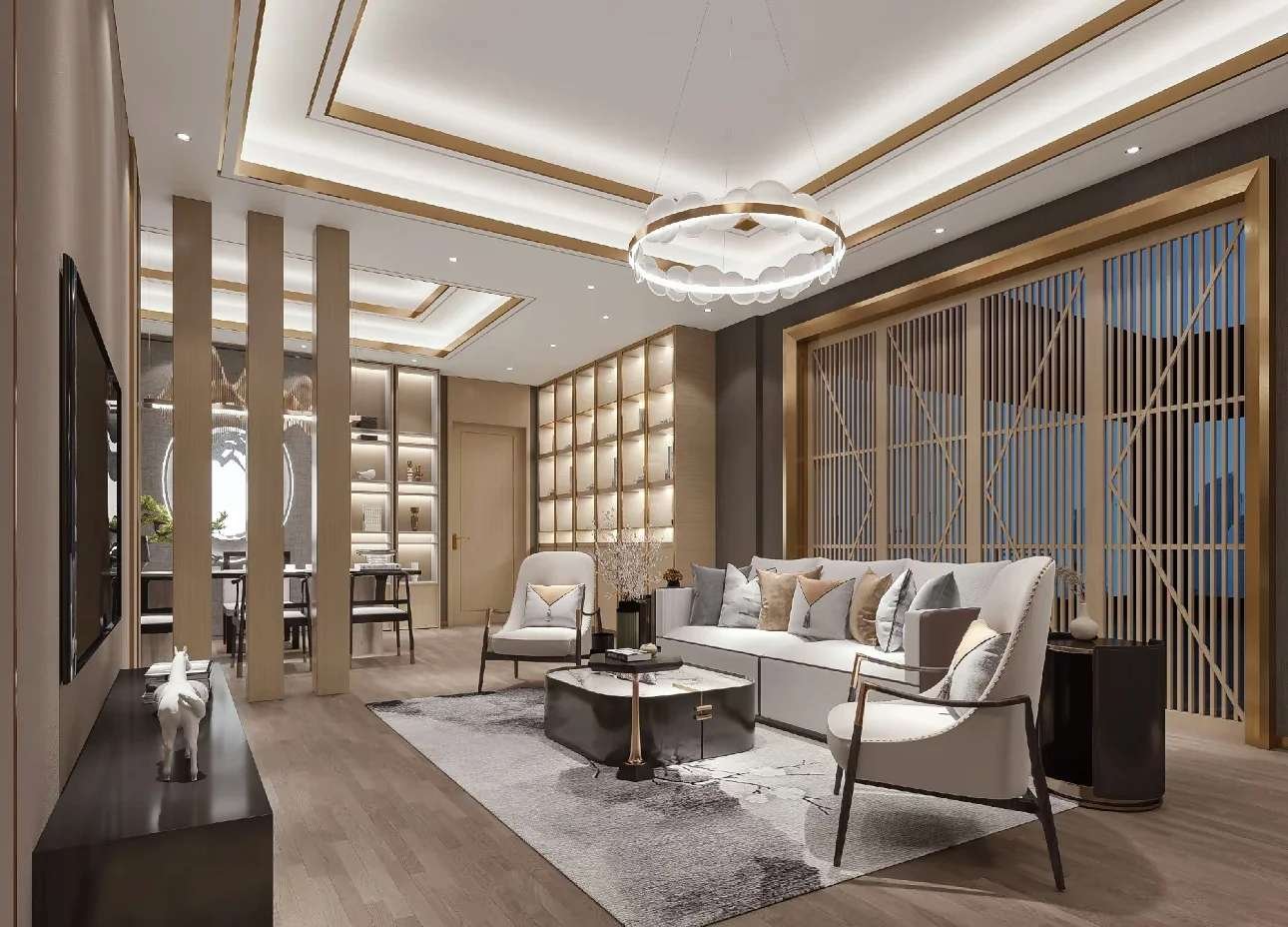
The compatibility with other building materials is one of the benefits metal decorations bring. Stainless steel can easily work with other building materials like wood, glass, and stone. Just consider the effect created by a metal surround on a glass partition. The metal surround not only adds to the strength of the structure, making it robust, but at the same time, it makes the interior look spacious. The effect is the same when metal decorations are combined with wooden or stony walls. The metal decorations bring balance to the interior and make it elegant.
Durability and Performance in Hotel Engineering Metal Decoration
In high traffic hotels, materials must be able to withstand constant traffic, environmental conditions, and cleaning practices. Metal decorations can handle all these factors and at the same time retain their intended functions and aesthetic features.
Corrosion and Wear Resistance
Metal types such as stainless steel exhibit considerable resistance to corrosion, oxidation, and deterioration. Metal that is resistant is preferred in areas that are saturated with moisture, near beaches, and spa facilities as well as in swimming pool areas since, for a considerable period, such metal resists degradation and maintains its aesthetic aspect despite intense wear and tear; thus, high-traffic facilities appear upscale and meet customer satisfaction due to their sparkling appearance and efficiency in their operation.
Structural Strength
Metal elements also play crucial roles beyond mere aesthetics. Rails, frames, or profiles facilitate the maintenance of alignment or stability of partitions, doors, curtain walls, and facades. They also enable enhanced structural integrity suitable for large installations. These elements of metal hand in hand offer aesthetics and structural integrity, thus metal decoration ensures safety, durability, and aesthetics of hotel spaces.
Ease of Maintenance
Metals are very low-maintenance materials; only minimal cleaning with mild solutions will suffice if the goal is to maintain their appearance. This characteristic makes metals much preferable to wood and painted materials since the latter tend to warp and deteriorate easily and can quickly fade and ruckle away from surfaces; therefore, their maintenance can significantly add to operational expenses in a hotel environment since public areas and rooms should always display a very attractive image of the organization.
Long-Term Cost Efficiency
Although metal might require a greater initial investment compared to other available materials, the final gain is greater. Additionally, they tend to require fewer maintenance tasks due to their durability. Hotels can eventually cut costs in terms of maintenance while simultaneously enjoying the aesthetic durability offered by metal. A wise final investment on the part of the hotel will be incorporating metal into hotel engineering design.
Customizable Metal Decoration Solutions for Hotels
Metal decoration also offers customization, which is one of its greatest strengths. This enables hotels to create unique and impressive features because metal decoration is used for branding.
Precision Fabrication Techniques
Newer manufacturing methods, including the use of lasers, stamping, CNC bending, and welding, facilitate the production of highly detailed panels, screens, and profiles. Designers are able to create complex designs, patterns, and sizes in line with the interior or exterior design of the property.
Large metal abstract sculpture in the hotel entrance, stainless steel custom feature wall behind the reception, custom metal screen partitions in the lobby, stainless steel skirting boards in guest room and stainless steel mirror frame in the restroom, that are in line with the brand identity of the hotel.
Tailored Finishes and Colors
The metal may be finished in different ways; there may be mirror polish, brushed, sandblasted, or anodized finishes. The colors may similarly be personalized to suit lighting or interior designs. The metal decorations may therefore be made to blend in or have certain features highlighted as focal points while maintaining overall cohesion in the hotel environment.
For instance, in a predominantly modern hotel style, stainless steel 8K mirror panels or matte black stainless steel elevator covers would be excellent choices.
Adaptability Across Spaces
Metal decorative elements are easily scalable and usable for any type of hotel size. Large atrium and hotel lobbies will benefit from enlarged metal decorative background wall or flooring to ceiling metal partition, and smaller decorative elements, like stainless steel wall art, stainless steel trims for the furnitures will suit smaller hotel suites. In this way, the hotel is assured that each and every section implements functional and aesthetic requirements for the enhancement of the hotel experience and efficiency.
Functional Benefits of Hotel Engineering Metal Decoration
Metal decorations are not only visually appealing but also provide practical advantages in safety, hygiene, and efficiency.
Structural and Functional Integration
Metal profiles, frames, and railings integrate seamlessly with doors, windows, and partitions. Their precise alignment improves structural stability and ensures durability. By combining decorative and functional roles, metals allow for sophisticated design without compromising performance or safety.
Resistance to Environmental Stress
Metals withstand temperature fluctuations, moisture, and UV exposure without degradation. This resilience is crucial for exterior facades and high-traffic interior areas, maintaining appearance and structural integrity over time. It reduces maintenance needs and prolongs the lifespan of decorative elements.
Hygiene and Safety Advantages
Smooth nonporous metal surfaces resist dust build-up and the breeding of bacteria, making them suitable in lobbies, dining, and restroom areas. Eases cleanliness meets hygiene standards, ensuring guest safety and satisfaction.
Sustainability and Eco-Friendly Applications of Metal in Hotel Engineering
Sustainability is an integral concept in the modern hotel design. Metal decoration not only supports eco-friendly construction but also maintains the required performance and art design.
Recyclability and Environmental Responsibility
Most metals, including stainless steel and aluminum, are 100% recyclable and can be reused multiple times without losing quality. Recyclable metals greatly lessen environmental damage and help support earth-sensitive building practices, making this an environmentally-friendly and highly sustainable alternative for modern hotel projects focused on long-term ecological responsibility.
Longevity Minimizes Waste
Durable metals have an extended life and very rarely require replacement, which significantly reduces construction and operational waste over time. This, in turn, aids resource efficiency, minimizes material consumption, and corresponds directly with long-term sustainability objectives, making metals a highly practical and eco-conscious choice for hotel engineering projects.
Energy Efficiency Support
Reflective or light-colored metal surfaces improve natural lighting, reducing the need for their artificial counterpart and energy consumption. This relates to energy-saving programs and any further green building certification.
Conclusion
In summary, metal decoration plays an essential role in hotel engineering, combining aesthetic appeal, structural strength, customization, and sustainability. Throughout hotel spaces, from lobbies to guest rooms and exterior facades, these materials enhance design quality while ensuring long-term durability and low maintenance. Choosing high-quality metal decoration products ensures lasting beauty, durability, and customization for your hotel spaces, and you can explore the full range of solutions by visiting the website JYF METAL .