
Table of Contents

Quick Answer

Facade construction makes an important contribution to the construction beauty and functionality. The choice of the proper building material for facade construction is an inseparable component of the development process for commercial buildings, hotels, office towers, and other constructions.

Facade construction makes an important contribution to the construction beauty and functionality. The choice of the proper building material for facade construction is an inseparable component of the development process for commercial buildings, hotels, office towers, and other constructions.

As a metallic material, stainless steel is often used in construction and architecture because of its appearance, corrosion resistance, and processing variety.

However, choosing Stainless Steel Facade Cladding involves taking into account not only the aesthetic, but also technical features such as material grade, panel size, system of mounting and much more.

In this article, you will be informed about the basic points of the usage of stainless steel facade materials and cooperation with a metal fabricator.
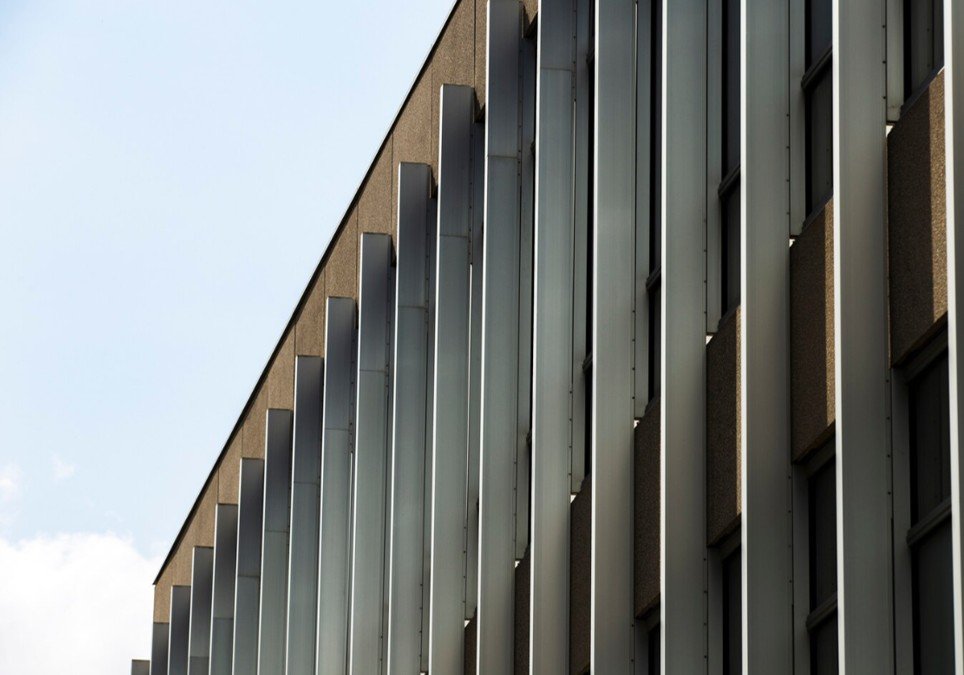
Why Choose Stainless Steel Facade Cladding?

Corrosion Resistance for Exterior Applications

The construction of building facades is always subject to water, humidity, temperatures, and air pollution. The material which will withstand the corrosion process is known as stainless steel due to the chromium enriched passive surface layer.

There are varying degrees of corrosion resistance in relation to the grades. Grade 304 is usually the preferred material when it comes to regular building projects while grade 316 should be selected when it comes to chloride exposure like in the coastal regions.

Selection of the material will always be determined by the prevailing conditions.

Modern Appearance and Design Flexibility

The metallic look of stainless steel goes well with modern architecture. The material can be treated in a variety of ways including brushing, polishing, sand blasting, embossing, and patterning.

Coloring of the façade with colored finishes gives more options for designing.

This feature makes stainless steel flexible for use both as cladding and exterior decorative element.

Flexible Fabrication Possibilities

Stainless steel can be processed to suit different shapes and sizes from architectural designs.

Flat panels, folding pieces, curved surfaces, and decorative metal panels can all be created according to project needs by metal manufacturers.

Such capability offers opportunities to designers to develop unique designs of facades without any need to use conventional panel shapes.

Popular Metal Facade Panel Types and Finishes

The selection of an appropriate shape and panel finishing is crucial for creating the desired effect in architecture. Various finishes affect also the cleaning and maintenance processes.

Brushed Stainless Steel Panels

Brushed stainless steel is characterized by directional surface texture that creates metal-like effect. Brushed finish stainless steel is a great choice for commercial and office buildings and for architectural highlights.

The direction and regularity of brushing is something to be taken into account during production, especially in case of panels to be mounted close to each other.

Mirror Stainless Steel Panels

Mirror stainless steel finish provides reflective surface that is able to interact with other building surfaces and natural light.

Mirror stainless steel is usually used for architectural highlights and entrances. But fingerprints, scratches, and cleaning processes should be considered while using large reflective surfaces.

Sandblasted and Textured Panels

Sandblasted stainless steel offers a somewhat consistent matting effect, whereas the embossing and patterning adds some further texture.

These effects allow designers to achieve contrast between different facade sections. Patterned designs could also be made in accordance with the architectural drawings, thus becoming an integral part of the exterior identity of a building.

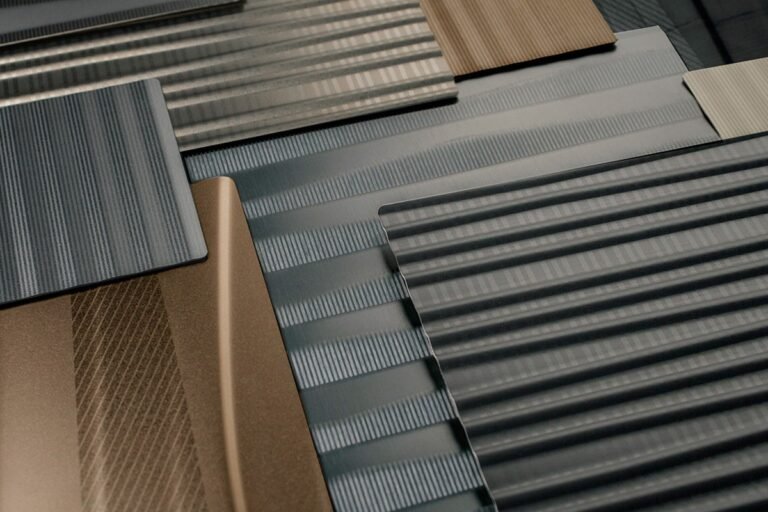
Colored and PVD-Coated Finishes

Colored stainless steel provides extra flexibility for commercial and hospitality buildings.

A variety of finishes including gold, bronze and black can be achieved using PVD coatings based on the specific processes used and substrate.

For any outdoor application, buyers should examine the physical samples and ensure that the chosen finish is appropriate for the given environment.
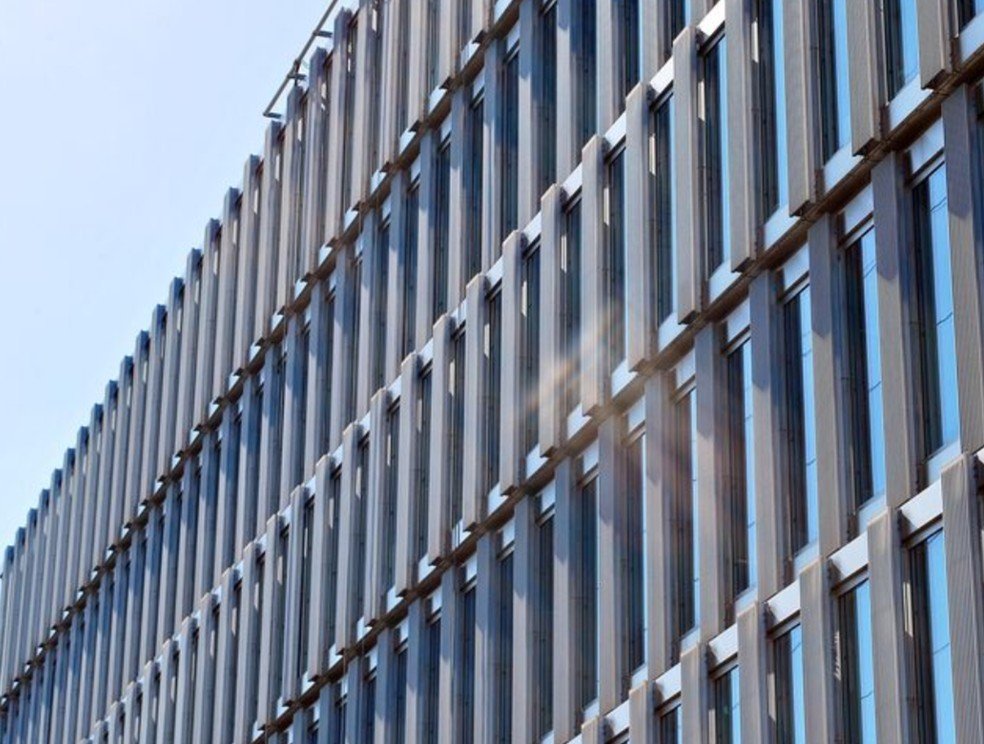
How to Select the Right Stainless Steel Facade Material

The choice of materials influences the appearance and performance of the cladding system as well as its cost. Thus, it is important for architects and builders to consider multiple aspects before making a final decision.

Consider the Stainless Steel Grade

Typical stainless steel grades used in architectural applications include 304 and 316. 304 grade is typically used for general architecture decoration, whereas 316 is better when dealing with corrosion resistant in relation to chloride.

When buying, customers should ask for grades and obtain proper documentation to make sure the materials correspond to project requirements.

Confirm Panel Thickness and Dimensions

Panel thickness depends on panel size, supporting construction, wind forces, installation method, and engineering considerations.

In case of large panels, they need additional reinforcement or proper backing construction.

Architects should check exact dimensions for custom-made metal facade panels, since cutting, bending and folding can change the dimensions of components.

Evaluate Surface Quality

It is especially important when dealing with a facade where there are several interconnected panels.

Any variations in color, texture, reflection or direction of grain become obvious after installation.

Before mass production, contractors should examine samples and determine proper appearance standards with manufacturer.

Design and Installation Considerations for Metal Facade Panels

No matter how good the stainless steel is, no facade project can succeed without proper engineering and installation planning.

Choose a Suitable Supporting Structure

Metal facade panels are usually used as part of the exterior cladding system and not the main structure of the building.

The design of the supporting system must take into account the sizes of panels, building conditions, loads and requirements of the project engineering.

This system may use metal frames, brackets or any mechanical fixation systems depending on the design.

Architects and construction companies must coordinate panel joints with the supporting system before the process of manufacturing.

Consider Thermal Movement and Drainage

Metal panels in the exterior are subject to temperature change and this may result in dimensional changes.

Therefore, joint spacing and fixation system must take into account the possible thermal expansion.

Also, drainage and water management must be considered as appropriate detailing will help avoid the accumulation of water behind the panels.

Review Panel Joints and Installation Details

Panel joint design is important for aesthetic and functional reasons. Regular panel gaps lead to a better architectural design, while improper dimensions will lead to mismatched connections and even require extra effort for installation.

For stainless steel facade cladding projects, contractors should examine corner conditions, folded edges, panel junctions, and connections prior to manufacture.
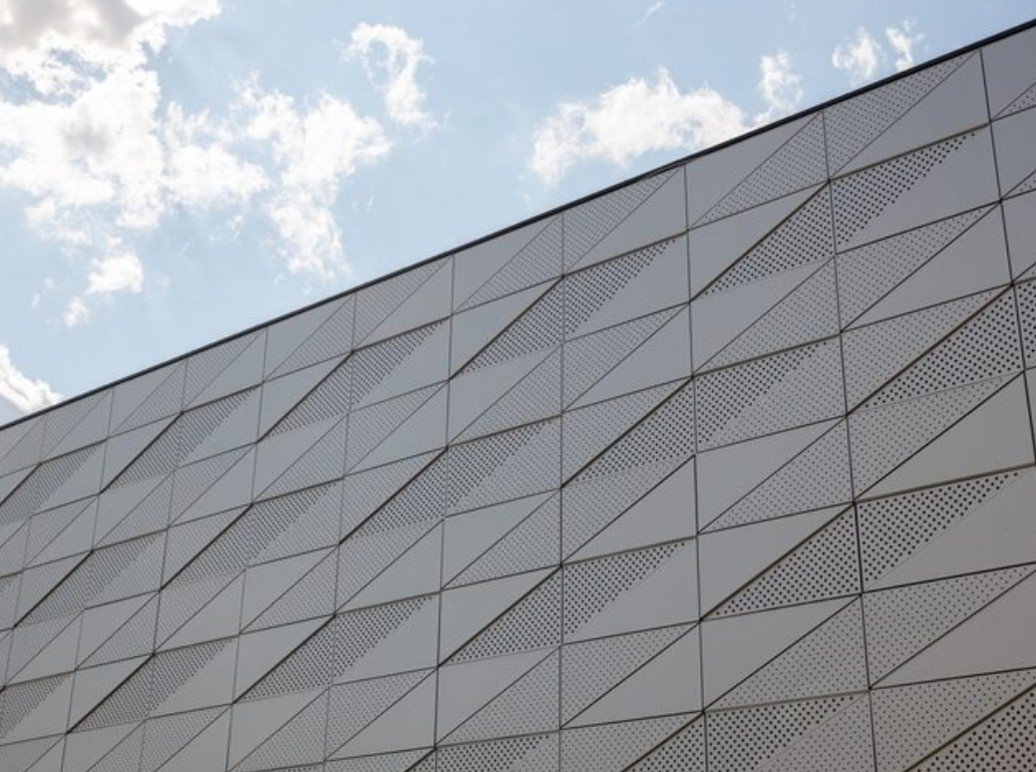
Custom Fabrication and Quality Control

Customized facades are often more complicated to process compared to metal sheet application processes. Having an experienced manufacturer makes it easier to transform architectural ideas into real parts.

Precision Cutting and Metal Forming

The fabrication of stainless steel facade parts may need laser cutting, bending, folding, welding, and polishing.

All these stages must be done according to approved drawing dimensions. When working on specially shaped or curved parts, it is necessary to consider material forming properties before deciding on the manufacturing process.

Our company's applications include custom metal fabrication and metal molding for architectural designs of various forms.

Surface Treatment and Pattern Consistency

It would be wise to consider the surface treatment during the design phase and not after fabrication.

The visual effect depends on whether the treatment is brushed, mirrored, textured, or colored. The chosen treatment should meet the needs of the desired application and subsequent fabrication.

Sample approval and consistency check of batches of metal facade systems is especially vital in large quantities.

Drawing Review and Sample Approval

Before mass production, project teams must check the shop drawings for confirmation of panel dimensions, materials, surface finish, and interfaces of installation.

Samples will help confirm the color, texture, and visual appearance. Also, an approval process will prevent any misunderstanding among architects, contractors, and manufacturers.

Why Work with JYF Metal for Custom Facade Solutions?

Choosing the right metal fabrication partner is essential for architectural projects. It is essential for buyers to choose the manufacturer who has understood the design needs and can offer solutions for their different decorative purposes.

Customized Design and Manufacturing

Each building has unique facade dimensions, architectural styles, and material requirements.

JYF Metal offers customized solutions for architectural metal including shapes, sizes, patterns, surface treatment, and metal forming.

Multiple Surface Finishing Options

The JYF Metal applications for decorative metal include finishes such as brushed, mirror, water ripples, sandblast, vibrations, embossing, and etching finishes.

This provides opportunities for architects and designers to experiment with various looks during their concept planning for exterior decorations.

Solutions for Architectural Projects

There are many architectural metal systems applications which are usually coordinated with architectural products such as decorative screens, columns, wall panels, and interior metal components.

Applications available at JYF Metal include decorative metal systems, custom metal, and construction metal curtain wall systems.

Drawings, material requirements, sizes, and quantity estimates can all be provided by buyers in order to develop reasonable fabrication requirements.

FAQ

Is stainless steel suitable for exterior facade cladding?

Yes. Stainless steel is used for exterior architectural cladding because of its corrosion-resistant and decorative properties. The right stainless steel grades and finishing should be determined based on the building's environment and location.

What is the difference between stainless steel and aluminum facade panels?

Both stainless steel and aluminum differ in terms of weight, strength and manufacturing process. The former material features metallic look whereas the latter is lighter. The choice will depend on structural considerations and design options.

Which stainless steel grade should be used for facade panels?

Grades 304 can be considered for general application, while Grade 316 may be used for environments with high chloride content. The specific grade will depend on the real situation.

Are metal facade panels available in different colors and patterns?

Yes. Stainless steel facade panels can be made using brushed, mirror, sandblasted, embossed, etched and colored finishes. Shapes, sizes and patterns can also be designed according to approved drawings.

What points should be checked before facade cladding installation?

The contractors should check panel size, materials, structure, fixation technique, joints, drainage system and surface protection. The installation shall be carried out according to approved engineering drawings.

Is JYF Metal capable of manufacturing customized stainless steel facade panels?

JYF Metal manufactures customized architectural metal products. Purchasers may consult regarding the plans, measurements, material preferences, and surface treatments to find a relevant solution.

Conclusion

Stainless steel is a versatile material for modern building facade due to its corrosion resistance and metallic finish with many types of surface treatment. Nonetheless, the successful implementation of projects depends not only on the material used but also on the material selection, accurate manufacturing process, supporting structure, joints design, and coordination during installation.

For entrance areas with distinctive design concepts, choosing the right manufacturing partner is essential to achieving the desired result. JYF METAL works with different architectural metal applications, offering flexibility in material selection, decorative finishes, customized patterns, and formed metal components.