Premium Stainless Steel Finishes for Hotel Projects
Table of Contents
Material selection in hotel design today is not only about “going with the flow” but also a clear decision that affects guest perception, identity with the brand, and the long run of efficiency. Stainless steel can be and has been considered as an archetype of durability and industrial application but has transformed into an important architectural element signifying luxury, modernization, and fine detailing.
From hefty feature walls at lobbies to subtle accents in guest rooms, premium stainless-steel solutions allow the impact of an aesthetic proposition to be weighed against practical performance. Thoughtfully, stainless steel will enhance the visual appeal of interiors while adding to the perception of quality throughout the hospitality experience: it creates spaces that are felt organized, harmonious, and long-lasting.
Why Stainless Steel Has Become a Preferred Material for Hotel Projects
In hospitality, an interior design successfully attracts the likelihood of gaining popularity not because guests like it alone by viewing but because of how it influences their experience within the space.
A guest may not know that a hotel incorporates a specific material into its design, but he perceives with great instinct an environment that feels organized, intuitive, and visually harmonious. One element that will fit into this experience is the integrated stainless steel components because they direct movement, reflect light, and reinforce architectural order.
For instance, reflective surfaces make the corridor feel brighter and wider besides, featuring texture panels, which add subtle on-rhythm and depth to give the narrative to space.
The coordinating stainless steel finishes across public and private regions can yield a harmony that enhances comfort and promotes good psyches. Not least is the effect of durability and aesthetic uniqueness, which allows hotels to offer highly polished and unforgettably memorable experiences that reach beyond the stay of guests.
Water Ripple Stainless Steel - Creating Visual Flow and Depth
Textured materials are gaining significance in hotel interiors as designers look towards depth and visual interest without overpowering the overall design. Chief among these is the water ripple stainless steel, which, with its wavy surface, plays with light and generates a sense of movement and vitality impossible for flat materials. Therefore, this finish can turn inactive walls, furniture or architectural elements into dynamic, visual, engaging surfaces that improve the guests’ experience within the space.
Lobby Feature Walls and Reception Backdrops - Installation Method
For water ripple stainless steel feature walls at hotel lobbies, dry-hanging is adopted. First, prepare a flat and firm base, pre-embed a galvanized steel frame if needed. Then survey and mark positions, cut and edge-polish plates with 5-8mm expansion joints. Fix plates to the frame with stainless steel hangers (≥4 points per plate), and seal joints with neutral silicone sealant finally.
Background Walls in Public Lounges
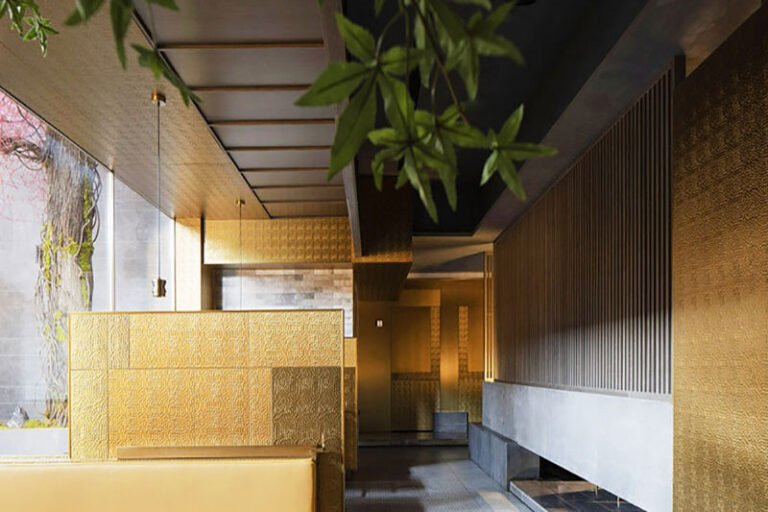
In computers or waiting rooms for lounges, water ripple panels act as backdrop surfaces, which enhance the environment in a subtly raised way. Texture does not dominate; rather, it enriches the visual composition while complimenting elements like seating arrangements, lighting, and decorative details. Such a spatially dynamic surface would convert these semi-private spaces into luxurious and comfortable experiences with a homely atmosphere that yields ways of escaping, conversing, and engaging without overwhelming in the overall concept of design.
Decorative Furniture and Built-In Elements
Applications of stainless steel water wave panels are not just limited to walls but would also include a whole host of applications such as in products like furniture panels, countertops, or built-ins of cabinetry. This gives hotels an opportunity to express a consistent design narrative on various scales across the larger architectural elements and smaller-scale, functional components. The finish would usually define a dimension of sophistication in signaling attention through details, elevating the value quality of furniture—especially important to high-end or boutique hotel settings.
Transitional Spaces and Corridors
Water ripple stainless steel cladding brings forth interest in monotony in corridors while directing visibility for circulation. When used carefully, it adds interest to these linear spaces while maintaining continuity with adjacent zones. This way, every area within the hotels, no matter how functional, meshes into the overall design story and offers subdued moments of engagement for guests as they move through the property.
Custom Stainless Steel Screens - Balancing Openness and Privacy
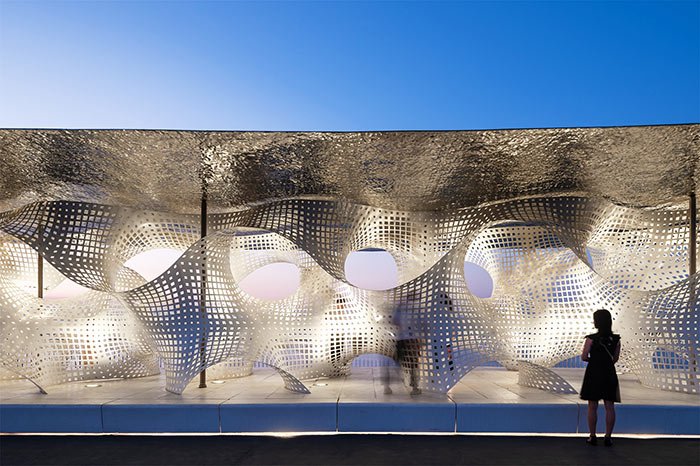
Typically, the theme for the new hotels is to ensure an open layout. This is to aid social interaction by offering a spacious or widened feeling. However, it has been noted that zoning must occur to promote comfort, privacy, and functionality. With the installation of custom stainless steel screens, designers are offered flexible ways for defining spaces while having light, transparency, and visual flow.
Lobby Zoning and Circulation Guidance
Stainless steel room dividers often provide the necessary subtle guidance to enable circulation among guests in modern hotels with spacious, open-plan lobby facilities. Entrance, reception, seating, and transition areas are distinguished without heavy visual barriers, fortuitously directing guest traffic through the lobby. Guests should be able to orient themselves immediately as to the function of that space. In addition to serving their functional roles, screens also contribute to a structured organization and coherent visual atmosphere, while enhancing volume and sophistication at the same time. They reflect the natural and artificial light with their surfaces and pattern textures, adding depth and dynamism to create an appropriate but captivating ambiances in the lobby.
Lounge and Restaurant Area Separation
Metal partitions within lounges, restaurant, or bar areas provide an elegant way to create semi-private areas that balance intimacy with openness. Guests have a sense of intimacy and closeness but can still feel an ambiance from the environment surrounding them. This creates space for guests that can fit all media social situations from quiet conversations to informal get-togethers without disturbing the overall harmony of space. Moreover, these stainless partitions can be tailored with customized patterns or textures to fit the hotel’s interior style, further reinforcing the hotel’s aesthetic identity and heightening the sophistication of careful design in these critical hospitality areas.
Outdoor Terraces and Semi-Open Areas
Screens of stainless steel provide functional separation to terraces, balconies, and garden areas and are visually lightweight and airy and able to withstand all outdoor conditions: wind, sun, and moisture, ensuring a long life without compromising beauty. These informational dividers create private spaces while functioning as subtle windbreaks, which still maintain direct lines of sight for guests to take full advantage of their views. By blending seamlessly into the surrounding landscaping or architectural elements, these screens provide safety, comfort, and harmony, alluded to in the overall outdoor-ambiance experience, reinforcing the design narrative of the hotel.
Decorative Architectural Statements
Custom stainless steel dividers by themselves can serve as expressive architectural statement pieces defining the design identity of such a hotel. Laser cutting patterns, sculptural forms, and layered metal compositions can turn a mere dividing wall into an extraordinary attention-getter. Such treatments will add richer layers of texture, light play, and depth to the public and semi-public spaces, making the interior ambience richer and the guest experience well remembered. The choice of patterns and finishes will reinforce the brand character of the hotel and feature a cohesive narrative where every screen serves not merely an organizational function spatially but also in terms of storytelling and richness in aesthetics within the environment.
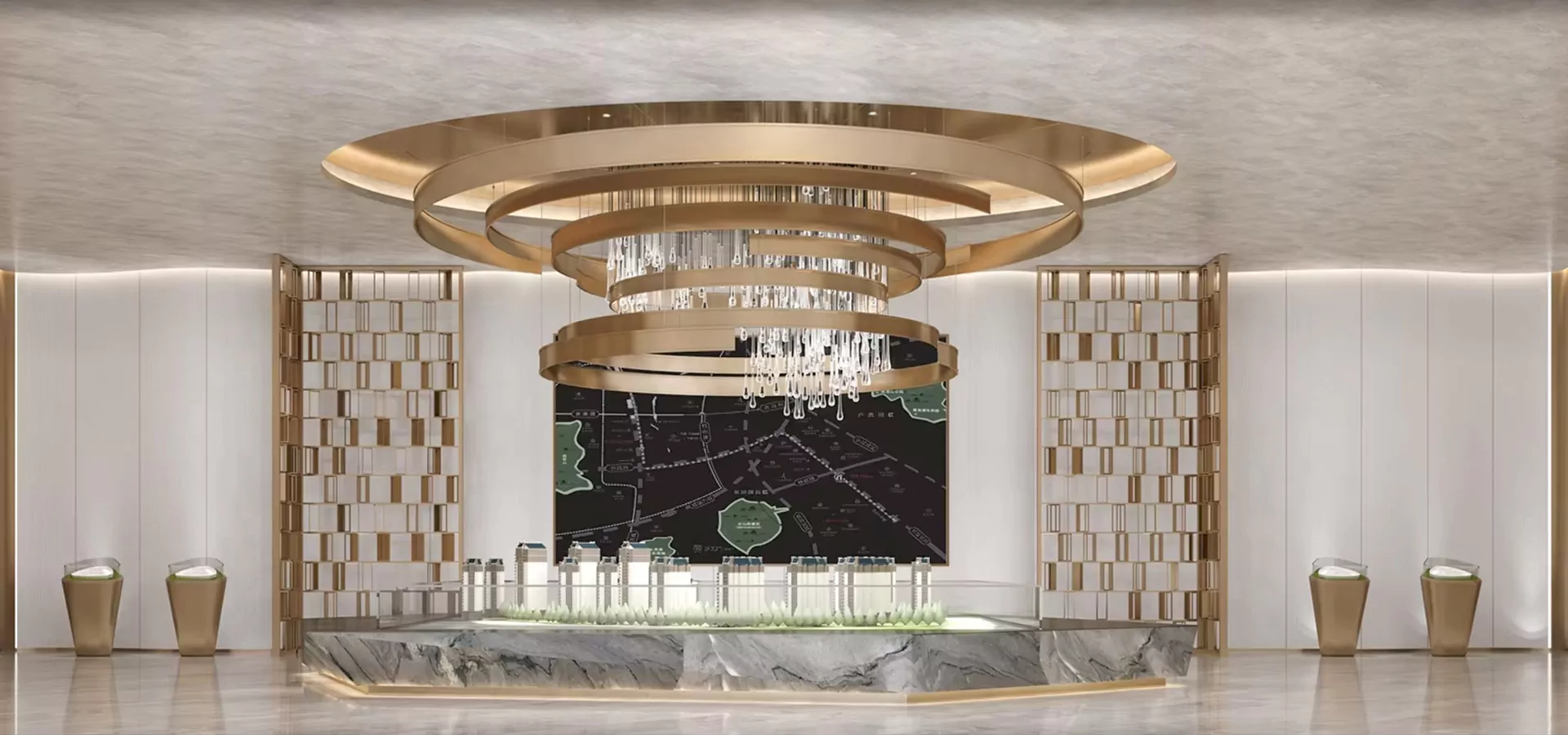
Stainless Steel Ceiling Applications - Expanding Design Possibilities Above
Ceilings are becoming increasingly important in terms of guest perceptions of space, brightness, and atmosphere. The reflective surfaces, texture, and monumentality brought into interiors by stainless steel ceiling panels have the effect of turning overhead areas from mere planes within which to make the most of functional requirements into an integral part of the design.
These panels may be fully suspended or integrated with lighting and HVAC systems according to the best aesthetics and practicality. With an ambient light amplification, visual rhythm creations, reflections, and perceptions are built to construct a condition of space in the public, lobbies, corridors, and other public areas.
Conclusion
Premium stainless steel finishes are a versatile and enduring choice for modern hotel projects, providing a balance of durability, aesthetic flexibility, and refined visual appeal. From dynamic water ripple panels to functional and decorative custom screens, precise trims, and reflective ceiling applications, stainless steel elevates the guest experience while supporting long-term operational needs. Choosing these high-quality stainless steel finishes ensures your hotel stands out with lasting elegance and professionalism. For more information and to explore product options, visit JYF METAL.