Metal Perforated Panels for Facade, Ceiling, and Partition Applications
Table of Contents
Modern architecture relies on metal perforated panels as vital materials which architects use to create exterior wall decorations and ceiling systems and interior room divisions in their commercial and residential designs. The metal sheets with perforations create a visually attractive design element that offers multiple practical advantages including ventilation and light distribution and sound control and partial shading.
Architects prefer aluminum perforated panels and stainless steel perforated panels as their main materials because these materials combine excellent durability with protection against corrosion and design flexibility. The different pattern options and finish choices and thickness selections of metal perforated panels enable architects and designers to design energy-efficient architectural spaces which create high-performance building environments.
Metal Perforated Panels in Exterior Wall Decoration
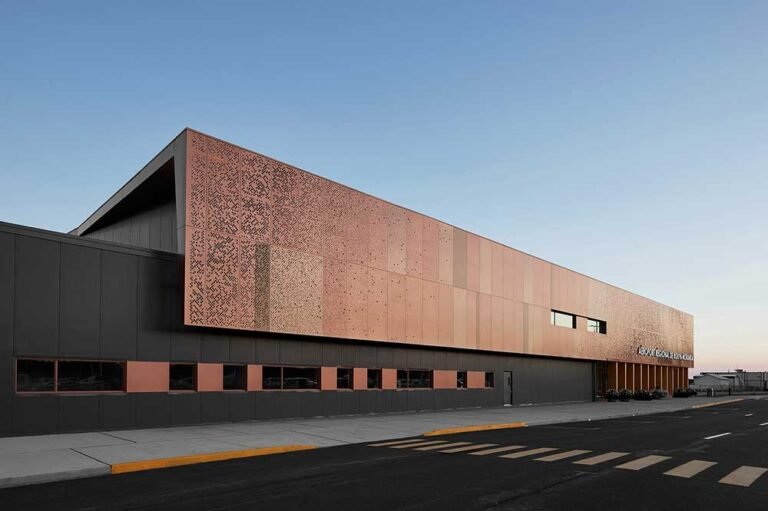
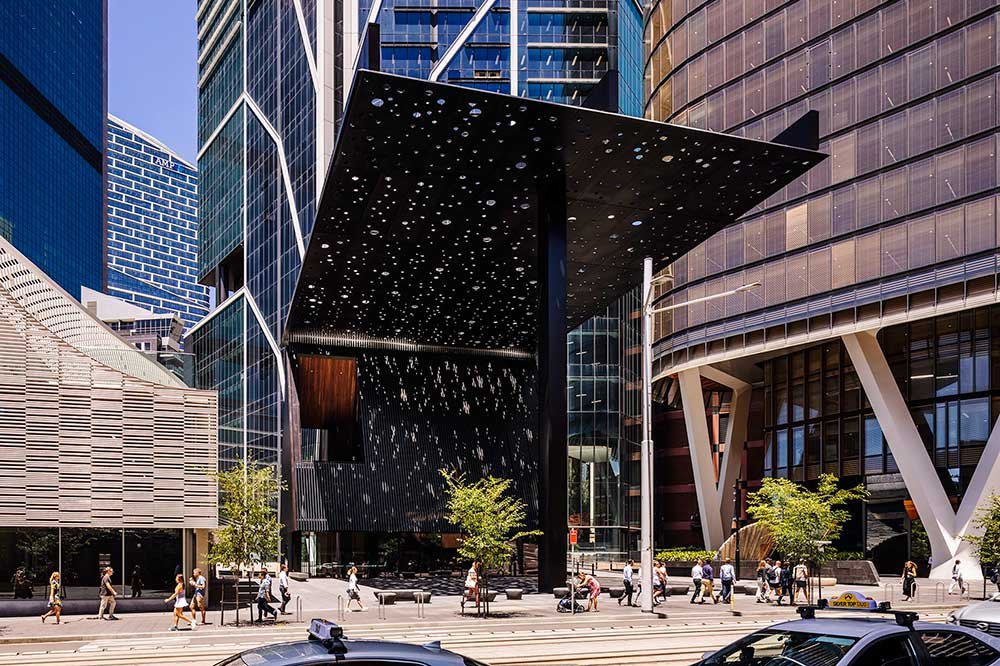
Metal perforated panels serve as decorative elements for building facades because they provide aesthetic value while maintaining structural integrity and environmental sustainability. The distinctive perforation patterns of these sheets serve to create a building’s identity while they actively enhance energy efficiency and airflow efficiency. The designers chose aluminum and stainless steel panels because these materials offer protection against damages while preserving a modern architectural style.
Architectural Aesthetics and Visual Impact
The perforated metal facade panels produce moving visual effects because they direct sunlight through their specially designed openings which create daytime changing shadows. The multiple color options of aluminum panels enable designers to create either striking or understated visual effects. The reflective surface of stainless steel sheets delivers architects an aesthetic advantage that elevates modern building design. The creative patterning employed by architects enables them to design facades that attract attention and serve their intended functional purpose which increases street visibility and building identification.
Energy Efficiency and Thermal Performance
Perforated metal sheets function as additional protective layers for facades which decrease solar heat gain while permitting fresh air circulation. The reflective properties of aluminum panels decrease indoor temperatures which results in less need for air conditioning. The stainless steel panels maintain their strength when exposed to severe weather situations. The use of these panels establishes a sustainable design framework that brings together energy-saving measures with environmental protection and creates comfortable indoor spaces.
Ventilation and Privacy Balance
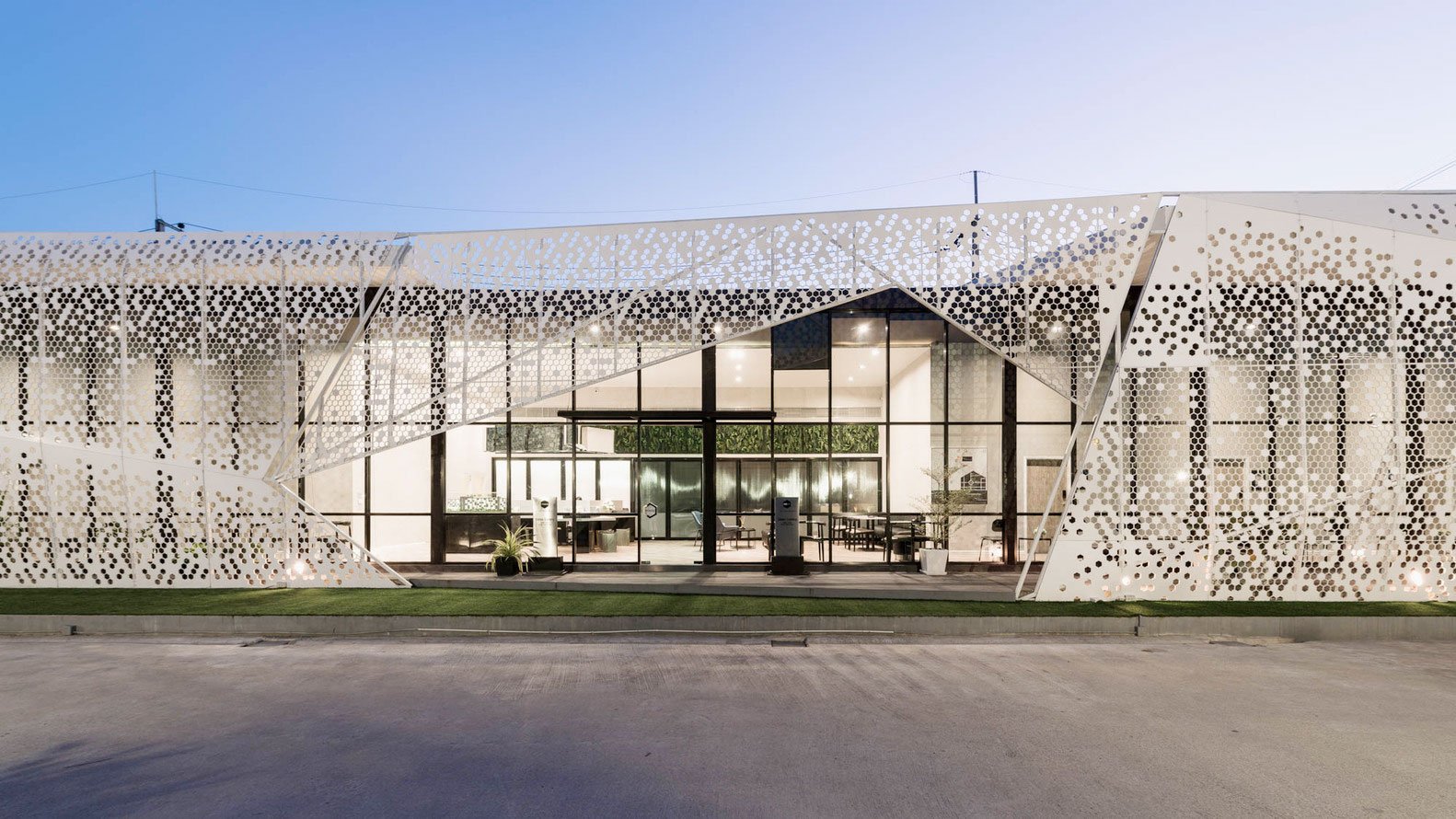
The design of decorative perforated metal panels permits natural air circulation to occur while visual boundaries separate outdoor spaces. The facilities are perfect for commercial buildings and parking garages and industrial locations that need simultaneous air circulation and privacy protection. The lightweight characteristics of aluminum panels enable quick setup which maintenance can be done with simple adjustments but stainless steel panels provide strong and enduring performance. The design of appropriate perforations enables spaces to remain comfortable while establishing security boundaries which result in successful ventilation and visual privacy protection.
Metal Perforated Panels in Ceiling Decoration
Perforated panels enhance interior ceilings by improving acoustics and adding visual appeal. The lightweight and modular design of aluminum sheets enables quick installation in offices schools hotels airports and public areas while stainless steel panels deliver long-lasting performance.
Acoustic Performance and Noise Reduction
The installation of perforated ceiling panels enables sound waves to pass through their openings which results in better sound quality because backing materials block other disruptive sounds. The technology creates office conference room and auditorium spaces which maintain low noise levels through its ability to reduce echo and reverberation. The two materials of aluminum panels and stainless steel sheets deliver designers both lightweight design options and enduring performance which maintains structural strength for their projects.
Integration with Lighting Design
Custom perforated panels work with lighting systems to diffuse illumination and reduce glare. The light passing through the openings creates soft comfortable lighting which maintains visual comfort. The multiple color options of aluminum sheets enable designers to create interior designs which complement their design while stainless steel panels deliver a polished metallic appearance. The combination of lighting elements in ceiling panels improves both the practical use of space and the visual attractiveness of public and commercial areas.
Lightweight Structure and Easy Installation
Lightweight but durable aluminum perforated panels simplify ceiling work because they require no special equipment for handling and installation. The modular design of the system allows for quick installation and simple maintenance and easy part replacement which leads to reduced construction time and lower labor expenses. Metal perforated panels maintain their strong structural integrity while providing long-lasting durability although their weight has been decreased. The combination of easy installation and design flexibility and high performance makes perforated metal ceiling systems the perfect choice for major commercial and public construction projects.
Metal Perforated Panels in Interior Partition Design
Interior spaces use laser cut perforated panels as partitioning elements to establish areas which serve practical needs while presenting creative design options. The system enables space division while maintaining complete visibility through illumination and visual pathways. The lightweight nature and modular design of aluminum sheets make them suitable for areas which need constant spatial changes. The special design of perforation patterns together with surface finishes permits designers to create partition systems which achieve visual harmony between aesthetics and practical use throughout the building design.
Flexible Space Division
Perforated panels create distinct areas of space while maintaining complete illumination and visual transparency. The system functions effectively in office spaces and dining establishments and product display areas and exhibition locations. The lightweight construction of aluminum panels enables easy movement between modular equipment which can be adapted to different configurations while stainless steel functions as the dependable material for areas needing structural support. The system provides modern interior spaces with three essential elements, which make spaces flexible, attractive, and useful.
Custom Patterns and Decorative Appeal
The system provides panel options which come in three different shapes, which include circular and square and geometric designs. Aluminum sheets can be coated in multiple colors, while stainless steel panels have a polished metallic finish. The design options give architects the power to create partitions which blend design elements with functional needs to achieve modern interior design standards.
Durability and Low Maintenance
The material meets the needs of severe working environments because stainless steel panels show excellent resistance to rust and their original structural strength remains intact throughout time. The lightweight nature of aluminum panels enables straightforward installation and basic maintenance procedures. The combination of both materials guarantees that partitions will stay useful and beautiful and endure through time, which makes them an economical choice for interior design work.
Aluminum vs Stainless Steel Metal Perforated Panels
The decision between aluminum panels and stainless steel panels requires evaluation of three core factors which include project requirements and environmental factors and budget constraints. The material establishes lightweight properties together with rust proof abilities, which make it suitable for use in decorative building elements, roof structures, and interior partitions. The material provides exterior users with long-lasting strength and durability, which comes with a polished surface finish that suits highly used spaces. Architects use their understanding of material differences to select building components which fulfill both aesthetic and functional design standards.
Advantages of Aluminum Perforated Panels
Aluminum panels are lightweight materials which designers can use for multiple applications because they come with powder coating and anodizing options in various colors. The system acts as a façade and ceiling solution which architects can use to bring their designs to life through its simple installation process. The construction industry shows a preference for aluminum sheets because they deliver both budget-friendly solutions and flexible usage options.
Strength and Durability of Stainless Steel Panels
The system offers stainless steel panels which provide outstanding strength together with working performance that lasts for extended periods while showing resistance to extreme operational environments. The system maintains its operational capabilities under extreme heat and moisture conditions while delivering a high-end metallic finish. The system uses stainless steel sheets, which serve as the optimal choice for public infrastructure projects applications, which need both durable performance and attractive appearance for exterior spaces and interior partitions and public areas.
Key Benefits of Metal Perforated Panels
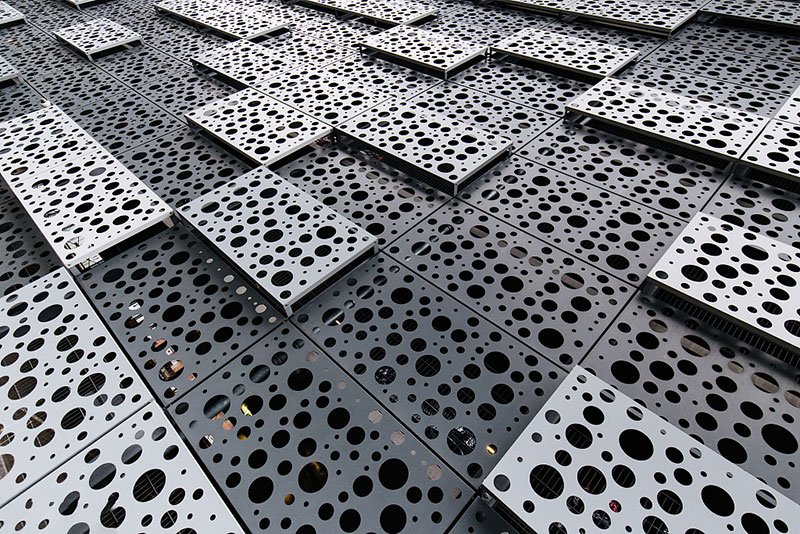
The main advantages of custom hole patterns for facade design become evident through their various applications. The lightweight aluminum sheets provide flexible usage, while stainless steel panels deliver architectural strength and permanent durability. The panels deliver energy savings, occupant comfort, and contemporary aesthetic value, which architects use to design their facades and ceilings and interior walls in modern buildings.
Ventilation and Airflow Performance
The open panel design allows air to flow freely which enhances comfort and operational efficiency in both indoor and outdoor spaces. The design of facades and ceilings and partitions allows for better airflow while maintaining their visual appearance.
Strength with Reduced Weight
The panels keep their original strength because their design includes perforations. Aluminum sheets deliver high strength and light weight through their combination while stainless steel maintains durability over time. The materials guarantee that products will perform safely and look good in all their different uses.
High Customization Capability
Perforated panels can be customized in hole size, pattern, thickness, and surface finish. Designers create distinctive results through their design work which combines practical elements with aesthetic design to match architectural style.
Multi-Functional Performance
The panels deliver multiple functions which include sound absorption capabilities and light diffusion functions and ventilation systems and artistic design elements. The architectural field uses them because they provide essential benefits and create appealing visual effects.
Conclusion
Metal perforated panels offer architects a versatile solution which they can use for facade decoration and ceiling systems and interior partitions because the panels deliver both durability and design flexibility and performance. High-quality custom architectural perforated panels will improve your project through better functionality and visual appeal—select the right solution to achieve better results.