
Exploring the Versatility of Bronze in Modern Architecture
Table of Contents
Bronze metal sheets have long been a material admired for their ability to combine strength, durability, and aesthetic appeal. In architecture, their applications are extensive, ranging from structural elements to decorative panels, providing both functional and aesthetic value.
Unlike many other metals that deteriorate over time, architectural bronze develops a natural patina that not only protects the surface but also adds unique character and charm. Whether used in modern skyscrapers or heritage restorations, bronze metal sheets offer a versatile solution that unites performance, elegance, and longevity for architects and designers.
For contemporary projects, finishes such as the bronze hairline finish enhance visual sophistication, while bronze metal cladding provides both protection and style for façades.
When evaluating materials, understanding which is harder, brass or bronze, highlights bronze’s superior hardness and durability, making it the preferred choice for long-lasting architectural applications.
This adaptability allows bronze to meet the varied demands of modern construction without losing its historical significance, ensuring it remains a timeless material for architects and designers alike.
Bronze Metal Sheets in Architectural Applications
Sheets of bronze metal have now become an integral feature in contemporary architectural works, combining strength, beauty, and durability in their makeup. This material is very widely used inside and outside buildings for functional and decorative purposes by designers. Their versatility is reflected in everything from extensive façades to detailed decorative elements, demonstrating a sustained level of quality regardless of the scale of a project.
Enhancing Building Facades
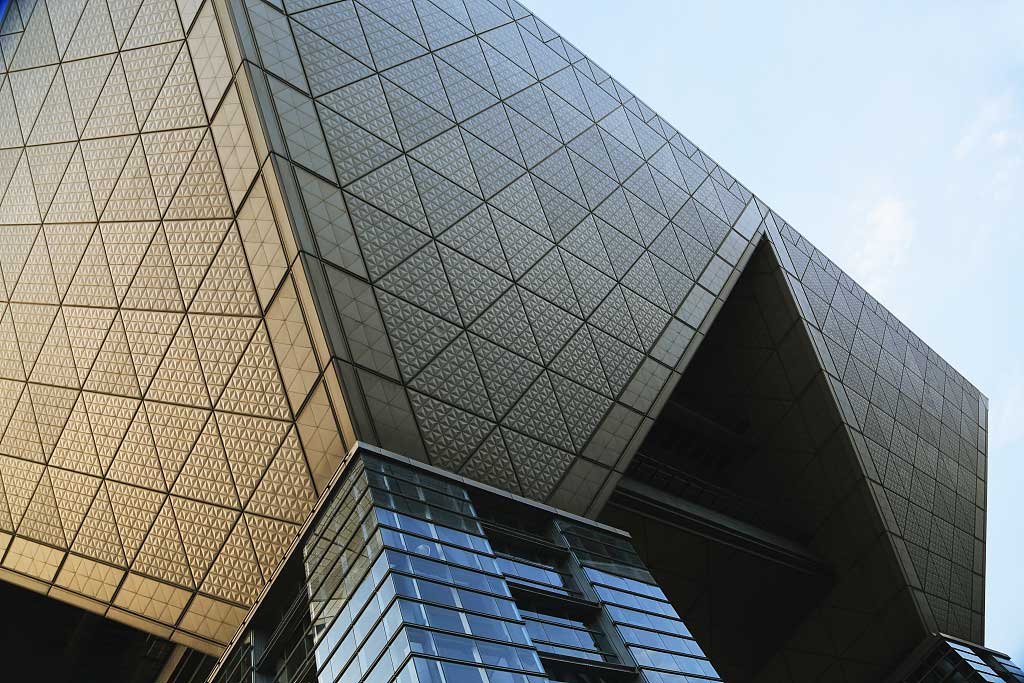
Bronze sheets bring a unique aesthetic to building exteriors, combining aesthetic elegance with the protection of structures. With time, this develops a rich patina from natural elements, adding depth, warmth, and character to façades. This natural aging process completely changes the outlook of a building, giving it a dynamic and timeless quality in the end. Architects also tend to choose bronze for urban projects and monuments where both visual appeal and durability are equally crucial. The resistance of the metal to corrosion and environmental wear ensures that façades stay beautiful for decades with the least maintenance.
Interior Design Versatility
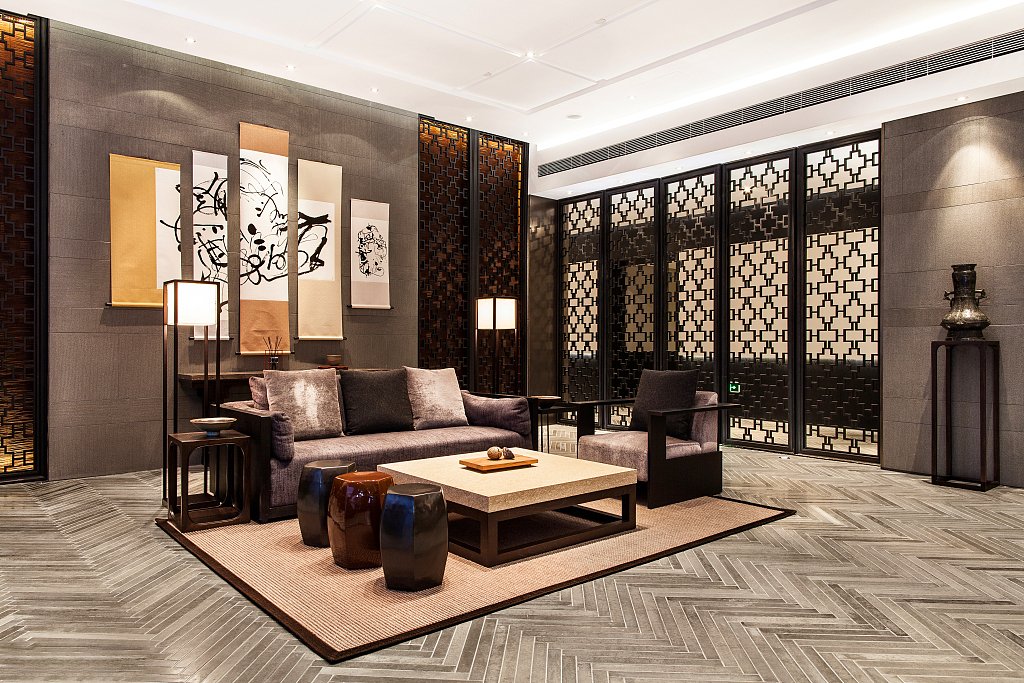
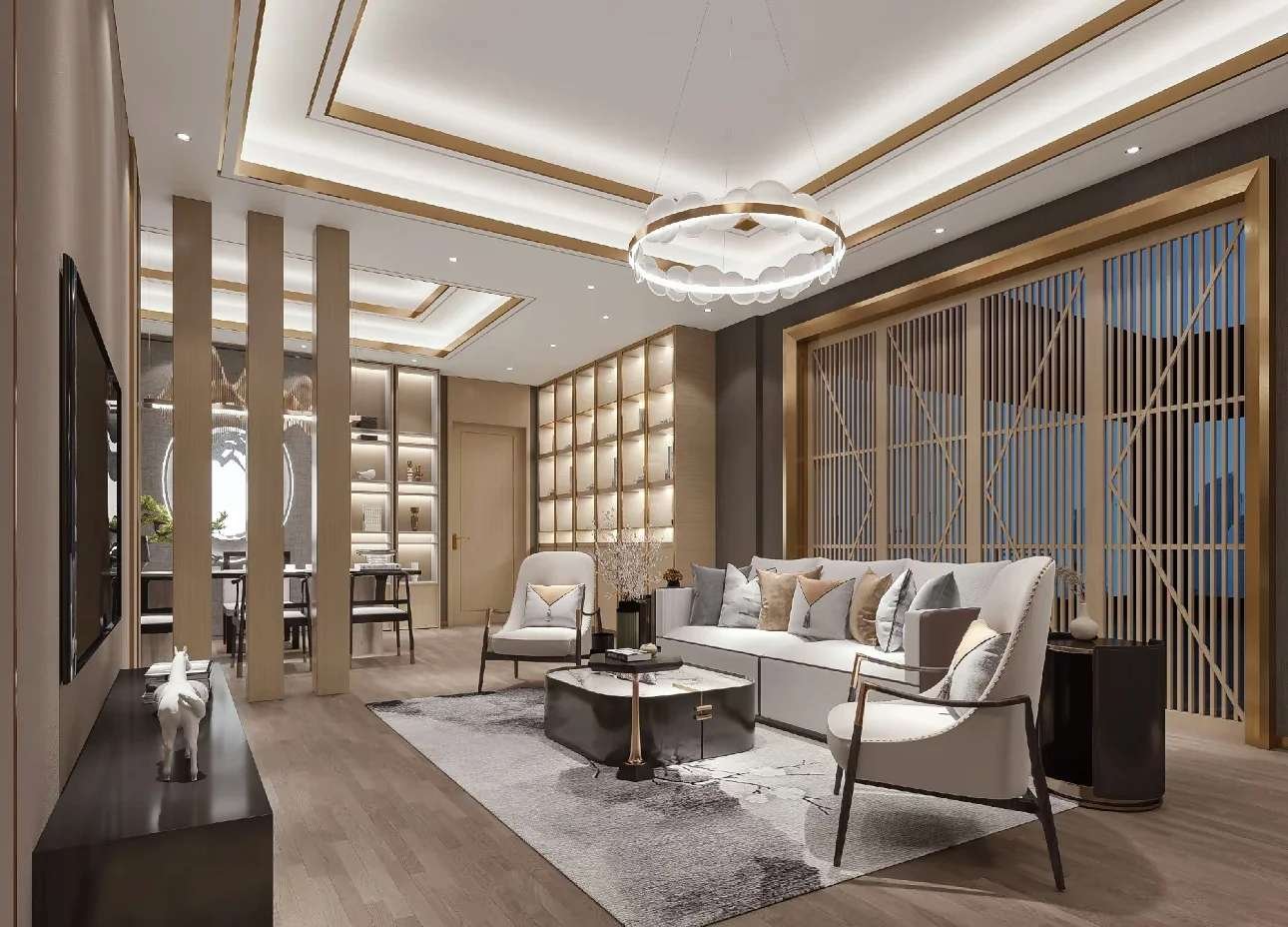
Within architectural spaces, bronze sheets add a level of sophistication in raising the ambiance of a place. They are mainly applied in reception areas, feature walls, ceilings, and elevator panels where reflective and textured surfaces emphasize spatial perception and lighting effects. Bronze maintains compatibility with other materials such as glass, wood, and stone by ensuring harmony in interior schemes. Its ease of application in almost any design style-from traditional to highly contemporary-makes it versatile for high-end commercial and residential projects that can strive toward both functional and visual perfection.
Structural and Decorative Combination
Bronze sheets have the remarkable dual function of providing structural support while serving as decorative elements. This can enable the architect to avoid the redundancy of materials by simplifying construction without sacrificing style or durability. Bronze, due to its tensile strength, is able to bear physical stress without losing its aesthetic integrity. Blending functionality with elegance, bronze sheets become cost-effective and practical for architectural applications since they can meet more than one design requirement simultaneously.
Architectural Bronze: Blending Strength and Beauty
Architectural bronze is equally known for striking the perfect balance between durability and an aesthetically pleasing look. It serves both structural and decorative purposes, making it a favorite material among designers looking to achieve longevity without sacrificing style.
Durability Against Environmental Stress
Among the salient features of architectural bronzes are resistance to corrosion, abrasion, and general wear. They are suitable for both exterior installations and high-traffic areas. Whereas most of the other metals quickly deteriorate, bronze develops a protective patina that keeps both the structural integrity and aesthetic appeal intact. This ensures that façades, sculptures, and fixtures maintain their form and charm over several decades, even in harsh climatic conditions.
Aesthetic Flexibility
Bronze offers a broad palette of surface appearances, from polished and brushed to matte and textured. Warm and golden brown in tone, it complements a great many classic, modern, and eclectic architectural styles. This flexibility allows designers to integrate bronze into a variety of design themes, creating visually compelling and harmonious spaces. This capability of the metal to reflect light softly enhances spatial perception and adds to the sense of luxury and sophistication.
Integration with Modern Design Trends
The architecture of modern times favors material that is durable yet highly adaptable. Architectural bronze supports creative design possibilities, as it can be perforated, textured, or patterned without losing any of its strength. Designers then use these properties to create one-of-a-kind façades, intricate reliefs, and geometric compositions that marry visual impact with structural reliability. Thus, the versatility of bronze easily makes it the ideal choice for innovative projects needing both function and aesthetic appeal.
Bronze Hairline Finish: A Modern Touch
Hairline finishes on bronze sheets are refined treatments that increase both beauty and practicality. The fine linear patterns diffuse light softly, creating a subtle texture that offers a contemporary, sophisticated appearance.
Enhanced Visual Appeal
Bronze hairline finishes create a sleek, understated elegance on interior and exterior surfaces. Subtle textures catch and diffuse the light in ways that enrich the visual experience without overpowering other design elements. That makes hairline bronze an ideal feature wall, door panel, or decorative surface choice in today’s commercial and residential projects.
Reduced Visibility of Imperfections
The hairline finish hides small scratches, fingerprints, and other surface defects. This will be very helpful in high-traffic areas, such as lobbies, elevators, and public areas, to keep the bronze panels polished and looking new for years. This durability of the finish further cuts down the frequency of maintenance, making it practical for long-term use.
Complementing Other Materials
A bronze sheet featuring hairline finishes works well with elements such as glass, wood, or natural stone. Designers make use of subtle texture to provide contrast and give prominence to other elements in a space. The combination furthers the depth of space and sophistication, making bronze capable of serving as a primary design element and a complementary material.
Modern Minimalism
Hairline bronze supports modern minimalist design by emphasizing clean lines and soft, subtle reflections. It allows architects to provide a refined aesthetic that is pleasing to the eye while retaining functional simplicity. Understated elegance assures spaces are modern, open, and inviting.
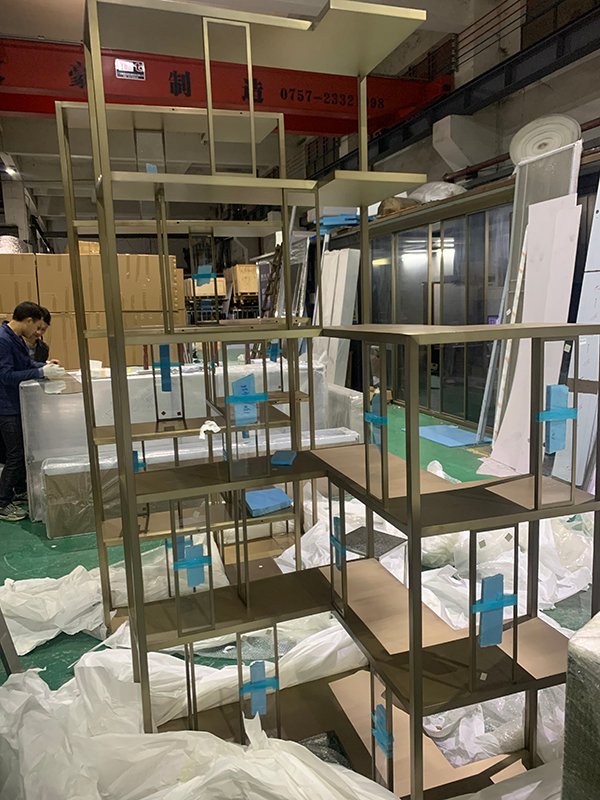
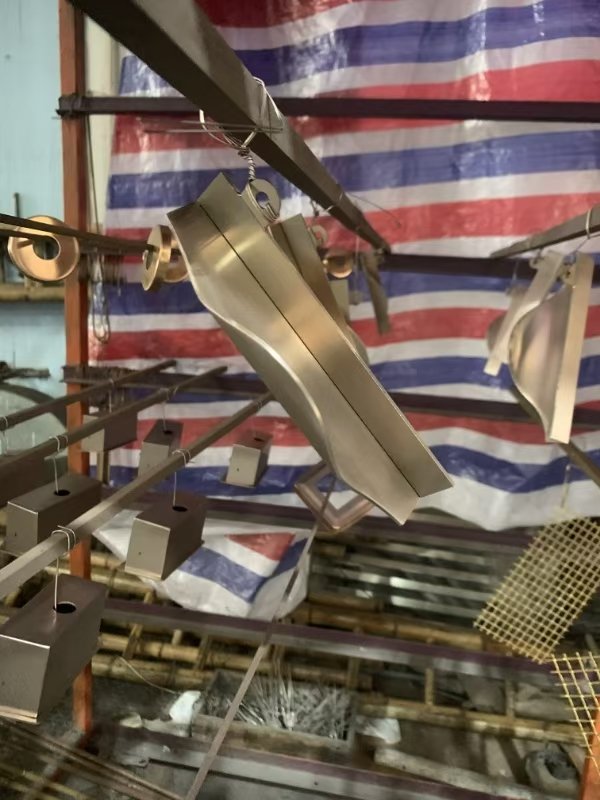
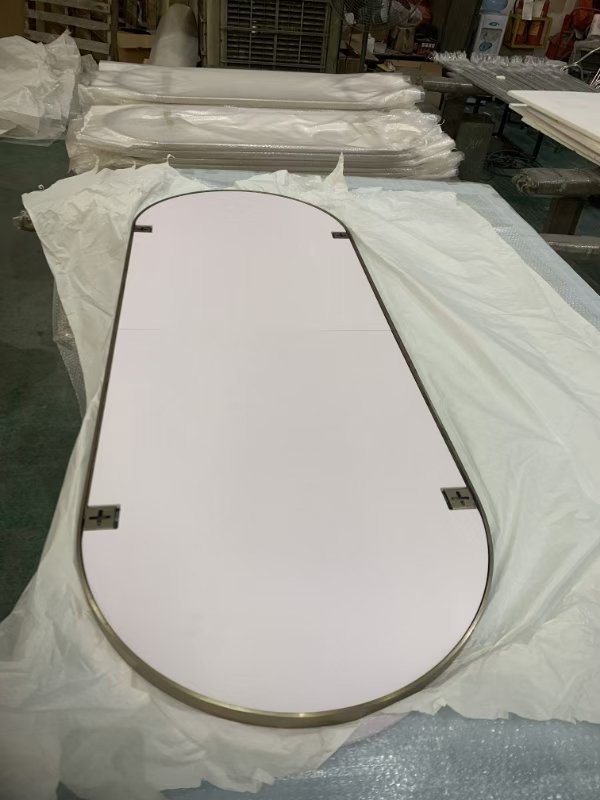
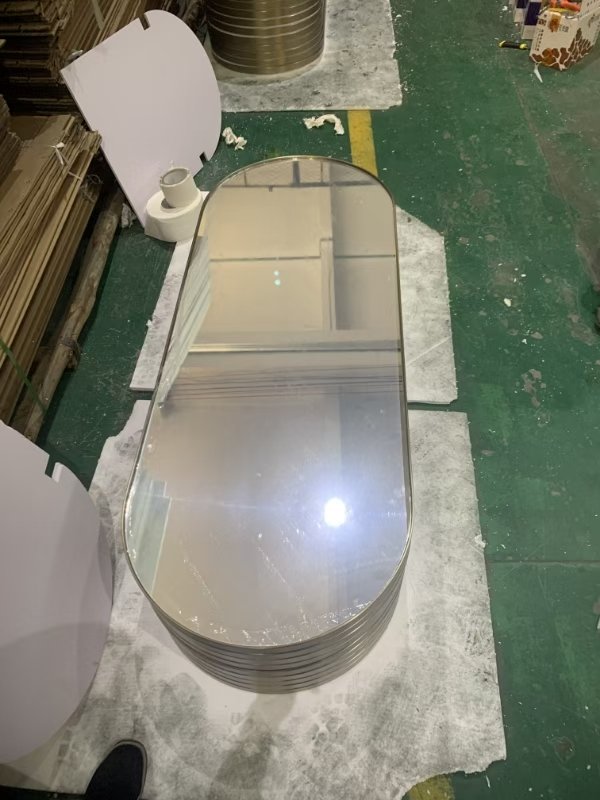
Which is Harder: Brass or Bronze?
For architectural applications, the selection of appropriate metals is very important so that long-lasting performances can be ensured. The comparison between brass and bronze mainly involves hardness, durability, and corrosion resistance, informing a designer’s choice in material selection.
Comparative Hardness
Bronze generally features greater hardness compared to most of the brass alloys, and hence is more resistant to wear, deformation, and impact. It therefore becomes an ideal material in architectural components which bear heavy usage, such as railings, door fittings, and cladding. This increased hardness ensures that bronze will retain its structural and aesthetic qualities over quite long periods, which makes it very reliable for both interior and exterior purposes.
Corrosion Resistance
While both brass and bronze resist corrosion, bronze fares very well in outdoor conditions. Its composition of copper and tin allows a protective patina to form, which protects the surface from environmental exposure. This natural layer of protection reduces the maintenance needs and improves sustainability of the service life and appearance of bronze components.
Application Suitability
The bright, golden color of brass makes it a popular choice for decorative fittings, but bronze is often specified in structural or external use, where strength and durability are important. Understanding the comparative properties enables the architect to select the correct material to meet functional and aesthetic requirements.
Bronze Metal Cladding: Durable and Decorative
Bronze cladding combines architectural protection with decorative elegance, making it a popular choice for both modern and classical projects. The versatility of bronze sheets allows designers to create façades and panels that are visually striking while safeguarding underlying structures. Its ability to balance practicality with aesthetic appeal makes it a preferred material in contemporary architecture, offering both long-term durability and timeless beauty.
Protection and Longevity
Bronze cladding provides robust protection for buildings against wind, rain, pollution, and everyday wear. Its inherent corrosion resistance ensures that surfaces maintain their integrity and appearance over time, reducing maintenance costs and extending the lifespan of structures. By combining protective properties with visual elegance, bronze cladding offers a practical solution for both high-traffic urban environments and more exposed architectural settings. Its strength and resilience make it a reliable choice for projects that demand longevity without compromising design.
Visual and Sustainable Appeal
Beyond protection, bronze cladding allows for a variety of creative surface treatments, such as patination, texturing, and custom patterns. These techniques enable architects to craft distinctive façades that express a building’s character while maintaining functional performance. Additionally, bronze is fully recyclable and highly sustainable, supporting environmentally responsible building practices. Its durability reduces the frequency of replacement, and its recyclability ensures efficient use of resources, making bronze cladding an elegant, long-lasting, and eco-friendly solution for modern architecture.
Conclusion
Bronze remains a highly versatile and enduring material in architecture, offering a perfect balance of strength, durability, and elegance. From metal sheets and architectural bronze applications to hairline finishes and cladding, it meets both functional and aesthetic needs. Its advantages over other metals, such as brass, make it especially suitable for long-lasting and visually striking projects.
By choosing these bronze metal sheets, you ensure durable, elegant, and versatile architectural applications while exploring the full range of products on the website JYF METAL .
You Might Also Like
Please Share This
Recent Posts
- Architectural Stainless Steel for Interior Design: Curved Structures and Bar Counters
- Custom Stainless Steel Solutions for Modern Architecture
- Stainless Steel Custom Fabrication for Commercial Projects
- Advantages of PVD Coating for Architectural Metal Finishes
- What Is Powder Coating Surface Treatment: Benefits and Applications for Architectural Metal Finishes