Decorative Stainless Steel Elements in Hospitality Architecture
Table of Contents
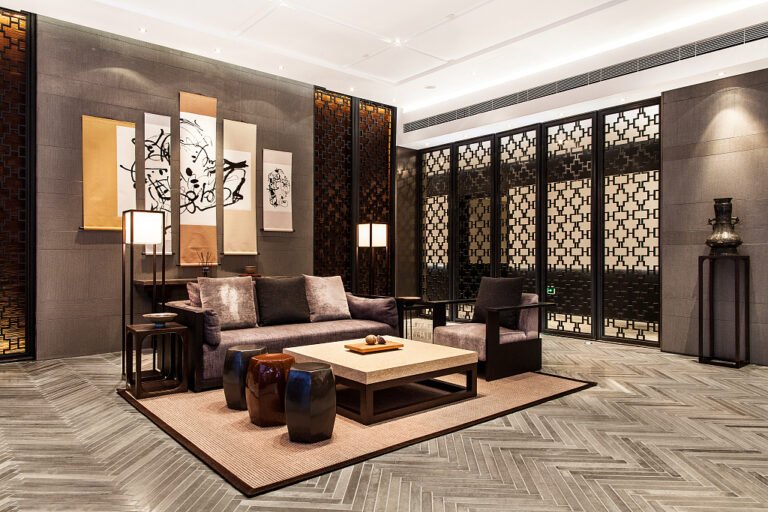
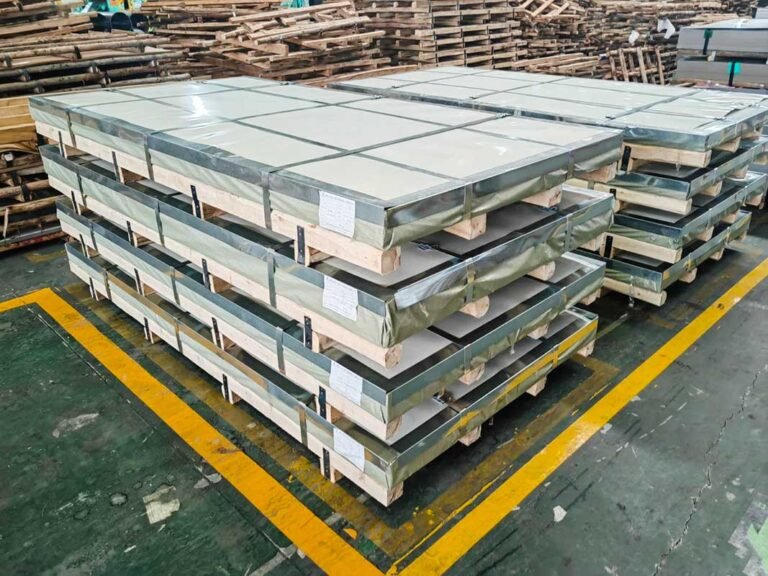
Stainless steel has become the most flexible material in modern hospitality design because it provides hotels with materials that combine strength together with aesthetic beauty and operational performance. Hotels can use stainless steel elements which include ceiling components and wall paneling and elevator systems and trim materials and baseboard elements to create hotel interiors which combine both luxurious design with functional requirements of high-traffic spaces.
Designers can use these decorative elements to create elegant designs which maintain solid structural strength while designers can create maintenance-free solutions which will last for many years. The blog post demonstrates how decorative stainless steel functions in hotel architectural design by showing how water-wave ceilings and decorative panels together with trims and baseboards function in hotel design and explaining the installation techniques which establish functional and attractive design attributes.
Stainless Steel Water-Wave Ceilings
Water-wave stainless steel ceilings define contemporary hotel design by introducing dynamic elements which showcase both reflective effects and spatial depth to hotel interior spaces. The ceilings create powerful visual effects which enhance lobby and banquet hall and corridor spaces because of their architectural design features. The proper installation of these ceilings enables them to maintain their aesthetic beauty while ensuring safety and durability for areas with heavy foot traffic.
Elegant Design and Versatility
Embossed water ripple ceilings come in three different panel sizes which enable designers to use the panels in both big spaces and small areas. The reflective patterns interact dynamically with natural light and artificial lighting, creating an environment that feels both luxurious and welcoming. The ceilings can easily coordinate with wood and stone and glass because they create a balanced visual design which enhances the complete interior style. Water-wave panels provide a dual usage option because they can function together with built-in LED strips which create soft illumination to highlight the flowing pattern while making the room more spacious.
Installation Techniques
The installation of water-wave stainless steel ceilings starts with securing the panels to stainless steel or aluminum subframes which provide both safety and uniformity for the mounting process. The system uses hidden fasteners together with clip systems to create a continuous visual design which enables simple panel maintenance when needed and provides surface protection. Subframes are designed to accommodate curved or irregular ceiling layouts, and additional considerations are made for integrating lighting fixtures, air vents, and other mechanical systems without disrupting the overall visual flow. The process of precise installation guarantees that the ceiling will stay stable through all usage periods while maintaining its complete aesthetic beauty for many years.
Durability and Maintenance
Water ripple stainless steel ceiling panels provide exceptional protection against corrosion and scratches together with wear which makes them suitable for spaces with high humidity conditions and regular cleaning requirements. Standard cleaning solutions provide an easy way to maintain these surfaces because they keep the surface polished and reflective. The ceilings achieve two keys design objectives because they offer visual attractiveness together with extended durability which hotel designers use to create spaces which are both effective and visually striking. The reflective characteristic of material helps spaces to need less artificial lighting, which leads to better energy efficiency in large public areas.

Stainless Steel Decorative Panels for Walls and Elevators
Hotels use decorative stainless steel panels throughout their interior design because these panels serve as both decorative elements and necessary operational components. The panels provide an unbroken premium surface from elevator interiors to wall cladding which helps to create a consistent brand image for the hotel. The choice of finishes together with installation methods determines whether a design will achieve flawless elegance while simultaneously fulfilling essential structural requirements and safety regulations.
Versatile Applications
Stainless steel panels can function as essential design components because they serve multiple purposes in both wall design elements and interior elevator decoration. Designers can choose from multiple panel finishes which include mirror and brushed and water-wave and perforated and textured surfaces to create either matching or opposing designs based on their design requirements. The panels make it possible to improve lighting effects because they reflect both ambient and direct light which creates brighter living spaces and makes hotel lobbies and corridors more impressive.
Installation Considerations
The selection of installation methods for stainless steel cladding depends on the surface material and the desired visual effect. The application process of panels creates a seamless appearance because hidden clips and strong adhesives and screw systems maintain continuous visual flow throughout the installation. Elevator panels require exact measurements because they need to establish door pathways while also ensuring safety and structural integrity and maintaining proper alignment. Custom fabrication creates panels which perfectly match irregular wall sections because they produce seamless installations without leaving any gaps or misalignments.
Functional Advantages
Decorative stainless steel panels serve two functions because they create attractive designs while their complete scratch resistance and easy cleaning requirement and hygienic surfaces make them essential for hospitality spaces. The product maintains its original appearance because it handles repeated usage and standard cleaning procedures. Some panels provide sound absorption properties which help decrease noise levels in busy lobby and corridor areas to create a calm atmosphere for guests.
Aesthetic Flexibility
Designers can demonstrate their design capabilities by using different panel finishes and textures in a single space to create visual depth, by combining brushed panels with their perforated insets and using mirrored borders to showcase water-wave panels. The design flexibility of hotels enables them to create special interior spaces which make a permanent memory for their visitors. The creative combinations of these elements create visual divisions, which control the movement of visitors through different hotel areas without using physical barriers.
Decorative Stainless Steel Trims
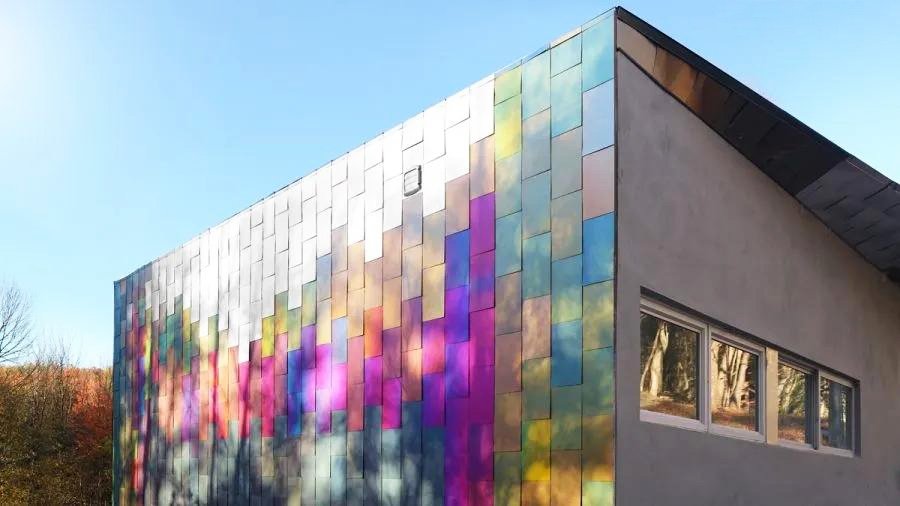
The decorative stainless steel trims and lines serve as essential finishing components which improve interior spaces while delivering functional advantages. The materials are utilized throughout different spaces, including ceilings and walls and furniture edges and staircases and flooring junctions, to achieve a unified appearance which extends continuously across all surfaces.
Profiles and Customization
Trims come in different profiles which include R, L, T, U, Q, and solid T. The trims use premium stainless steel grades which include 201, 304, and 316. The trims function as design instruments which permit designers to create aesthetic links between all design aspects, from straight lines to complex architectural features. The elements provide an upscale appearance which enhances the structural edges and decorative surfaces of hotels, thereby elevating their overall quality perception.
Installation Techniques
The installation process for stainless steel edging trim uses either adhesives or screws or hidden clip systems according to the design specifications and surface conditions. The installation process requires pre-bent or custom-fabricated trims to achieve accurate fitting on curved or irregular surfaces. The installation process requires precise techniques to connect trims with panels and ceilings and furniture elements, so the design remains seamless without any gaps or visible faults.
Functional Benefits
The trims deliver essential protection, which prevents edge wear and impact damage and scratch marks, especially in hotel spaces with heavy foot traffic, including corridors and lobbies and elevator entrances. The material preserves wall and surface strength while protecting against repeated use, which decreases maintenance requirements. It helps guide people along floors and stairs to avoid accidents which could cause damage or injuries.
Design Versatility
Designers can combine different trims with various stainless steel finishes and glass or wood elements to create architectural features which enhance building design elements. Trims function as basic decorative materials, which enable surface protection while emphasizing key design elements. The selection process, which involves choosing specific trims, serves to connect different materials together, thereby increasing the overall interior design harmony and elegant appearance.
Stainless Steel Baseboards
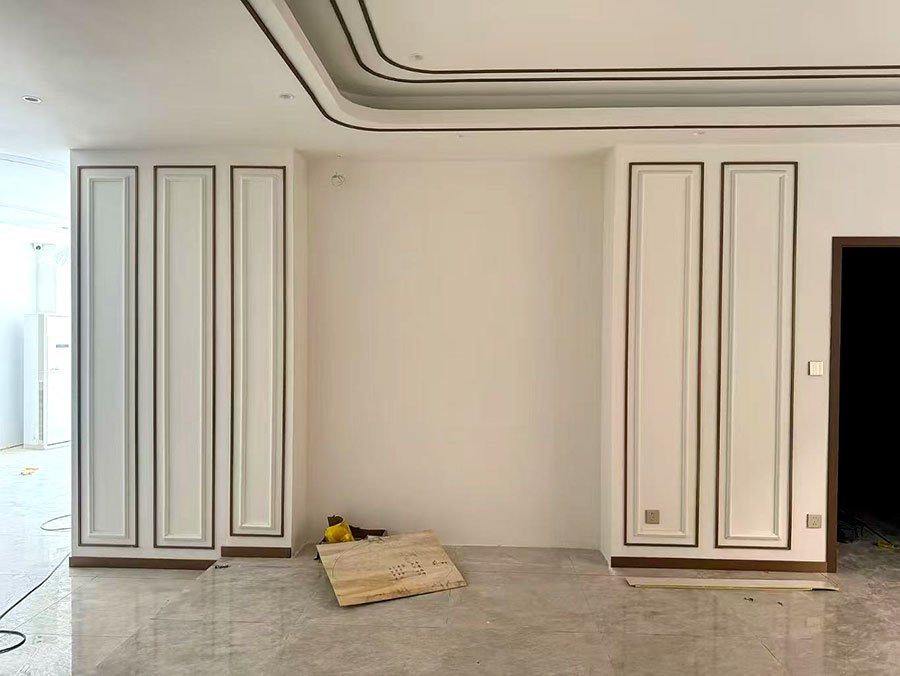
Baseboards and kick plates provide essential protective functions, which safeguard walls while creating a complete decorative appearance that extends through hotel spaces. The components made from stainless steel materials offer a practical solution which delivers extended durability for high-traffic areas while maintaining aesthetic harmony with other decorative items.
Protection and Durability
The stainless steel skirting boards and kick plates provide wall protection against impact damage, which includes cleaning equipment and luggage and heavy foot traffic, to keep surfaces in perfect condition. The products come in three different finishes, which include brushed and mirror and textured options, to match all wall and floor designs while maintaining a refined appearance throughout lobbies and corridors and elevator spaces.
Installation Techniques
The baseboards use different installation methods, which include screws and clips and strong adhesives. The installation process requires custom-bent sections for curved or corner areas to achieve a perfect fit. The application of both mitred corners and overlapping joints leads to an uninterrupted visual experience, which produces a complete aesthetic result that matches all other decorative elements. The correct installation method establishes a foundation for both long-term visual beauty and extended product strength.
Long-Term Benefits
The stainless steel components maintain their original appearance due to their protective features against both corrosion and scratches and impact damage, which decreases the need for maintenance while keeping their elegant look. The product maintains high visual standards in busy areas, which enables hotels to create a luxury image for their guests.
Integration with Interior Design
Baseboards and kick plates work together with wall panels and trims and ceilings to create a complete interior design system. The elements function as discreet guides, which direct foot traffic toward entrances and elevators and hallway boundaries, while enhancing the visual design of interior spaces.

Conclusion
Decorative stainless steel elements—including water-wave ceilings, wall panels, trims, and baseboards—offer hotels an ideal blend of style, durability, and functional performance. Thoughtful selection and precise installation ensure these elements integrate seamlessly into the design, providing long-term reliability and a high-end appearance.
For architects, interior designers, and hotel developers seeking premium stainless steel solutions, these decorative components offer a practical and visually striking way to elevate hotel interiors. Explore customizable stainless steel elements for your hotel projects JYF METAL to find finishes, shapes, and installation solutions tailored to modern hospitality environments.