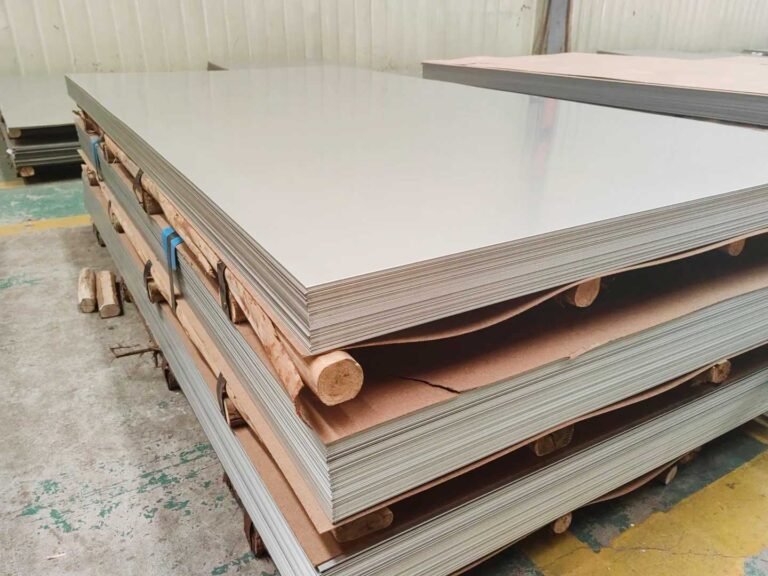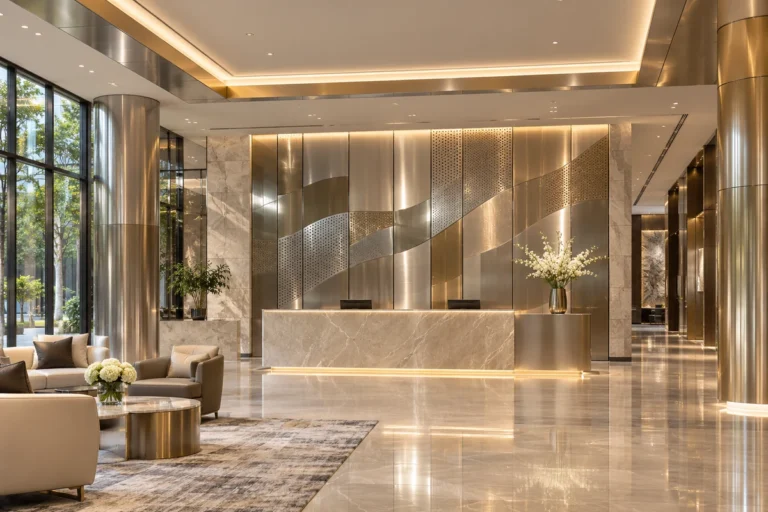
Aesthetics and functionality are important when it comes to choosing materials for commercial properties. Hotels, shopping malls, restaurants, office blocks, and retail stores need interior surfaces that will help them create their image and function as well. Stainless steel allows many design options thanks to its variety of colors, textures, forms, and methods of fabrication.
The use of Custom Stainless Steel Decorative Panels provides designers with great opportunities to design unique feature walls, reception backgrounds, elevator panels, and other ceiling finishes. Together with ceramic, glass, stone and lighting solutions, stainless steel becomes an excellent material for creating the consistent visual image of the whole building.
For architects, interior designers, construction contractors, and procurement managers, it is very important to make the right choice of materials and fabrication partners.
Quick Answer
Stainless steel allows many design options thanks to its variety of colors, textures, forms, and methods of fabrication.
- The grade of stainless steel should be chosen in accordance with the surrounding environment, cleaning needs and service conditions.
- Contractors need to verify the dimensions, joint width, corner treatment, openings and the transition from stainless steel to other materials prior to manufacturing.
- Buyers should consider customization capacity, communication, consistent quality of the supplied products, and meeting deadlines.
Why Architectural Stainless Steel Is Suitable for Commercial Interiors
Architectural Stainless Steel is appreciated for its modern design, high level of durability and flexibility. In contrast to the decorative materials which can only have standard size and shape, stainless steel can be fabricated in custom panels, curves, trims, partitions, and even three-dimensional elements.
Flexible Design and Surface Finishes
A wide variety of stainless steel finishes includes brushed, mirror, sandblast, embossed, and water ripple finishes. It is also possible to create metallic colors like gold, bronze, black, and rose gold depending on the specific surface treatments used.
All these finishes give the designer the ability to match metal finishes with porcelain tiles, natural stones, wood, and glass. Brushed stainless steel will suit minimalist offices, whereas gold finishes can be used to create luxury finishes within hotel and retail spaces.
Durability and Maintenance
Interiors that are commercial are subjected to lots of physical contact, cleaning and daily usage. Stainless steel gives the interior designer the opportunity to use a very durable decorative surface provided that they have specified the right stainless steel material grade. Grade 304 is normally used for interiors but grade 316 could also be more suitable when there are lots of chlorides in the environment.
Custom Stainless Steel Decorative Panels for Different Commercial Applications
High-end stainless steel decorative panels give project designers an opportunity to align dimensions, patterns, colors, and detailing with their overall interior design concept. The custom product is especially useful when standard decorative materials are not suitable for particular architectural requirements.
Hotels and Reception Areas
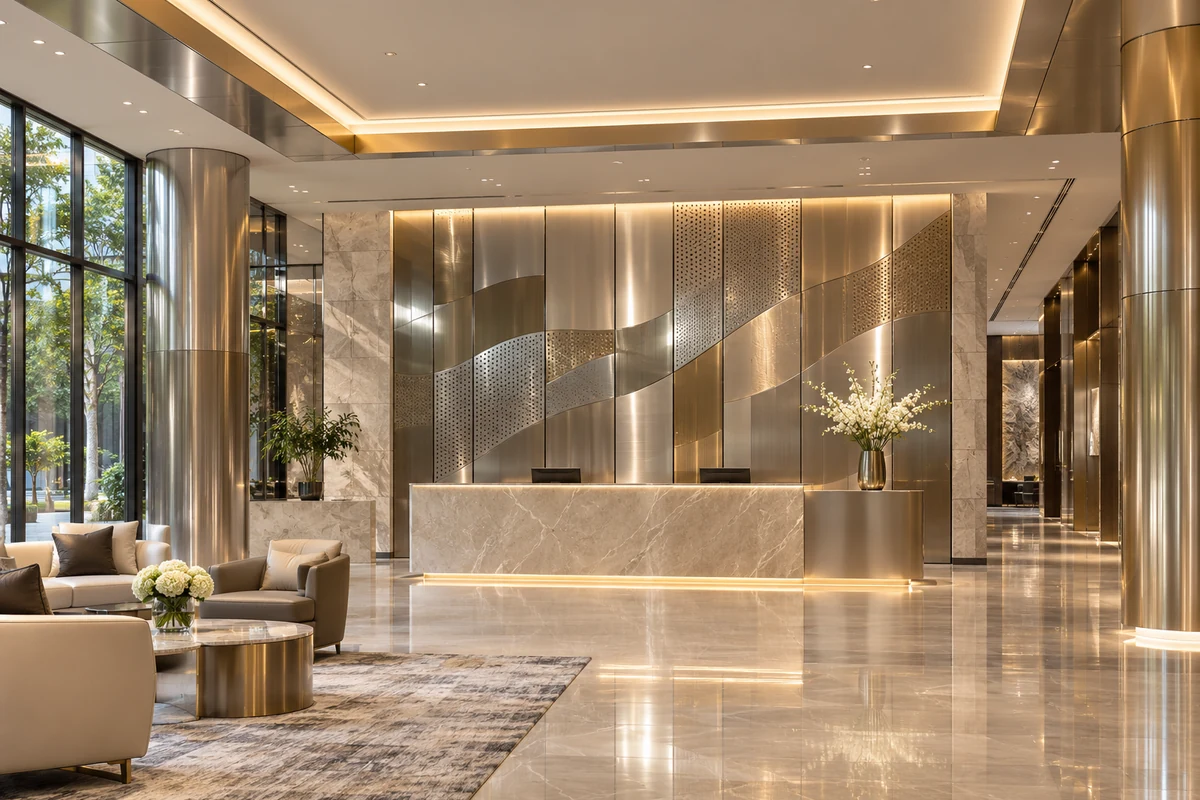
The first thing visitors see in hotels is a lobby area. Feature walls, reception desk designs, columns coverings, and decorative panels on the ceiling can serve as the centerpiece of the entire space.
Metal panels with mirror finish will serve as a reflective element, whereas brushed and textured panels will provide more subdued effect. Metal panels with ceramic floor, stone countertop, and appropriate lighting fixtures will result in elegant environment.
Restaurants and Dining Spaces
Restaurant interiors need decorative elements that can balance the atmosphere and maintenance requirements. Metal panels can be placed behind reception desks, in service areas, and certain walls or columns.
Interior designers have an opportunity to complement metal surfaces with ceramic finishes and appropriate lighting. Material choice should take into account moisture, grease exposure, cleaning frequency, and scratching resistance.
Retail Stores and Shopping Centers
The application of decorative finishes in retail stores is employed to improve brand identity and catch attention. Various colored panels, geometric shapes and customized fabrications can draw attention to entrance points, display areas and promotion areas.
Customization becomes necessary when the store contains curved walls or other unusual architectural designs that require special attention due to the branding requirements.
Stainless Steel Wall Cladding: Materials and Installation
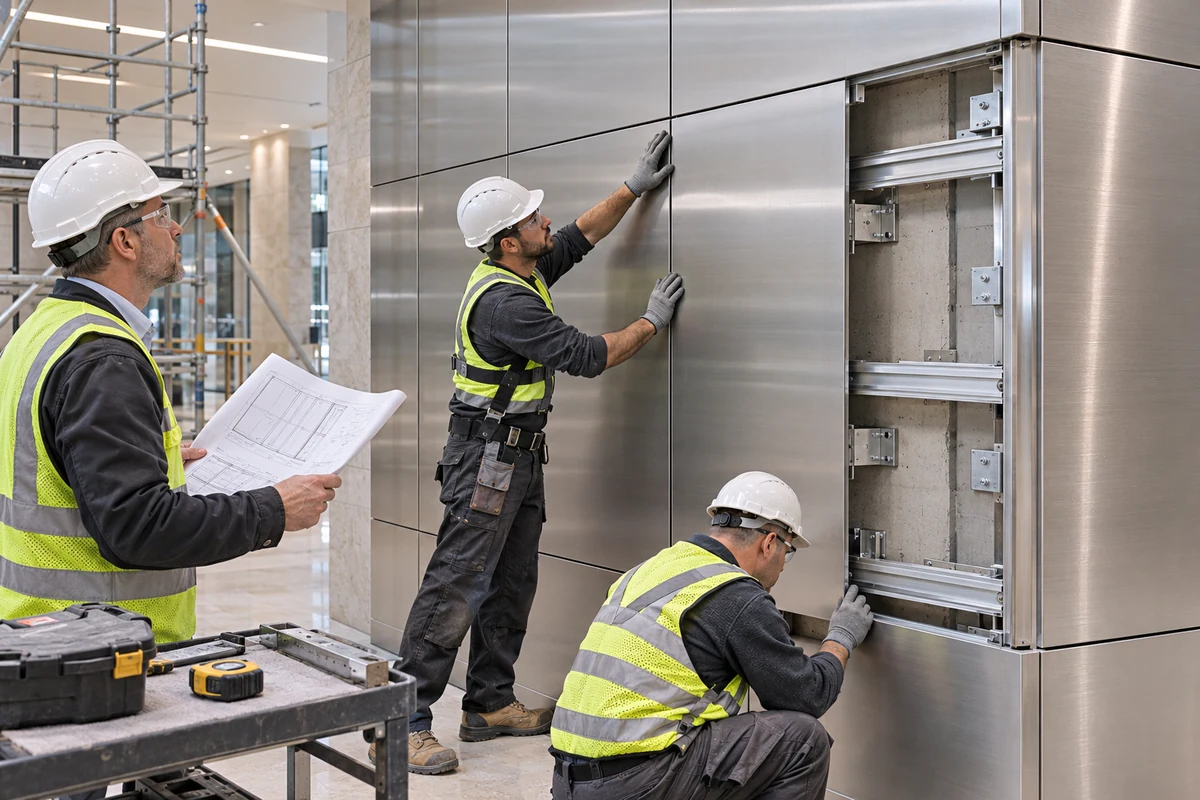
Stainless steel wall cladding may add to the interior aesthetics and provide a durable finish for some wall areas. But in order to succeed in its application, the material type, panel type and coordination should be considered properly.
Select Appropriate Grades and Finishes
The grade of stainless steel should be chosen in accordance with the surrounding environment, cleaning needs and service conditions. The thickness of panels should be established in relation to dimensions, spacing of supports, rigidity and fastening.
Coordinate Panel Joints and Edge Details
It is crucial that panels align to ensure a professional look. Contractors need to verify the dimensions, joint width, corner treatment, openings and the transition from stainless steel to other materials prior to manufacturing.
Properly drawn shop drawings will assist in minimizing adjustments on site and will also provide better uniformity in feature walls, elevators and reception areas.
Plan the Fixing System
Wall coverings can be mounted using a number of methods, including mechanical fixing, concealed fixing, adhesives or prefabricated supports. Depending on the substrate material, the weight of the panels, environmental conditions and other project criteria, a different option would be the right choice.
The installation team also needs to take into account building code requirements, provision for movement, maintenance and compatibility with fixings with the chosen stainless steel.
Custom Metal Screens for Flexible Space Division
Commercial interior design requires a fine line between privacy and openness in order to ensure flow and separation of spaces. Custom metal screens allow for this purpose.
Hospitality and Restaurant Interiors
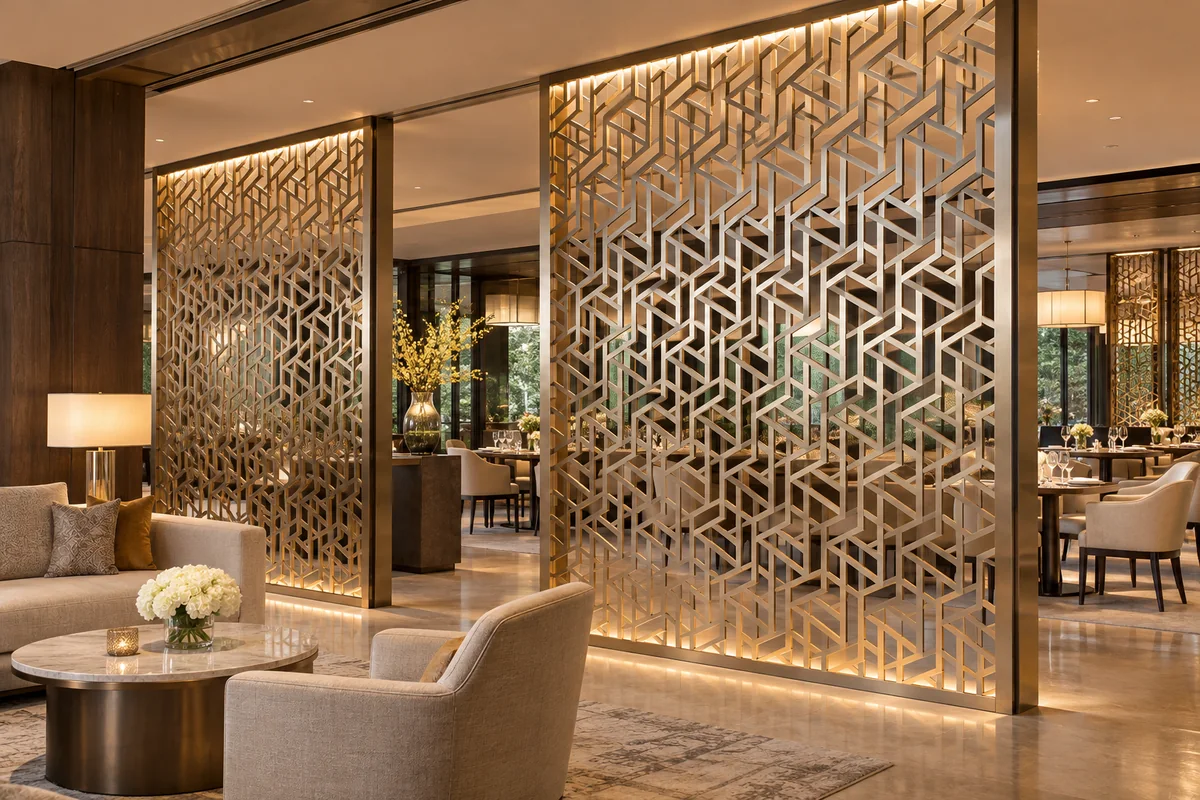
Stainless steel screens with patterns can differentiate between reception areas and lounges, waiting areas, and restaurant seating. Motifs, openings and textures laser cut into screens make it possible to coordinate their appearance with the property design.
For high-traffic areas, designers need to consider edge finishing, structural integrity, ease of cleaning, and corrosion resistance.
Offices and Retail Environments
Metal room dividers can differentiate between meeting, reception and collaboration areas in offices. In retail spaces, they can serve as backgrounds or separators between departments.
The height of the screen, the percentage of openings, the pattern used, and the way it is fixed will depend on its performance in terms of privacy, visibility and safety. Custom designs may include lighting elements.
Stainless Steel Fabrication for Commercial Projects
Successful stainless steel fabrication for commercial projects involves cooperation of design intent, manufacturing and installation requirements. Even a good looking idea may cause major issues when it comes to production and installation of its components.
Review Drawings and Technical Requirements
Prior to manufacturing, suppliers should ensure that architectural drawings, material specifications, sizes, finishes, and installations have been thoroughly reviewed. Complex shapes may necessitate further engineering for allowances, reinforcements, joints, and sequences.
When it comes to projects with multiple decorative pieces, buyers should ensure compatibility of finishes and specifications among panels, trims, screens, and other custom pieces.
Evaluate Manufacturing Capabilities
Laser cutting, CNC bending, precise welding, surface finishing, and custom assembly might be needed. Buyers should know what fabrication capabilities the supplier possesses in house versus outsourcing them.
A good fabrication company should be able to discuss tolerance, quality control process, prototype approval, and packaging considerations. This becomes especially important when it comes to large orders and projects with repeating decorative pieces.
Control Quality and Delivery
Quality checks should include measurements, surface appearance, weld finish, protective film, component identification, and packaging. Approval of samples prior to mass production can help determine desired color, texture, and finish.
Labeling and Installation Instructions Can Reduce Handling Problems
It is important for procurement staff to check lead times, shipping plans, inspection processes, and procedures for replacement of defective and misdirected items.
How to Choose a Reliable Stainless Steel Decoration Supplier
Finding a supplier is not only about choosing a lower price. Buyers should consider customization capacity, communication, consistent quality of the supplied products, and meeting deadlines.
Compare Customization and Technical Support
The right supplier needs to understand the drawings and give useful advice regarding material grades, panel design, surface treatment and installation process. Experience with custom sizes and coordinated decorative elements is especially helpful.
Request Samples and Confirm Specifications
Real samples make it possible to see the quality of coloring, reflection, surface texture, edges, and handling marks.
If you place subsequent orders or work on a project in several locations, keep an approved sample and its specification to minimize the difference in batches and simplify acceptance of quality.
Review Quotations and Project Schedules
The comprehensive quote will state the material types, their thicknesses, finishes, dimensions, quantity, cost of tooling, if any, and installation exemptions. Check production timelines, packing specifications, delivery logistics, and post-sale services before placing your order.
FAQ About Stainless Steel Decorative Solutions
What are custom stainless steel decorative panels intended for?
Custom Stainless Steel Decorative Panels are utilized in feature walls, reception counters, elevators, ceilings, columns, and retail displays. Their dimensions, patterns, and finishes are customized according to the commercial requirements.
Which stainless steel type is the best choice for the interior application?
Grade 304 is usually a good choice for most interior decorative applications. Grade 316 would be a better choice in the presence of chlorides and/or more challenging corrosive environment. The final selection will depend on the surrounding environment, cleaning process, budget, and service lifetime requirements.
Is stainless steel wall cladding easy to maintain?
Yes, in general terms. Stainless Steel Wall Cladding can be cleaned through regular cleaning with appropriate chemicals and soft cloths. It is important not to use abrasive cleaning agents and materials which can harm its surface.
Are custom metal screens available in various designs and sizes?
Yes. Custom Metal Screens can have laser cut designs, geometrical shapes, perforated patterns, and custom sizes per the project specifications. Buyers need to ensure structural reinforcement, edge treatment, size of openings, and installation requirements prior to fabrication.
What are the key factors for buyers in choosing a fabrication vendor?
For Stainless Steel Fabrication for Commercial Projects, buyers need to consider technical support, fabrication capabilities, material traceability, consistent finishes, inspection process, lead time, packaging, and installation coordination. Samples and drawings will aid in avoiding errors.
Conclusion
Stainless steel decorative solutions allow commercial spaces to create unique looks while ensuring durability, ease of maintenance, and efficient installation. Architectural Stainless Steel, Custom Stainless Steel Decorative Panels, Stainless Steel Wall Cladding, and Custom Metal Screens have unique design and functional applications.
Through confirmation of material specifications, review of samples, coordination of fabrication requirements, and choosing a suitable manufacturer, the risk of reworks will be minimized, as well as improve final product quality. For ideas on creating harmonized decorative materials in commercial and hospitality projects, visit JYF Metal.