Masterclass in Antique Stainless Steel Sheet Craftsmanship: From Artisanal Artistry to 15-Year Exterior Durability
Table of Contents
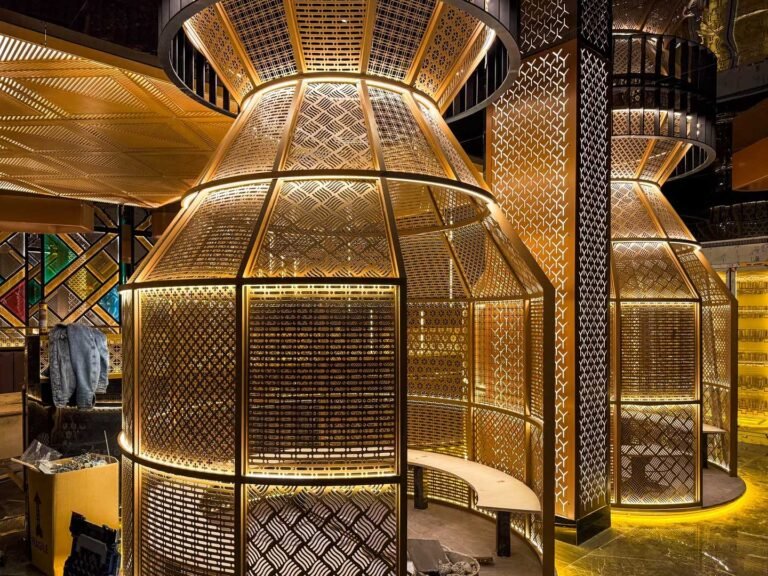
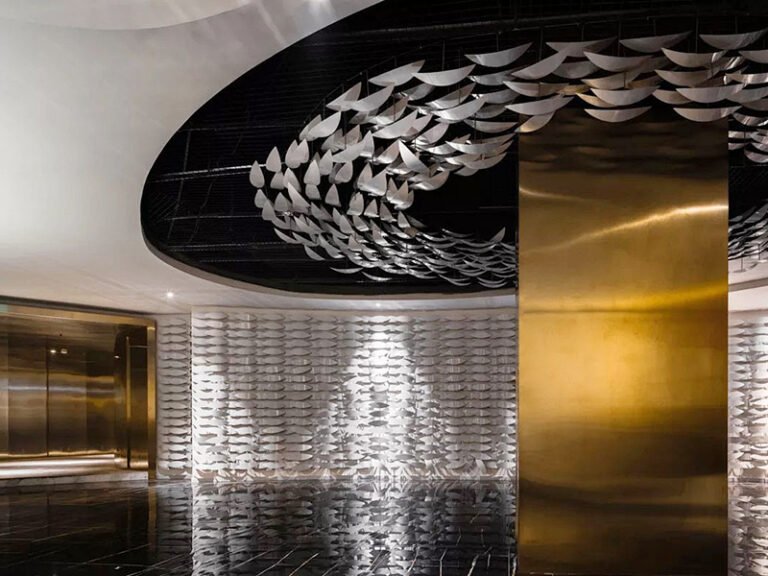
In modern high-end architecture and interior design, metal is no longer just a symbol of coldness and industrial style. Antique stainless steel sheet has become a visual highlight in property sales centers, luxury hotels, brand flagship stores, and high-end curtain walls. It offers an aged vintage texture, rich color layers, and far better value and structural strength than natural copper.
As a professional manufacturer specializing in high-end custom metal, JYF METAL combines traditional hand-applied patina art with modern surface coloring and high-temperature baking for strong weather resistance. This enables us to provide architects and designers around the world with custom antique stainless steel solutions that combine artistic beauty with engineering-grade durability.
This article will break down the core process of distressed metal panels, its main categories, outdoor fluorocarbon (PVDF) high-weather-resistance applications, and the practical standards for project installation.
Core Process for Antique Stainless Steel Sheet
Antique stainless steel finishing is not just one surface treatment. It’s a multi-stage process that brings together mechanical texturing, color development, deep hand-applied patina and toning, and polymer coating curing.
01
Substrate Pretreatment
Brushed / Vibration / Etched / Etc.
→
02
Base Color Application
Electroplating / PVD / Chemical
→
03
Hand-Faded / Worn Finish
Creates a weathered, aged look
→
04
Fluorocarbon Sealing / Baking
Cross-linking Curing / Enhanced Weather Resistance
Substrate Pretreatment (Textured Primer)
Raw stainless steel (such as 304 or 316L) has a smooth, highly reflective surface, so it cannot naturally achieve an aged, layered look on its own. A mechanical or chemical base treatment is required before finishing:
- Vibration / random texture: Removes directional regularity, creating an even, non-directional matte finish.
- Hairline / satin: Creates parallel, continuous straight lines that give the coloring step natural guiding grooves.
- Sandblasting: Uses fine bead blasting to create a matte, fine-grained surface.
- Chemical etching: Selectively corrodes specific patterns or deep relief textures, leaving space for the dark color deposits later.
Base Color Building and Color Development
A uniform metal base color is built on the pretreated surface through color development processes. Common methods include water plating (such as water plating antique bronze) , vacuum ion plating, and chemical oxidation coloring. The uniformity and adhesion of the color layer will determine the stability of the substrate in the following antique treatment. What’s more, a suitable background color can also prevent the coating from cracking too easily when it is later cut, bent or grooved.
Hand Coloring and Stripping (The Core Artisanal Step)
The “soul” of an distressed finish stainless steel sheet lies in its natural, non-mechanical mottled look. Once the base color is done, experienced workers use special abrasives, scouring pads, or chemical strippers to hand-scrape and wipe selected areas:
- Raised parts get lightly rubbed or stripped, revealing the bright metal underneath.
- Grooves and deeper texture keep their darker color, giving the surface a natural light-to-dark gradient and a time-worn feel.
Fluorocarbon Coating and High-Temperature Baking Curing (Key Reinforcement)
Once hand wiping and coloring are finished, the surface needs sealing protection. This stage decides whether the antique sheet can stand long-term wear and weathering.
- Apply high weather-resistant coating: Use high-quality anti-fingerprint clear coat or PVDF fluorocarbon clear coat for even spraying.
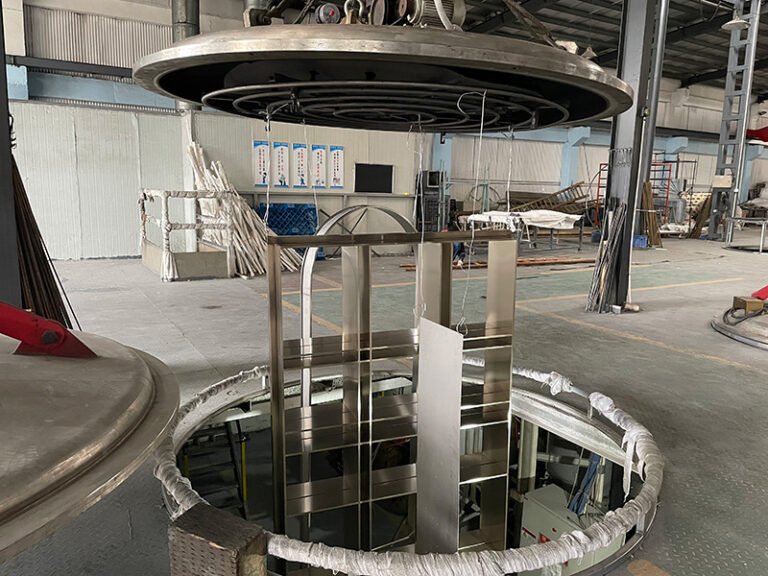
- High-Temperature Baking: Put the treated parts or sheets into an industrial oven and bake them at a set temperature. High heat triggers thorough cross-linking of resin molecules inside the clear coat, creating a tight, flawless protective film. After baking, the color layer and hand-finishedantique layer bond firmly to the base material. The color becomes much more stable, and the surface gains greatly improved scratch resistance and peel resistance.

Classification of Mainstream Antique Finishes in the Market
In contrast to the monotony of traditional industrial metals, modern antique-finished stainless steel primarily focuses on warm copper tones and rustic styles with strong artistic expression.
| Effect Type | Process Combination | Visual Characteristics | Core Application Scenarios |
|---|---|---|---|
| Antique Bronze | Brushed base finish + electroplating bronze + high-temperature curing | A blend of dark green-gray and antique bronze tones, exuding a calm and understated elegance with an Eastern Zen aesthetic | New Chinese-style sales offices, clubhouse screens, and door trim |
| Red Copper | Brushed base finish + electroplating red copper + high-temperature curing | A warm, reddish hue that exudes elegance and sophistication, with a rich, classic European texture | Decorative elements for luxury hotel lobbies, revolving doors, and artistic wall panels |
| Brass | Brushed base finish + electroplating brass + high-temperature curing | Bright yet imbued with a sense of age; more wear-resistant than pure brass and less prone to tarnishing | Wayfinding signage for commercial spaces; cabinetry and door trim for luxury residences |
| Patina Finish | Vibration base finish + Specialized hand-rubbed coloring / chemical patina treatment + high-temperature curing | Simulates the rustic charm of natural copper rust, with a seamless transition from green spots to copper tones, creating a highly artistic effect | Landscape sculptures, architectural facade art panels, themed commercial spaces, art galleries, and restaurants |
Outdoor Applications Requiring High Weather Resistance
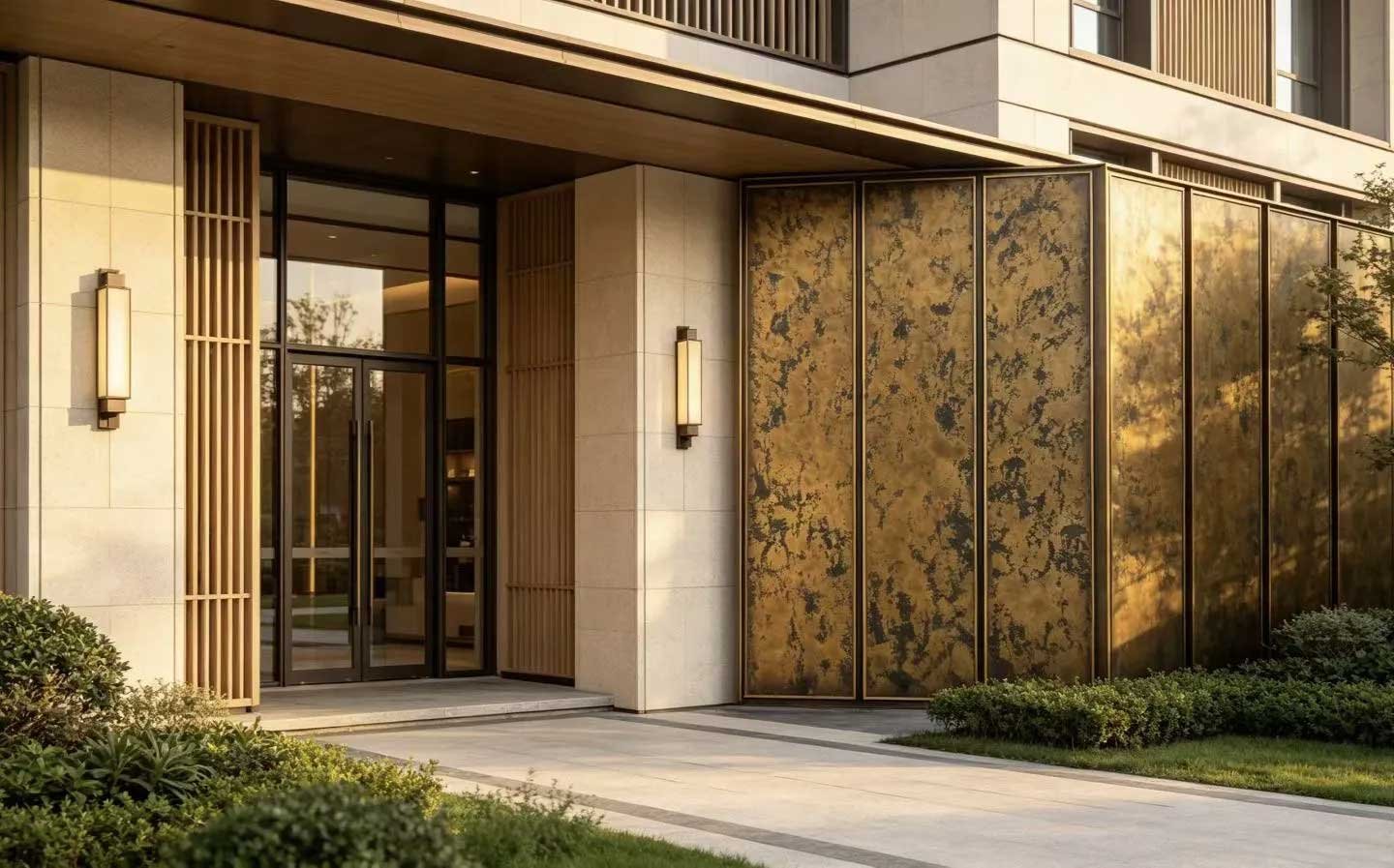
Traditional antique metal materials are mostly only suitable for indoor use. Ordinary acrylic and resin coatings are prone to oxidation, chalking and peeling when exposed to ultraviolet rays, acid rain and temperature changes, making them unfit for complex outdoor environments. Focusing on the research and production of outdoor patina stainless steel sheets, JYF METAL has completely broken this industry limitation by optimizing material selection and upgrading the overall production process. It enables high-grade antique stainless steel to achieve long-term stable outdoor application.
Protection Mechanism of PVDF Clear Coat
PVDF resin contains carbon-fluorine bonds (C-F) with high electronegativity and strong binding energy. This unique molecular structure gives the coating excellent chemical stability and weather resistance, far better than ordinary paint layers:
- Excellent anti-ultraviolet performance: coating can resist long-term strong sunlight exposure, will not turn yellow, powder or fade.
- Salt spray resistance, acid rain corrosion: effective barrier outside water, salt and acid substances, to prevent corrosion of stainless steel substrate and the pitting corrosion gap.
- Hydrophobic and oil-repellent self-cleaning properties: coating surface tension is low, strong anti-pollution ability. Most surface dust and stains can be washed away by rain, greatly reducing the cost of cleaning and maintenance.
Service Life and Engineering Performance
Our products adopt high-quality 304 and 316L stainless steel as the base material. Combined with delicate hand coloring technology, high weather-resistant PVDF clear coat spraying and standard high-temperature baking and curing process, the finished sheets deliver stable performance for outdoor use.
- Outdoor service life: In normal natural environments without severe mechanical damage, strong impact or strong acid and alkali pollution, the sheets can remain stable for 10 to 15 years or longer. No obvious fading, blackening, peeling or rusting will occur.
- Cost-performance advantage: Natural copper plates are heavy and tend to fade unevenly outdoors with uncontrollable color changes. In contrast, JYF METAL antique stainless steel sheets are lighter in weight, higher in structural strength and more stable in color and texture. They require almost no maintenance for long-term outdoor use, making them an ideal choice for high-end outdoor curtain walls and landscape decoration.
Practical Guidelines for Architectural Design, Processing and Installation
To ensure the perfect long-term performance and decorative effect of chemical patina stainless steel sheets for the whole project lifecycle, standardized rules must be followed from design selection, factory processing to on-site installation.
Color Difference Control for Mass Production
The antique finish relies on manual coloring work, so zero color difference is impossible to achieve. Slight natural color variation is part of its unique artistic texture. Even so, the color difference must be controlled within a reasonable range for engineering projects.
- Establish official sample standards: Before production starts, the client, designer and manufacturer must confirm the final master sample together. Clear upper and lower limit samples for color depth and tone variation shall be set as the unified standard for production and inspection.
- Produce in a single batch as much as possible: Use the same batch of base materials and the same coating furnace batch for the whole project. Separate production batches may cause visible color differences due to tiny changes in temperature, humidity and plating solution concentration.
Cutting, Bending and Edge Protection
Although the PVDF coating and hand-finished antique layer are strengthened by high-temperature curing, they still need careful protection during mechanical processing.
- Protective film selection: Use high-viscosity, residue-free special protective films (usually 8C–10C thickness). Keep the film covered on the panel during all processing steps and peel it off only after all cutting and bending work is finished.
- Controlled V-groove depth: When grooving for bending, strictly control the cutting depth. Avoid cutting through the base material, which will cause white lines, coating cracks or surface damage after bending.
- Cut and weld repair treatment: On-site cutting and welding will damage the original antique color layer and protective coating. Use the manufacturer’s matching touch-up color agent and air-dry PVDF protective paint for manual repair. This ensures the repaired area matches the original plate in color and texture, avoiding local color difference and peeling issues.
Conclusion
Antique stainless steel sheets solve key engineering problems of natural copper. Natural copper costs a lot, weighs heavily, and its outdoor color is hard to control. With mechanical texturing, precise color development, manual patina stripping, and high-temperature curing of weather-resistant PVDF clear coat, antique stainless steel panels deliver rich vintage texture and strong artistic appeal. They also offer reliable weather resistance of 10–15 years for modern building facades and interior spaces.
As an experienced maker of custom high-end architectural metal, we aim to blend traditional metal craft with modern industrial production. Whether you need complex shaped parts, high-standard outdoor curtain wall panels or custom delicate screens, we can offer full services from sampling and detailed design to mass production, following designers’ concepts.
Want to bring unique aged charm to your next project? Get in touch with the JYF METAL technical team. You can request physical antique stainless steel samples, engineering specifications and custom project quotations.
FAQs
Q1: What are the main differences between antique stainless steel sheets and copper plates?
Distressed stainless steel sheets use 304/316L stainless steel as the base material. Color development and hand wiping create a texture similar to copper. Compared with solid copper, patina stainless steel sheets are stronger, lighter and more cost-effective. With PVDF coating and high-temperature sealing treatment, their color stays stable for 10–15 years. Solid copper, however, keeps oxidizing, darkening and turning green outdoors in an uncontrolled way. It is hard to keep the original design look.
Q2: Will antique stainless steel sheets rust or peel when used outdoors?
If you choose 304 stainless steel for general outdoor use or 316L for coastal areas with heavy salt spray, and seal the surface with high weather-resistant PVDF clear coat cured at high temperature, the sheets offer great resistance to corrosion and peeling. Without man-made damage, they can maintain good weather performance for over 10–15 years.
Q3: How to clean and maintain antique stainless steel sheets on site?
The surface coating is anti-fingerprint and water-repellent. For daily care, mix neutral detergent with clean water and wipe the surface with soft cotton cloth or sponge. Do not use steel wool, strong acid or alkaline cleaners, or scouring powder with abrasive particles. These will scratch the PVDF protective film.
Q4: How to handle batch color variation caused by hand wiping for antique sheets?
Hand-finished antique surfaces have natural artistic irregularities. For engineering projects, JYF METAL recommends setting approved reference samples at the early stage. The set includes standard color, upper limit sample and lower limit sample. For production, all panels for the same building area should be colored and hand wiped in one single batch. The same team of skilled technicians controls the stripping strength consistently.
Q5: Can antique stainless steel sheets be bent or stretch-bent into curved shapes?
Yes. The coating is cured under high temperature, so it has good flexibility and adhesion. Regular bending, curved stretch bending and CNC punching will not crack or peel the coating. We suggest telling the manufacturer your bending radius at the design stage. This helps select a coating system with better ductility.