Weathering Steel Curtain Wall: A Durable and Distinctive Facade Solution for Modern Architecture
Table of Contents
A façade of a building is not only a protective structure but also affects the visual aspect, durability, and overall atmosphere of the architectural creation. The weathering steel curtain wall is an example of the combination of natural look, high resistance to corrosion and design versatility. Being characterized by red-brown color and high architectural expressiveness, such material is more and more often used in the construction of commercial buildings, cultural projects, hotels, public architecture, and landscape constructions.
Why Choose a Weathering Steel Curtain Wall for Modern Buildings?
In order to create expressive facade solutions of modern buildings, it is necessary to use materials, which are capable not only to operate outside but also to give the desired architectural image. These conditions are fulfilled by weathering steel, because it forms an oxide film under specific atmospheric conditions. The surface of such material changes in accordance with its aging, which results in giving natural look to buildings.
Natural Surface with a Distinctive Appearance
Another distinctive feature of the weathered steel is the unique surface that forms naturally. Under proper weather conditions, this material develops a protective oxide coating. The original orange-brown color may turn into more reddish and earthy hues. This variability adds to the overall depth and uniqueness of the facade. In contrast to painted metal panels, the surface of the facade plays a role in its architectural identity.
Reliable Performance in Outdoor Environments
Any facade should be able to resist rain, humidity, sun exposure, temperature variations, and other external environmental factors. Weathered steel is specifically developed to form a protective patina that will slow down further corrosion in the atmosphere under proper conditions. Nevertheless, specific features of each particular project should be taken into account when choosing material.
Reduced Dependence on Repainting
Unlike traditional steel, most of which requires protective paint to avoid corrosion and deterioration, weathering steel works on an entirely different principle, which allows the oxidation process to form a protective layer. If used in appropriate conditions, this could potentially eliminate the necessity to perform repeated repainting and refinishing operations. Thus, one obtains a facade system, which is relatively easy to maintain and keeps its natural architectural look during the whole period of use.
Strong Compatibility with Contemporary Architecture
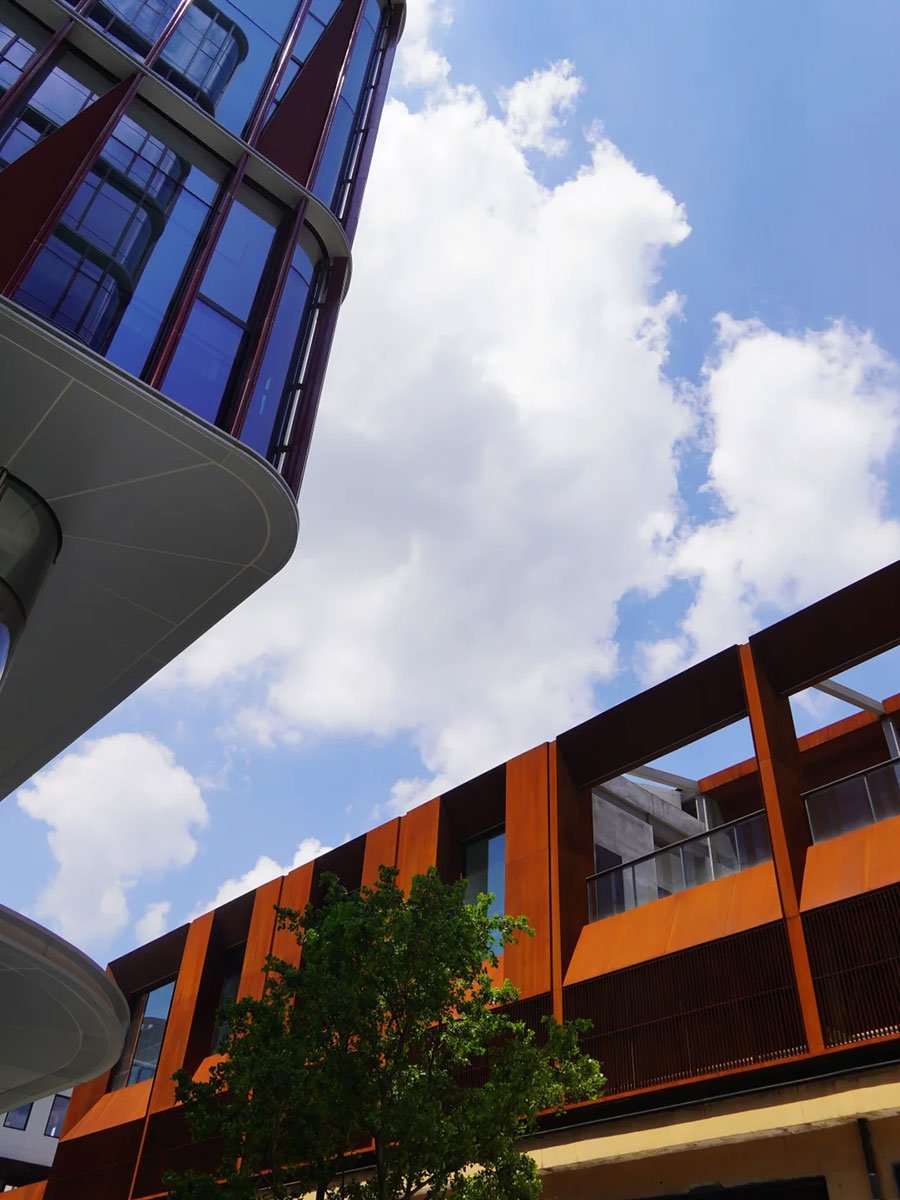
Natural color of corten steel creates a nice contrast to such materials as glass, concrete, stones, wood and others. It can give a warmer appearance to big structures, making them blend in better with the surrounding environment. The material is especially well suited for architecture, which relies on simple forms and natural textures.
Design Possibilities of Weathering Steel Facade Systems
Apart from the material itself, the design of the facade also relies on the shape, arrangement, and combination of metal panels with other elements of the building. Due to the modern technological advances, the corten steel may be manufactured in various dimensions, patterns, and forms to provide the adaptation of the facade system to the architectural concepts of the building without losing the unity of the material.
Perforated Weathering Steel Panels
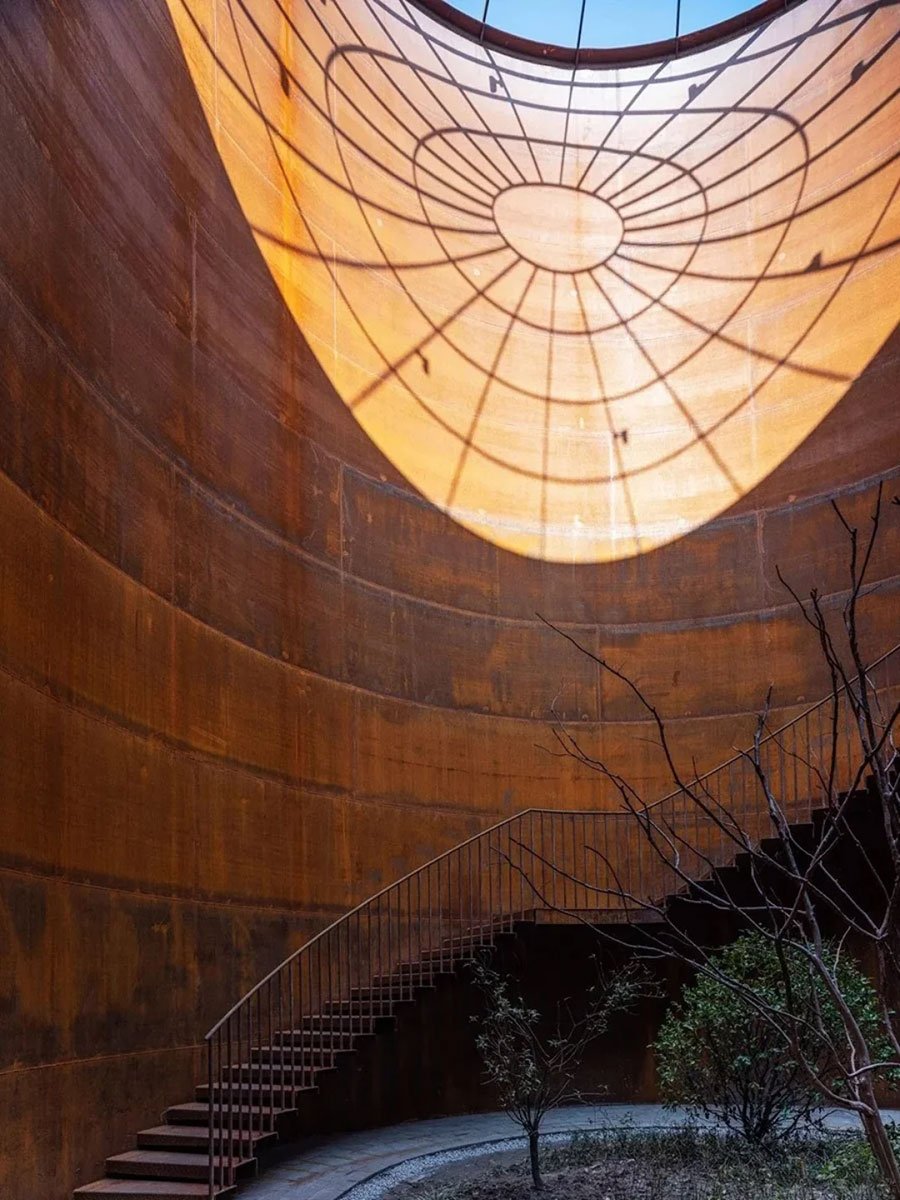
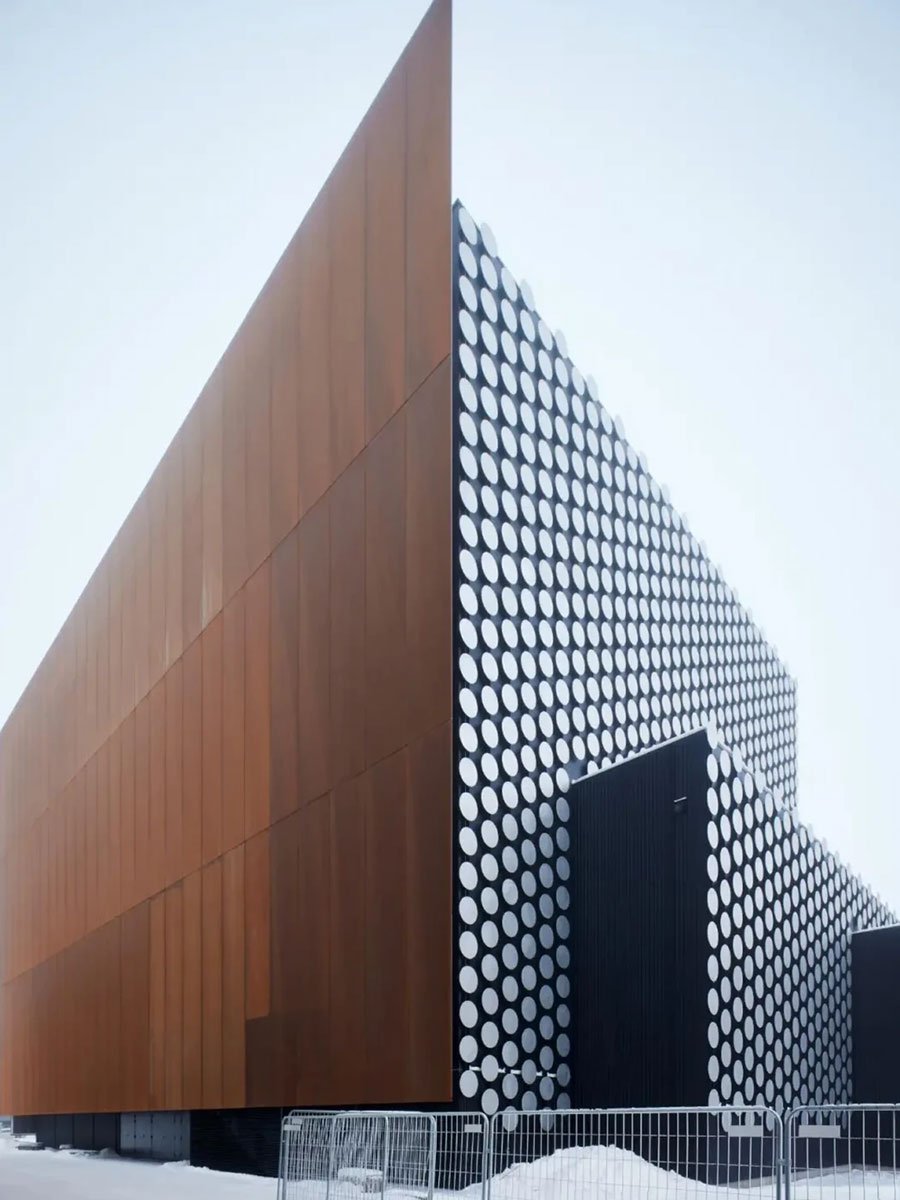
In case perforation is applied to metal panels, it may give additional depth and regularity to the surface of the exterior wall and allow the ventilation of air through the facade along with the provision of transparency. With different sizes, shapes, and arrangements of holes, different openness and shading can be achieved. In daylight, the perforated panels will create various patterns on the facade, and with artificial lighting, they will look completely differently at night time.
Custom Geometric Facade Panels
Shaped panels offer more options to architects than traditional rectangular panels. Angular surfaces, folding panels, unconventional modules, and geometric compositions enable more dynamic effects on the building façade. Such items may also be used to emphasize certain building features, entryways, and corners. Precise drawing and planning are necessary since panel size, points of connections, bends, and installation tolerances have a direct impact on the final result.
Mixed-Material Exterior Design
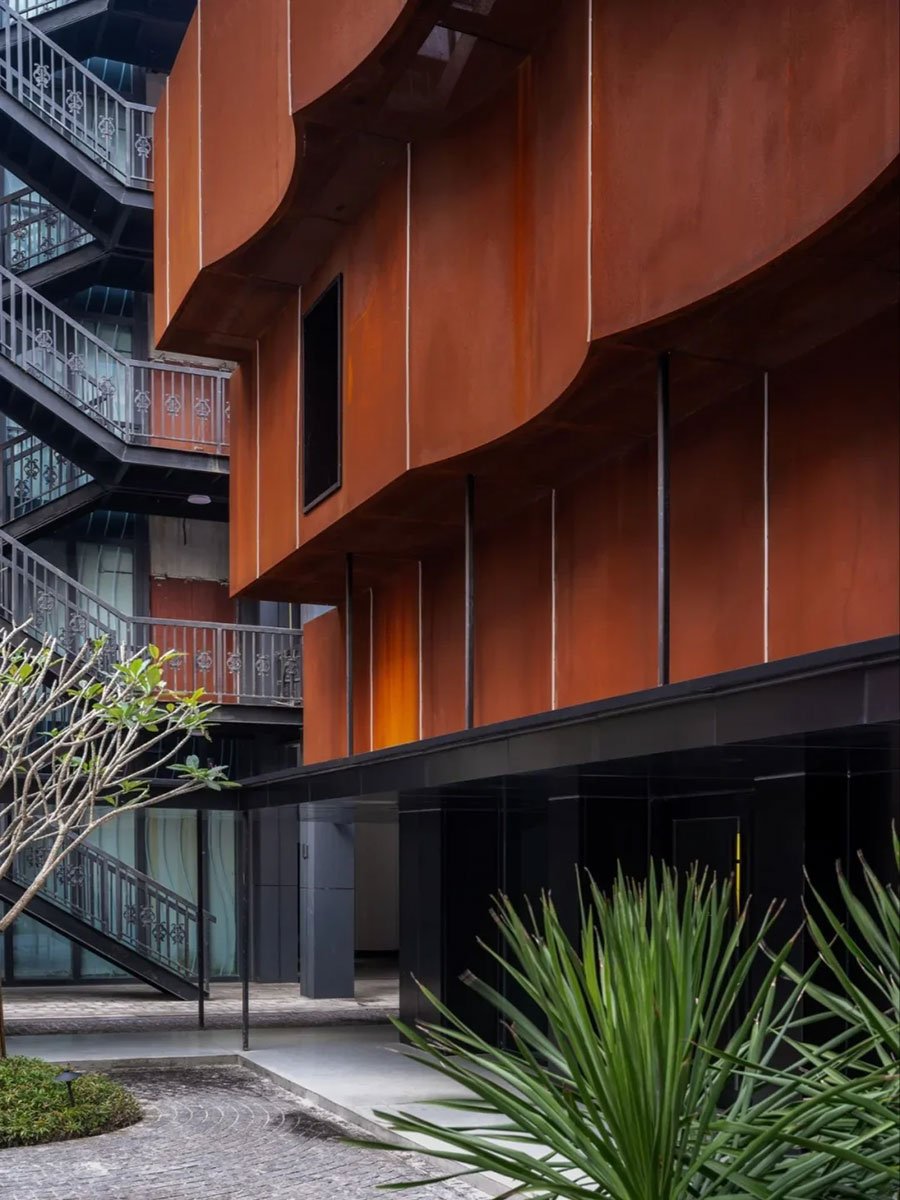
Rust steel is not required to be used to fully cover a building to achieve a strong visual impression. The combination of weathering steel with such materials as glass, aluminum, concrete, bricks, or wood is possible to achieve a well-balanced façade design. For instance, warm metal panels may be used to frame the glass entrance door, while concrete walls will provide a neutral background for metal decorations.
Key Applications of Weathering Steel Curtain Wall Systems
Versatility of this material means that it is appropriate for use in different types of construction work. Earthy look of this material makes it ideal for buildings that are designed to have a close connection with nature or for those that should define themselves through materials they use. Depending on the design, weather-resistant steel can be used as cladding, screening, walls, entrance details, and landscaping elements.
Commercial and Hospitality Buildings
Hotels, restaurants, cafes, retail buildings, and mixed-use buildings may require facades that would attract attention right from the start. This material will help to create such an appearance without using any flashy colors or finishes. It can be used in entrances, terraces, walls, canopies, and screens. Also, its warm appearance makes this material good choice for hospitality buildings.
Museums and Cultural Buildings
Structures like museums, galleries, cultural institutions, and public buildings use architectural materials to convey their permanence and artistic nature. The continuously evolving nature ofcorten cladding is compatible with this concept. Bigger-sized sheets of the material may give rise to a minimalist design of the façade, while using perforations or sculpture on it may allow adding some artistic touches to the material’s performance.
Landscape and Public Spaces
Weathering steel has its natural coloring that makes the material suitable for projects in the context of landscape architecture. In addition to blending with other natural materials such as trees, rocks, soil, and concrete paths, the material also allows introducing an architectural element into the project. Applications of the material may include landscape walls, entrance structures, public artworks, garden screens, shelters for pedestrians, and decorative walls.
How Does Weathering Steel Enhance Architectural Facade Design
In addition to weathering steel’s resistance to corrosion, it also offers appealing qualities like a warm color tone, evolving texture, and flexible forms of fabrication. Such properties allow architects to have more tools when developing the look of a building. According to the concept, Corten facade could provide a strong solid surface, transparent screen, layered facade, or decorative architectural element.
Create Depth with Layered Facade Design
Different layers can be formed using weathering steel panels to achieve a more complex exterior surface and add dimensions. A combination of a solid cover with recessed zones, screens, or protruding elements can create a unique facade. Different levels of shadow resulting from changes in lighting during the day will enhance the perception of such layers. It works best for modern architecture where dimensions play an important role.
Use Perforated Screens for Light and Privacy
Perforated weathering steel can be used to create openness as well as enclosure on the facade. Properly designed perforations allow sunlight and air to pass through the metal panels while creating some level of privacy. During daytime hours, the effect of shadows through the perforations occurs, and the nighttime illumination will create a very attractive look for the building’s facade. This characteristic makes perforated steel appropriate for use in entrances, balconies, walkways, restaurants, hotels, and public architecture.
Integrate the Facade with Its Surroundings
Weathering steel’s natural earthen colors provide the opportunity to integrate the building with garden, tree, stone, concrete, and other surrounding features. Instead of contrasting with the surrounding environment, the development of patina over time allows the creation of a gradual relationship with the environment. This is particularly true for cultural architecture, landscaping projects, hospitality buildings, and public architecture.

Conclusion
Weathering steel curtain walls have the advantages of beauty in nature, durability outside, and versatile architecture design. It is possible to obtain an aesthetically attractive facade with appropriate selection of materials, drainage systems, fabrication, and installation of a weathering steel curtain wall. For customized weathering steel facades and architectural metal solutions, explore the project and fabrication capabilities available at JYF METAL.
FAQs about Weathering Steel Curtain Walls
Q1: What is a weathering steel curtain wall?
The weathering steel curtain wall is a type of facade that employs weather resistant steel sheets as the exterior cladding. This material acquires the typical red-brown color due to the formation of a stable oxide film under appropriate environmental conditions. These sheets may be fabricated in flat sheets, perforated sheets, folded sheets, and any other architectural form for use in commercial, cultural, hospitality, and public buildings.
Q2: Is weathering steel suitable for exterior facades?
Yes, it is possible for weathering steel to be appropriate in exterior facades provided that the environmental conditions and details of the facade have been well considered. This is because the material is expected to form an external surface film, which aids in slowing down atmospheric corrosion. However, continuously moist environments, coastal areas with high levels of salt, and poorly draining areas need to be taken into account.
Q3: Does weathering steel need painting?
Generally, rust finish stainless steel is made with an aim to form a distinctive layer without the need for ongoing painting. With proper environment, it may become unnecessary to repaint and refurbish the surface regularly. The finished look will vary during the course of the oxidation process. Project teams have to consider proper procedures of fabrication, installation, and maintenance in order to get desired results.
Q4: Can weathering steel facade panels be customized?
Certainly, weathering steel panels are customizable by their size, shape, pattern, perforation, and configuration. Depending on the architectural vision, panels may be shaped as simple cladding, decorative screening, geometrical structures, or more elaborate sculptural pieces. Custom manufacturing will allow the facade to fit the particular needs of the project while ensuring coordination of joint lines, fastening, opening, and other details.
Q5: Does weathering steel cause rust stains on other materials?
During the initial period of oxidation process, the weathering steel facade can generate colored runoff that might lead to staining of other porous or light-colored building materials. That is why the proper designing of drainage system and facade is necessary during the planning stage. Proper placement of the drip edge, drainage paths, joint lines, and distance from the adjacent material will help to control the runoff.