How to Choose Metal Products for Middle East Palace Decoration Projects
Table of Contents
Luxury palace projects in the Middle East require a careful balance between visual grandeur, material performance, and precise craftsmanship. Architectural metalwork plays an important role in this environment, appearing in decorative screens, feature walls, ceilings, columns, doors, counters, furniture, and bespoke installations. For architects, contractors, and international buyers, selecting suitable metal products for Middle East palace decoration projects means looking beyond appearance and considering material grade, fabrication technology, surface treatment, installation, maintenance, and project consistency.
Why Custom Metalwork Matters for Middle East Palace Projects
Palace interiors typically include spacious areas, ornate decorative themes, and very detailed architectural elements. Metal products available off-the-shelf could simply lack the necessary measurements, designs, finishes, and structural details for these applications. Custom metal work allows for all parts to match the architecture design in terms of uniformity. Appropriate metalwork can also work well with marble, glass, wood, lighting, and other materials that are part of the luxury interiors.
Creating a Distinctive Luxury Appearance
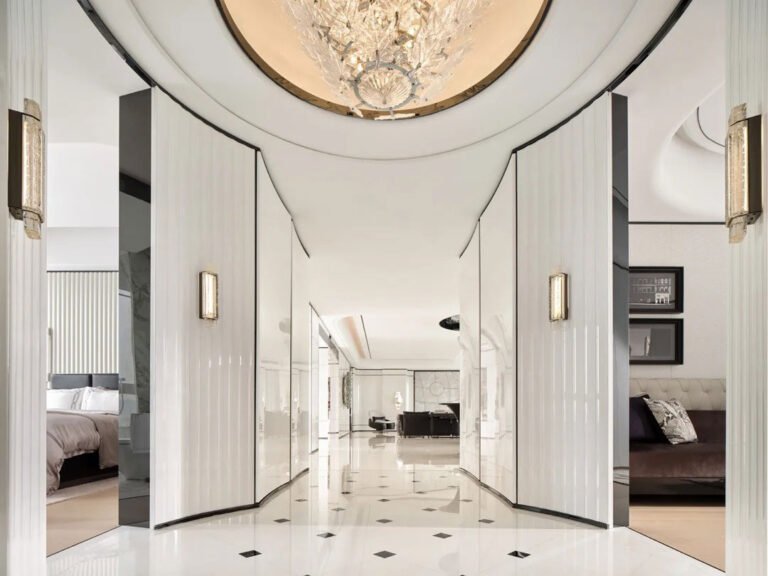
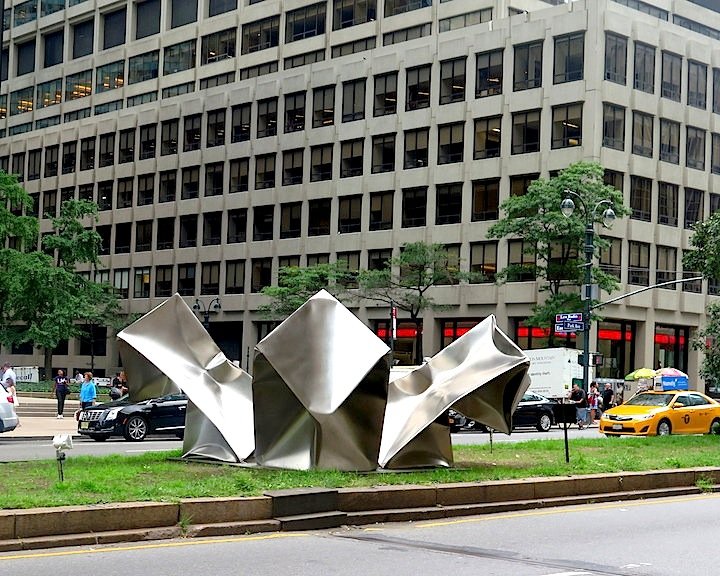
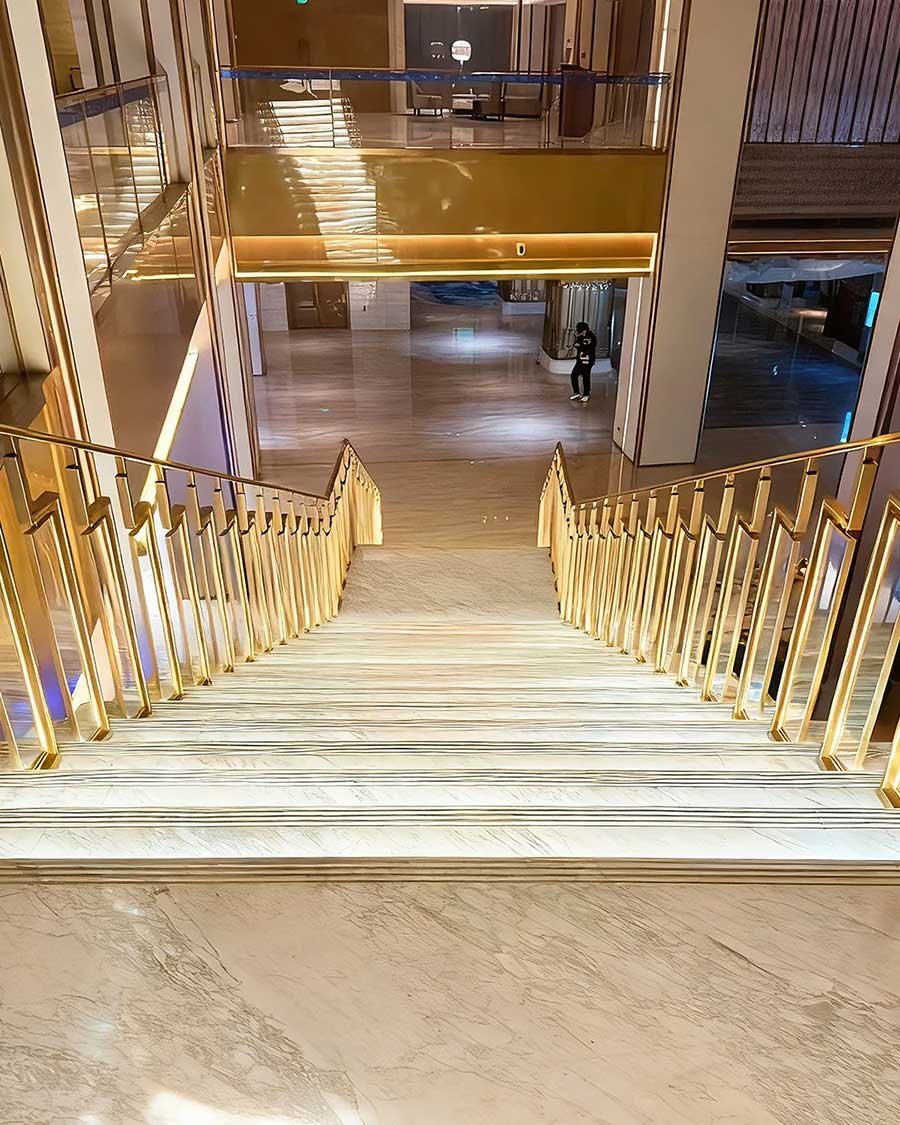
A custom metal design would give you the option to create a different kind of visual impact. Stainless steel, brass, copper, and aluminum can be turned into cladding panels, metal decorative screens, stainless steel gold trimmings, metal door frames, metal sculptures, and architectural features. Mirror, brushed, etched, textured, and painted finishes will create different levels of reflectiveness and texture. The gold, bronze, champagne, and copper finishes look great in combination with the marble and architectural lighting.
Supporting Complex Architectural Designs
In the construction of large palaces, there are often curved walls, oversized entries, decorated columns, feature ceilings, and complex partitions. In such cases, cutting, bending, rolling, forming, and welding will be required instead of normal sheet metal production. Custom fabrication enables the reproduction of complex shapes and the modification of dimensions based on architectural plans. This will be particularly useful if the decorative elements of metal have to conform to irregular shapes and dimensions.
Improving Long-Term Project Performance
The luxury decor has to maintain the same beauty even after its installation. Therefore, the selection of the materials has to consider the corrosion resistance, mechanical strength, the environment, maintenance, and durability. The stainless steel can be utilized in many construction works due to its high durability and finish options. Proper selection of materials and grades at the start of the design process will eliminate maintenance problems.
Key Applications of Luxury Palace Metal Decoration
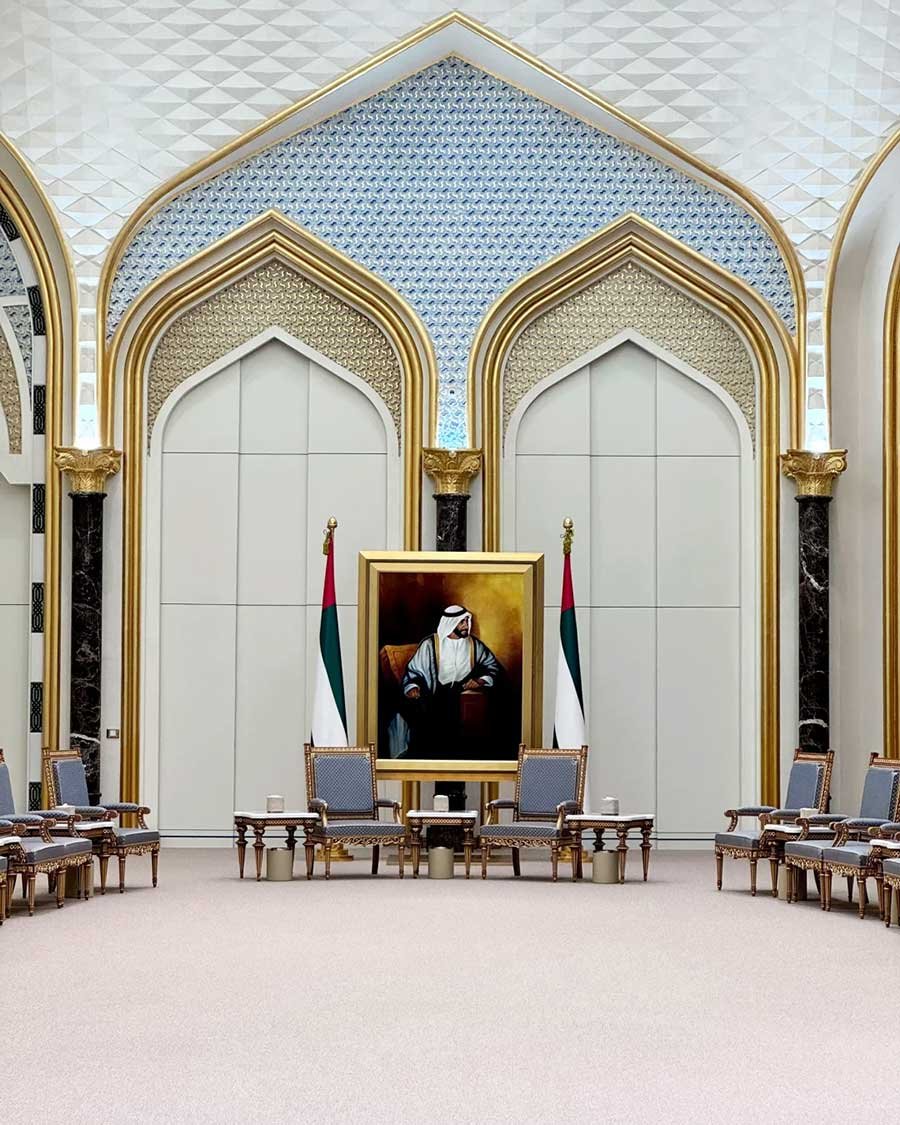
Architectural metal may be applied to almost all critical elements of the interior of the palace. Rather than consider every element separately, designers can unify colors, patterns, materials, and finishes in order to achieve the desired look while keeping distinctive qualities of particular rooms and architectural spaces. Custom production will be helpful when standard sizes do not satisfy the demands of luxury construction.
Decorative Wall Panels and Feature Walls
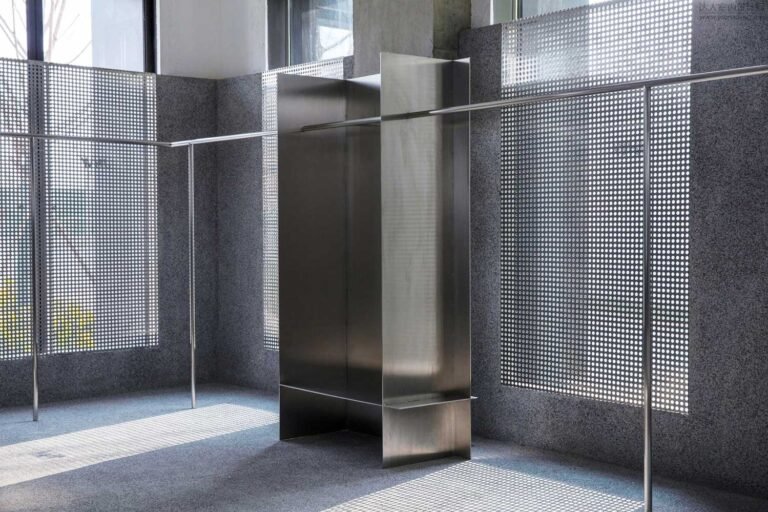
Metal wall panels provide a possibility of transforming ordinary walls into an architectural feature. Patterns or finishes in etched, embossed, perforated, brushed, or paint form of stainless steel will create various impressions based on the patterns and lightening conditions. Finishes such as gold, bronze, champagne, or copper will match well with marble and other premium materials. Furthermore, customized size of panels will contribute to matching of patterns with architectural elevations.
Screens and Decorative Partitions
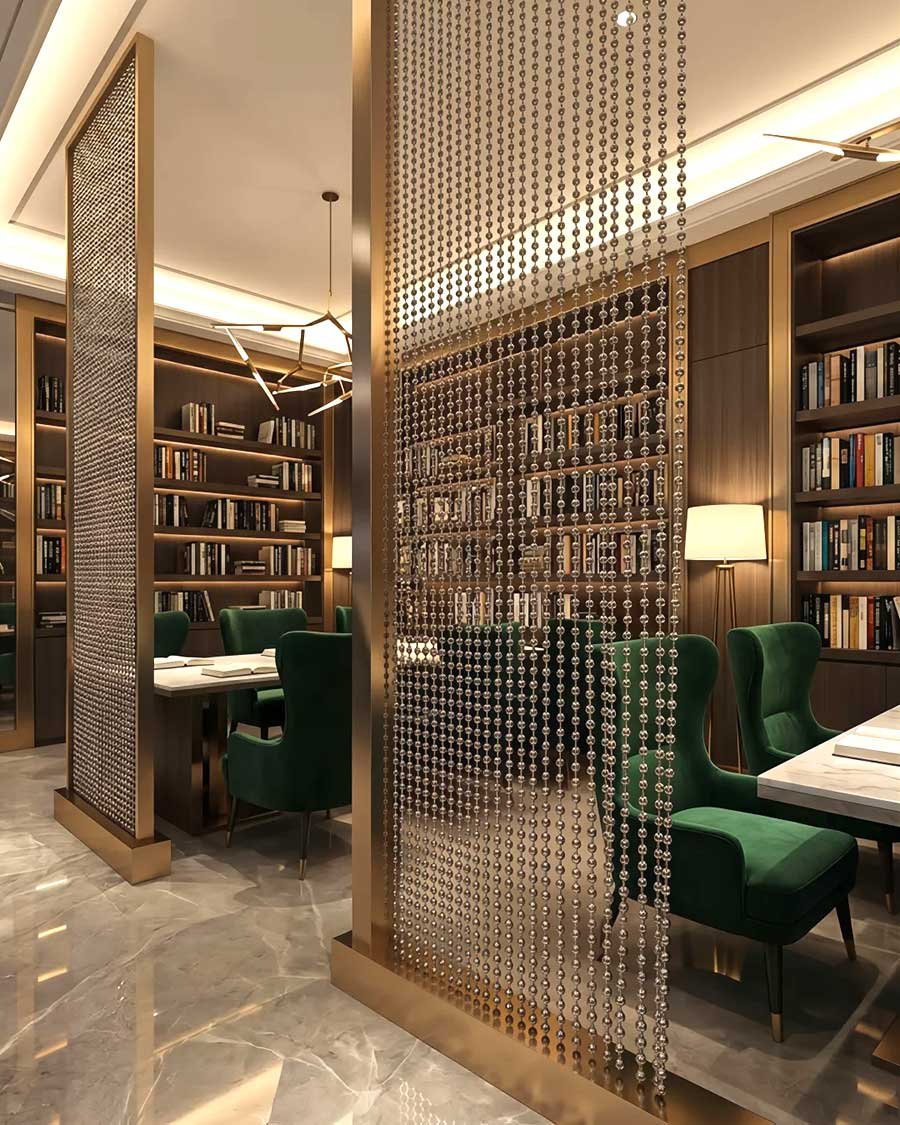
Metal decorative screens are visually attractive architectural elements that may be used as space separators. Screens may be applied to entrance halls, receptions, corridors, dining halls, majlis rooms, or even in any private space. Decorative stainless steel partitions will have laser cut design in geometrical forms, traditional patterns, or something unique. Based on the level of required privacy, screens will have various proportions of spaces and designs. Therefore, one architectural element can perform multiple tasks such as decoration, zoning, air flow, and privacy.
Decorative Ceilings and Column Cladding
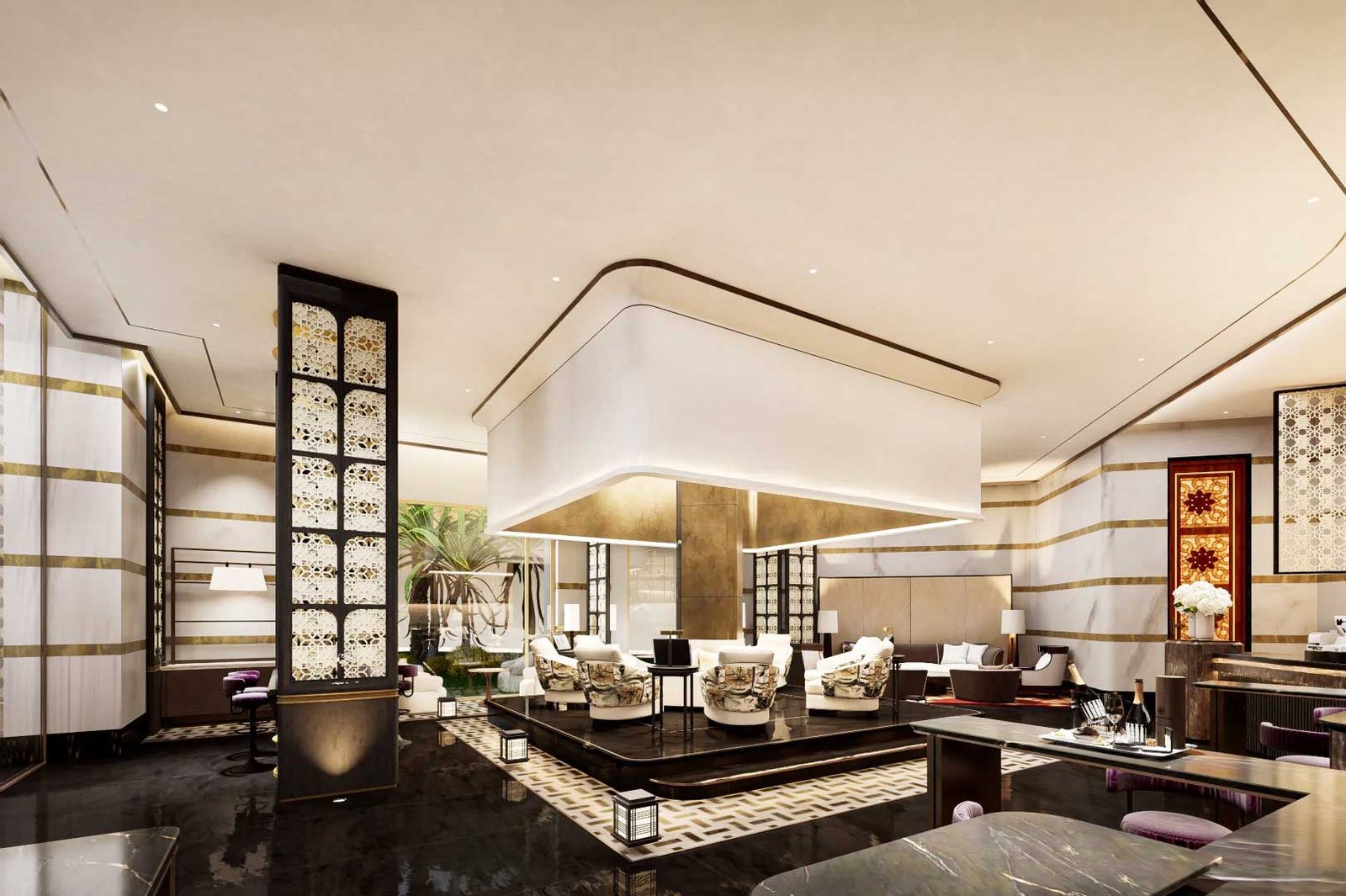
Metal décor can turn ceilings and columns into architectural accents as well. Metal curvature, openings, geometrical design, and custom cladding may provide extra texture and coherence to spacious interiors. Also, column coverings may disguise the structure and support the general decor theme. The coordination of the ceiling panels and column covering along with the wall décor will enable creating an elegant interior space especially in the grand entries and reception areas, as well as in the central part of the palace.
Custom Counters, Furniture, and Interior Details
Metal décor can also involve custom counters, cabinets, furniture, mirrors, elevator décor, door trim, and other elements of bespoke interior décor. The repetition of the same metallic finish for these items will provide extra visual coherence throughout the interior décor. Moreover, custom sizes will let you integrate every element perfectly into the architectural design. It is especially relevant when the palace interior design requires custom-made furniture pieces or other interior elements that cannot be obtained off the shelf.
Material and Finish Selection for Middle Eastern Palace Projects
Material selection plays an extremely important role in determining aesthetic appearance, longevity, economy, and manufacture ofarchitectural metal works. Stainless steel, aluminum, brass, and copper are the four different kinds of metals and each one has its own distinct properties. Finish also holds a very important place because the same metal base can look totally different after it has been polished, brushed, etched, painted, or any other kind of finishing.
Stainless Steel for Durable Architectural Decoration
Stainless steel is very popular in the creation of premium architecture due to its strength, high corrosion resistance, and dimensional stability, as well as ease of fabrication. Stainless steel grades can be chosen based on the application purposes, whereas decorative finishes may create various types of surfaces such as mirrored, brushed, etched, textured, and colored ones. It is perfect for walls panels, decorative screens, columns, trims, ceilings, doors, elevator surrounds, and any other architectural elements.
Brass and Copper for Warm Metallic Effects
The visual appeal of brass and copper is warmer than that of the usual silver-colored stainless steel. Brass and copper may blend well with both traditional and modern architecture. These metals can be utilized for decoration panels, trimmings, furniture elements, screens, counters, frames, art objects, etc. Along with marble, stone, wood, and warm lighting, brass and copper can produce a more interesting environment with visual warmth in architectural settings.
PVD and Decorative Surface Treatments
Metal’s surface treatment influences its final color, texture, reflectivity, and appearance. PVD coating can provide high quality metallic colors with uniformity, while brushing gives directionality and mirror polishing – high reflectivity. Etching and sandblasting can give additional texture. Proper choice of the finishing process is crucial when creating palaces due to large decorative surfaces.
Material and Surface Treatment Selection
Obtaining tailored metal products for an international royal building involves a lot of cooperation among the design team, contractor, procurement office, and producer. The supplier must know the nature of the design, its technical aspects and needs. At an early stage of communication, a proper material choice, method of production, assembly techniques, packaging, and installation methods may be found before the start of production.
Stainless Steel for Architectural Decoration
Architectural drawings allow the manufacturer to know everything about the size, shapes, materials, joints, finishes, and places of installation. For complicated projects, some additional drawings like CAD drawings, 3D models, samples, and pictures could be useful. Before manufacturing, an engineering analysis will detect problematic areas and offer fabrication techniques to simplify the process without changing the original design idea.
Brass and Copper for Warm Metallic Tones
Bending, cutting, rolling, forming, welding, and connections may have an effect on the appearance and structural quality of metal products. These elements need to be confirmed before the mass production of the product and not during the installation process. The size of transportation, numbering of elements, packing, assembling, and availability of access at the site are also among the factors that should be considered during proper planning of large decorative structures that will come in easy-to-assemble parts.
PVD and Other Decorative Finishes
Physical samples can prove useful to confirm color, surface structure, reflectivity, thickness, and general appearance of the product prior to the mass production. This is even more crucial in case ofcustomized metallic finishes such as gold, bronze, champagne, etc. After the physical samples are confirmed, they should act as the visual guide of further manufacturing. Regular inspection will ensure that the panels, screens, trims, frames, and other parts look cohesive.
Conclusion
Choosing the right metalwork is essential for achieving a luxurious, cohesive, and durable palace interior. Material selection, surface treatment, custom fabrication, and quality control should all match the project’s architectural concept and practical requirements. With carefully specified stainless steel, brass, copper, or aluminum solutions, buyers can create distinctive decorative screens, feature walls, ceilings, columns, and bespoke interior elements. Choose the right architectural metal products for a refined and durable palace design, and explore JYF METAL for customized solutions.
FAQs about Metalwork for Middle East Palace Projects
Can Metal Products Be Fully Customized?
Of course. Components made from metals can be customized through drawings, size, shapes, material used, colors, surfaces and installation. The combination of cutting, bending, forming, welding, rolling and other manufacturing methods enables the production of special metal structures which allow creating of decorative screens, feature walls, ceilings, columns, furniture, counters and other components that will satisfy the needs of a palace design. They will be not mass produced ones.
Which Metal Is Suitable for Luxury Palace Interiors?
It depends. There is no universal metal to be applied to each palace interior. One of the most practical materials to use is stainless steel due to its strength and finishing possibilities. The usage of brass and copper will be suitable when warmer metallic colors are needed. Aluminum might be chosen when lightweight construction is desired.
Can Chinese Manufacturers Handle Overseas Palace Projects?
The experienced Chinese architectural metal manufacturers are able to provide services to support the projects abroad with customized products, communication on engineering, quality check, packaging, and exporting. For the international customers, it is necessary to check the production capability of the manufacturer rather than just comparing the prices of the products. It is necessary to evaluate the support, sample, drawing approval, quality, packing, capacity, shipping, and communication efficiency before ordering the big project.
What Should Buyers Confirm Before Ordering?
It is necessary for the buyers to make sure that they know the material type, thickness, dimensions, finish, color, fabrication information, tolerance, packing, quantity, delivery date, and inspection before production starts. The approved sample and the shop drawing are especially important when the buyer needs to order complicated decoration project. This can minimize the misunderstanding among the architects, contractor, purchasers, and manufacturers.