Column Cladding in Commercial Buildings: From Design to Installation
Table of Contents
Today, the concept of column cladding is much broader than the process of applying finishing materials and refers rather to the basic design approach of commercial architects. Columns, which were originally left exposed as concrete or steel surfaces, have become sophisticated design elements that add value to the whole construction project both aesthetically and functionally.
Modern metal fabrication techniques and products made by companies like JYF Metal enable designers to integrate structural and design requirements in an efficient way, thus making buildings more functional, reliable, and visually appealing.
The Functional Role of Column Cladding in Commercial Spaces
Metal column cladding performs two functions simultaneously. First, it serves the purpose of protection, ensuring that the building elements do not wear out and remain intact. Secondly, it provides for the visual appeal of structural surfaces. The need for such a dual function arises due to the high frequency of traffic in commercial buildings such as hotels, malls, or offices.
Structural Protection and Long-Term Durability Enhancement
With decorative column covers, there is a protective covering that ensures that the column is able to withstand any form of damage, impact, and weathering. In the commercial environment, cladding helps prevent possible damages on the surface and hence corrosion for many years of use. Metals such as aluminum and stainless steel work best in this case since they are durable yet retain their structural integrity. With a reduction in the need for maintenance, consistency is ensured in terms of appearance and functionality within commercial interiors. This is especially important in environments that have potential hazards of contact.
Aesthetic Integration with Architectural Environments
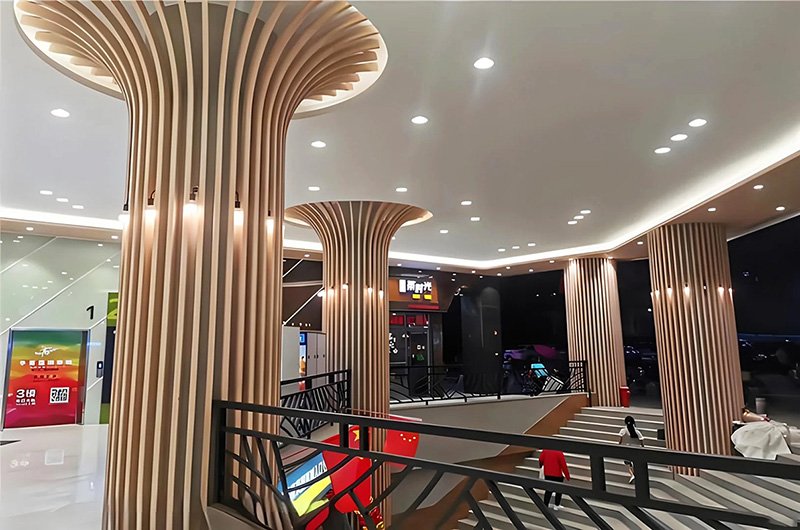
In addition to offering protection, cladding on columns serves another very important purpose of creating an appropriate ambiance for the interior space. In fact, designers sometimes use stainless steel column wraps to ensure consistency with other material used inside buildings including walls, ceilings, and floor coverings. Doing so ensures a consistent approach is taken within the interior space without being disturbed by the presence of columns that have not been incorporated into the design of the space. Today, columns are openly included in interior designs to reinforce the brand.
Design Considerations for Column Cladding Systems
The design stage of architectural column wraps dictates how well structural elements will be turned into an architectural feature. This process requires taking into account the considerations of form, materiality, and environment. The design choices of any commercial building must make sure that the columns will not only look good but also work as intended, becoming part of the spatial story.
Geometric Form and Architectural Identity Expression
The geometric form of a column has a strong influence on perception and experience. Circular forms are generally fluid and soft and can easily fit into luxury retail or hospitality spaces. Square and rectangular forms convey rigidity and order, thus making them appropriate for office buildings and corporate settings. With the use of precise metal fabrication techniques, such forms can be achieved through wrapping and refining the surfaces of cladded columns.
Surface Finishes and Interaction with Lighting Environments
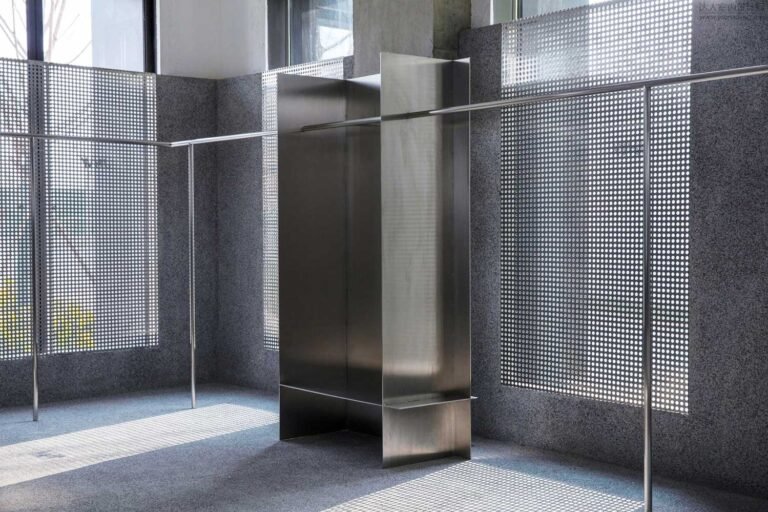
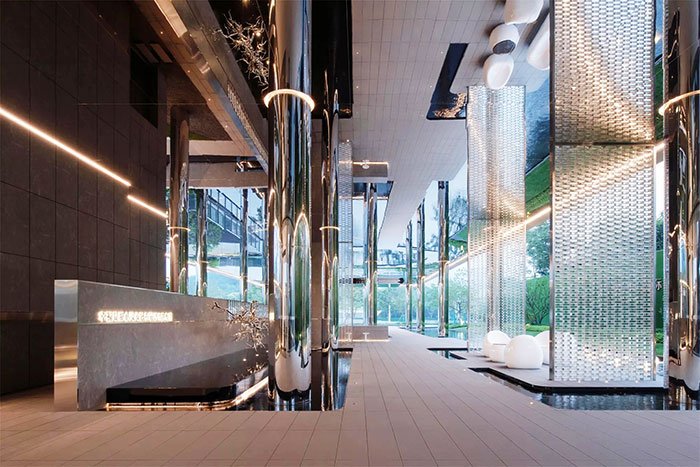
The surface finish plays a vital role in the behavior of the custom metal column cladding when exposed to light. Polished stainless steel is able to reflect the lighting present in the environment, hence giving a feeling of depth and openness inside commercial buildings. Matte or brushed finishes make the interior have an elegant yet contemporary look without any glaring effects. With these kinds of finishes, one is able to manipulate the mood and atmosphere to ensure that the column contributes effectively to the interior.
Customization for Design Consistency and Spatial Harmony
Customization is critical when designing a consistent architectural look especially for commercial spaces. It depends on the particular needs of each project including the size, finish, or modifications to suit particular designs. Customized columns allow designers to incorporate their ideas in the physical structure. JYF Metal provides customized services which help in translating concepts into tangible structures.
Materials and Fabrication Techniques for Column Cladding Systems
Material choice and methods of production are crucial factors in the function and design of column covers. Each material possesses certain qualities related to its weight, strength, and aesthetic potential. In the field of commercial architecture, sophisticated materials and manufacturing processes ensure that cladding systems are capable of meeting all requirements.
Stainless Steel for Premium Architectural Applications
As a strong and resistant material with attractive looks, stainless steel is often employed in top-tier commercial buildings. Stainless steel is preferred for use in luxury hotels, office buildings, and upscale shopping complexes, where visual quality plays an important role in the design. Its capability to obtain various finishes, from mirror to brushed and textured, makes stainless steel a versatile option for different designs.
Aluminum Systems for Lightweight Construction Efficiency
The reason why aluminum is preferred in many commercial projects is due to its weight and easy installation process. By using aluminum panels, you can save on structural weight, but at the same time, aluminum allows great adaptability in terms of complicated forms. The aluminum panel surface can be painted using either the powder or fluorocarbon coating. These properties make them appropriate for airport, shopping center, and exhibition area construction.
Environmental Resistance and Performance Stability
Stainless steel and aluminum are highly resilient to various environmental factors such as high humidity and high or low temperatures. This guarantees reliable performance both inside and outside buildings. Durability of the building material means that less money will have to be spent on its regular maintenance. At the same time, it will help maintain the building architectural integrity.
Precision Fabrication and Seamless Structural Integration
The use of cutting-edge fabrication technologies, such as laser-cutting and CNC bending of metal pieces, is necessary when installing high-quality systems of column panels. This way, there can be a possibility to achieve high dimensional accuracy and flawless transitions between various surfaces. Seamless integration is especially important in luxurious and prestigious commercial structures where all components should look perfectly. By means of using precise engineering skills, JYF Metal Company is able to integrate its products with architectural blueprints very accurately.
Installation Process of Column Cladding Systems
Installing column cladding systems is an indispensable stage in the entire process, transforming concepts into the physical form of an architectural structure. The proper installation is extremely important in order to guarantee both high precision and structural integrity of the object being created.
Site Measurement and Structural Preparation
Site measurement plays a vital role in ensuring that the installation process proceeds smoothly. Prior to either fabrication or assembly of each column, height, diameter, and verticality should be assessed to guarantee a perfect finish when installing the cladding panels. The assessment of the supporting surface is another aspect included in structural preparation.
Supporting Framework and Alignment System Installation
The assembly framework needs to be erected in the environment around the structural column as the foundation for assembling the cladding covers. It is very vital that the alignment of the framework is carried out correctly to ensure that the distance between all the cladding panels is similar and that the installation is precise in all respects.
Panel Assembly and Surface Finishing Treatment
The next process is panel installation with the help of hidden fasteners, which will ensure that the installation process is not messy. It is important to properly install the panels in such a way that there are minimal joints between them and that all joints are properly installed over the whole surface. Polishing and edging are the last steps, which are carried out after the process of installing the surface.
Future Development Trends in Column Cladding Systems
Column cladding is now evolving into an intelligent and adaptive element of contemporary construction design. The following developments are projected to involve sustainability, digital production techniques, and incorporation within advanced building designs. Lightweight components, sustainable recycling processes, and parametric design approaches will become important factors in determining the shape of future column cladding systems.
With continuously growing demands from architects, architectural column will cease to be solely an ornamental feature and will begin functioning as an interactive component. Companies such as JYF Metal help in making this happen by providing customized cladding solutions with engineering perfection coupled with architectural possibilities, thus keeping commercial buildings both visually appealing and efficient.
Conclusion
Column cladding enhances aesthetics as well as protection for commercial buildings. It helps make the columns more appealing visually as architectural elements. Selecting an appropriate system will guarantee its efficiency in the long run. Explore more solutions at JYF METAL for customized metal column cladding systems, delivering superior durability, precision craftsmanship, and modern architectural excellence.