Aluminum Curtain Wall Decoration: A Modern Solution for Architectural Design
Table of Contents
Architectural design in modern times achieves its primary visual impact through the application of aluminum curtain wall systems which serve as essential elements in commercial buildings and hotels and upscale public areas. Architects and developers now seek better exterior materials because design needs have advanced beyond their earlier use of materials which only provided basic weather protection. The current design requirements drive architects and developers to seek façade systems which achieve dual purposes of creating attractive building frontages and providing structural support and enduring value.
Aluminum curtain wall systems successfully meet these expectations through their lightweight construction and their ability to support various design options and their capacity to deliver effective functioning in all environmental conditions. The non-load-bearing exterior system protects building structures from weather conditions while it improves the building’s visual appearance, which explains its widespread use in modern architectural designs throughout the world.
What Is Aluminum Curtain Wall Decoration and Why It Matters
Aluminum curtain wall decoration defines an exterior building facade system which employs aluminum materials to improve both building operational capabilities and its aesthetic design. The system uses aluminum panels together with support frames and fastening systems to create an all-encompassing protective outer shell which may also include glass or composite board materials.
Lightweight Structure with High Strength
Aluminum curtain wall systems achieve high structural stability because the material provides an exceptional strength-to-weight ratio which enables designers to construct buildings with reduced weight. The advantage becomes crucial for high-rise buildings and extensive commercial developments because structural weight management determines safety requirements and foundation design and construction expenses. Aluminum curtain walls deliver engineering benefits which result in economic gain for construction projects.
Non-Load-Bearing but Highly Functional
The aluminum curtain walls serve essential protective functions while maintaining their complete building protection role. The system protects against wind pressure and rainwater and dust and temperature changes. The modern systems now use insulation layers together with sealing technologies to create thermal insulation which allows indoor spaces to remain comfortable while reducing energy usage throughout the building’s lifetime.
A Key Element in Modern Architecture
Aluminum architectural facade panels have become a signature feature in modern architecture due to its clean lines and ability to create smooth continuous surfaces. The systems allow architects to create façades which showcase modern design trends and current technological innovations. The architectural style of cultural landmarks and office towers enables buildings to achieve an eye-catching appearance which matches their upscale business identity.
Key Features of Aluminum Curtain Wall Decoration
Aluminum curtain wall systems stand out through their advanced manufacturing methods which create customized designs that meet architectural needs and functional requirements. The features are beneficial for executing both standard projects and intricate design-oriented assignments.
Rich Surface Finishes for Visual Enhancement
Aluminum panels can be treated with a wide variety of surface finishing processes which include anodizing and powder coating together with brushing and polishing and anti-fingerprint treatments. The finishes improve visual appeal through their textured surfaces and color options while providing enhanced protection against corrosion and UV light and mechanical damage. The result enables buildings to preserve their original appearance for an extended period after construction.
Custom Patterns and Decorative Flexibility
Aluminum curtain wall decoration enables designers to create unique design elements through their ability to develop customized patterns. The advanced fabrication methods which include laser cutting and perforation and engraving and embossing enable designers to build distinctive façade elements which match their branding or artistic vision. The flexibility of curtain walls transforms them from basic building shells into essential visual design parts of a structure.
Flexible Forming for Complex Structures
Aluminum can be shaped into different forms because the material has excellent flexibility which enables processing into curved panels and angled surfaces and complex geometries. The design flexibility enables architects to create innovative building designs which result in more interactive architectural structures.
High Precision Manufacturing and Installation
Modern aluminum curtain wall systems use advanced manufacturing technologies which guarantee uniform product dimensions and high-standard surface finishes. The precise measurement of the system enables simple installation which eliminates the need for on-site changes while decreasing project duration and enhancing building productivity.

Types of Aluminum Curtain Wall Panels for Decoration
Aluminum facade cladding systems come in different types which construction projects need according to their requirements. The material selection process for façade design requires assessment of performance, cost, and visual effect which different types of materials provide.
Aluminum Veneer Panels
Aluminum veneer panels are popular because they combine high strength with long-lasting durability and tidy appearance. The product consists of high-quality aluminum alloys which maintain their form under various environmental conditions, making it appropriate for interior and exterior use.
Aluminum Composite Panels
The structure of aluminum composite panels consists of two aluminum sheets which are thin and bonded to a core material, providing construction materials which are both lightweight and strong. The smooth surface of the product together with its excellent flatness, makes it perfect for use in both modern architectural designs and renovation projects.
Aluminum Honeycomb Panels
The aluminum honeycomb panels create a sandwich design which produces strong panels that weigh very little. The design of these panels creates high flatness plus strong structural integrity which enables their use for large façade areas which need to meet performance standards and visual requirements.
Combined Advantages: Design Flexibility and Long-Term Performance
The design flexibility of aluminum facade panels combines with its long-lasting performance potential to create a façade solution which architects can use in multiple construction projects.
Flexible Design with Wide Material Integration
Designers can create façades with aluminum curtain wall systems by using glass and stone and ceramic panel materials to show architecturally advanced design results. The ability to combine different materials allows architects to create buildings that maximize visual appeal while achieving different architectural styles. The design process enables designers to create all architectural styles from modern minimalism to elaborate decorative designs.
Strong Weather Resistance and Stability
Aluminum materials demonstrate their suitability for outdoor use because they protect against corrosion and moisture and all weather conditions. The combination of advanced surface treatments with curtain wall systems enables these systems to sustain performance during extreme weather conditions which include heavy rain and strong sunlight and temperature changes. This process guarantees extended material lifespan while maintaining a constant visual appearance.
Low Maintenance and Cost Efficiency
Aluminum decorative facade systems achieve durability which results in decreased maintenance requirements throughout their entire service life. The façade stays intact through multiple years because of its resistance to fading and corrosion and physical damage. Building owners achieve reduced operational and maintenance expenses because their building maintains its visual appeal during its entire lifespan.
Energy Efficiency Support
Modern curtain wall systems use insulation layers and sealing technologies and energy-efficient design features to boost the performance of buildings. The system components reduce energy requirements for heating and cooling because they decrease heat transfer between indoor and outdoor spaces. The system components enhance indoor comfort which supports energy-efficient and sustainable building design.
Applications of Aluminum Curtain Wall Decoration
Aluminum curtain wall decoration is extensively used in various sectors because it provides both functional advantages and visually appealing results. Its flexible design enables it to meet various architectural requirements and different sizes of building projects.
Commercial Buildings and Office Towers
Aluminum ventilated facade systems serve as the primary building material essential for developing contemporary commercial buildings, which deliver sophisticated business designs that boost corporate branding and company identity. The systems enable expansive glass installations combined with unbroken architectural design elements, which result in improved daylight access and development of a more pleasant work atmosphere. The system provides energy-efficient advantages, which result in decreased expenses for energy consumption throughout its operational lifespan.
Shopping Malls and Retail Spaces
Retail spaces depend on their exterior design elements to create customer attraction and increase their brand visibility. Aluminum curtain wall decoration enables creation of artistic building façades, which feature extensive transparent areas and unique design elements along with flexible building designs. The features of the building enhance its visual appeal while creating an inviting space, which enhances the shopping experience for customers.
Hotels and High-End Hospitality Projects
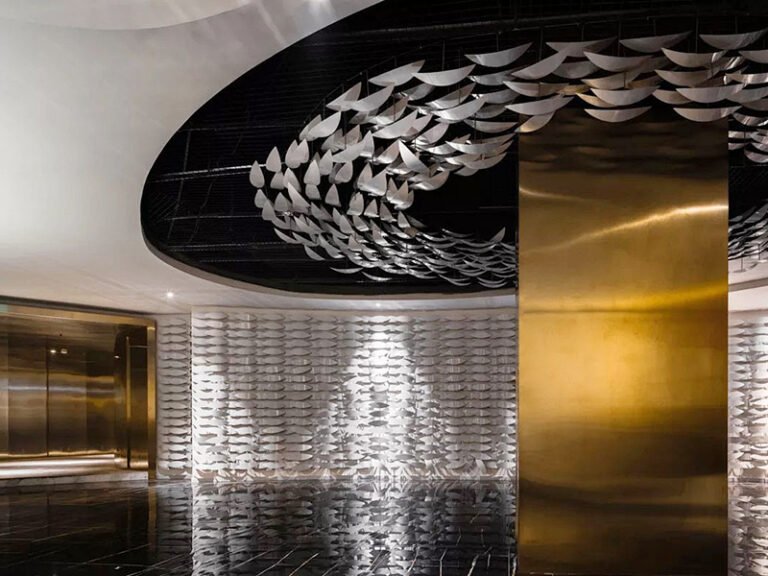
Hotel building design constitutes a vital element, which determines how guests perceive the space and how they position the hotel as a brand. Aluminum curtain wall systems enable hotels to create modern elegant exteriors, which express luxurious quality through their structural design. The combination of their long-lasting performance and simple upkeep requirements makes them perfect for use in busy places, which need continuous service.
Public Infrastructure and Cultural Buildings
The façade systems of airports and exhibition centers and museums need to offer both extensive coverage capabilities and strong visual identity features. The structural requirements of aluminum curtain walls enable architects to create innovative building designs, which showcase their architectural vision. The design enables natural light to enter the space, which results in open interior spaces that create a pleasant atmosphere for people who use the space.

Conclusion
Aluminum curtain wall decoration serves as a flexible exterior design solution which combines contemporary design elements with dependable performance and multiple application possibilities. The material serves as a fundamental building element which architects require because it can be used throughout various industrial sectors. The selection of premium quality aluminum cladding systems enables you to boost building design, extend operational lifespan, and increase project worth.