
Stainless Steel Ceiling Edge Trim: A Premium Decorative Line for Modern Interiors
Table of Contents
Stainless steel ceiling edge trim has developed into a vital architectural component for contemporary building design and indoor spaces. The design element exists today as an elegant decorative line which creates spatial boundaries while improving visual organization and delivering an enhanced atmospheric effect to architectural spaces. Designers use this trim type to create neat transitions between spaces while showing architectural shapes through subtle metal details which enhance the entire design.
This metal trim functions as a vital element which connects practical needs with luxury design elements in both commercial spaces and high-end homes and hotel projects.
Understanding Stainless Steel Ceiling Edge Trim in Modern Design
Before exploring its applications, it is important to understand what stainless steel ceiling molding truly represents within a design system and why it has become such a preferred solution in modern interiors. The growing use of this solution exists because design trends now demand materials which offer exact performance and enduring quality and transparent visual appearance. The rising tendency for seamless ceiling design connected to lighting and architectural components has created a greater demand for sophisticated edge detailing which makes stainless steel trim the primary solution.
What Is Stainless Steel Ceiling Edge Trim
The decorative metal profile known as stainless steel ceiling molding serves to protect and finish ceiling edges while creating a visual link throughout the space. The element establishes spatial limits between ceilings and walls and panels through its dual function as a structural element and decorative boundary. The metal material delivers better straight lines and lasting strength and modern design appearance when compared to conventional plaster and wood materials. The material comes in various profiles which enable designers to create different design styles while maintaining a uniform and refined look throughout the ceiling system.
Why Ceiling Edges Require Metal Trim Solutions
The various materials which meet at ceiling junctions create a weak point which becomes vulnerable to developing cracks and producing unsightly edges and experiencing material degradation throughout time. The stainless steel trim solution protects transitional areas by building a strong protective barrier system which resolves these specific issues. The system establishes visual consistency through its delivery of protection because it generates smooth continuous lines that hide construction spaces. The material delivers an extended service life through its secure system for both residential and commercial needs which demand enduring performance.
The Role of Decorative Lines in Spatial Aesthetics
The creation of spatial perception depends on decorative lines which represent essential components of space design. The stainless steel trims establish visual pathways which create order between different shapes while guiding viewers throughout the space. The trim system generates visual depth through boundary enhancement which creates dimension between flat surfaces. The materials may be used to develop actual architectural design elements or create visual differences between different materials. The element becomes a design instrument which creates visual impact through its function as a finishing touch for architectural spaces.
Structural Features and Material Advantages of Stainless Steel Ceiling Trim
The increasing demand for stainless steel skirting for ceilings stems from its top material characteristics which enable its use in multiple building design applications. Designers select the material because it delivers dual benefits which provide both strength and aesthetic appeal. The material lets designers create custom designs because modern manufacturing methods have advanced their ability to produce intricate designs.
High Strength and Long-Term Stability
The material of stainless steel delivers exceptional power capacity which protects against shape changes thus making it perfect for ceiling systems which need long-lasting strength. The trim component keeps its original design through all environmental fluctuations and minor base shifts. The material protects the ceiling from visual defects which keep it looking clean throughout its lifespan. The material’s ability to remain rigid throughout time delivers an expert finish which prevents any design elements from bending or warping their original form.
Corrosion Resistance and Environmental Adaptability
Stainless steel presents multiple benefits through its outstanding corrosion protection which allows it to function effectively in diverse operating conditions. The material maintains its inner structure and outer appearance under all conditions which include exposure to moisture, room temperature changes, and sanitation product usage. The material works well in spaces which require greater hygienic protection because it maintains its original appearance after multiple cleaning procedures. The material delivers economic advantages through its extended lifespan which reduces the need for product replacement.
Flexible Design and Customization Capabilities
Stainless steel trims offer remarkable flexibility in design, allowing them to be tailored to meet specific project requirements. The manufacturing process allows production of the product in these three styles which include straight and angular and curved shapes while offering three surface finish options which include brushed and mirror-polished and coated. The product offers designers multiple options to create their ideal interior design through flexible design choices which suit their particular needs. The design element of stainless steel ceiling border trim shows its ability to improve architectural designs throughout different types of building design projects.
Design Applications of Stainless Steel Ceiling Edge Trim
Stainless steel ceiling reveal serves multiple purposes because it provides different benefits which improve both practical use and visual appeal in various types of environments. The design solution offers multiple functions which designers can use to create both subtle design elements and powerful visual impacts. Designers and architects achieve improved elegant design through their use of ceiling designs which feature this trim element.
Ceiling Border Definition and Visual Layering
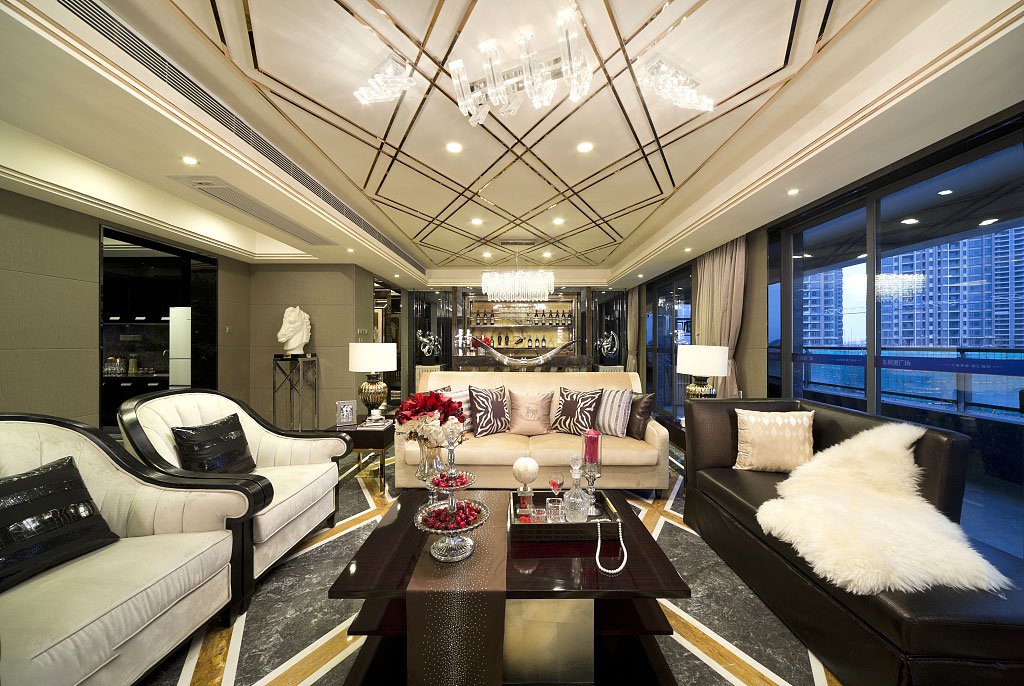
Modern ceiling designs use trims to establish borderlines which create distinct sections that produce visual depth and height differences. The technique creates dynamic ceiling designs through its ability to introduce multiple visual layers which generate visual order from a single different plane. The reflective properties and clean lines of stainless steel create an effect which produces both precise details and sophisticated design elements. The application of these techniques works best in spacious environments because they help create distinct operational areas that enhance both usability and aesthetic value.
Integration with Lighting Systems
The primary function of stainless steel ceiling molding exists to connect with existing lighting systems through its special design features. The trim functions as a frame to establish an unbroken link between LED strips and recessed lighting fixtures. The surface material reflects light which creates a brighter space that people find visually appealing. The combination of lighting elements with metal design details provides functional advantages while creating a stylish contemporary design element.
Enhancing Luxury Interior Environments
Perimeter trims are widely used in high-end interior projects because they create an appearance of luxury and refined elegance. Gold and black titanium and champagne tones provide finishes which deliver metallic accents that enhance the overall visual appeal. The package includes elements which hotels and showrooms and upscale residential spaces use to create spaces that require precise design work. Through steel ceiling edge trim application designers create interior spaces which achieve a sophisticated design and maintain visual harmony.
Installation Considerations for Stainless Steel Ceiling Edge Trim
The operational performance of stainless steel ceiling trims together with their aesthetic appearance depends on correct installation procedures.
Accurate Measurement and Pre-Installation Planning
Successful installation depends on precise measurement. The installer needs to execute accurate ceiling layout work by cutting and placing each trim piece to match the ceiling design. Pre-installation planning helps identify potential challenges, ensuring a smoother process and a more refined final result.
Selection of Suitable Installation Methods
Different ceiling structures require different installation techniques. Some trims create a continuous ceiling design while other trims serve decorative purposes through their surface installation. Choosing the correct method ensures both stability and design consistency.
Managing Thermal Expansion and Movement
Metal materials naturally expand and contract with temperature changes. To maintain a flawless appearance, installers should allow for slight movement through segmented installation or the use of flexible adhesives. The method protects against warping and misalignment that develops over time.
Ensuring Clean Finishing and Alignment
The installation process reaches its final point through the detailing stage. Proper alignment, tight joints, and clean edges are essential for achieving a high-end finish. Workers must maintain accuracy throughout their tasks because even minor errors will negatively affect the complete project appearance.
Design Trends and Future Development of Stainless Steel Ceiling Edge Trim
The design industry today demands aesthetic and functional improvements which stainless steel ceiling molding solutions successfully fulfill.
Minimalist Aesthetics and Linear Design
Minimalism remains a dominant trend in modern interiors, and stainless steel ceiling shadow gap align perfectly with this approach. The products bring a clean appearance through their straight lines, which improve simplicity while providing a minor touch of refinement that suits modern environments.
Integration with Smart and Modular Systems
Ceiling systems have developed into more complex structures because of the rising usage of smart technologies. The design of stainless steel trims allows them to work together with lighting systems and sensors and modular components.
Focus on Sustainability and Longevity
Sustainability is becoming a key consideration in construction and interior design. Stainless steel serves as a recyclable material which lasts long enough to minimize replacement requirements. The material’s strength together with its minimal upkeep needs creates a sustainable building solution for environmental conservation.
Expanding Customization and Design Innovation
Developments in production methods now permit the creation of more detailed design patterns and surface finishes. From unique textures to complex profiles, stainless steel edge guards are evolving into highly customizable design elements that can meet even the most creative architectural visions.

Conclusion
The function of stainless steel ceiling edge trim has evolved into its status as an essential design component for contemporary interior spaces. The material establishes a visual connection between architectural design elements while showing two different design styles through its design features. The demand for superior custom trim solutions which match rising design standards has increased because people want to create their own trim designs. For premium, customizable stainless steel ceiling molding and comprehensive metal decoration solutions, visit us at JYF METAL to discuss your project and unlock the full potential of your space.