Stainless Steel Color Panels in Hotel Projects: Applications and Design Insights
Table of Contents
Modern hotel interiors require materials that balance aesthetic appeal with practical performance and lasting durability. Stainless steel color panels have become the preferred medium of choice for designers who know that they can convert any space into an exquisite working environment. Corrosion resistance, reflective surfaces, and an array of finishes and textures make these panels suitable in lobbies, ceilings, walls, feature and accent zones.
But apart from their winning features, stainless steel panels promote efficiency in operations; they require little maintenance, with surfaces that keep their glossy sheen, even in heavy-traffic areas. Designers applying metallic panels in hotel interiors can forge the atmosphere that feels rich and welcoming with environments gripping not only with visual treats but functional ones as well.
Transforming Hotel Interiors Through Strategic Panel Applications and Design Layering
Stainless steel decorative panels are also quite functional, riding the fine line of manipulating spatial perception, circulation, and interior functionality. The versatility of stainless steel makes it a perfect choice for all areas of a hotel-from busy reception to cozy guest lounge. The designers play with combinations of color, finish, shade, and texture to come up with agitated compositions reflecting the business identity itself and enriching the guest experience.
While the aesthetic qualities are of paramount importance, the practicality of these panels comes into play quite quickly, preventing wear and tear, damage due to moisture, and overzealous cleaning, lending itself to longevity.
When partnered with the illumination and other architectural designs of a project, metallic panels can configure the interior by changing the perception of spaces that can be presented as generic into receive the recognition of signature settings throughout which guests have lasting impressions.
Expansive Color Options for Ambiance and Brand Identity
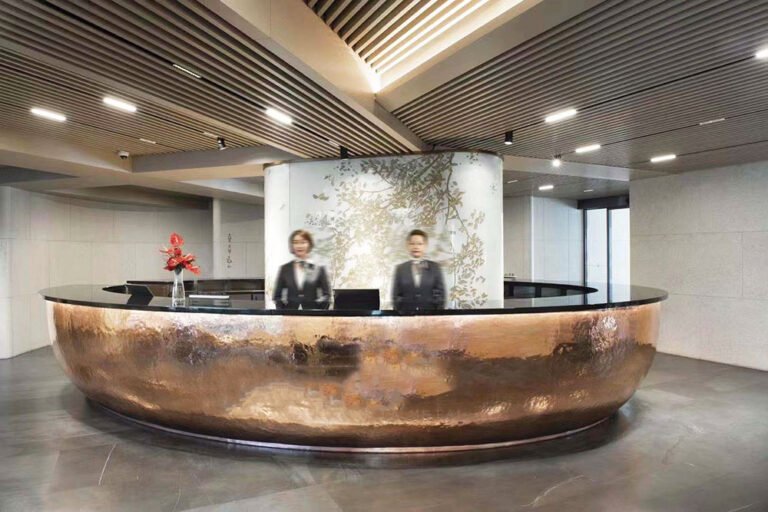
Using metallic or colored finishes, the hotel can create that mood and fortify branding. Warmer tones like bronze and copper give the feeling of homey comfort, to rich luxury and timelessness. Silver and black finishes strike a crisp and sophisticated air of modern minimalism. Rose gold brings in a quiet note of luxury for the boutique or premium experience. Other colors can be customized to communicate brand identity. By layering various shades throughout walls, ceilings, and accent features, designers manipulate spatial depth, directing visual flow into memorable, Instagram-able areas that guests associate with the hotel design identity.
Surface Finishes and Textures That Elevate Visual and Tactile Experience
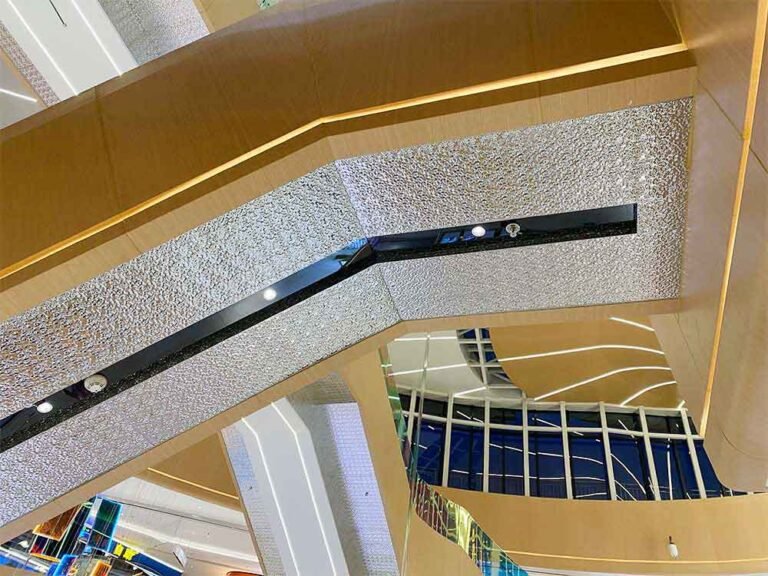
Surface treatment is as important as color design with stainless steel cladding panels. What happens now is that mirror finishes will bounce off light, sometimes making a small pocket feel vast; brushed or matte may give that understated elegance and conceal fingerprints in high-contact areas. Embossing or a certain pattern, geometric or wave-like, even laser etching, creates tactile and visual interest as wall, ceilings, or feature zones become engaged visual experiences. Having the right finish makes a big difference in how a hotel communicates any number of atmospheres-from super contemporary elegant to warm inviting luxury-while not compromising the crucial durability and practicality for an upscale use hospitality area on these surfaces.
Practical Benefits in High-Traffic Zones
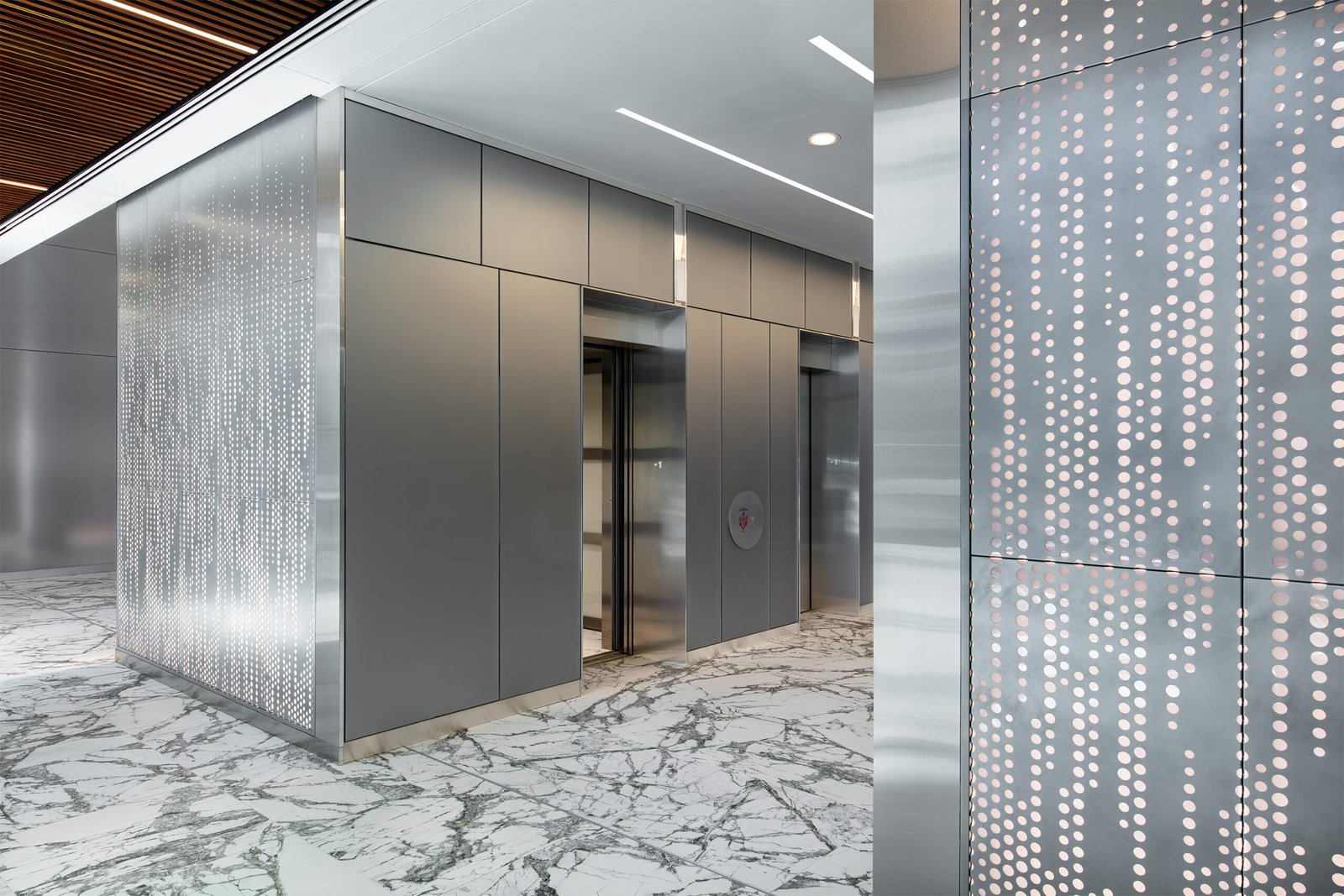
In fact, resilience is one of the core advantages of these stainless steel panels specifically desirable in any area subject to continuous usage. Reception areas, hallways, elevator surrounds, and public lounges all lend themselves to the usage of such surfaces, which are resistant to scratches, corrosion, and fading. The hygienic properties of stainless steel guarantee its easy and safe cleaning-an aspect much appreciated in any restaurant, bar, and wellness facility. Operational efficiency is enhanced by the decimation of aesthetic value after a handful of years, and the reduced frequency of opportunities for maintenance and panel replacement. Combining elegance and sturdy resilience means that hotels can maintain a premium look while minimizing their operational costs, achieving both inviting and pragmatic spaces.
Innovative Ceiling Design Strategies Using Reflective and Colored Panels
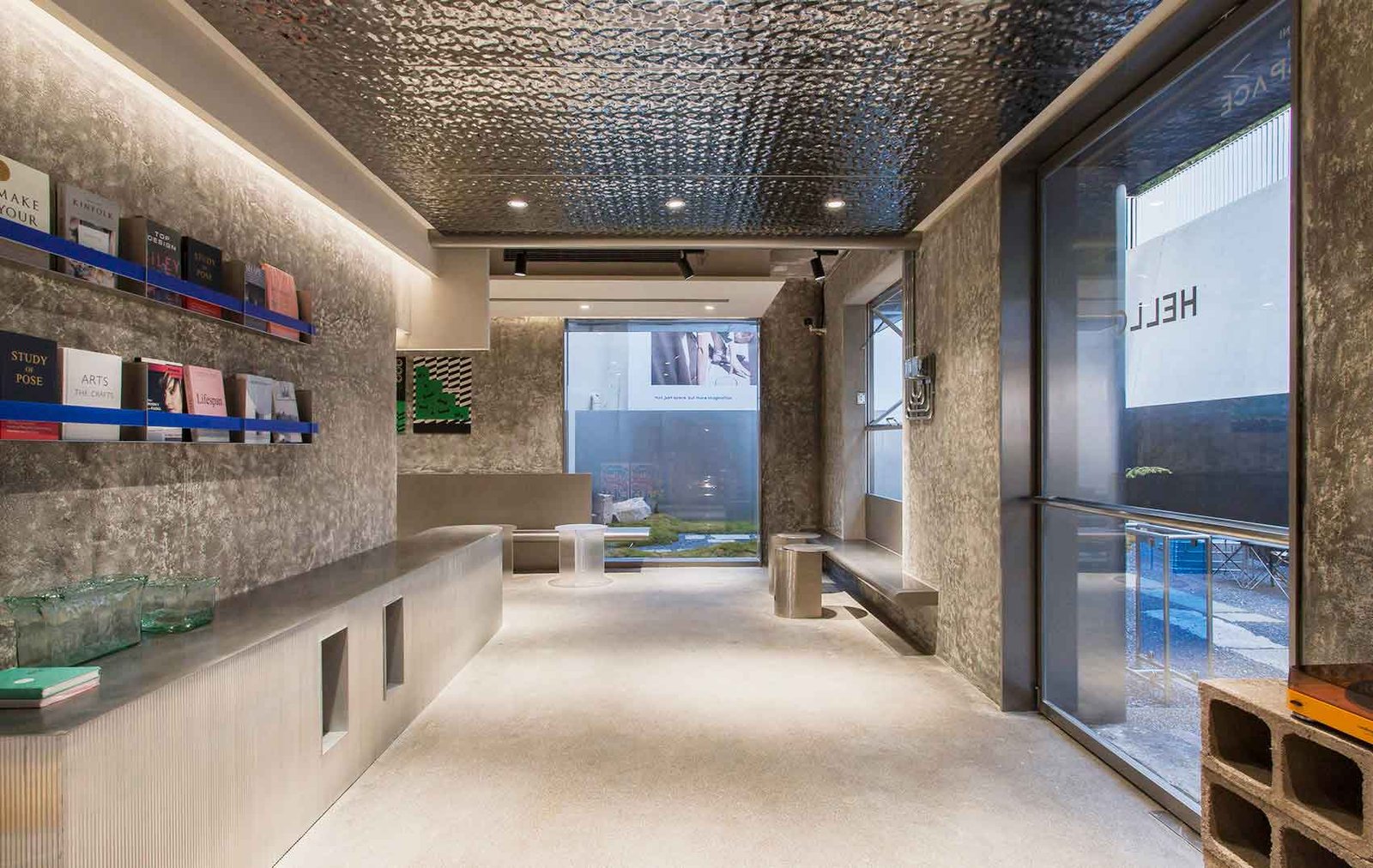
The ceiling has taken on the role of a critical component in hotel design, a single feature to transform spatial perception, influence mood, and adds architectural interest. The use of stainless steel panels in building ceilings allows introduction of colors, reflectivity, and textures to functional ceilings and highly impressive visuals.
Amplifying Natural and Artificial Light
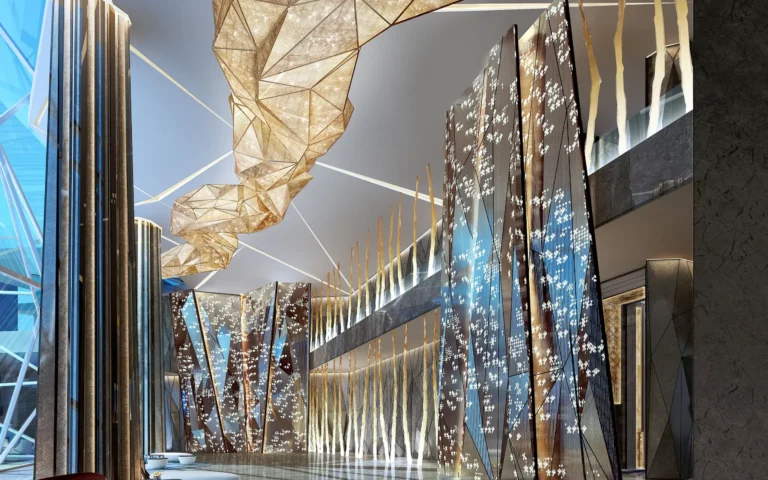
Such ceiling panels are quite effective in reflecting natural and artificial light through polish or mirror finishes. This equipment makes it possible to create interiors, rendering them much better and fuller. Such treatment seems especially useful for lobby areas, lounges, banquet halls, and so much more, where it is very important to open space and ensure comfort for visitors. Additional rules in terms of panel arrangements impose the geometric pattern, undulating waves, or layered grid patterns that create visual movements in traveling the eye across the ceiling while establishing a rhythm that corresponds with other architectural elements: elevating the perception of space without sacrificing design continuity.
Integrating Acoustic Functionality and Safety Features
They have been specifically designed to fulfill two different purposes using perforated and embossed ceiling panels. These will minimize reverberation in larger spaces such as conference halls, restaurants, or ballrooms, creating a much more comfortable and quiet space for guests. With the fire-resistant properties of stainless steel, these panels can safely be placed in public spaces according to the building codes and safety standards. Thus, in one approach to aesthetic design integrated with functional performance, metallic panels would meet relevant visual, acoustic, and safety requirements.
Harmonizing Colors and Materials with Overall Design
The careful choice of ceiling panel colors improves the overall coherence of an interior and mood. Warm, inviting, luxurious environments are created by warm tones such as gold or bronze in combination with dim lighting; cooler metallic tones such as silver, gray, or black produce a more modern elegance. The juxtaposition of several textures or the layering of materials may yield subtle gradients or focal accents, thus fully integrating the ceiling into the overall design story. By careful selection of tone, texture, and reflectivity, ceilings are transformed from mere functional architectural elements into live, dynamic visual features to elevate guest perceptions of the space.
Crafting Memorable Feature Walls and Background Elements
Feature walls and background installations are defining the requisite interior hierarchy that then allows for the adding of further brand identification. They give a window of opportunity for stainless steel paneling, the perfect durable, flexible, and stunning visual façade for writing powerful interior statements.
Lobby Feature Walls That Impress
Very large planters also organize circulation within malls, hotels, and office lobbies; at airports, which are convention centers; and in exhibition centers. An invitation and a professionally designed ambience are created in terms of aesthetics and functionality by stainless steel planters, which offer elegance and structure, while the plant brings in warmth and natural contrast.
Enhancing Corridors and Guest Rooms
Panels in design contribute sophistication and progressiveness in corridors and guest rooms. Brushed or matte finishes minimize glare and therefore reduction in maintenance necessity while warm metallic tones create a cozy and premium atmosphere. Appropriately placed panels can demarcate the movement areas while highlighting the most significant features of a room or creating a subtle visual separation between functional areas: all enhancing aesthetic cohesion, and spatial clarity throughout the hotel interior.
Restaurant, Lounge, and Bar Applications
Metallic panels speak a lot into the character of the ambience and lighting of a dining and lounge area. Warm metallic hues accompanied by ambient lighting create intimacy and comfort, while cooler shades marry with modern, minimalist designs. Patterned or perforated surfaces allow for creative diffusion of light, producing dynamic reflections and textures that enliven spaces. Not only do these panels contribute to aesthetic considerations but also deliver in terms of durability with respect to high usage so that important areas remain appealing visually and operationally efficient across time.
Leveraging Lighting Design to Maximize Impact of Metal Surfaces
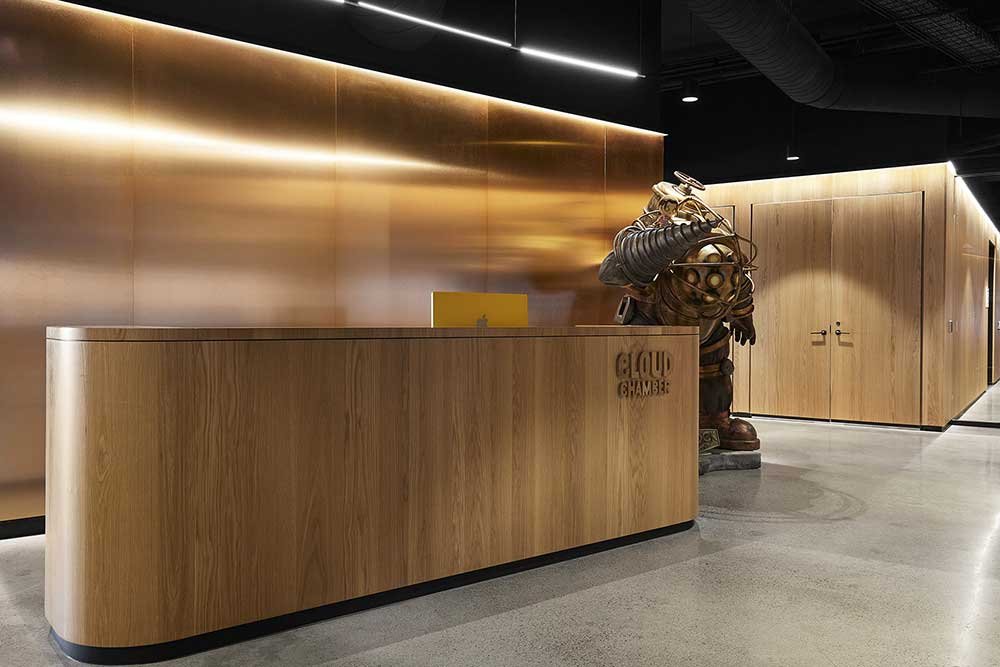
The one thing that influences the perception of stainless steel panels in hotel interiors is lighting. With good lighting design, panels become visually dynamic from normally flat surfaces through the emphasis of reflection and surface textures and finishes, which in turn enhance the ambience within the space as a whole. By strategically using the various types of lighting to enhance the architectural elements and focal points, the peculiarity of mood can be changed for given activities or guest experiences.
Accent Lighting to Highlight Design Features
Accent lighting comprising LED strips, recessed fixtures, and pendant lights can focus on particular design features or architectural elements. For instance, a lit reception desk, art installation, or textured wall panel can create focal points that guide guests’ attention and further the spatial narrative. On metallic panels, accent lighting highlights surface textures and reflective qualities to reveal subtle color variation and depth of materials that otherwise may go unnoticed in the eyes of guests. This technique allows designers to accentuate both the aesthetic and functional aspects of the hotel interiors.
Mood Lighting to Set Ambience
The mood lighting sets the tone for guests to experience warm and welcoming spaces. For example, warm-hued illumination on bronze or gold stainless-steel paneling can produce warm and luxurious glows in lobbies, lounges, or dining areas. In contrast, the cooler illumination reflects modernity and sophistication onto silver or black panels. Using the versatile controls of intensity and color temperature for lighting has enabled hotels to sustain different atmospheres in different zones, enhancing guest experience in agreement with the design narrative.
Dynamic Lighting Effects for Events and Multi-Purpose Spaces
Programmable or adjustable lighting will introduce movement and dramatic visual effects on reflective panel surfaces, fitting for ballrooms, event places, and hotel entrances. As lights reflect off polished or textured panels, reflections evolve along with slower visual-motion effects, changing the perception of the space. Such flexibility allows hotels to alter interiors to cater to any event, from a business conference to that of a social one, in a way that creates meaningful and engaging experiences for guests while demonstrating the versatility of metallic surfaces.
Enhancing Natural Light Distribution
Reflective stainless steel panels can also be involved in the optimization of natural light in interiors. In this way, sunlight is dispersed into the dark cavern of corridors, lobbies, and open spaces occupied by users. Beyond this, such integration aids in energy efficiency by reducing the need for artificial lighting during daylight hours, showcasing more architectural features and design details. Natural and reflective surfaces work together to enhance the feeling of openness and spaciousness; the result being that public areas feel brighter, friendlier, and more engaging.
Conclusion
Stainless steel color panels combine durability, versatility, and aesthetic appeal, transforming ceilings, walls, and accent features into striking, easy-to-maintain interiors. With a variety of colors, finishes, and textures, they help create luxurious, functional spaces that enhance lighting and reinforce brand identity. By choosing this product, hotels can achieve long-lasting elegance and distinctive interiors. Explore more options at JYF METAL.