Stainless Steel Screens in Hotel Spaces: Design Strategies and Applications
Table of Contents
Contemporary hotel interiors increasingly demand materials that combine aesthetics, durability, and multifaceted applications. Stainless steel screens have thus become vital in affording elegance with hygiene and architecture. Carving space with laser-cut panels and tubular structures that are sometimes glass-accented and mesh-screened. Furthermore, these can also strengthen circulation systems and architectural glamour within interiors.
Stainless steel screens, however, do more than create a good visual experience; they have become a part of hotel management efficiency. Stains, corrosion, and abrasions from heavy traffic may not pop their beauty. These elegantly design interiors help the hotel craft memorable experiences for guests with sustained performance in both public and private settings.
Innovative Approaches to Stainless Steel Screen Design in Hospitality Environments
Laser-Cut Screens for Artistic Expression
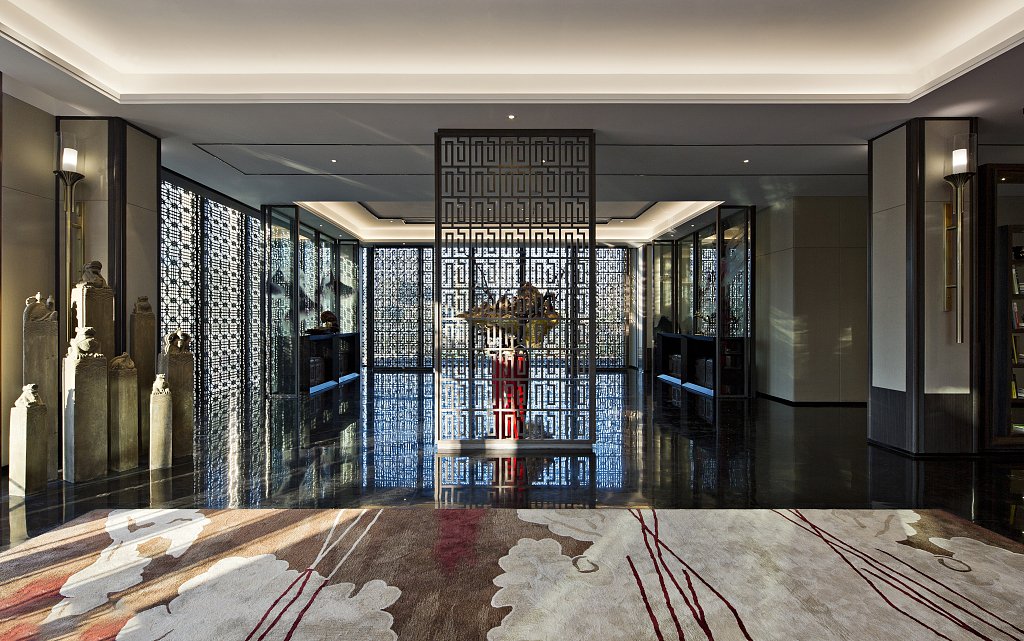
Laser-cut stainless steel panels allow designers to incorporate very finely detailed patterns, logos, or abstract images. From there, these panels convert mundane dividers into colorful centerpieces that playfully interact with light. In hotel lobby/reception areas, such laser-cut screens deepen layering, with an almost tenuous presence granting slight visibility while zoning off.
Patterns can vary from geometric grids to that of nature or organic shapes, in keeping with the property’s design language or brand spirit. Apart from the aesthetics, they also allow airflow and diffusion of light, so that enclosed spaces would feel airy and bright while still being wrapped in separation and privacy.
Having undergone tremendous transformations, far from being simple room dividers, stainless steel partitions are now considered to be artistic objects. They can be both artistic and functional elements in hotel interiors, allowing an interface between design freedom and functional strength. These screens can be tailored in form, pattern, and material to fit the hotel brand on the one hand, and fulfill practical needs on zoning, privacy, and airflow on the other.
By skillful integration of these components, designers can create a memorable first impression in spaces with visual impact, spatial organization, and operational fluidity. The versatility of stainless steel guarantees that, from lobbies to dining areas to guest lounges, these screens would always remain durable and easy to maintain.
Tubular and Frame-Based Screens for Structural Elegance
Tubular stainless steel room dividers combine durability with modern attributes in pure minimalism, suitable for large open areas of hotels. Tubular frames could be laid in various ways: linear arrangements, grids, or custom forms- to define circulation paths, seating arrangements, or conference spaces. Their open structure allows for visual continuity so that no claustrophobic feeling prevails; rather, its functional intent set out to create separation.
Their metallic surface finish will look professional and luxurious and thus strengthen the design vocabulary of the contemporary aesthetic. Tubular screen usage is particularly effective within multipurpose areas, especially where the ability to create less perceived boundaries whilst maintaining a certain sense of openness is vital in the context of actual operational feasibility, as well as guest comfort.
Glass-Integrated Screens for Transparency and Light
The combination of glass and stainless steel frame empowers designers to make more partitions that balance both privacy and openness. Glass panels with frosted, clear, or tinted options work for acoustic separation while ensuring visual connectivity across spaces. This combination would fit in so well with lounges, restaurants, or executive types of spaces where discretion should accompany comfort without a feeling of total enclosure.
The stainless-steel frame contributes to stability and seamlessly complements the modern appeal of the glass. The end product is a solution that checks off durability, refinement, and aesthetics while truly promoting generous diffusion of natural light and depth into the interiors, thus ensuring hotel spaces are more open and inviting.
Woven Mesh Screens for Texture and Versatility
Woven mesh stainless steel screens represent robust and semi-transparent yet attractive design solutions for areas exposed to heavy traffic. Often used in corridors, atriums, or balcony enclosures, mesh screens allow for air movement and provide partial privacy while maintaining an open feel.
Mesh patterns can range from very fine and delicate textures to bold, industrial-style grids, allowing designers to synchronize the style of the screen with that of the hotel’s theme or design language. Also easy to clean and resistant to wear, mesh screens are probably among the best options for hospitality. They generate a layered sense of interest that allows hotels to graciously present movement, organize spatiality, and aesthetically uplift the interiors, all at once.
Functional and Aesthetic Applications in Hotel Interiors
Beyond decoration, stainless steel screens serve practical purposes that better the guest experience and operational efficiency. They help zone spaces, direct circulation, provide vague privacy, and support lighting and acoustic strategies. The designers, by carefully selecting types, patterns, and finishes of screens, can create spaces that are beautiful and functional. These screens can either accent architectural features, frame furniture layouts, or give neutral background textures that help tie together a design language.
Defining Lobby and Reception Areas
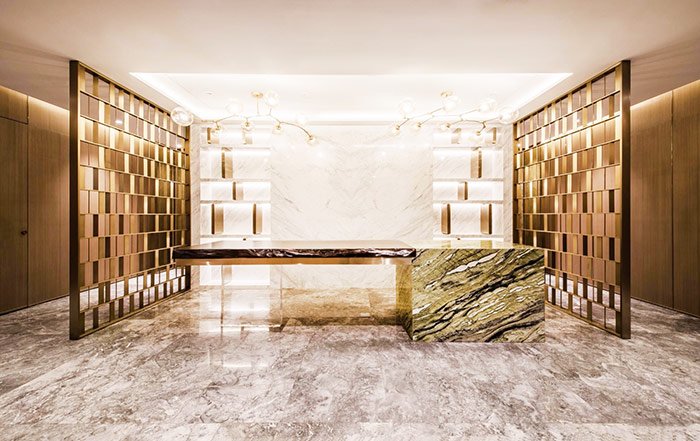
In hotel lobbies, screens organize interesting spaces by directing guest movement. Laser-cut or tubular panels may be used to separate seating areas, frame reception desks, or highlight art installations. Enough zoning occurs functionally without closing guests off from their exits. They add texture, pattern, and light interaction to provide sophistication and visual depth to the public areas. Thoughtful screen placements help circulation, direct consideration, and lay a hospitable first impression that plays a critical role in determining how guests perceive and therefore brand the property.
Privacy and Comfort in Guest Lounges and Restaurants
The stainless steel dividers allow designers to create a balance between intimacy and openness in lounge and dining spaces. Panel glass-accented or with mesh keeps semi-private vibes while still allowing visual connect with the areas surrounding it. The partitions grant greater guest comfort by allowing the conversation area or dining room to feel that much more exclusive, while the actual physical division offers nothing in the way of natural light and social interaction. The finishes of the materialized screen will create a sense of a clean, modern environment, adding to an overall ambience that speaks luxury and elevates the guest experience.
Corridor, Atrium, and Stairwell Integration
In corridors, atriums, and stairwells, the rhythmic layering of screens improves circulation, leads guests through the space, and creates visual connections. Safety mesh or tubular panels can act as directional guides, safety barriers, or decorative screens, each enhancing function with artistry. Their presence enriches architectural detail, introduces soft layering, and frames views, assisting the guest in traversing large or multilevel interiors. By strategically layering screens, hotels become cohesive between functional zones, achieving a sophisticated, contemporary, and visually engaging environment.
Enhancing Spatial Experience Through Material and Light Interaction
Stainless steel partitions interact with light and materiality in ways that augment spatial perception and highlight design features. By wisely selecting finishes, textures, and degrees of translucency, designers may transform partitions into immersive elements, vital to ambiance, spatial hierarchy, and aesthetic narrative across hotel interiors.
Highlighting Surfaces with Accent Lighting
Use accent lighting: LED strips, recessed lights, or pendants to emphasize surface texture, patterns, and metallic sheen of stainless steel partitions. It emphasizes architectural details, gives visual acknowledgment to important places such as reception areas or feature walls, and emphasizes a three-dimensional view of the screens. Good lighting design makes dynamic reflections and shadow play upon the screen with these highlights, enriching the visual experience and reinforcing the intended design narrative while adding refinement and substance to hotel interiors.
Integrating Natural Light and Transparency
Glass and mesh panels permit sunlight to filter into the interiors, thus reducing shadowing and enhancing visual comfort. The screens assist in evening out natural light, whilst maintaining openness in the functional separation of zones. This method would, in turn, increase spatial perception, highlight the architectural features, and contribute to the brightness and inviting nature of the setting, which feels airy, well-lit, and aptly designed for guest comfort.
Dynamic and Functional Applications
Light that is adjustable or programmable may interact with the reflective and textured screen surfaces producing dynamic effects. The light would move across ballroom and event spaces or multipurpose lounges, creating changing reflections and visual movement upon interaction with the metallic finishes. This becomes useful sensibly in creating flexible hotels that can change the spaces for particular events and are more relevant experiences towards maximizing the design values of stainless steel screens in function and decoration.
Customization Opportunities for Branding and Unique Interiors
Stainless steel screens are versatile with lots of customization options, thus enabling hotels to arrive at signature interiors that convey aspects of their brand identity and design vision. There are possibilities of customizing panel sizes and shapes, patterns of any kind, and combinations of materials, resulting in elements that perform functionally, are visually appealing, and are particular to the property.
Patterned and Etched Surfaces
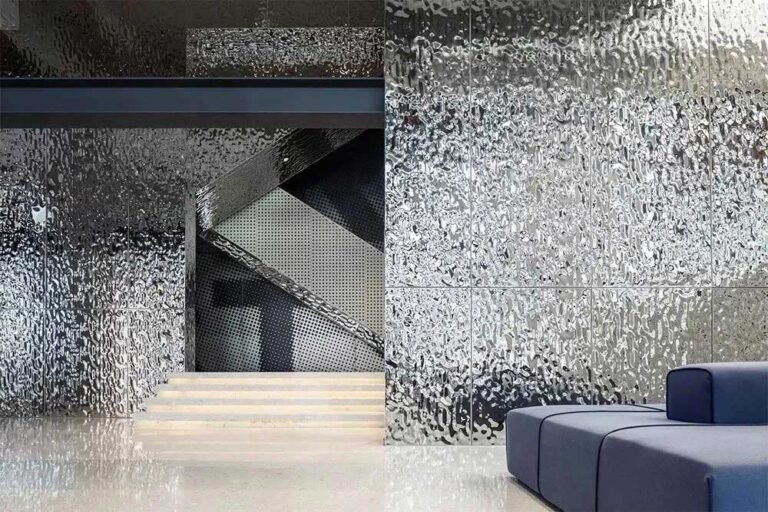
Laser-etched or embossed screens allow the integration of logos, artistic motifs, or thematic patterns. This adds depth, reinforces brand identity, and creates memorable spaces while not overwhelming the design, all the while ensuring hotel interiors remain elegant and distinctive.
Combining Materials for Contrast and Depth
Stainless steel combined with glass, wood, or stone creates textures that add warmth and contrast. This descending gesture enhances the richness of interiors and keeps the durability and attitude of metallic screens, which are used together for the intelligent creation of sophisticated spaces balancing both aesthetics and functionality.
Tailored Sizes and Configurations
Screens can be designed as standard panels, large continuous forms, or even three-dimensional sculptural objects. Custom sizes and configurations allow designers to solve specific spatial conundrums, delineate functional zones, and manufacture visually enticing partitions that interlace seamlessly with other hotel interior features.
Conclusion
Stainless steel screens combine design, durability, and versatility, transforming hotel spaces into functional, elegant, and visually engaging environments. They define zones, enhance lighting, and reinforce brand identity while remaining easy to maintain and resistant to high-traffic wear. By choosing this product, hotels can achieve lasting elegance, practical performance, and distinctive interiors. Explore more options at JYF METAL.