
Blog
Table of Contents
In massive constructions and architectural installations, metal engineering is where the requirements for structuring, functioning, and aesthetics converge. In fact, within metal engineering, high-end systems consist largely of stainless steel due to its strength, resistance to corrosion, and workability. Thus, within metal engineering, quality control involves stainless steel with regard to its material quality, product quality, and engineering quality.
The process of quality control in large-scale stainless steel projects is dealt with in this article, and major highlights are given on the engineering of stainless steel decorative items, including elevator door panels, custom made stainless steel screens, stainless steel sculptures, and architectural components of stainless steel.
Material Selection and Verification in Metal Engineering Projects
Before the process of production and implementation in a metal engineering works, the level of quality to a large extent depends on the process of material selection and testing of the stainless steel used. The material of the stainless steel used in the major projects depends on the strength standards and the stability standards.
Stainless Steel Grades and Engineering Suitability
There are several types of stainless steel that are applied in various ways in the engineering industry. In large metal fabrication industries, the most common types of Austenitic stainless steels like types 304 and 316 are preferred due to their high resistance to corrosion, ability to be easily formed, and resulting high-quality finish. Application of the right stainless steel will ensure that the stainless steel panels used in lift doors and other architectural screens are reliable.
Thickness, Flatness, and Tolerance Control
After the type of material, the other factor that is important is the thickness accuracy/flatness of the sheets. The thickness of the sheets ought to be uniform. If not, the sheets would end up being deformed during installation. Such deformation would influence the appearance of sheets, whereby corrections would be needed during installation.
Surface Condition and Pre-Fabrication Inspection
The pre-processing inspection of the surface quality of the material enables identification of any scratches, rolling marks, and other minor defects that may be exaggerated during polishing and brushing processes. It ensures that only certified stainless steel material is employed in the process.
Material Traceability for Large-Scale Projects
Within the complex project involving multi-batch production stages, traceability is deemed fundamental. Maintaining a record of the source of the stainless steel material together with the quantity of the batches would be fundamental in ensuring quality consistency in the different areas of the structure.
Precision Fabrication as the Core of Metal Engineering Quality
The quality of fabrication will go on to affect the final performance and final looks of the engineered product in stainless steel. Some metal engineering projects, larger in magnitude, may include designed or custom-made parts in stainless steel that require accuracy in regard to surface and dimensional specifications.
Stainless Steel Elevator Door Panels: Flatness and Surface Consistency
The lift door panels made from stainless steel are some of the most visible features for business buildings, as well as for hotels. The quality control involves flatness, straightness, flatness, as well as uniformity for each lot. Laser cutting, besides the CNC bending services, assists in obtaining accurate dimensions, while surface finishing assists in obtaining the best possible appearance for all the lifts.
Custom Stainless Steel Screens and Decorative Panels
The lift door panels made from stainless steel are some of the most visible features for business buildings, as well as for hotels. The quality control involves flatness, straightness, flatness, as well as uniformity for each lot. Laser cutting, besides the CNC bending services, assists in obtaining accurate dimensions, while surface finishing assists in obtaining the best possible appearance for all the lifts.
Custom Stainless Steel Screens and Decorative Panels
In custom production for stainless steel screen partitions, one should take note that these screens must have aesthetic functionality and be stable. In terms of quality control, the main areas to focus on when producing large stainless steel screens are the precision of their cuts when they are lasered, deformation when they are welded, seamless connection, and finishing.
Stainless Steel Sculptures and Complex Geometric Components
Metal sculpture and complex structure manufacture demand high-quality metal fabrication. The key factors concerning quality metal fabrication include the accuracy of segmented metal fabrication, internal structural support within the sculpture, weld strength, and surface continuity on curved sculptures. These factors ensure that two aspects – artistic and safety features – merge within the sculpture.
Structural Stainless Steel Frames and Support Components
Many a time, in situations where there are aesthetic features, the stainless steel framing and support members have to have specific attributes. Accuracy in the fabrication process ensures proper loading, joining, and strength, thereby providing a good foundation even for decorative stainless steel structures.
Surface Treatment and Finish Control in Stainless Steel Engineering
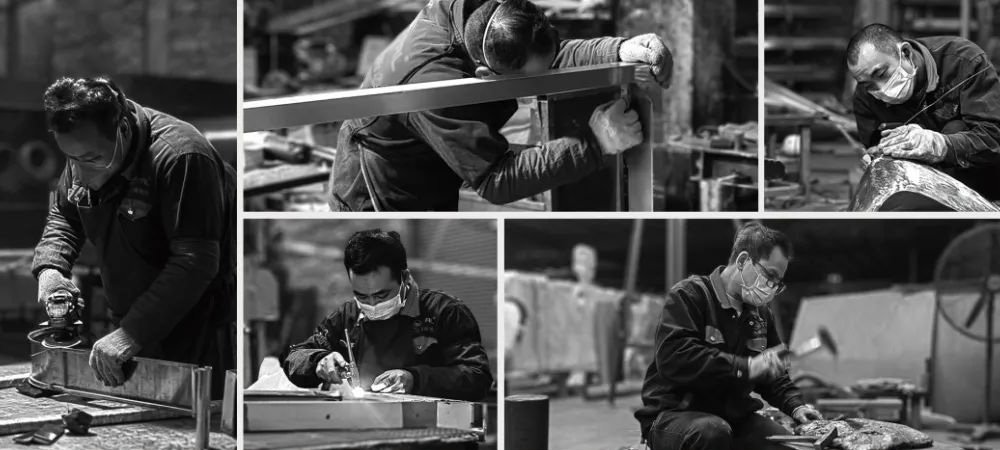
The resulting product will directly affect the end efficiency, functionality, and looks of the stainless steel product. Bulk metal industry operations include using customized stainless steel items, which display high precision in their dimension measurements.
Stainless Steel Elevator Door Panels: Flatness and Surface Consistency
The door panels for the elevators, which are constructed of stainless steel, are among the most noticeable features of a business setup or a hotel building. The quality control process for the produced panels includes flatness, straight edges, and a uniform level of surface gloss. It is possible for manufacturers to produce goods that are exactly dimensional due to the laser cutting process, and techniques such as polishing or brushing are employed to ensure that the effect is uniform, taking into consideration minute differences, which would stand out due to the polished effect of the stainless steel surface.
Custom Stainless Steel Screens and Decorative Panels
Not to mention use in the definition of space in lobbies, shopping areas, and the restaurant industry as screens, stainless steel screens with custom designs are also tested in terms of quality especially in relation to the cutting process required for the desired dimensions, the welding process in relation to this cutting that does not affect the screens in terms of distorting them, and the grinding process in ensuring a seamless merge at the edges. There has to be some level of strength along with decorations on stainless steel to stabilize the larger screens.
Stainless Steel Sculptures and Complex Geometric Components
Large stainless steel sculptures and bespoke architectural features present higher technical challenges. These components often require segmented fabrication, internal reinforcement, and precise alignment during assembly. Quality control emphasizes weld strength, surface continuity, and structural integrity, particularly for outdoor installations where wind load and environmental exposure are concerns. The final surface finish must remain consistent across curved and irregular forms, highlighting the importance of skilled craftsmanship combined with advanced fabrication equipment.
Surface Treatment and Finish Control in Stainless Steel Engineering
Surface treatment is not merely an aesthetic consideration but a critical quality parameter in stainless steel metal engineering. The surface finish directly affects durability, maintenance requirements, and user perception.
Brushed, Mirror, and Decorative Finishes
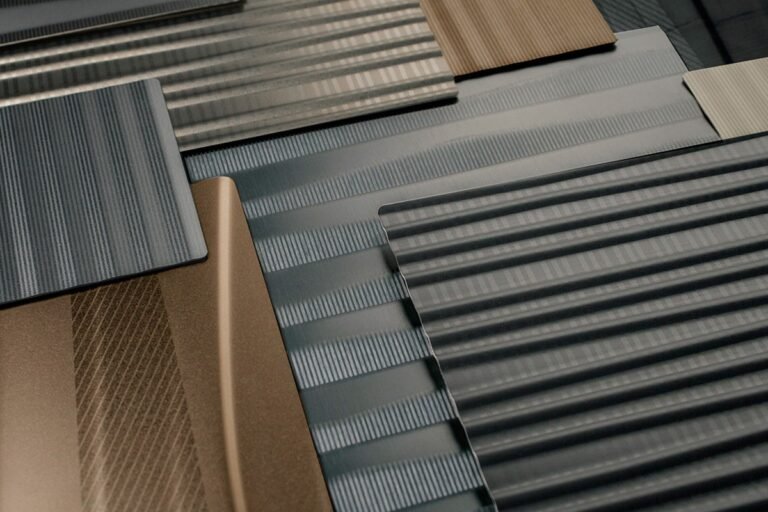
Different applications demand different stainless steel finishes. Brushed finishes are commonly used for elevator door panels and wall systems due to their resistance to fingerprints and scratches. Mirror finishes are favored for luxury environments but require stricter quality control to avoid surface distortion and polishing marks. Decorative techniques such as etching, embossing, and PVD coloring add visual depth while maintaining the inherent properties of stainless steel, provided that process parameters are carefully controlled.
Consistency Across Large Batches
In large-scale projects, maintaining finish consistency across hundreds or thousands of stainless steel components is a major quality challenge. Controlled production workflows, standardized surface treatment procedures, and intermediate inspections help ensure that color tone, texture, and gloss level remain uniform throughout the project, reducing the risk of on-site rejection or rework.
On-Site Installation and Protection of Stainless Steel Products
Even perfectly fabricated stainless steel products may fail to meet overall quality expectations if on-site installation is not properly managed. In large-scale metal engineering projects, installation is the stage where fabrication quality is either preserved or compromised. As a result, installation quality control should be regarded as a critical extension of the stainless steel engineering process, requiring clear technical standards, experienced installation teams, and strict supervision throughout execution.
Installation Accuracy and Structural Alignment
Stainless steel elevator door panels, decorative screens, and cladding systems must be installed with high precision to maintain both visual continuity and structural performance. Accurate alignment ensures consistent joint widths, smooth transitions between panels, and stable load distribution. Effective tolerance control during installation helps prevent visible gaps, uneven joints, and stress concentration, all of which could negatively affect appearance, functionality, and long-term durability of stainless steel components.
Surface Protection During Construction
During on-site installation, stainless steel surfaces are particularly vulnerable to scratches, impact damage, and contamination from dust, chemicals, and construction tools. Protective films should remain intact until final commissioning, and handling procedures must minimize direct contact with finished surfaces. Cleaning and finishing processes should be carefully managed to avoid chemical reactions or surface staining. Proper protection measures ensure that stainless steel products maintain their original finish quality when the project is officially handed over.
Conclusion
Selecting high-quality stainless steel products is essential to ensuring the performance and durability of large-scale metal engineering projects. Professionally engineered stainless steel solutions help maintain precision, consistency, and long-term reliability across fabrication and installation stages. To learn more about how these stainless steel products support complex engineering applications, please visit JYF METAL for detailed information.