Differences Between Indoor and Outdoor Metal Decoration and Material Selection
Table of Contents
Metal decor plays a crucial part in modern architecture and interior designing. It not only functions as a purposeful material but adds to the aesthetic appeal as well. Designing indoor feature walls and outdoor front surfaces made from metals offers both practical uses and aesthetic appeal with a modern and sleek look.
But the key aspect to remember here is the fact that indoor metal designs and outdoor metal designs differ significantly from each other in their purpose and application. This piece will shed some light on these aspects and offer some critical insights into choosing the right metal solutions depending on the desired function and application.
Indoor Metal Decoration Materials and Application Characteristics
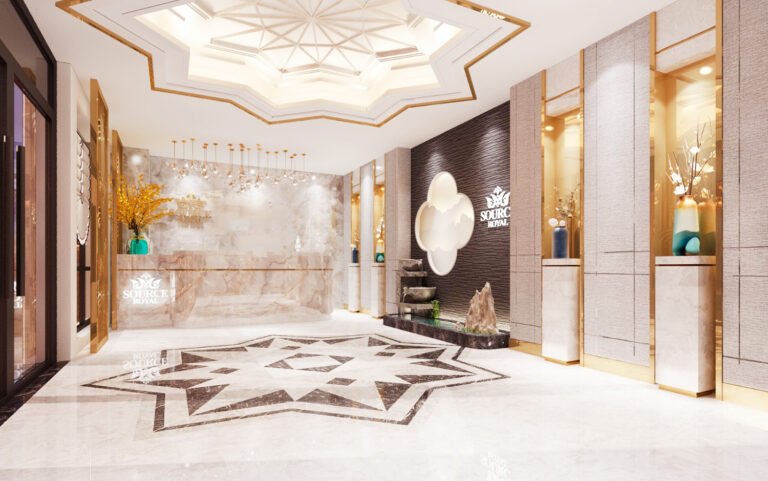
Indoor metal decoration is designed to highlight the aesthetic qualities of metal while ensuring flexibility and harmony. This occurs because indoor decorations are less influenced by weather and provide greater freedom for aesthetic design. Metals are designed to be used in a more functional and aesthetic manner since they are incorporated into the design of a room and provide functionality such as easy maintenance and cleaning. Metal and light interactions are one of the key aspects of making metal decorations aesthetically pleasing and functional. Indoor decorations balance functionality and aesthetic qualities since they turn functional metal into a major design aspect of a room.
Visual Texture and Surface Refinement
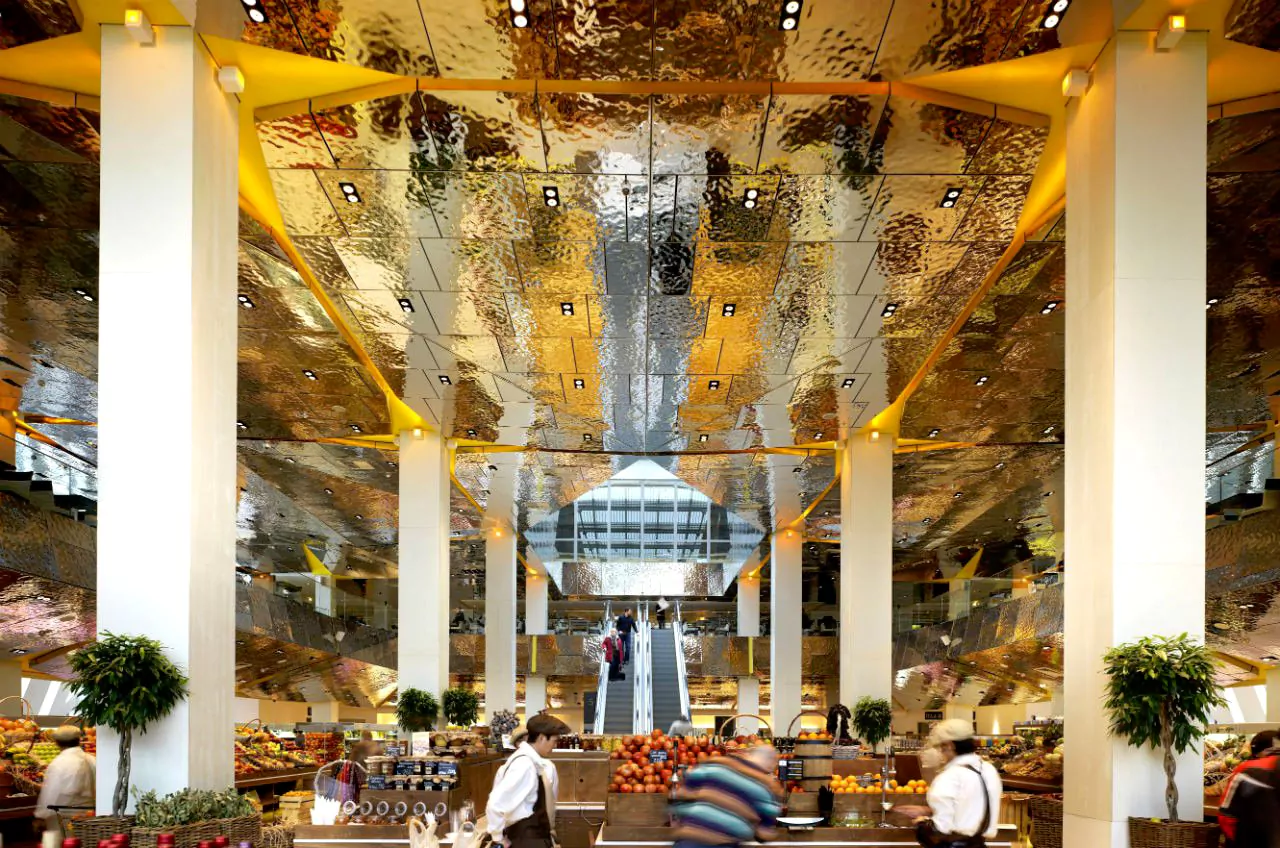
Indoor metal finishes may vary from highly polished mirror finish to brushed finish, each having a different effect to offer. While the polished finish of stainless steel 8K mirror sheet reflects light, thereby making the space brighter and creating an impression of spaciousness, the stainless steel decorative sheet with brushed finish lends depth to the metal, thereby creating an interesting sense of touch, thereby adding to the luxurious feel of metal, thereby making metal a popular material for creating varied interior spaces. Metal surfaces are designed in such a way that they offer long-lasting beauty, thereby making them self-cleaning, meaning very little effort is required to maintain their beauty, adding to their long-lasting effect.
Custom Shapes and Decorative Detailing
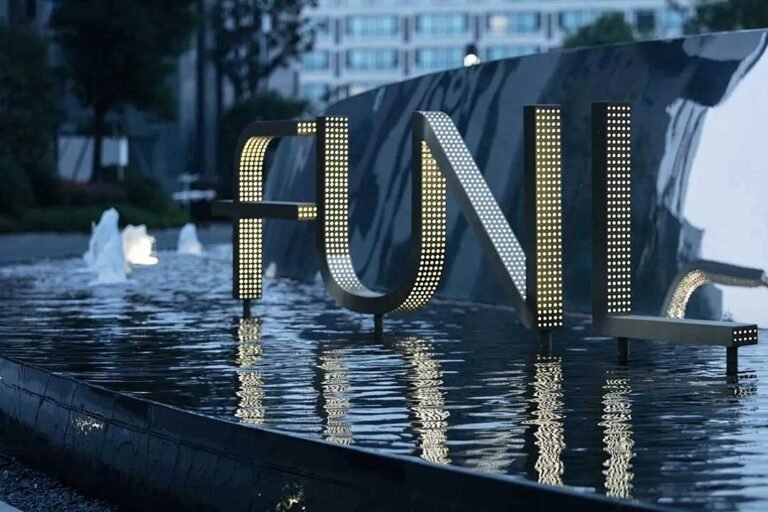
Interior metal panels and profiles can be fabricated into intricate shapes, such as custom laser-perforated stainless steel wall panels or bespoke metal screen partitions, stainless steel curved ceiling trim strips, or stainless steel LED baseboards to meet specific design requirements. The use of laser cutting, perforations, and engraving can result in intricate designs and patterns, which can be applied in making unique designs for walls, ceilings, and partitions. These designs and features can increase visual effectiveness and can be fully incorporated into lighting, furniture, and architectural features through a harmonious and optimally functional and visually appealing environment enabled by indoor metals.
Integration with Lighting and Interior Systems
In indoor designs, these metals can work in conjunction with lighting and architecture that aims for maximum efficiency and aesthetics. For instance, stainless steel display shelving with LED lighting or metal wall niches feature reflective surfaces that amplify the effects of natural or artificial light. However, some indoor designs incorporate other functionalities with the help of metals. For example, these materials can provide acoustic functionality that helps in reducing the echo found in some indoor spaces.
Outdoor Metal Decoration and Environmental Performance Requirements
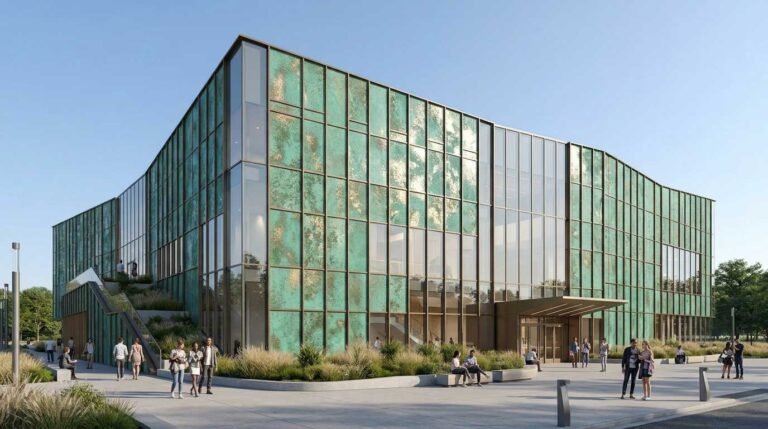
Outdoor metal decoration also has its own set of challenges with respect to durability and corrosion that result from weather conditions, temperature variations, sun rays, and pollutants in the environment. Aesthetic appeal will continue to remain secondary to functionality for metals that are to be used outdoors since it will have to sustain its functionality despite the presence of environmental factors and conditions. The role of aesthetics in choice and usage is also reflected in this application of metals since it combines aesthetics and functionality for its application.
Resistance to Weather and Corrosion
Outdoor materials have to withstand rain, moisture, sunlight, and airborne pollutants without impairing functionality. Stainless steel, aluminum, and treated alloys are commonly preferred for resistance to rust and oxidation. The use of resistant surface coatings, such as powder coatings and anodized coating, adds to the durability of the materials. It thus helps outdoor panels, façades, and other decoration materials retain the desired appearance and integrity for many years, despite the adversities of the outdoor environment.
Alternatively, to embrace the outdoor setting, some designers opt for weathering corten steel, whose rusted surface effect lends a more natural aesthetic.
Structural Stability and Load-Bearing Capacity
Outdoor metal decoration may be a component of building envelopes, facades, or screens. This requires adequate strength to withstand the forces of the wind and thermal expansion. This is crucial if one is to achieve stability. Not only is this essential in relation to safety, but it also determines the system of installing the structure. This is because the choice of material depends on its strength. Therefore, adequate strength can be guaranteed in outdoor metal decorations if suitable materials are selected.
Color Stability and Surface Protection
Outdoor finishes are designed to retain color, texture, and visual consistency despite prolonged exposure to sunlight, moisture, and pollutants. Pvd coatings and anti-fingerprint treatments prevent fading, peeling, and surface degradation. Maintaining consistent appearance reduces the need for frequent maintenance or replacement and ensures that large-scale outdoor installations preserve their architectural integrity over time. Surface protection plays a key role in balancing aesthetics with long-term durability.
Adaptability to Large-Scale Architectural Use
Outdoor metals are mostly used for large surfaces, demanding uniformity in thickness, finish, and quality. Modular fabrication and precision engineering guarantee that more than one panel will blend seamlessly to give a cohesive appearance. Using materials that are outdoor metals will offer functionality, such as ventilation, shading, or privacy, at the same time as offering architectural functionality to the building or structure that will make the metal decoration more functional.
Core Material Differences Between Indoor and Outdoor Metal Decoration
While similar metal types can be applied in both cases, their grades, thicknesses, processes, and fabrication differences vary remarkably. It is very essential to acknowledge this variation in order to ensure that decoration works as it should and maintains its quality.
Differences in Material Thickness and Weight
Indoor metals are thinner and lighter since they are less affected by environmental factors. Outdoor metals, on the other hand, have to be more robust and thick enough to resist the effects of air currents and temperatures, and if they are subjected to impact.
Surface Treatment Priorities
Indoor finishes focus on aesthetics, texture, and light reflection. Outdoor finishes prioritize corrosion resistance, UV stability, and surface durability. Proper treatment ensures metals retain both their appearance and structural integrity in their intended environment, reducing maintenance costs and prolonging lifespan.
Installation Methods and Structural Support
Indoor decoration metals can be hung with hidden supporting structures and light anchors. However, outdoor installations need stronger fasteners and anchors to withstand the forces of nature. Proper installation design is critical in guaranteeing the safety and durability of the decoration metal components.
Functional Roles of Metal Decoration in Different Environments
Metal in both functional and aesthetic uses, depending on whether it is used indoors or outdoors. These uses can only be understood and exploited in design if studied and known by designers.
Acoustic and Spatial Functions Indoors
Perforated or textured panels can absorb sound, reduce echo, and improve acoustics. Metals also define spatial zones as wall panels or ceiling features while allowing light and airflow, such as stainless steel perforated wall cladding or stainless steel water ripple ceiling panels are popular choices. These multifunctional roles make indoor metals aesthetically appealing and functionally beneficial, enhancing comfort and spatial experience.
Climate Control and Shading Outdoors
Outdoor metal screens and perforated panels may contribute to the provision of shadow, solar exclusion, and outdoor ventilation. The advantages include enhancing comfort levels and maintaining visual openness. This functionality has the effect of improving sustainability, energy efficiency, and ornamental value for building façades and outdoor structures.
Safety and Protective Applications
Protective functions of metals exist in both environments. In an indoor setting, stainless steel tile trims or metal corner guards protect walls, corners, or high traffic areas, while in an outdoor setting, they serve as stainless steel railings, screening, or security elements. In this way, metals provide functional plus aesthetic benefits.

Material Selection Strategies for Indoor and Outdoor Metal Decoration
In metal material choice, a balance between environmental duration and design purposes needs to be considered. In this way, not only are functionality and aesthetical appeal guaranteed for decoration, but durability as well.
Aligning Material Properties with Environment
Indoor metals offer greater flexibility in finish, texture, and profile styles. Outdoor metals face challenges of corrosion, UV rays, and mechanical forces. Matching material properties to the environment ensures optimal performance of installations based on their intended functionality and aesthetics.
Coordinating Aesthetics with Architecture
Metal finishes, patterns, and textures must harmonize with surrounding materials, lighting, and spatial proportions. Thoughtful coordination enhances overall design impact, creating cohesive interiors and visually compelling façades that elevate architectural identity.
Evaluating Long-Term Cost and Maintenance
Durable materials with low-maintenance finishes reduce replacement frequency and repair costs. Considering lifecycle performance ensures economic efficiency and sustainability, delivering installations that remain beautiful and functional for many years.
Conclusion
With the differences between indoor and outdoor metal decoration clearly understood, including material thickness, surface treatment, structural performance, and environmental adaptability, designers can make informed decisions that balance aesthetics, durability, and functionality. By choosing this metal decoration product, you can achieve long-lasting durability, elegant appearance, and minimal maintenance for both indoor and outdoor spaces while learning more about the full range of options and specifications directly on JYF METAL .