Perforated Plate
Professional perforated plate can be customized into various patterns.
Perforated Metal Curtain Wall Panels
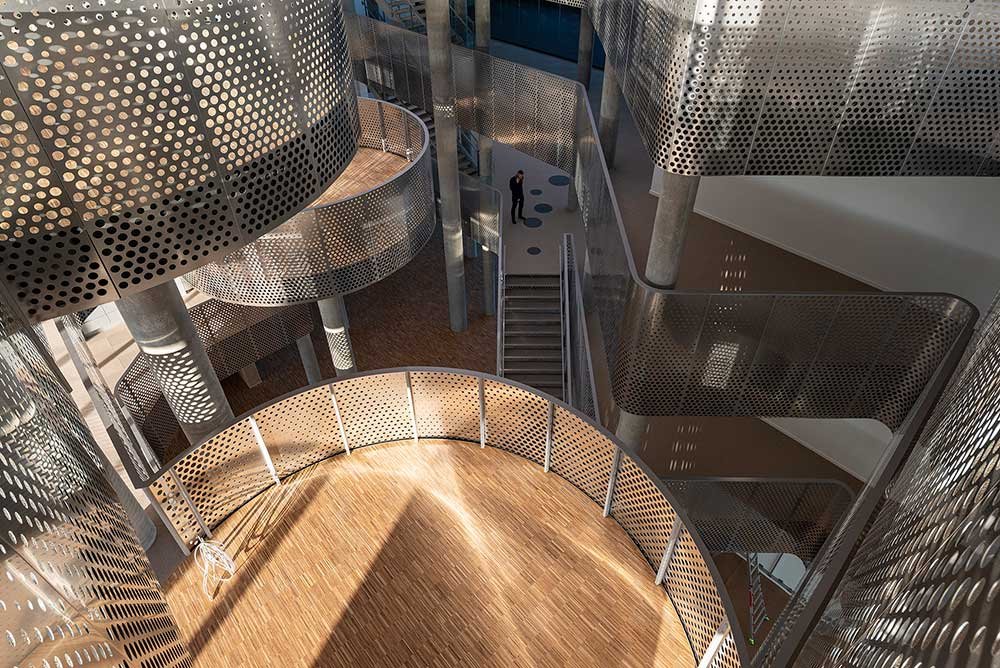
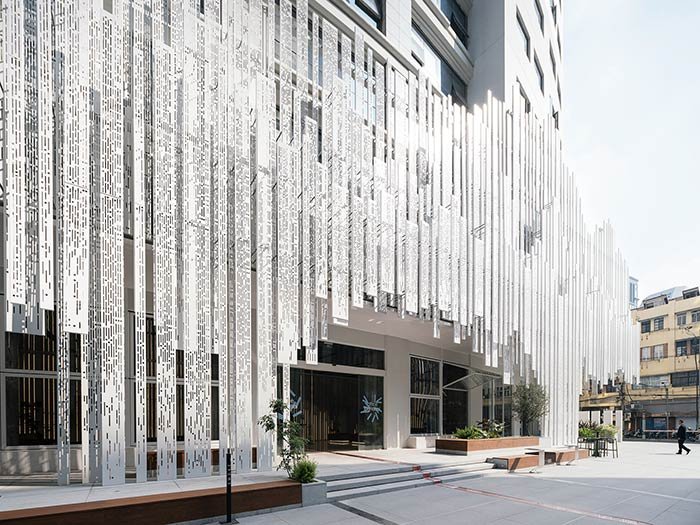
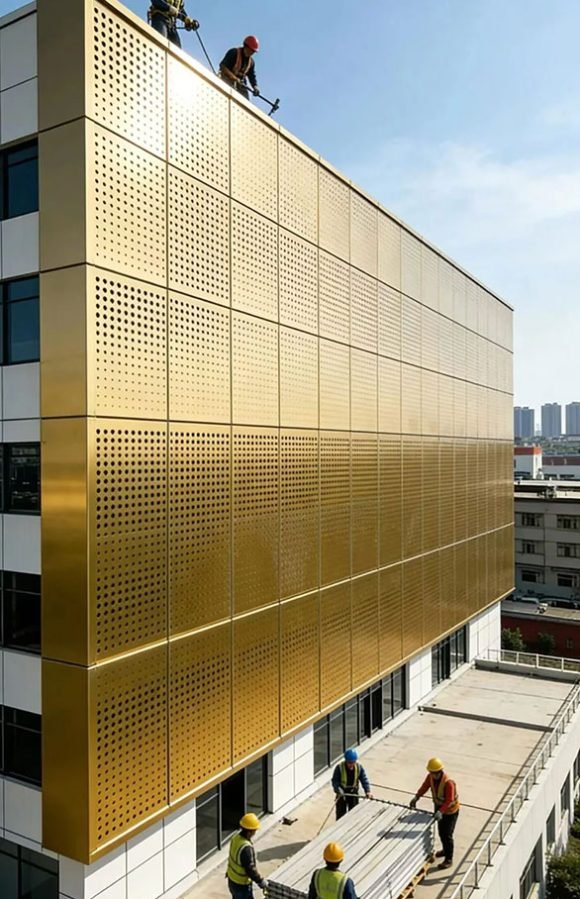
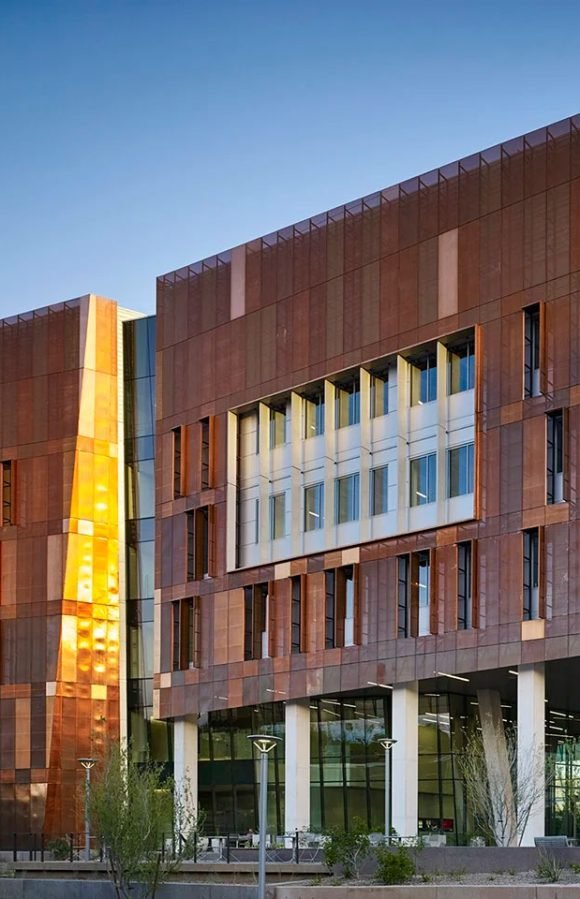
Perforated stainless steel wall panels, formerly known as perforated panels, are one of the most widely used products in the building’s facade curtain walls today, allowing light to penetrate while highlighting the products of modern facilities. The holes are formed on plates of different materials. Material can be stainless steel plate, aluminum plate, iron plate, copper plate, and the process of the various metal plate.
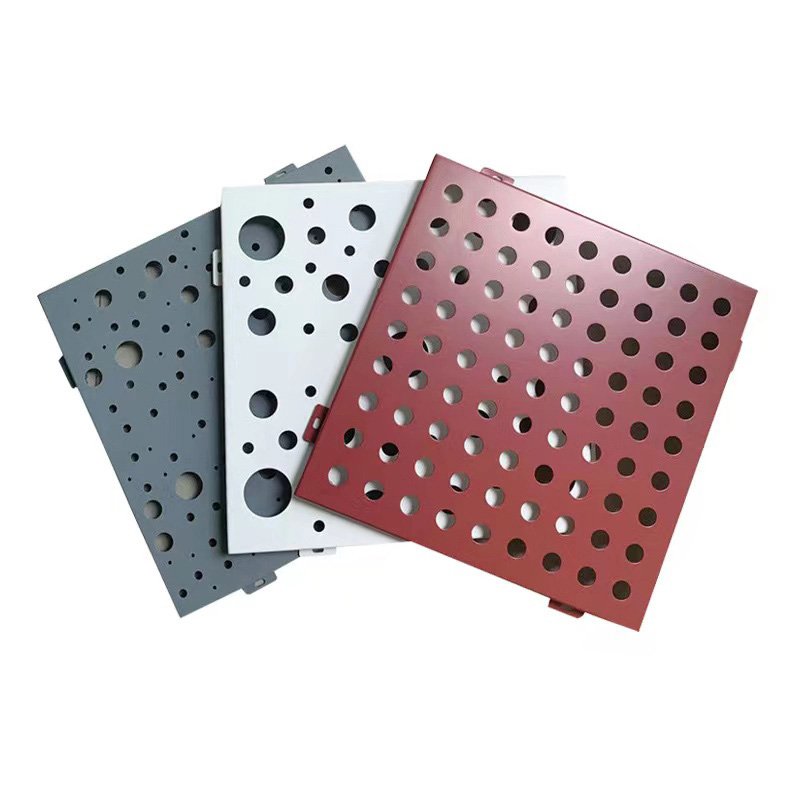
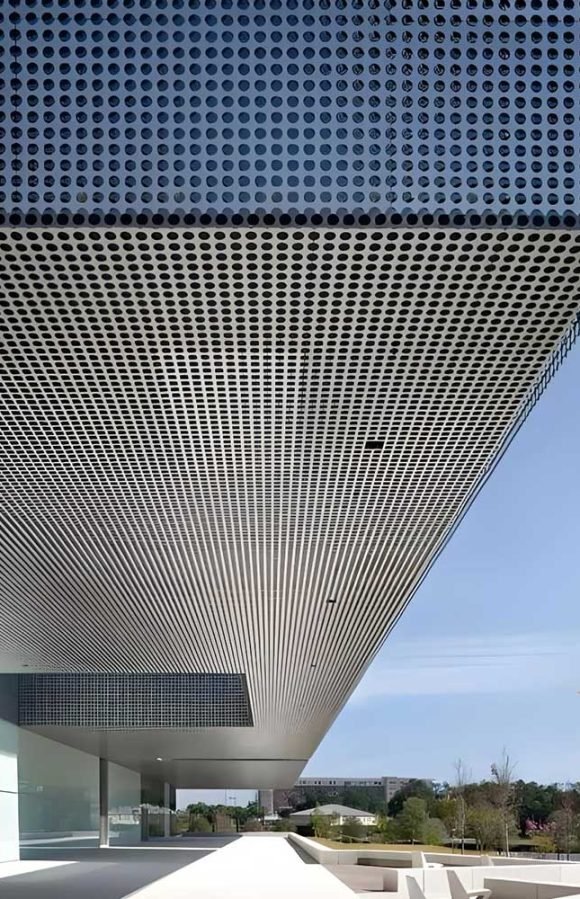
Through the different cutting to achieve the appropriate size in the CNC machine tool for perforating. To obtain the ideal pattern effect of the perforated plate, the designer will use the size of different perforations and density changes, as well as hole spacing and arrangement. Affecting the visual clarity of perforated staggered skin creates novel visual effects. The entire building facade effect, combined with perforating rate, plate thickness, and other factors to reduce solar radiation heat, reduce energy consumption role.
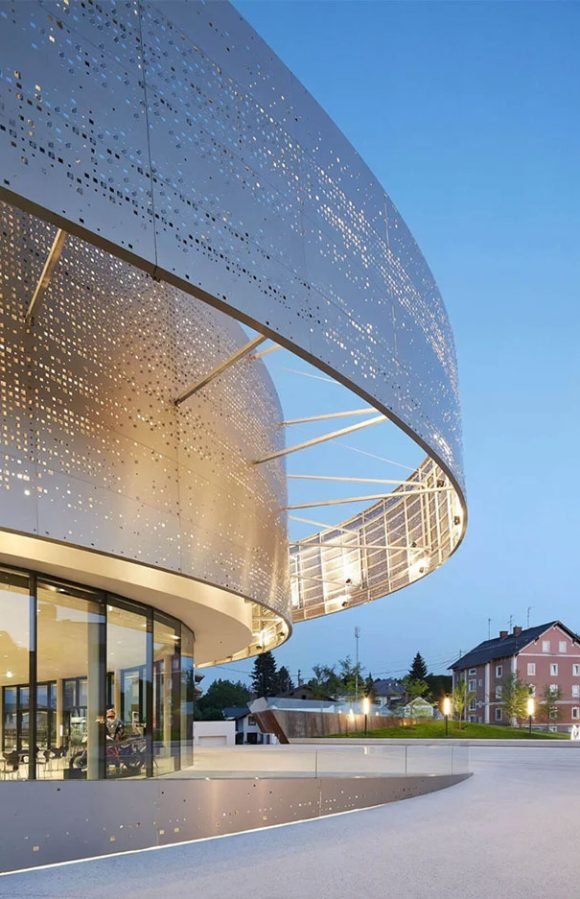
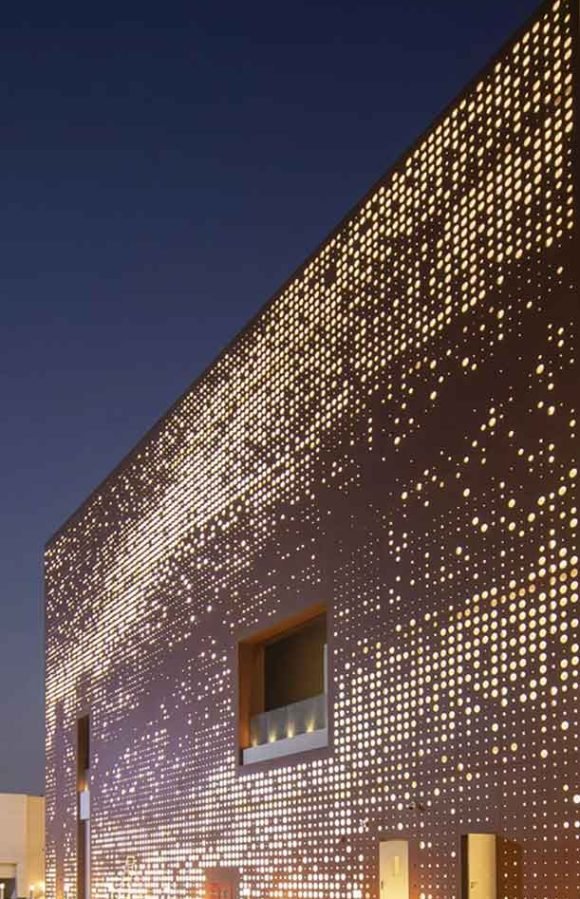
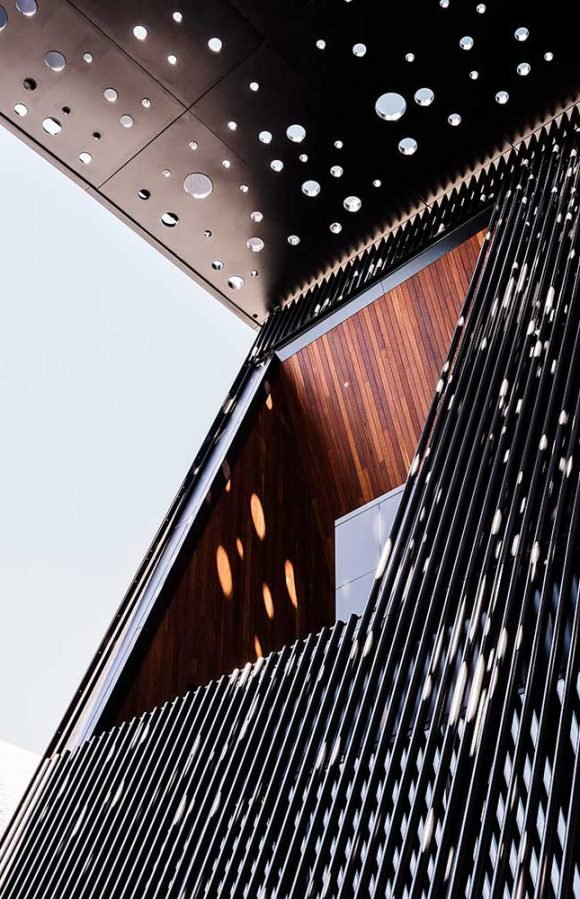
The use of light and shadow holes to express the building in the day and night to pass the overall visual sense and the modern sense of the city, most of the use outdoor buildings in the outer curtain wall, such as the opera, the library, the Museum of Art.
Shape Selection of
Perforated Metal Curtain Wall Panels
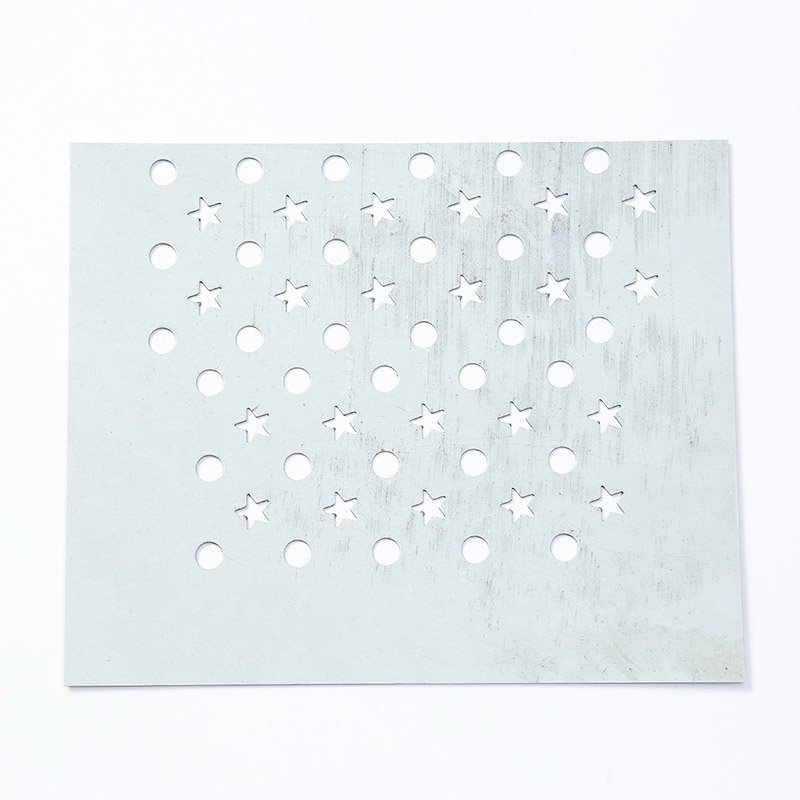
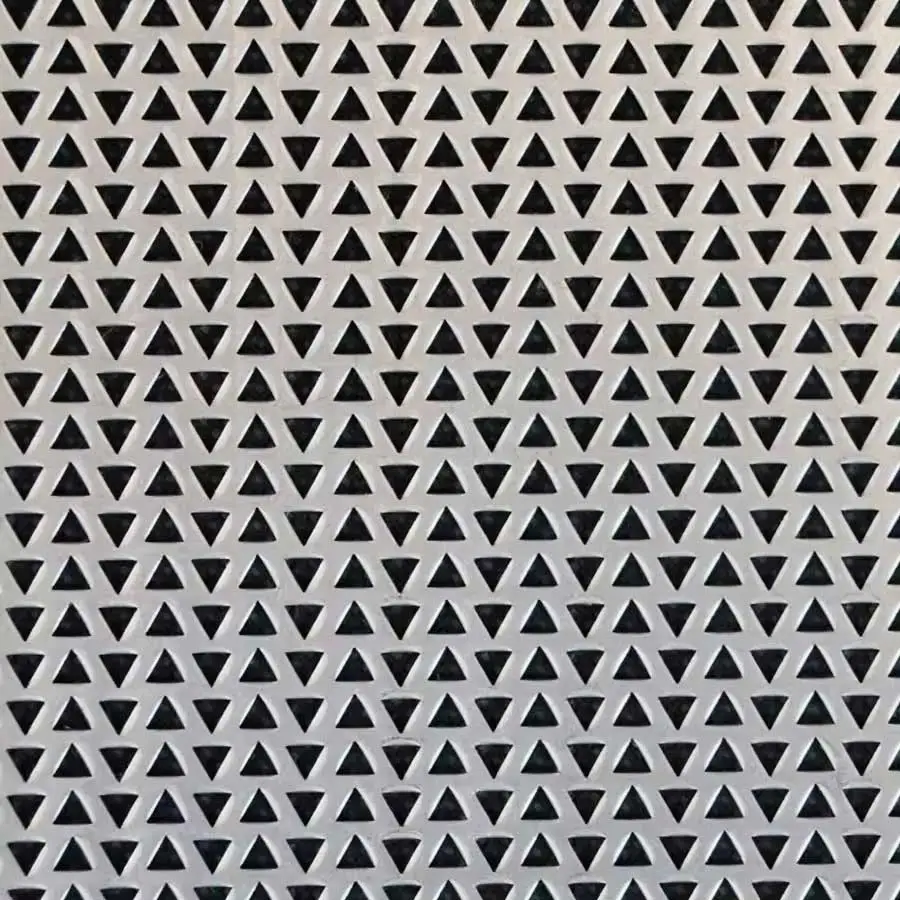
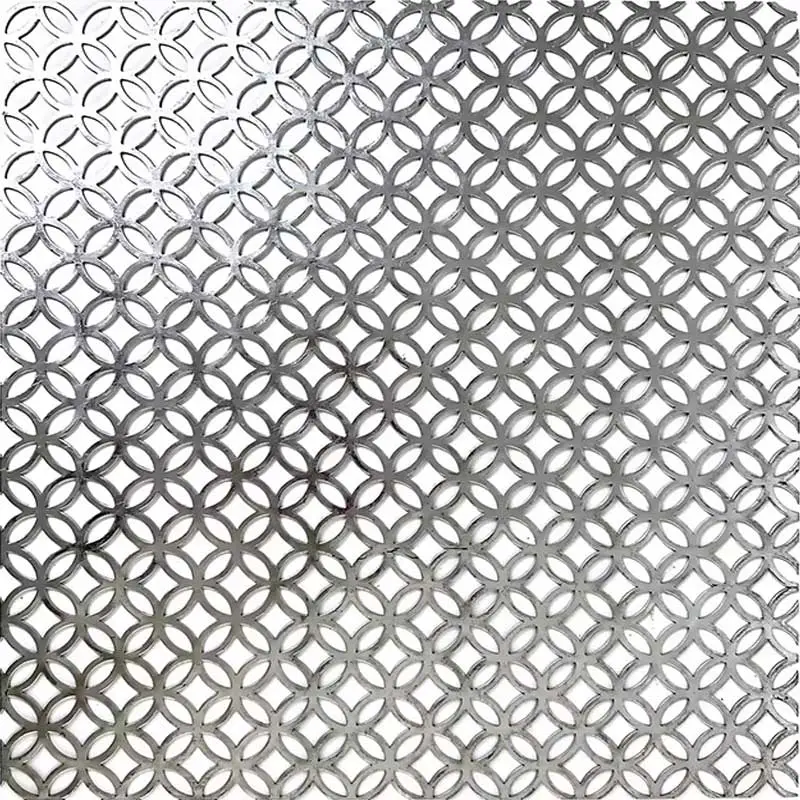
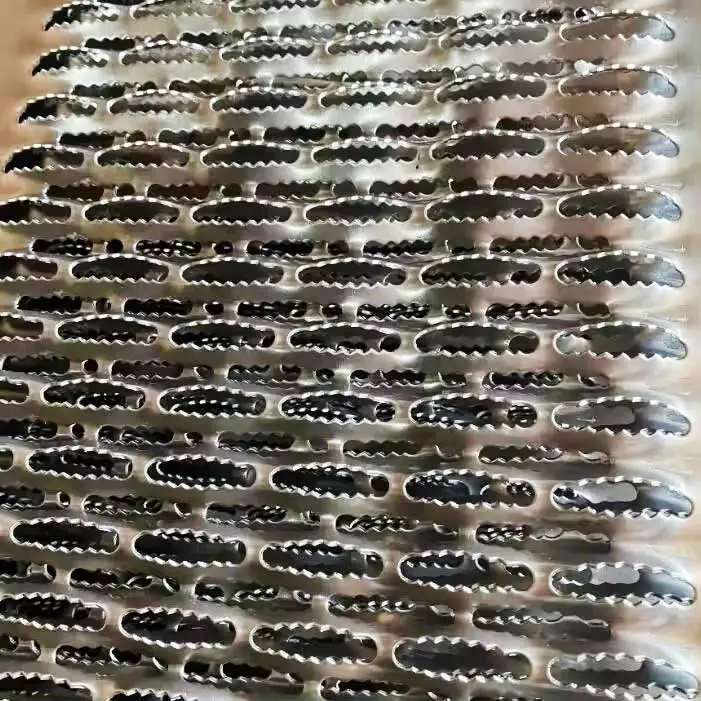
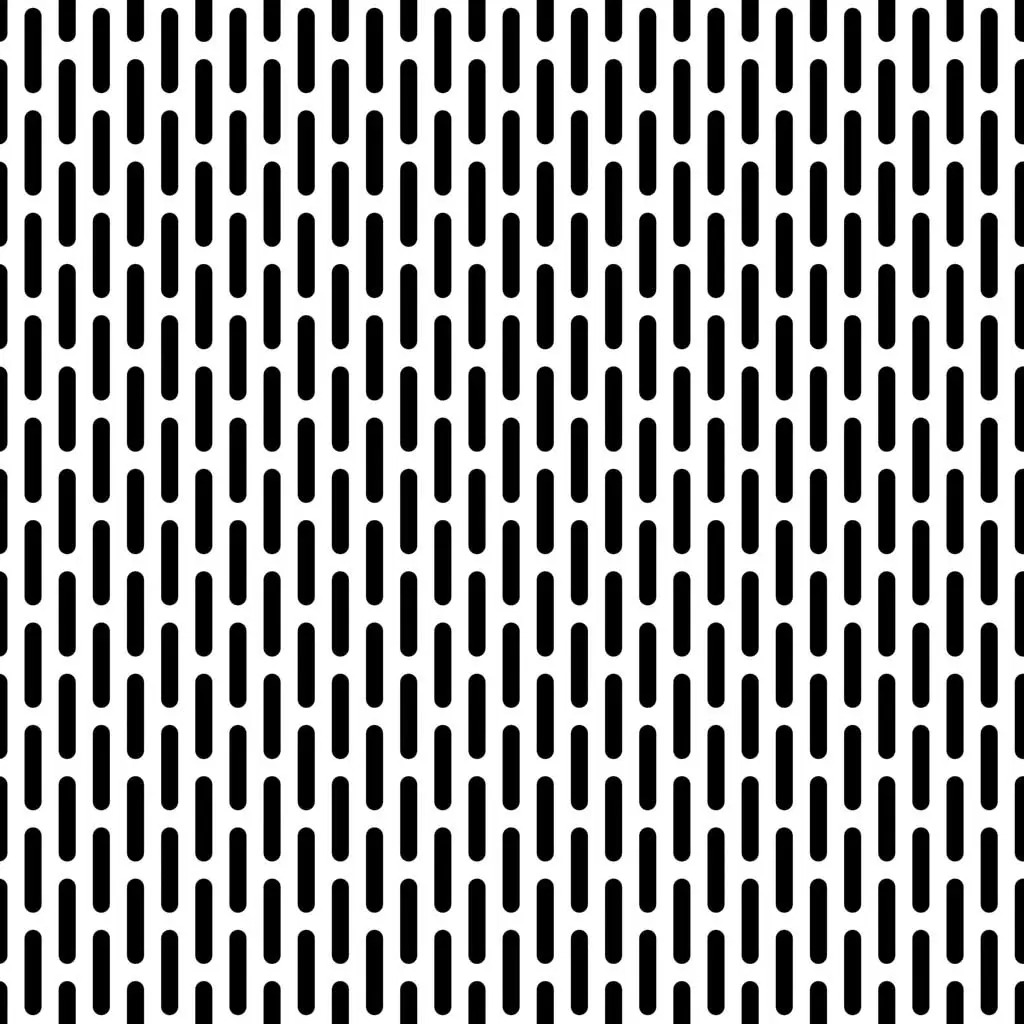
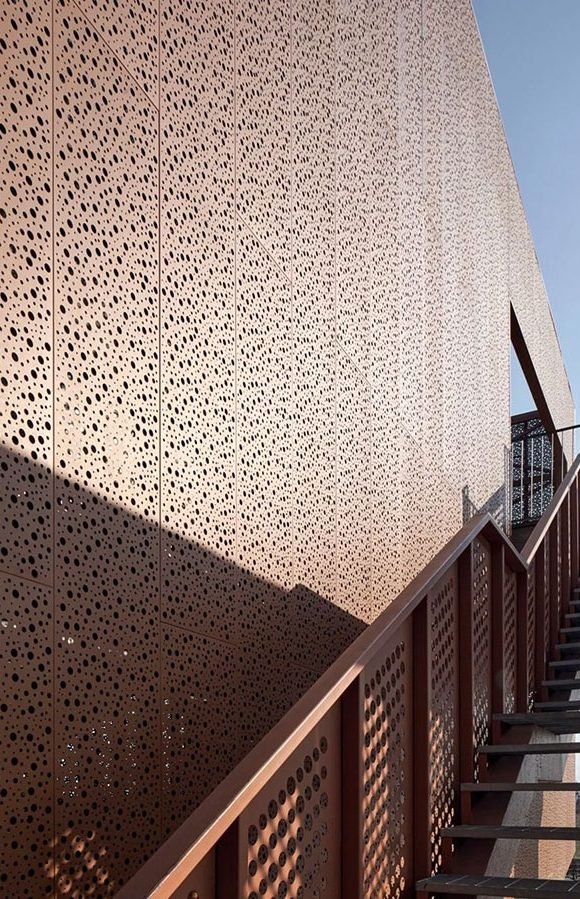
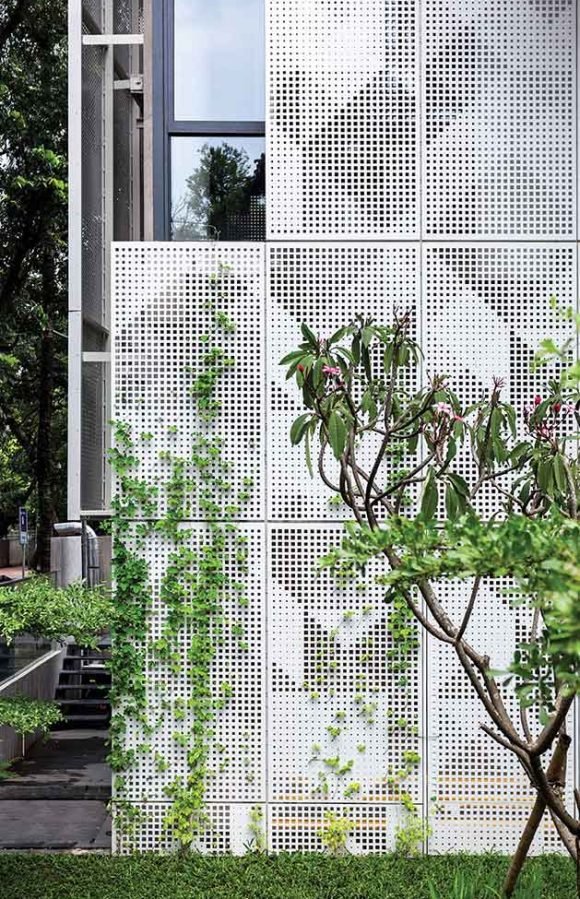
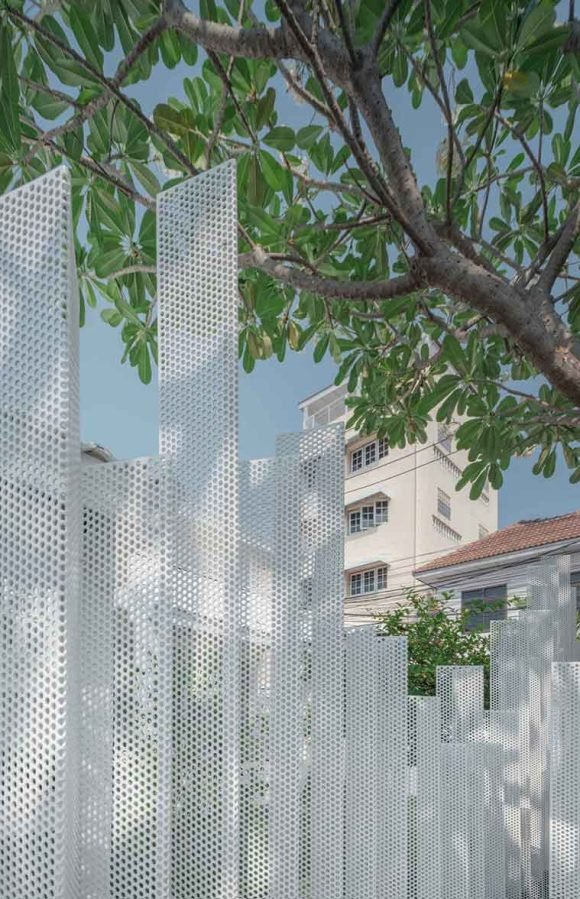
The setting of the different perforating rates of the decorative perforating plate will produce other visual effects in the application of building skin, indoor and outdoor, night and day.Hole types: round holes, square holes, prismatic holes, triangular holes, pentagram holes, long round holes, and other perforated plates. Designers usually, according to the meaning of the existence of the building, punching plate design various combinations of patterns to pass on the theme of the building to people. In real life, the application is pervasive, from the outside to the interior. Decorative perforated aluminum skin mainly expresses the effect on the rest of the building and can avoid the outdoor observation of indoor activities. When viewing from indoors to outdoors, perforated aluminum skin forms a certain degree of shelter to the outdoor landscape, and different perforating rates significantly differ in the degree of influence on the observation of the outdoor landscape.When the perforation rate is low, the perforated aluminum plate has a noticeable shielding effect on the outdoor scene. When the perforation rate is high, the human eye can still feel the outdoor landscape activity through the pores of the perforated plate.
Circle Holes
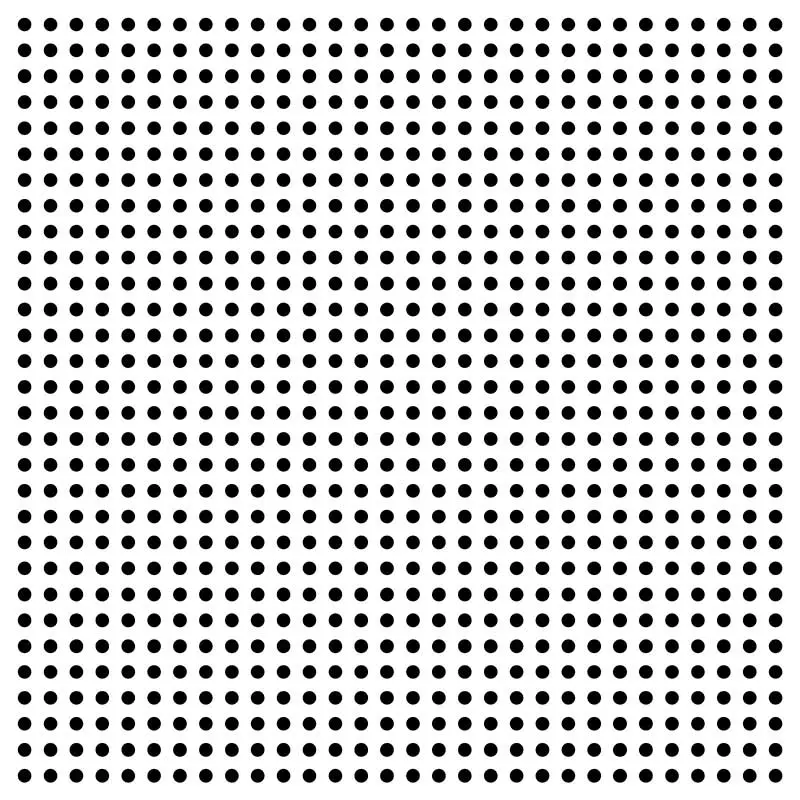
The most classic and versatile perforation type, offering uniform light transmission and high structural strength. Ideal for acoustic ceilings and exterior louvers.
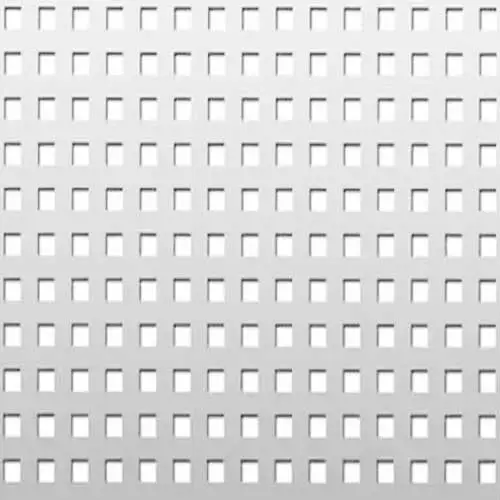
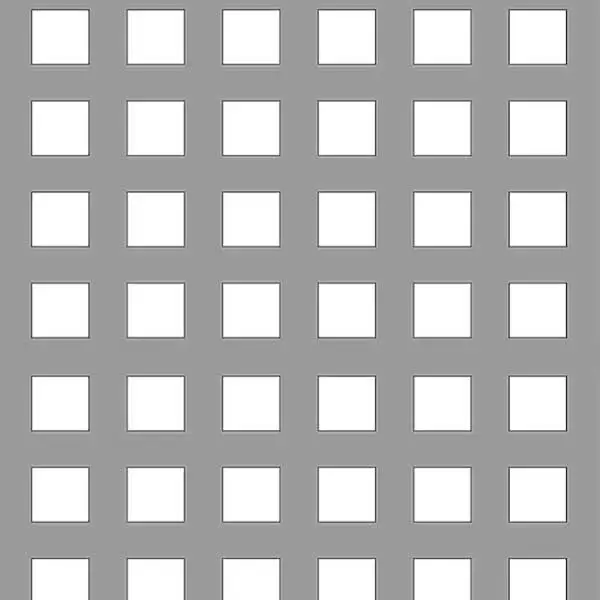
Square Holes
Delivers a clean, modern, and industrial aesthetic. Frequently used for mechanical ventilation grilles, modern interior partitions, and minimalist facade cladding.
Hexagon Holes
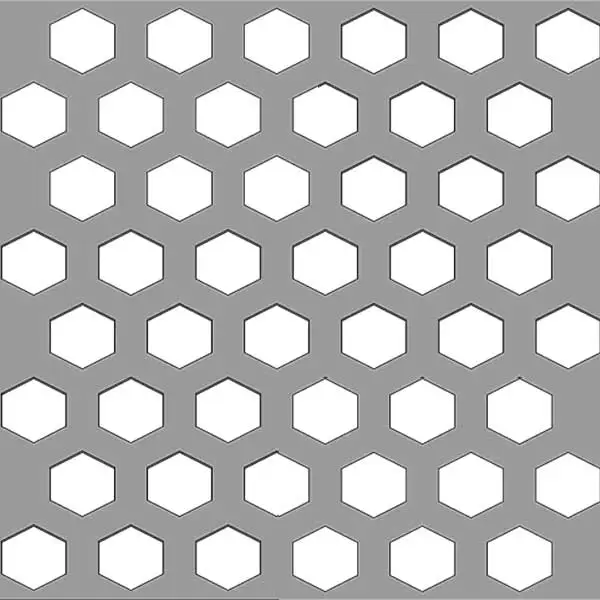
Features a high open area percentage while maintaining structural integrity. Creates a striking honeycomb visual effect popular in contemporary architectural skins.
Slotted / Long Round Holes
Excellent for directional airflow and linear light diffusion. Often selected for architectural sunshades, HVAC covers, and acoustic wall panels.
Triangular Holes
Introduces sharp geometric angles and dynamic shadow interplay under changing sunlight, adding depth to exterior facades.
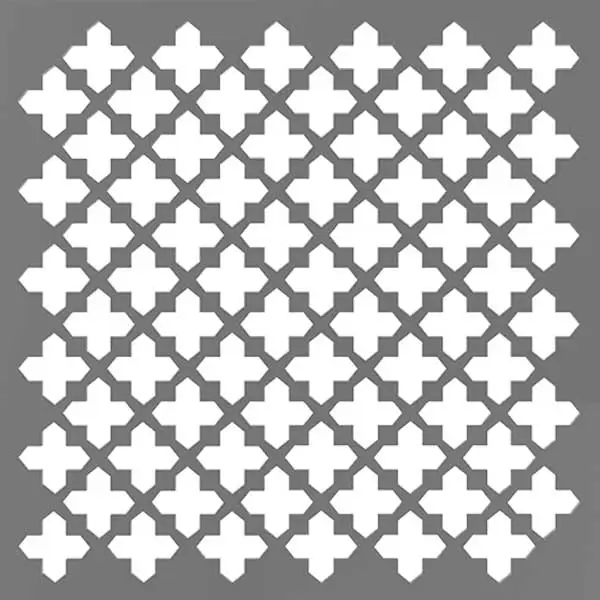
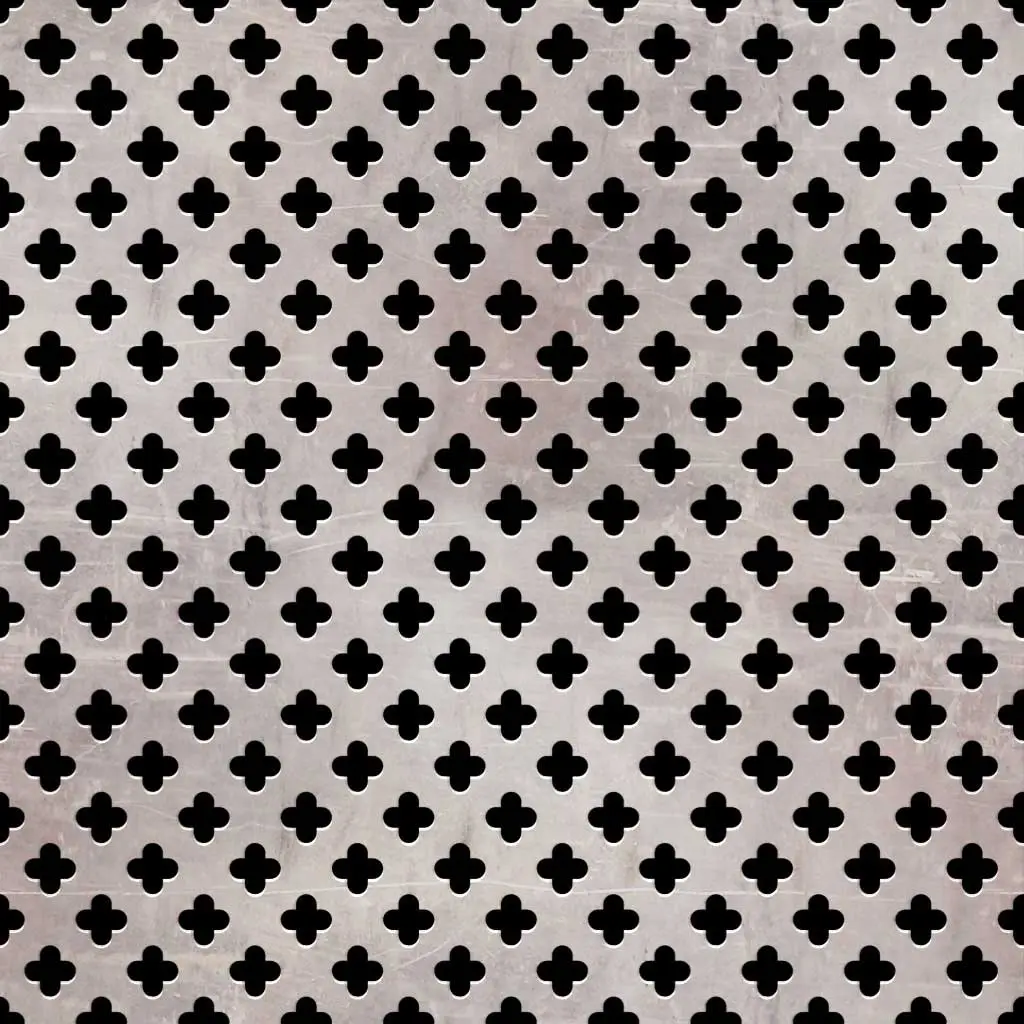
Cross / Custom Decorative Holes
Blends functionality with storytelling. Designers can customize unique geometric, floral, or logo motifs to express the identity and theme of the building.
Specification of Perforated
Metal Curtain Wall Panels
Standard:JIS/AISI/ASTM/GB/DIN/EN
Materials:Stainless Steel Sheet, Aluminum Sheet, Iron Sheet, Copper Sheet
Thickness:0.8-3.0mm
Surface:Brushed, Powder Coating, Sand Blasting, Etc
Width:30-1850mm、Customizable
Color:Colorful
Length:1220-3000mm、Customizable
Application:Building Curtain Wall, Privacy Partition, Partition, Railing Panel
Service:Free Sample, One Stop Service
Packaging:Waterproof Paper + Wooden Case
Application of Perforated
Metal Curtain Wall Panels
The perforated metal plate used in architecture has various hole shapes and different arrangement ways, which are beautiful in form and outstanding in decoration. Architects and designers use their design ideas and concepts to create more architectural style and design art.
Facade Curtain Wall
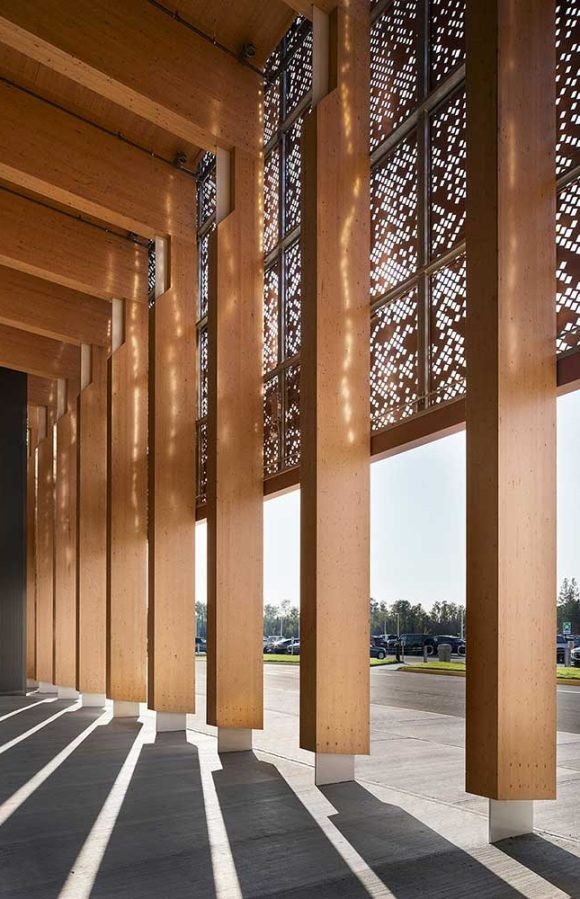
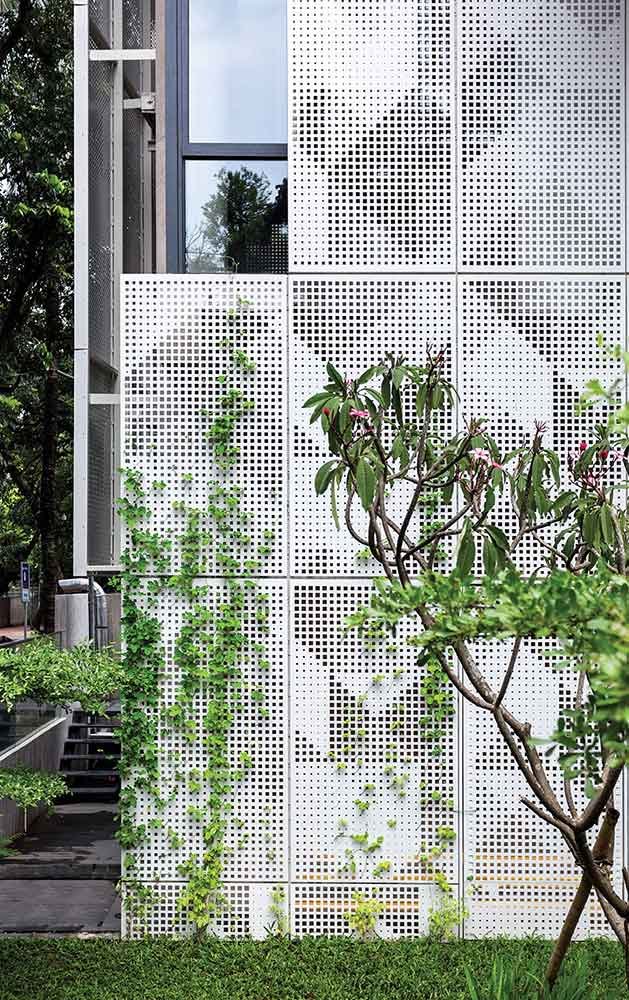
Perforated stainless steel sheets echo the interior space through external lighting, giving a strong sense of artistic ambiance.
Ceiling Design
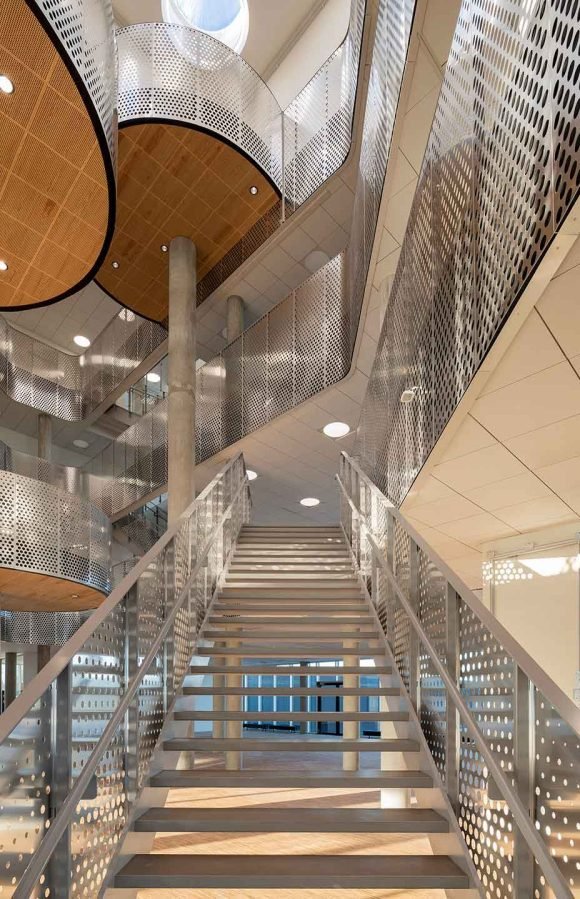
Perforated panels are used to design the ceiling in many different ways. The light from the sun and the lights penetrate through the perforated panels to create a warm-toned light. The overall feeling is relaxing and suitable for work and play.
Balcony Balustrades
Innovative balcony design, using a perforated metal plate, not only daylighting ventilation, can protect privacy and anti-fall.
Interior Decoration
Interior design patterns are decorated with perforated metal plates, which stack on top of each other to create a stunning hazy visual effect.
Partition Decoration
In the interior design, perforated plate, do partition space, partition, so that the brief space moment has a sense of innovation so that the area has permeability. When sunlight comes in through the perforated plates of different shapes, it creates a particular artistic effect with the changes of light and shadow.
Stair Decoration
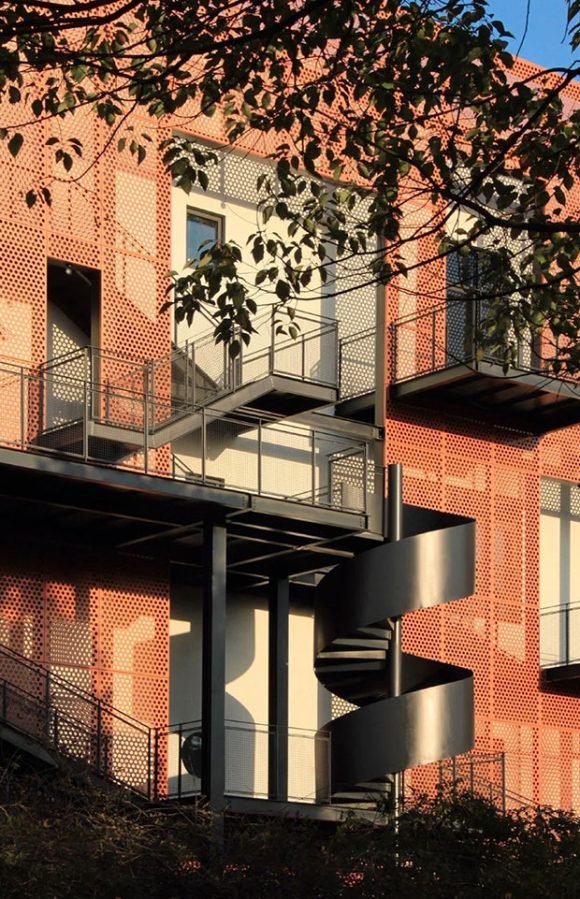
The outdoor stairs are designed with perforated panels, and the lighting and space produce rich artistic changes.
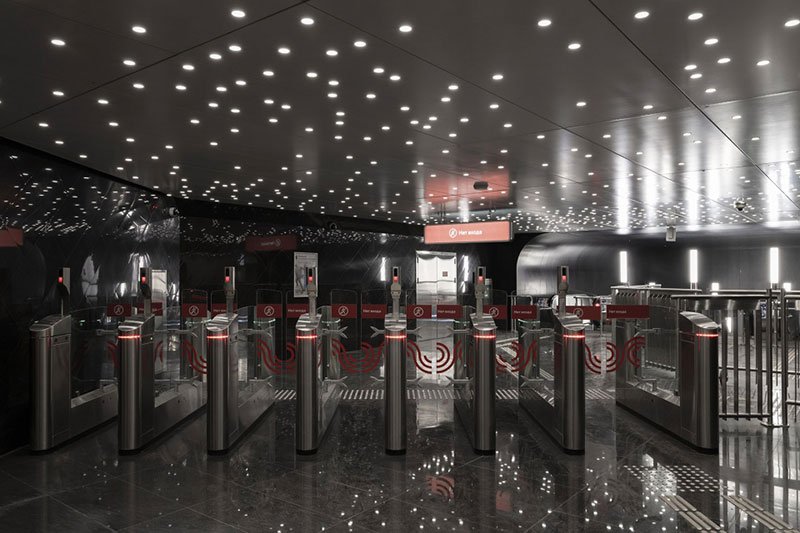
Perforated panels are widely used in large public buildings such as railways, subways, movie theaters, television stations, and gymnasiums. As decorative perforated panels, they are not only beautiful but also attractive. And it also has sound absorption and noise reduction.
Perforated Stainless Steel VS Perforated Aluminum Sheet
Both stainless steel and aluminum are popular choices for perforated facade cladding, sunshades, and architectural screens, but they serve different engineering priorities. Choosing the right material depends on your project’s structural requirements, environmental exposure, weight budget, and desired surface finish.
| Technical Property | Perforated Stainless Steel | Perforated Aluminum Sheet |
|---|---|---|
| Structural Strength & Rigidity | Superior Strength Exceptional tensile and impact strength. Ideal for high wind load zones, long-span facades, and self-supporting structural elements. | Moderate Strength Lower structural rigidity compared to steel. Large-format panels often require additional stiffeners or back-framing. |
| Weight & Load-Bearing | Heavier Density (~7.9 g/cm³) Higher self-weight requiring robust primary steel framing and engineered anchor points. | Lightweight (~2.7 g/cm³) One-third the weight of stainless steel. Reduces dead-load on building structures and simplifies handling and hoisting. |
| Corrosion Resistance | Exceptional (Grade 304 / 316L) Relies on an inherent chromium passive film. Highly resistant to harsh coastal salt spray, pollution, and chemical exposure. | Good to Excellent Highly dependent on protective coatings (PVDF/Anodizing). Uncoated or scratched raw aluminum is susceptible to surface oxidation. |
| Surface Finishes & Aesthetics | Refined Metallic Textures Supports PVD titanium ion plating (Champagne Gold, Rose Gold, Black Titanium), Hairline, Mirror, and Vibration finishes with high luster. | Vibrant Coating Options Superior adhesion for PVDF liquid painting, Powder Coating (Full RAL spectrum), and Anodizing for matte or metallic solid colors. |
| Scratch & Wear Resistance | High Surface Hardness Resistant to abrasion, dents, and scratching. Maintains long-term finish integrity in high-traffic commercial zones. | Softer Material More vulnerable to mechanical impact, denting, or surface coating scratches during installation and operation. |
| Total Project Cost | Higher Initial Investment Premium raw material cost, balanced by ultra-long lifecycle and zero ongoing maintenance requirements. | Cost-Effective Lower material and freight costs. Lightweight properties significantly reduce ocean shipping and site installation expenses. |
Selection Guide for Perforated Metal Panels
High Durability & Aesthetic
When to Specify Perforated Stainless Steel?
High-Traffic & High-Wear Interiors
Ideal for wall cladding in airports, metro stations, hotel lobbies, elevator interiors, and reception desks demanding scratch resistance and a luxury metallic feel.
Extreme Outdoor & Coastal Environments
Perfect for seaside facades or high salt-spray industrial zones (316 recommended), delivering long-term durability without risk of paint peeling or corrosion.
Unique Light-and-Shadow Aesthetics
Suits high-end designs incorporating PVD coatings (champagne/rose gold, black titanium), vibration non-directional textures, or mirror finishes.
Lightweight & Versatile
When to Specify Perforated Aluminum?
Large-Scale Building Facades & Skins
Essential for large exterior skins where structural load-bearing limits exist, utilizing ultra-lightweight panels to minimize dead-load and safety risks.
Specific Color & Coating Matching
Ideal when a precise architectural color palette—such as pure white, charcoal gray, or custom RAL/PVDF fluorocarbon coatings—is required.
Cost-Effective Large-Scale Projects
An excellent choice for balancing facade shading and light transmission requirements while strictly controlling material procurement and shipping costs.
Advantages of Perforated
Metal Curtain Wall Panels
Improved Ventilation And Airflow
The main advantage of perforated panels is their ability to enhance ventilation and airflow in different spaces. Allowing air to pass through small holes effectively distributes fresh air and maintains optimal air circulation. This feature is particularly useful in areas that require appropriate ventilation, such as air conditioning systems, industrial equipment, electronic enclosures, and even architectural design. With the increase of airflow, the risk of overheating and equipment failure is greatly reduced.
Acoustic Advantages
Perforated panels are known for their acoustic properties. The presence of small holes enables them to absorb sound waves and reduce noise levels in various environments. This makes them very suitable for designing sound-absorbing surfaces in concert halls, recording studios, and theaters, as noise control in these areas is crucial. Perforated panels effectively reduce echoes and unnecessary noise reflections, creating a more favorable environment.
Versatility And Customization
Perforated panels provide exceptional versatility in design and customization. JYF Metal can produce various sizes, shapes, and hole types of plates to meet specific requirements. Provide customized solutions for industries such as architecture, interior design, and electronics. In addition, perforated plates can be made of various materials, such as aluminum, steel, stainless steel, and composite materials, ensuring compatibility with different environments and applications.
Enhanced Structural Strength
The carefully designed hole pattern will not affect the overall strength and integrity of the board. Perforation usually helps to improve the ratio of strength to weight, making it advantageous for applications that require lightweight and sturdy materials. This is particularly beneficial in industries such as construction, transportation, and aerospace, where strength and weight considerations play a crucial role.
Enhance Aesthetics
Perforated panels not only have functional advantages, but also have aesthetic advantages. The unique patterns created by Kong add strong visual appeal to any space. Perforated panels can be used as decorative elements for building facades, interior design elements, furniture, and even artistic installations. The combination of functional and visually pleasing design makes it a popular choice for various creativity and architecture.
Why Partner with JYF Metal for Perforated Metal Projects?
Architectural Integration
Perforated panels typically require coordination with structural framing, curtain wall systems, acoustic materials, or trim profiles. We refine fabrication details prior to production, ensuring the panels integrate seamlessly into the overall architectural system.
Technical Support
Before production, we determine material thickness, panel layout, and installation/fastening details—addressing potential fabrication challenges to ensure a smooth project execution.

Superior Quality
We deliver burr-free, precision-cut perforations, ensure flatness through post-perforation leveling, and provide comprehensive PVD/PVDF coating—including full edge coverage—to guarantee exceptional weather resistance.
Technical Coordination
Cross-border collaboration demands clear and efficient communication. Our engineering team works directly with you to review CAD layout drawings, offer material recommendations, and provide installation guidance.

Frequently Asked Questions
A1:Choosing alloy perforated panels is a good option as they are lightweight and possess good strength characteristics. Additionally, stainless steel perforated panels are also a common choice due to their high corrosion resistance and structural strength. The final selection should also consider factors like project budget, design requirements, and environmental conditions.
A2:Perforated panels are suitable for large buildings because they provide good ventilation and lighting effects, while also being decorative and practical. They are applicable for decorative and functional needs such as facades and ceilings of large buildings.
A3:
A stainless steel perforated plate is a metal sheet that has been punched or drilled with holes. These perforations vary in size, shape, and pattern, allowing for customized airflow, light filtration, or decorative effects.
A4:Stainless steel perforated plates are typically created by punching holes in the metal sheet using mechanical or hydraulic presses. Additionally, laser or plasma cutting technologies can be used to create precise perforations on the surface of stainless steel.
A5:Stainless steel perforated plates are used across various industries, including construction, automotive, filtration, acoustics, HVAC (heating, ventilation, and air conditioning), food processing, and decorative design. Their applications include screening, filtering, ventilating, and noise reduction.
A6:Stainless steel perforated plates come in various perforation patterns, including round, square, slotted, hexagonal, and decorative shapes. The choice of perforation pattern depends on the specific application requirements and desired aesthetic effects.
A7:Yes, stainless steel perforated plates can be customized to meet specific design requirements. Manufacturers offer custom options such as perforation patterns, hole sizes, shapes, spacings, sheet dimensions, and surface treatments, providing tailored solutions for different applications.
A8:Stainless steel perforated plates are typically installed using screws, bolts, or welding, depending on the application and surface. Maintenance includes regularly cleaning with mild soap and water to remove dirt and debris. Avoid using abrasive cleaners or harsh chemicals that might damage the stainless steel surface. Regular inspections ensure the perforated plates function properly and extend their lifespan.
Request Project Pricing !
JYF Metal provides custom perforated metal panels for building facades and interior decoration. Simply send us your detailed CAD drawings or project specifications, and our designers/architects will provide you with an optimal quote within 24 hours.
Articles and Engineering on
Perforated Metal Curtain Wall Panels
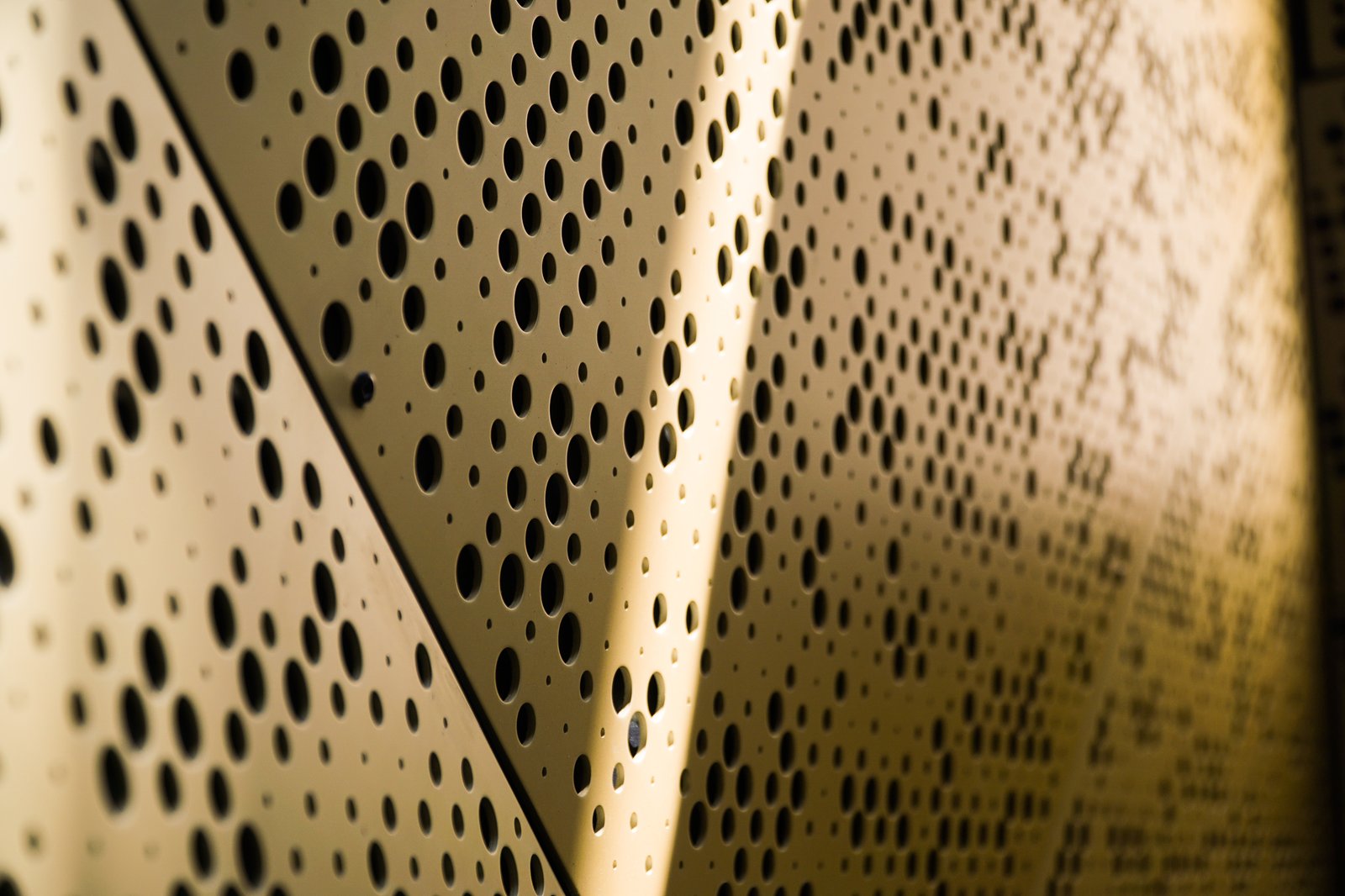
Breathe Easy with Perforated Stainless Steel sheets

Weathering Steel Perforated Facade Panels for Buildings: A Durable and Artistic Exterior Solution
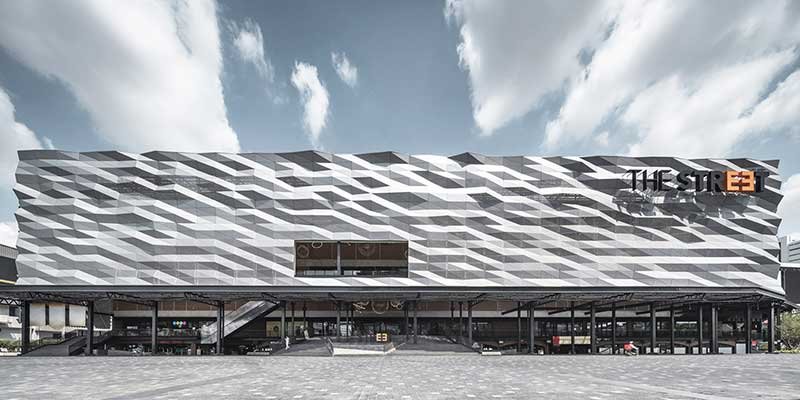
The Street Ratchada Permeable Shopping Center
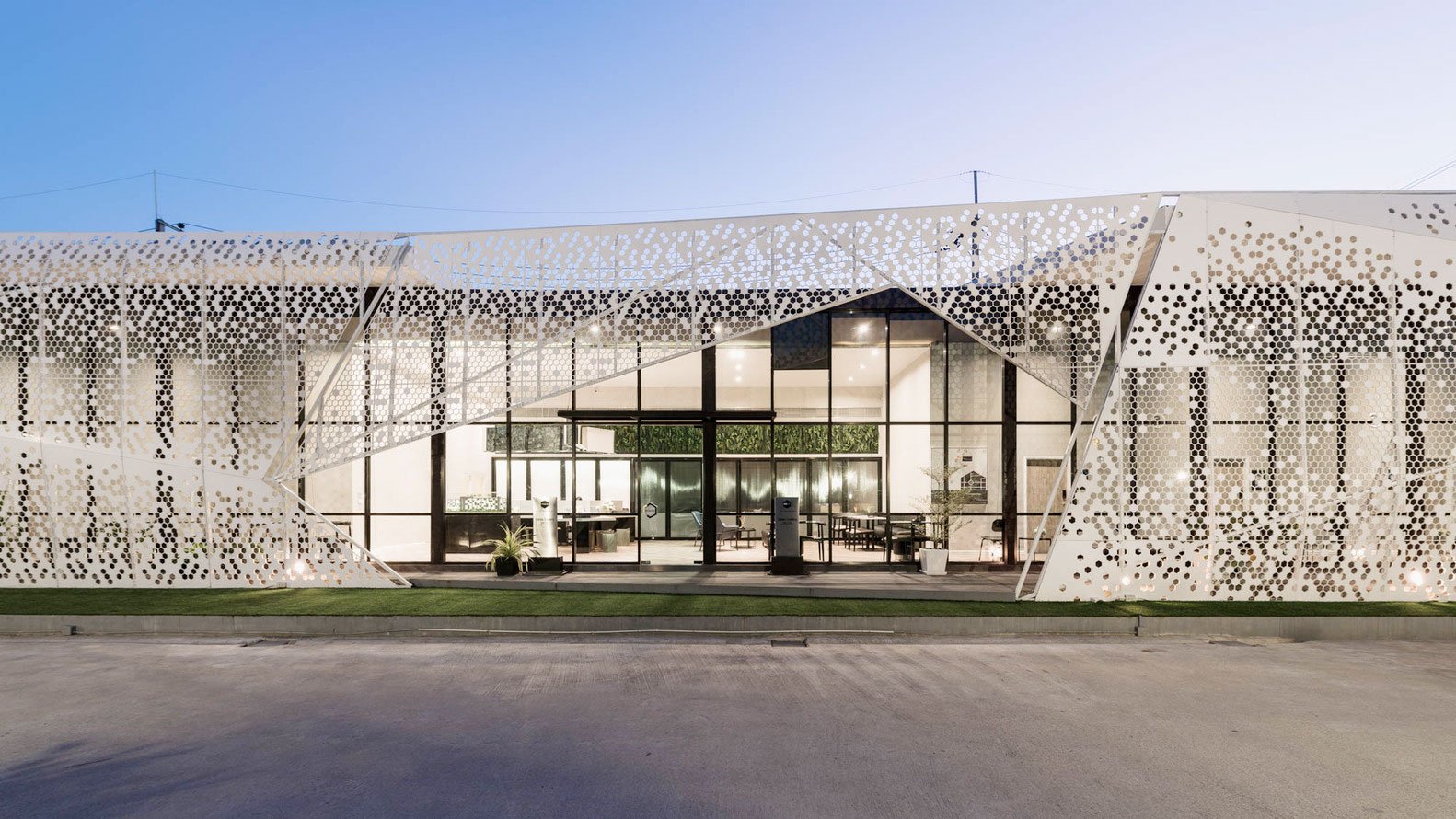
Metal Perforated Panels for Facade, Ceiling, and Partition Applications