Stainless Steel Stair Handrail: The Perfect Blend of Safety, Durability, and Modern Design
Table of Contents
The modern architectural designs of stainless steel stair handrails have become a crucial element for architects who design contemporary buildings. The building material provides structural support and visual appeal and long-lasting value. The handrail system delivers both effective performance and attractive design for residential spaces and commercial buildings and public area applications. Modern staircase builders prefer the material because it maintains a contemporary design throughout various architectural settings.
Why Stainless Steel Stair Handrail Is Ideal for Modern Spaces
The operational and design needs of stainless steel stair handrail systems get fulfilled through their performance and appearance. Stainless steel should be the material choice for architects and designers who want to create lasting designs which will suit today’s architectural needs.
Exceptional Strength and Load-Bearing Capacity
The stainless steel stair handrail system provides outstanding strength which allows it to endure heavy traffic during extended periods without losing its original form. The handrail needs to withstand continuous force and multiple impacts and various types of movement in commercial spaces and office buildings and public areas. The tensile stress capacity of stainless steel remains intact throughout its entire life cycle which enables its use in residential and industrial applications.
Strong Resistance to Corrosion and Environmental Damage
A stainless steel stair handrail provides outstanding protection against corrosion and oxidation and rusting which constitutes its major benefit. The material retains its strength and clean appearance even under extreme conditions which include humid indoor spaces and coastal areas and outdoor locations exposed to rain and sunlight. The handrail system requires less frequent maintenance because of its strong resistance to damage and it continues to operate effectively for extended periods while maintaining its aesthetic appeal.
Modern Aesthetic That Enhances Interior Design
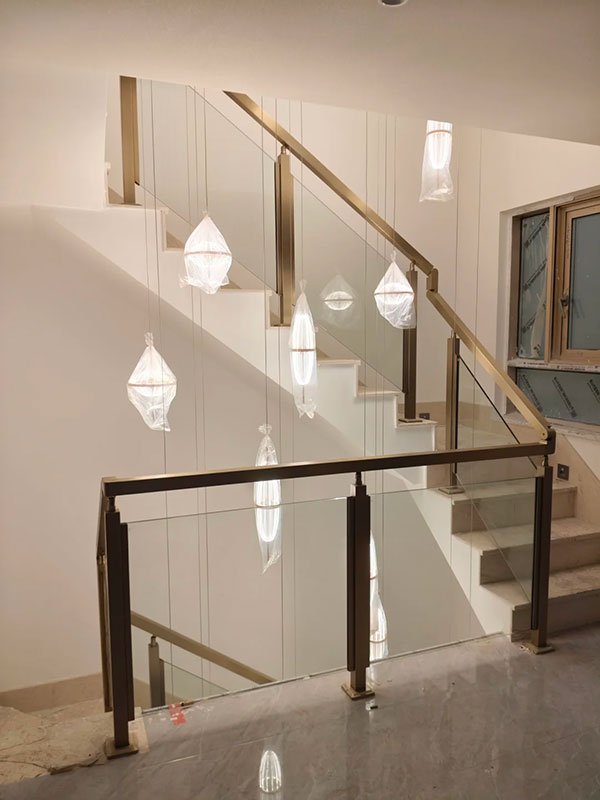
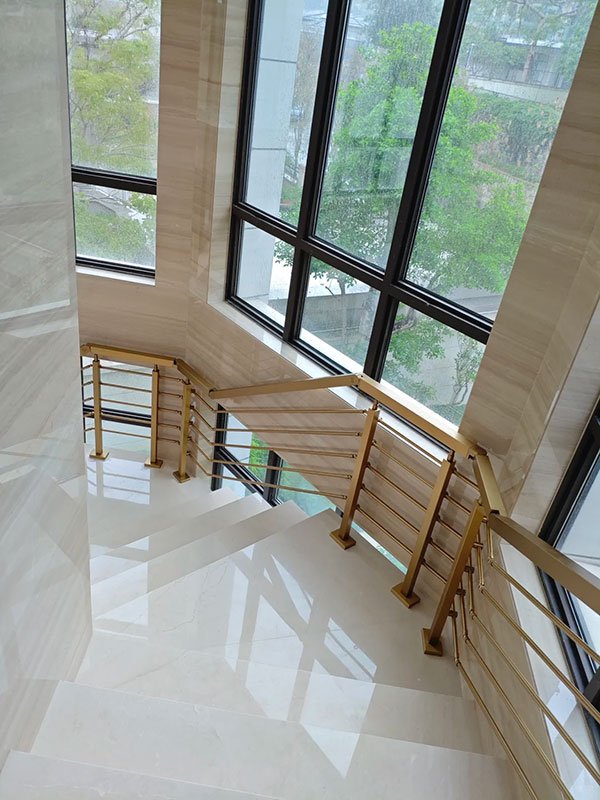
The polished stainless steel appearance of stair handrails serves as a major design element in modern interior spaces and architectural structures. The surface reflects light to create an interior space which appears brighter and more expansive throughout the room. Stainless steel functions as a design element which works well with glass panels and wooden steps and stone finishes. Designers can use this flexible material to create both minimalistic designs and luxurious high-end appearances across different environments.
Custom Stainless Steel Stair Handrail Design Options
The custom stainless steel stair handrail requires custom design work to achieve proper installation for various architectural design specifications. The project requirements together with decorative needs create multiple selection options which range from structural design to surface finishing.
Adaptable Shapes for Unique Staircase Structures
Stainless steel stair handrails can be manufactured in straight, curved, spiral, or even more complex geometric forms to match diverse staircase designs. Designers can use this design option to create architectural safety solutions which maintain their visual appeal. The custom-shaped handrails create an exact fit for all residential and commercial staircases which results in cohesive building design.
Precision Fabrication for Seamless Installation
Modern fabrication systems create stainless steel handrails which achieve precise measurements through their development process. The installation process benefits from this high level of accuracy because it prevents installation mistakes while reducing the need for adjustments during installation. The installation method becomes more efficient because of this progress which results in a neat final result that shows all elements in proper alignment and professional quality which is vital for high-end projects.
Variety of Surface Finishes for Different Styles
Stainless steel railing systems are available in a wide range of finishes including brushed satin mirror-polished and matte textures. Each finish provides a different visual effect which enables designers to match the handrail with specific interior or exterior styles. The finishing options improve the visual appeal while determining maintenance needs which help users choose the best solution for each situation.
Applications of Stainless Steel Stair Handrail Systems
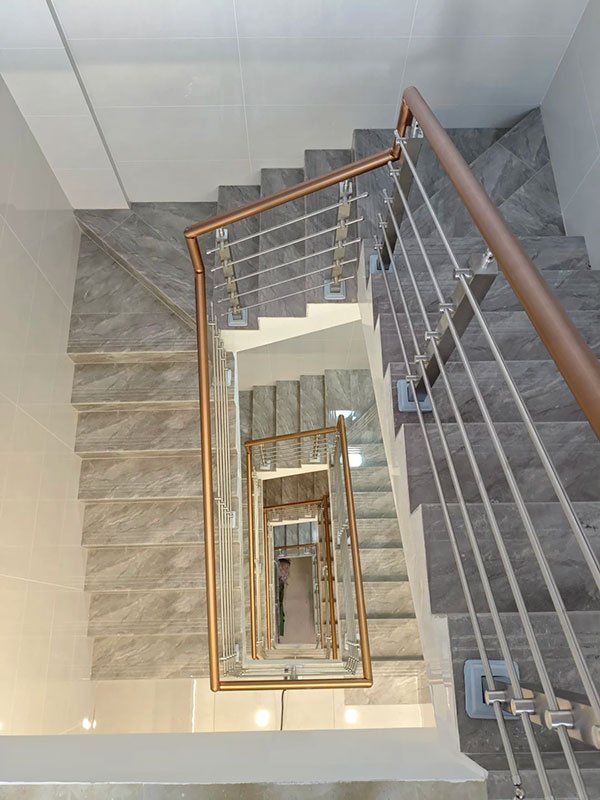
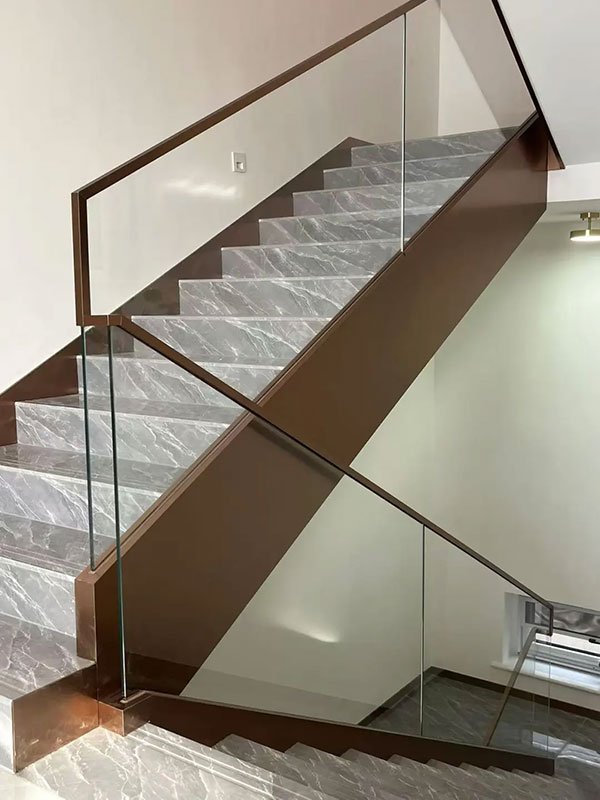
The flexible design of stainless steel stair handrails permits their installation in various types of locations. The combination of their strong construction, minimal upkeep needs, and their contemporary design enables these products to be used in both residential areas and public spaces which have different functional requirements.
Residential Staircases and Private Homes
The residential spaces use architectural stainless steel handrails to deliver safe protection together with long-lasting strength and sophisticated visual appeal. Modern architectural design is essential for duplex homes and villas and apartments which commonly use these products. The polished surface of the product together with its straight design lines creates interior spaces which provide dependable support throughout daily activities. The product functions as a budget-friendly choice for homeowners because its extended lifespan enables cost savings.
Commercial Buildings and Hospitality Spaces
The various commercial spaces which include hotels and office buildings and shopping centers need building materials which can handle constant usage while still providing a polished professional appearance. Commercial stair handrail systems achieve the necessary standards through their ability to provide long-lasting performance and protection against damage plus their attractive design. The design elements establish a contemporary aesthetic which enhances the experience of both visitors and facility occupants.
Public Infrastructure and High-Traffic Areas
Stainless steel stair handrails create essential safety features which protect users in public settings that include transportation hubs and airports and large facilities. Products with continuous use capabilities make them ideal for challenging situations because they maintain their original form throughout their operational life. Low upkeep requirements make these products a budget-friendly option for extensive infrastructure development projects because they help minimize operational expenses.
Installation Process of Stainless Steel Stair Handrail
The installation of a stainless steel balustrade systems requires careful planning and precise execution to ensure both safety and long-term durability. The main procedures of the operation establish the critical elements which produce the final output.
Accurate Measurement and Layout Planning
The installation process begins with detailed measurements and careful layout planning. The stainless steel stair handrail must follow this process which establishes the correct alignment between the handrail and its corresponding staircase design. The proper planning process prevents installation errors which result in expensive operational mistakes while establishing necessary safety protocols to create efficient construction methods which lead to successful project results.
Secure Column Fixing and Structural Support
Vertical support columns form the essential base of the handrail system which requires strong connection methods to secure its stability. The project needs determine whether welding or mechanical fasteners will be used to attach the columns. The entire system needs strong anchoring in high-traffic areas to maintain its safe operational state through continuous movement.
Handrail Assembly and Connection Detailing
The team connects handrail sections together with precise assembly work after building the whole support structure. The creation of a continuous structure needs proper alignment with secure joining methods. Details which are carefully controlled during this period provide both stronger system elements and consistent visual elements to produce a finished product of exceptional quality.
Final Inspection and Finishing Adjustments
The team performs a complete inspection after finishing the installation process to check all elements including alignment and height and structural stability. The team modifies installation elements to ensure that the custom stainless steel handrail fulfills both functional and aesthetic requirements. The final step establishes a complete installation which meets project standards through its safe and durable construction process.
Key Engineering Considerations for Stainless Steel Stair Handrail
The safety and durability of stainless steel stair handrail design depends on multiple engineering factors which determine the product’s long-term performance. The planning phase of this project establishes all system requirements which need to be fulfilled throughout the project.
Selecting the Appropriate Stainless Steel Grade
The right material grade selection plays a vital role in achieving optimal performance across various working conditions. Indoor spaces and locations with low humidity levels require specific material grades because these grades provide superior protection against corrosion. The appropriate grade selection enables stainless steel stair handrail products to maintain their original design and construction quality throughout their entire usage period.
Ensuring Strong Anchoring and Structural Integrity
The handrail safety depends on the performance of the anchoring system which was developed for this application. The structure remains secure because high-quality brackets and fasteners work together with expert installation to protect the system against load impacts. High-traffic locations which require stability for user safety should prioritize this particular aspect of their operations.
Designing for Efficient Maintenance and Longevity
The design process needs to create maintenance systems which will streamline bespoke stainless steel handrail upkeep. The combination of smooth surfaces together with proper drainage systems and protective coatings prevents both surface damage and dirt accumulation. The design choices help reduce maintenance requirements while maintaining the handrail’s original aesthetic quality throughout its lifespan.
Balancing Safety Standards with Aesthetic Design
The design process needs to create handrails which comply with safety standards while maintaining their visual appeal. The design process must evaluate the height and spacing requirements together with the comfort of gripping and the structural strength of the product. The design must match the nearby architectural elements to create a handrail which serves both functional and decorative purposes.
Conclusion
The modern stainless steel stair handrail provides a dependable safety solution which combines three essential design qualities. Its ability to adapt to different architectural environments while maintaining long-term performance makes it an essential component in contemporary construction. The JYF METAL Metal Engineering system enables projects to achieve practical functionality and enduring visual appeal through its proper system design and installation.