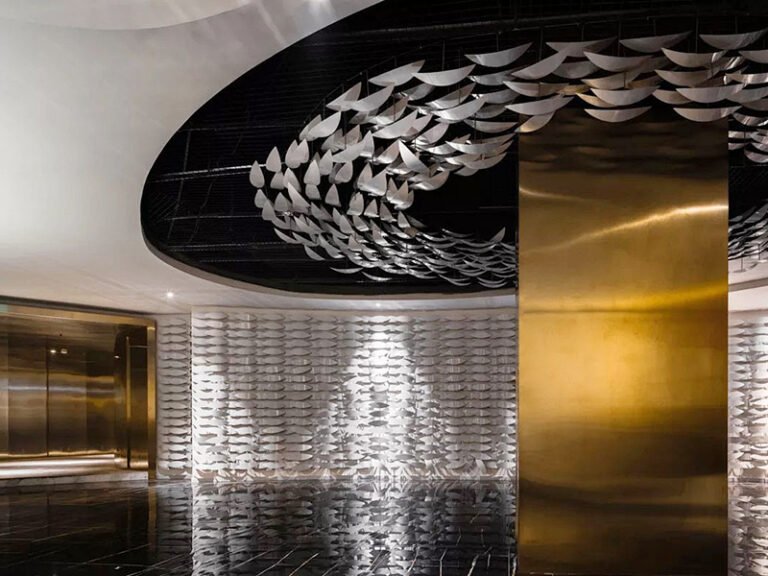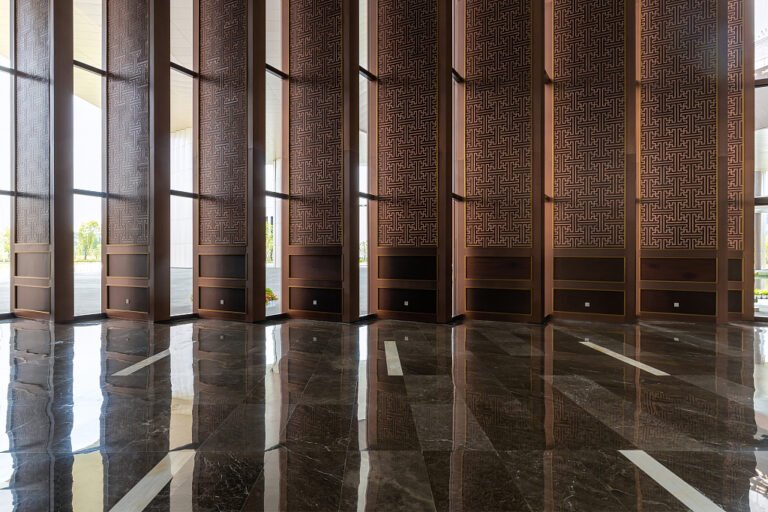
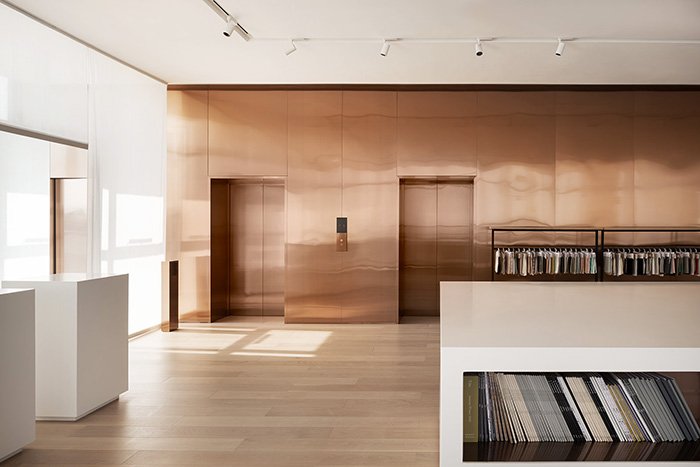
Indoor Metal Screen Solutions for Modern Interior Space Design
Table of Contents
From a simple partition, the screen has emerged as an essential architectural and decorative element in today’s interior design. Among all the options, an indoor metal screen is unique in marrying strength, artistry, and long-lasting performance.
Whether as a metal screen partition in open-plan homes or a decorative metal screen in commercial interiors, these interior screen dividers provide functional zoning and strong visual identity. With customizable patterns, durable materials, and flexible installation, indoor metal screens keep redefining modern spatial organization in every possible way.
The Structural Role of Indoor Metal Screen in Interior Space Planning
Indoor metal screens play an important fundamental role in the organization of interior layouts with retained interior openness, light flow, and architectural continuity.
Interior Screen Divider for Functional Zoning
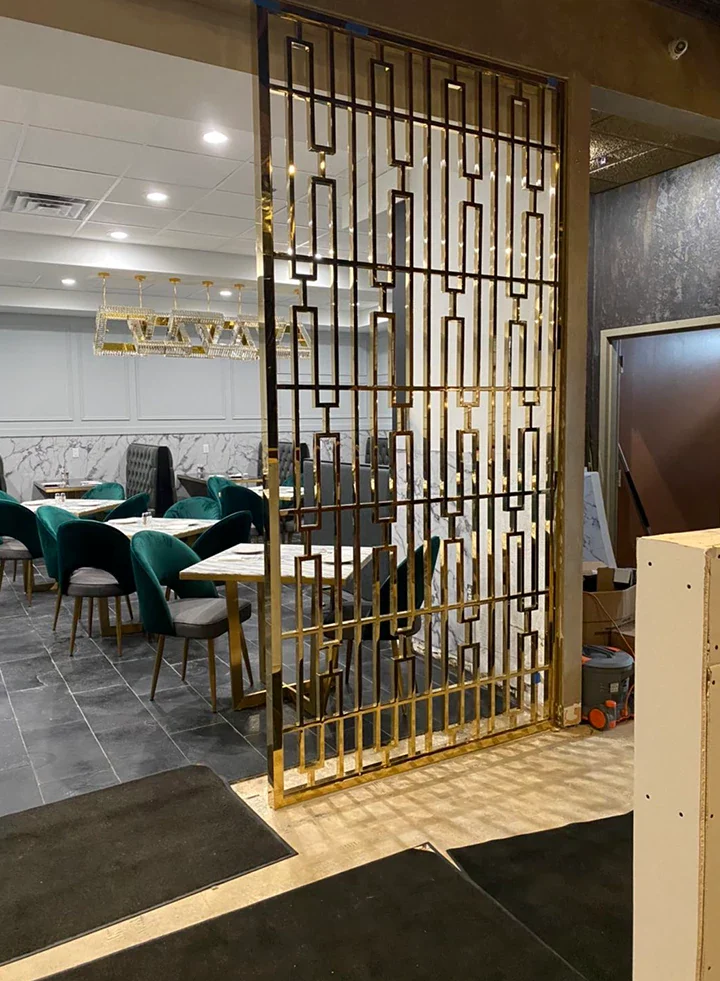
Large open space can be divided into independent functional areas by using an interior metal screen divider, without permanent walls being built. In residential interior spaces, living rooms, dining rooms, or home offices can be logically separated with openness maintained and in constant visual communicational contact. Metallic screen partitions offer effective zoning to reception areas, private offices, and collaboration zones in commercial environments. Indoor screens of this nature create a structured spatial order without heaviness from traditional wall systems.
Metal Screen Partition for Visual Continuity
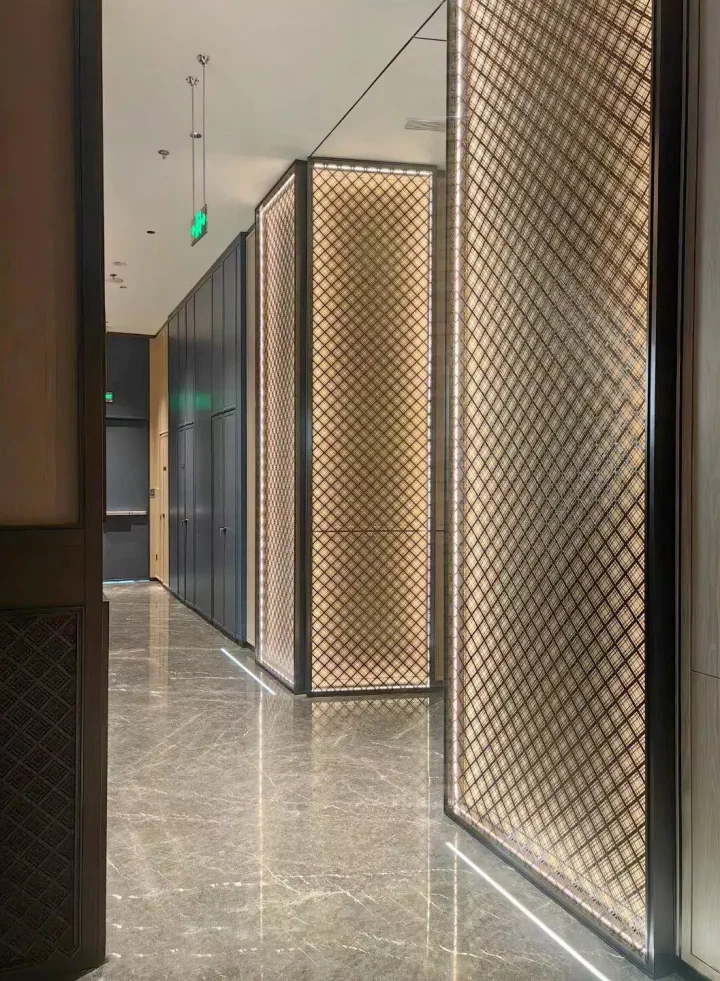
Unlike the solid partitions, a metal screen partition maintains visual continuity between different interior zones. The decorative metal screen is hollow or perforated to admit light and softly filters the view for layers of visual depth. Such transparency avoids the confinement of the interior and supports the spatial rhythm of a modern interior environment, especially for small spaces.
Flexible Layout Adjustment with Indoor Screens
Another important advantage with indoor metal screens is flexibility in layout adjustment. As these indoor metal screen partitions are just non-load-bearing elements, one can easily shift, resize, or redesign them to accord with new functional requirements. All this makes indoor screens highly suitable for the evolving commercial space, showrooms, and multi-purpose residences where interior layouts change quite frequently.
Material Advantages of Indoor Metal Screen Systems
Properties such as durability, appearance, and performance of an indoor metal screen largely depend on the metal material used for its making.
Stainless Steel Indoor Screen for High-End Interiors
With excellent corrosion resistance, high structural strength, and a long service life, stainless steel indoor metal screens have broad applications in high-end interior design. The metallic texture of stainless steel lends an added touch of luxury to decorative metal screens, ensuring excellent stability in indoor environments with either high humidity or large volumes of people passing through. All these features make stainless steel interior screen dividers highly appropriate for application in hotels, retail, and other premium residential projects.
Aluminum Indoor Metal Screen for Lightweight Design
Aluminum interior metal screens are lightweight, easy to install, and affordable. As a material for metal screen partitions, aluminum gives excellent corrosion resistance and allows more detailed hollow-cut patterns and embossing. With reduced weight, it puts less load on ceilings and floors, making the aluminum interior screen dividers particularly effective in big format or suspended decorative metal screen designs.
Multi-Metal Options for Decorative Interior Screens
Apart from stainless steel and aluminum, copper, brass, alloy steel, and composite metals can be applied for indoor decorative purposes. These materials bring richer color tones, unique surface textures, and artistic character to the interior. Copper and brass interior screens add warmth and vintage elegance to cultural spaces, boutique hotels, and themed commercial interiors.
Surface Treatment and Pattern Design of Decorative Metal Screens
The aesthetic quality of an indoor metal screen and its durability are determined by the technology of surface processing.
Surface Finishes for Indoor Metal Screens
Common surface finishes for the indoor metal screens include mirror polishing, brushed texture, sandblasted matte finish, and anti-fingerprint coating. Such treatments greatly improve wear resistance and protect decorative metal screens against oxidation, discoloration, and friction in everyday use. A well-finished metal screen partition will continue to present its refined appearance during indoor service for a long time with minimal maintenance.
Pattern Craftsmanship for Interior Screen Dividers
Indoor metal screens are able to be made with unlimited customized patterns through engraving, hollowing, etching, and embossing processes. These provide interior screen dividers with the possibility of matching various architectural themes, from minimalistic geometry to luxurious artistic motifs. The pattern design transforms the metal screen partition from a functional divider into an expressive interior art feature.
Color Technologies for Decorative Metal Screen Application
Advanced color processing technologies include PVD coating, oxidation, electronic coating, and spraying, enabling the indoor decorative metal screens to present all manner of stable and fashionable colors. Gold, titanium, bronze, champagne, black, and fully customized tones are often used to align the indoor metal screen with the overall interior design palette, strengthening spatial harmony and visual impact.
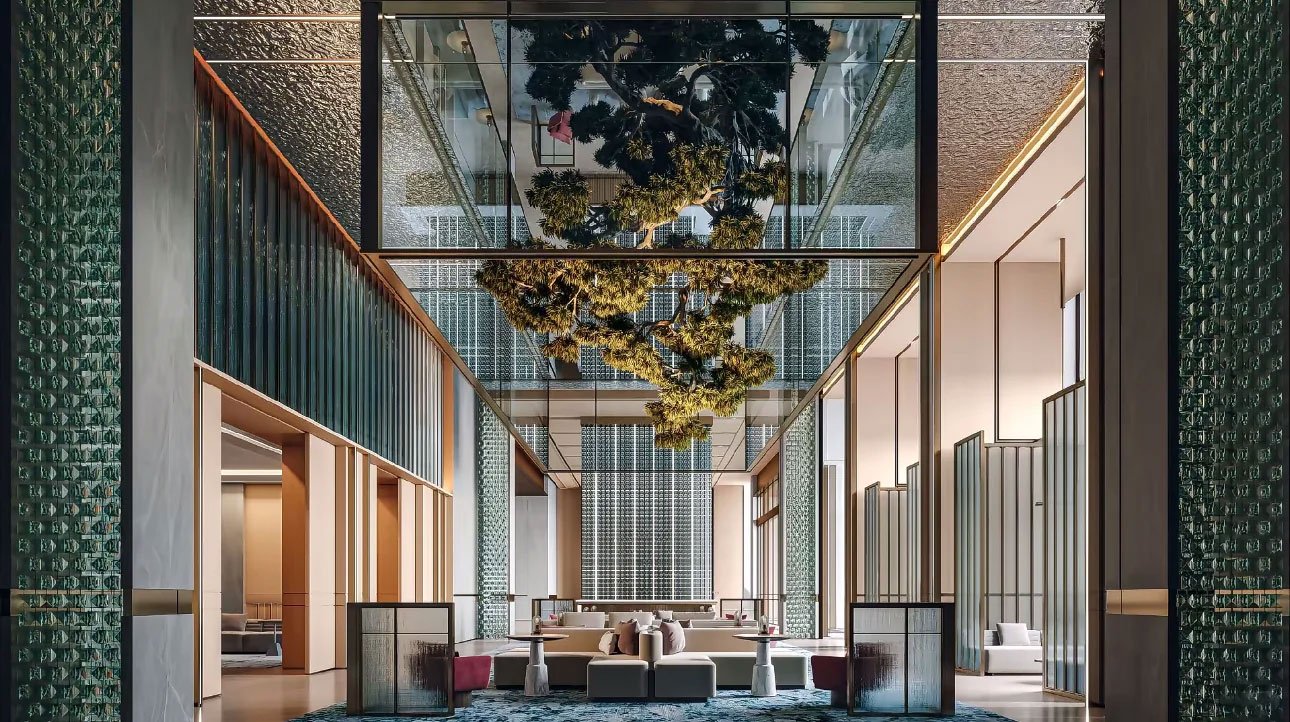
Functional Performance of Indoor Metal Screen Partitions
Apart from the aesthetic appeal, indoor metal screen partitions offer essential functional performance in modern interiors.
Strength and Durability of Metal Screen Partitions
Indoor metal room dividers are manufactured from high-strength metals, which means excellent load-carrying capability and resistance to deformation. Used for partitioning either in residential or commercial interiors, the metal screen partitions maintain good structural stability for long periods, even when use, vibration, or environmental changes are frequent.
Fire Safety Performance of Indoor Metal Screens
Metal materials, by nature, are non-combustible and have excellent fire resistance. Indoor metal screens are therefore a good match on this basis, contributing to indoor fire safety. The interior metallic screen dividers contribute to overall building safety and meet the modern standards for fire protection by slowing down the spread of flame between zones separated by them.
Ventilation and Light Transmission of Interior Screens
The open structure of perforated indoor metal screens allows for continuous air circulation and natural light penetration indoors. Unlike a solid partition, a decorative metal screen enhances indoor ventilation while maintaining privacy. It all comes down to finding a balance that creates a healthier, brighter, and energy-efficient interior environment.
Acoustic Control with Decorative Metal Screens
With proper structural design and filling inside, indoor metal screens can also contribute to acoustic regulation. Metal screen partitions improve the acoustic comfort in office areas, restaurants, conference rooms, and other public interior spaces by diffusing the sound waves or reducing the direct transmission of noise.
Application Scenarios of Indoor Metal Screens in Interior Design
Indoor metal screens are widely used in residential, commercial, and public interior spaces because they are adaptable to multiple uses.
Residential Indoor Screen Applications
Indoor screens in residential interiors are used as a divider for living rooms, stair screen partitions, balcony enclosure screens, and bedroom privacy screens. Architectural structure is added by a metal indoor screen, where the decorative quality of the home environment can be improved; this blends practicality with modern artistic expression.
Commercial Metal Screen Partition Usage
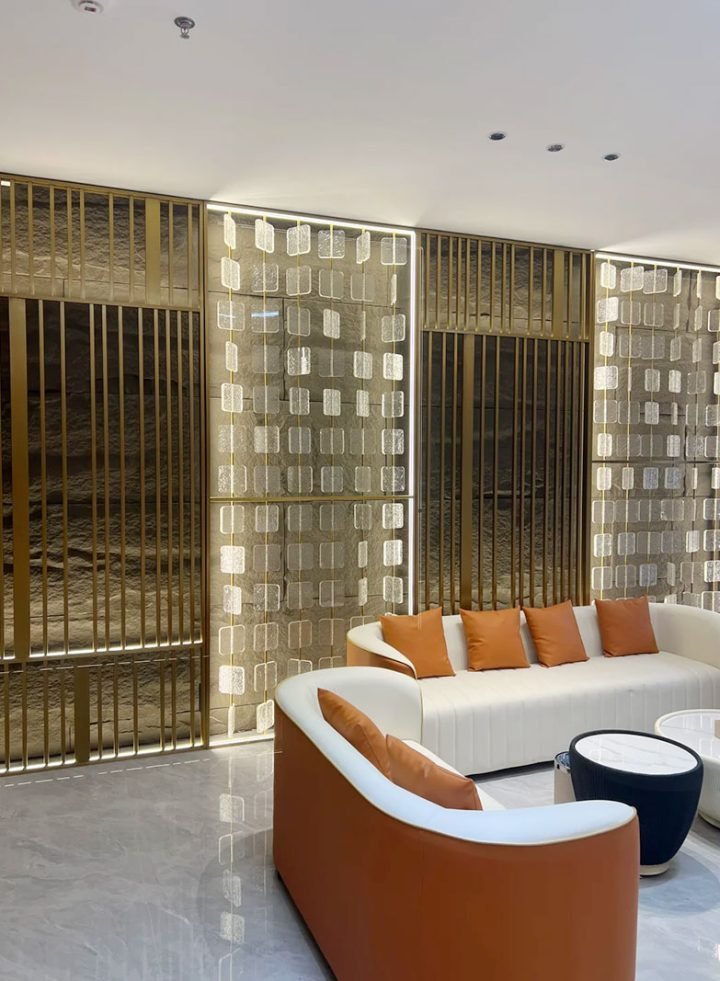
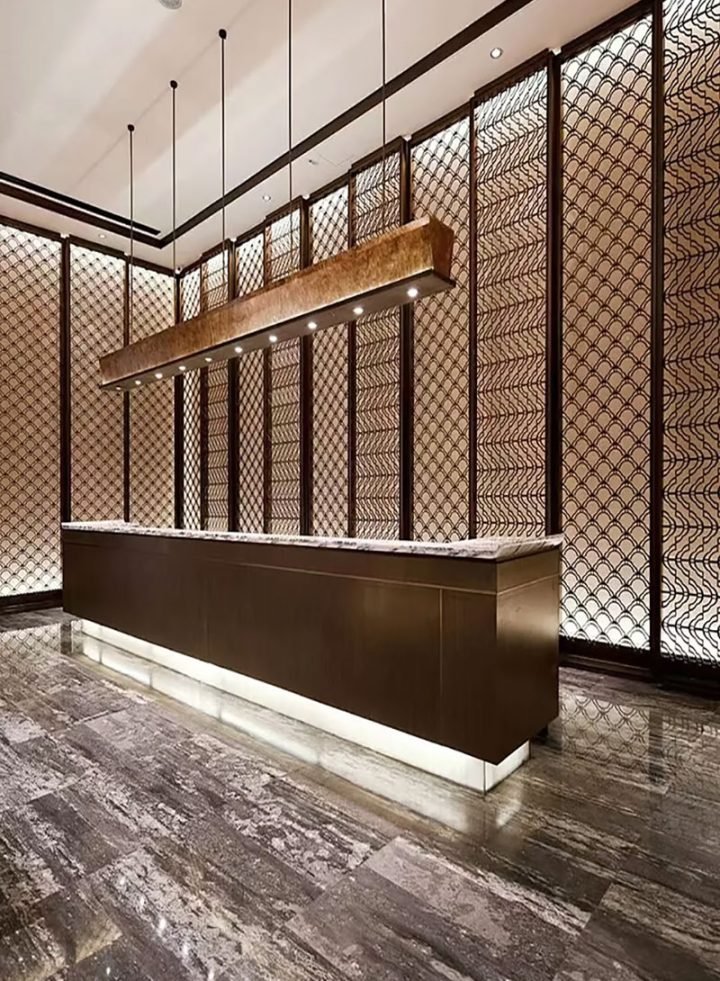
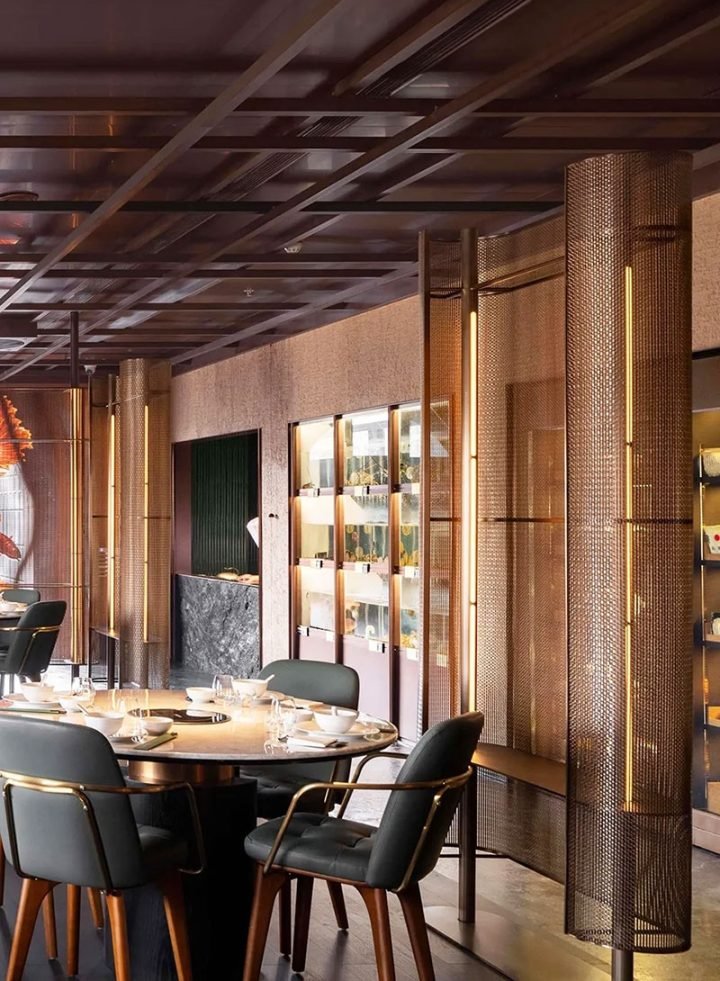
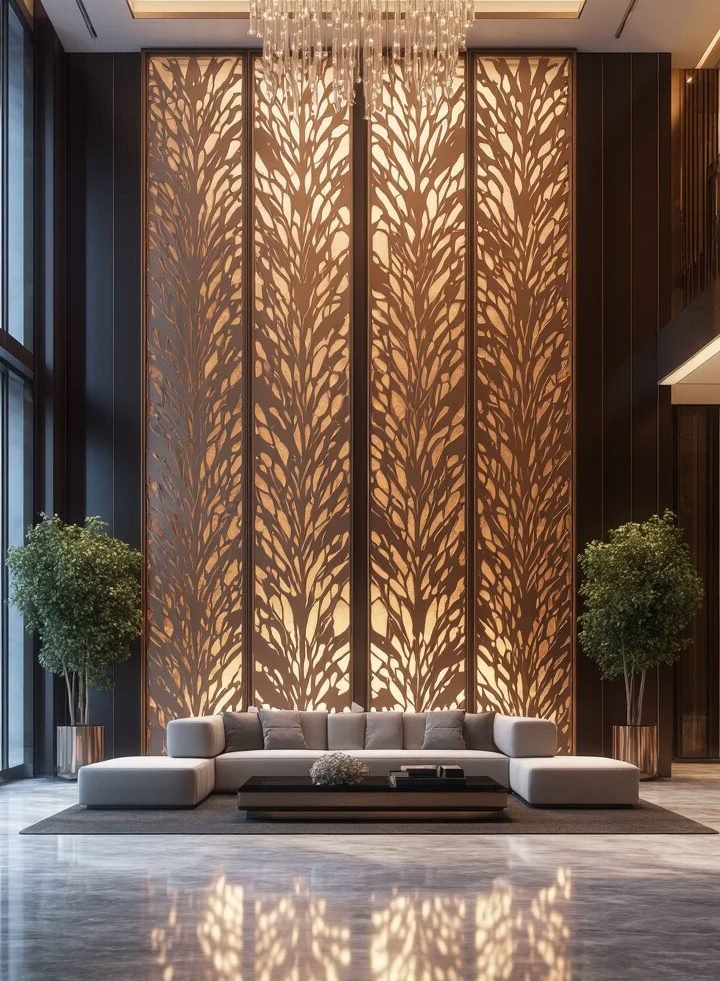
Interior spaces, such as offices, hotels, shopping malls, and restaurants, rely heavily on metal screen partitions for zoning and brand display purposes. Beyond organizing the circulation and function areas, decorative metal screens strengthen the spatial identity and visual branding.
Public Interior Space Integration of Decorative Screens
Indoor metal screens are also extensively applied in public spaces such as exhibition halls, airports, libraries, and cultural centers. As interior screen dividers, they guide visitor movement, create spatial order, and elevate the architectural atmosphere without blocking visibility or airflow.
Customization and Installation of Indoor Metal Screen Projects
Customization and precise installation are critical to the success of any indoor metal screen project, ensuring perfect integration with the interior design, optimal functionality, and long-term durability.
Custom Design of Interior Screen Dividers
From size, thickness, and frame structure to pattern style and surface color, each indoor decorative metal screen can be fully customized according to site conditions and design concepts. This high level of customization ensures that every metal screen partition integrates perfectly with the surrounding interior environment.
Precision Manufacturing of Metal Screen Partitions
Advanced laser cutting, stamping, bending, rolling, and welding technologies guarantee high-precision fabrication of indoor metal screens. These processes ensure consistent pattern accuracy, smooth edges, and stable structural quality for both small and large-scale interior screen projects.
Installation and Maintenance of Indoor Metal Screens
Professional installation systems provide secure support for metal screen partitions through ceiling suspension, wall anchoring, or floor fixation. With proper surface treatment, indoor metal screens require only simple daily cleaning, ensuring long-term durability with very low maintenance costs.
Conclusion
Indoor metal screens have become a key architectural element that perfectly balances space separation, decorative expression, and engineering performance. As an interior screen divider, a decorative metal screen not only organizes space efficiently but also enhances light flow, ventilation, acoustic comfort, and overall aesthetic quality.
With durable materials, rich surface treatments, and unlimited customization potential, indoor metal screen systems continue to serve as a flexible, high-value solution for residential, commercial, and public interior environments.
By choosing our indoor metal screens, you can achieve perfectly customized interior partitions that enhance aesthetics, improve functionality, and provide long-lasting durability—explore more on our website.