Architectural Stainless Steel Honeycomb Ceiling Systems
Table of Contents
Architectural stainless steel honeycomb ceiling systems have become a standard element of contemporary architectural design because they provide architects with an exceptional combination of beauty and strength and practical building capabilities. The systems serve critical value in commercial and hospitality and public environments which require equal attention to design and durability and visitor comfort needs.
The stainless steel honeycomb panels enable building designers to create ceiling designs which work together with lighting and HVAC systems and acoustic systems, while its honeycomb structure provides both structural support and design freedom. The modern architectural projects benefit from ceiling systems which use advanced fabrication techniques to deliver extended lifespan and minimal upkeep, while also providing a wide range of design possibilities.
Design Benefits of Architectural Stainless Steel Honeycomb Ceiling Systems
Architectural stainless steel honeycomb ceiling systems deliver both structural support and aesthetic value, which create better indoor spaces. The system enables architects to create ceiling designs which connect seamlessly with lighting and ventilation and acoustic systems, while providing spatial depth and visual interest. Honeycomb ceiling tiles establish a design balance between practical usage and aesthetic appearance, which creates innovative design solutions that enhance indoor comfort and soundproofing and energy conservation. The selection of architectural stainless steel honeycomb ceiling systems provides designers with adaptable design choices which match various contemporary architectural styles.
Aesthetic Flexibility in Interior Design
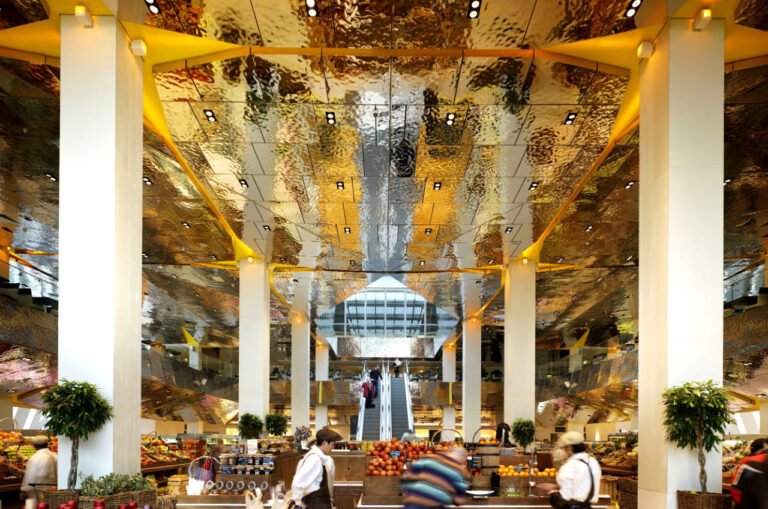
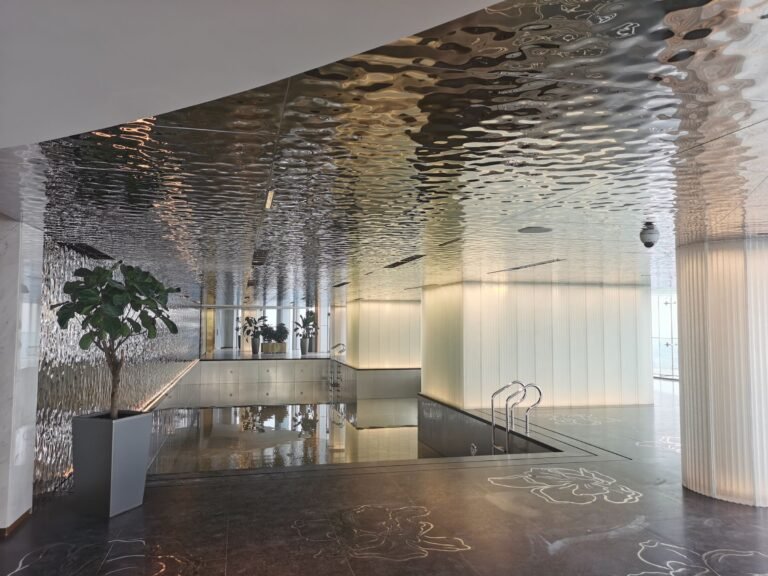
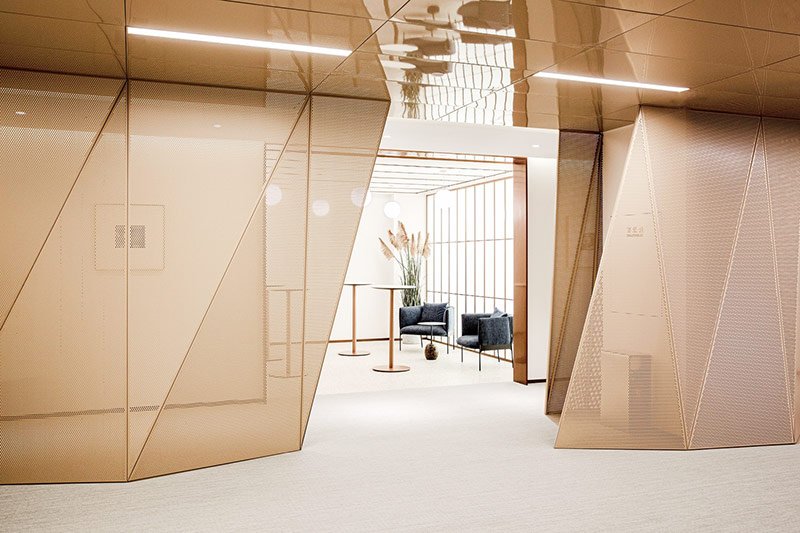
Metal honeycomb ceiling systems enable designers to create detailed ceiling patterns which include both geometric designs and modular patterns and artistic ceiling designs. The stainless steel reflective surfaces create enhanced lighting effects which produce visual depth. Interior design styles can be matched through decorative honeycomb panels which architects can finish with brushed or polished or coated surface options. The architectural stainless steel honeycomb ceiling systems create a space with two main elements which blend architectural beauty with operational efficiency, which makes them the top choice for office spaces and hotel rooms and cultural venues that require both modern visual design and efficient functionality.
Integration with Lighting Systems
The honeycomb structure of architectural stainless steel honeycomb ceiling systems supports quick lighting system connections with multiple lighting types which include recessed lights and indirect lights and accent lights. The honeycomb cells enable light to pass through them or scatter across their surface, which produces vibrant visual effects that enhance the room’s atmosphere and operational functions. The design of ultra-lightweight metal ceiling enables designers to build striking ceiling designs which combine energy-efficient lighting and architectural design elements. The ceiling systems enable designers to develop innovative lighting solutions which enhance both their practical lighting needs and their decorative design objectives.
Acoustic and Ventilation Advantages
Architectural stainless steel honeycomb ceiling systems achieve better acoustic performance because their sound-absorbing and sound-scattering properties lead to quieter environments and reduced echo disturbances in large spaces. The open-cell honeycomb design enables natural airflow, which helps HVAC systems work better and keeps people comfortable in their spaces. The architectural honeycomb sheets achieve dual acoustic control and ventilation capabilities, which create better interior conditions and increase overall space efficiency. The honeycomb ceiling systems work best in airport terminals and conference halls and hotels and office lobby spaces because they provide vital design functions needed for those environments.
Compatibility with Sustainable Design
Custom metal honeycomb ceiling systems operate according to the principles of sustainable building design. The recyclable stainless steel material maintains its durability which decreases the need for replacement and protects the environment from harmful waste. The combination of architectural stainless steel honeycomb ceiling systems with energy-efficient lighting and ventilation systems enables the achievement of sustainable building certification standards. The composite stainless steel ceilings provide architects with a sustainable solution which delivers both long-lasting performance and environmentally friendly design, thereby fulfilling the dual requirements of aesthetic beauty and operational sustainability.
Core Applications of Stainless Steel Honeycomb Ceiling Systems
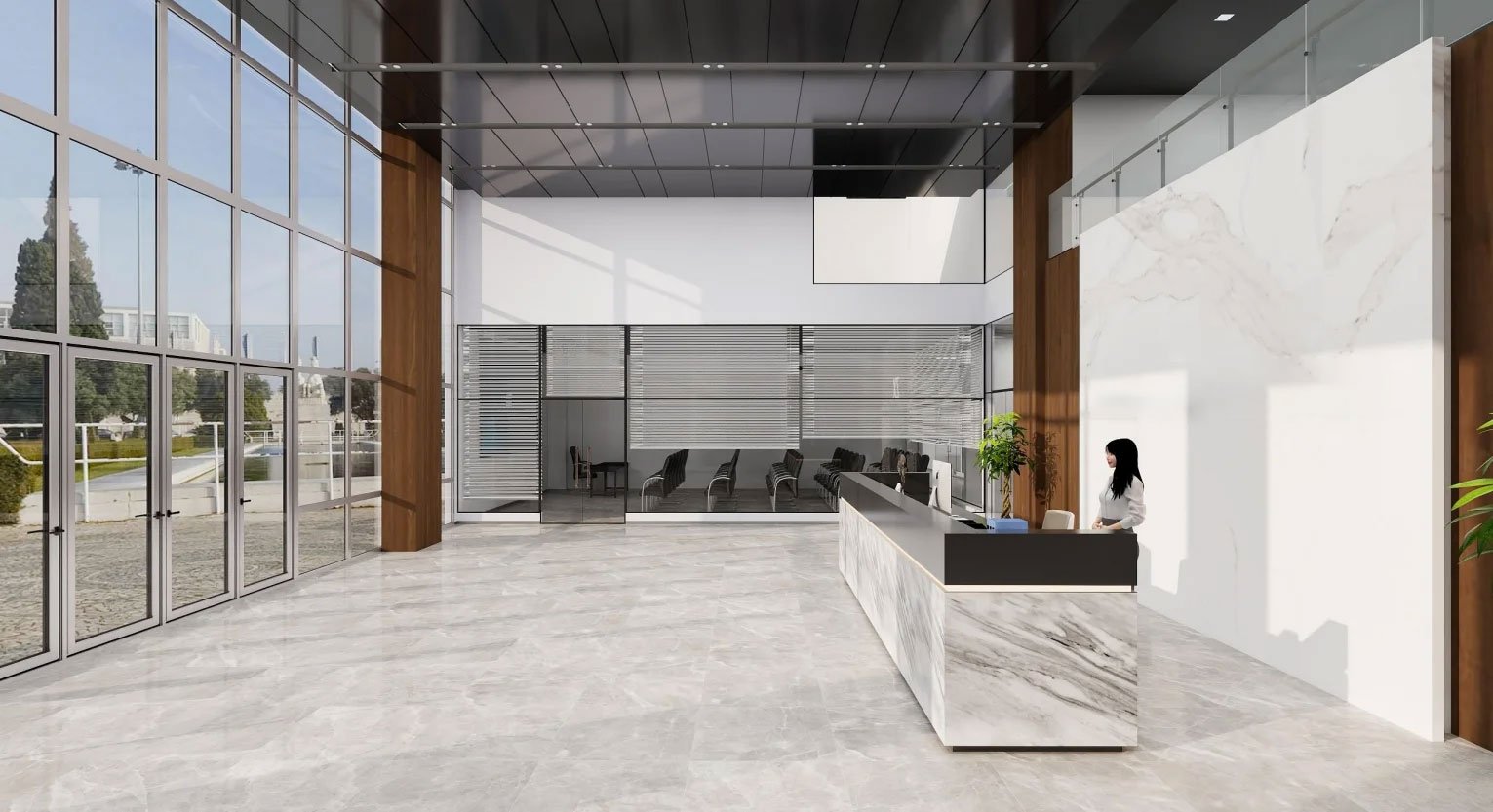
Stainless steel honeycomb ceiling systems find extensive use across various commercial, hospitality, cultural, and public building sectors which demand an ideal combination of aesthetic appeal and long-lasting durability together with functional performance. The systems enable designers to create their desired architectural styles which will endure structural strength and operational durability throughout their service period. Stainless steel honeycomb panels offer architects multiple design possibilities because they can use the systems for different projects which include offices and hotels and museums and airports and government buildings which need both visual appeal and operational functionality.
Commercial Buildings and Office Interiors
Architectural stainless steel honeycomb ceiling systems are frequently used in offices, shopping centers, and corporate headquarters to improve both building design and structural integrity. The modular system of the systems enables architects and designers to create their specific design needs through its combination of multiple building service components and complete design flexibility. Businesses can design visually stunning spaces through metal honeycomb ceiling panels which support their brand identity development. Honeycomb ceiling systems deliver exceptional durability which enables commercial spaces to maintain their original aesthetic and functional performance for the entire duration of their service life.
Hotels, Airports, and Hospitality Spaces
Bespole ceiling engineering deliver essential operational support together with aesthetic design elements in hotel and airport hospitality environments. The open-cell honeycomb structure improves airflow and ventilation and acoustic performance to create spaces that look good and feel good for guests. The architectural design of spaces can use architectural stainless steel honeycomb ceiling systems either for modular patterns or continuous patterns which create different design possibilities. The reflective metallic finishes of PVD coated honeycomb ceiling create a sophisticated look for lobbies and corridors and public areas, making them the perfect solution for highly trafficked hospitality spaces.
Museums, Galleries, and Cultural Spaces
Architectural stainless steel honeycomb ceiling systems function as ideal ceiling systems which balance design aesthetic with operational functionality in museums and galleries and cultural facilities. The honeycomb structure allows for exhibit lighting integration, acoustic management, and visually cohesive ceiling patterns. Stainless steel honeycomb ceiling systems enable customization through two design options which include complex patterns and simple designs that match exhibit displays and building design elements. The suspended honeycomb ceiling systems establish permanent structural strength together with artistic design, which makes them ideal for spaces that require both sophisticated design elements and practical functionality.
Large-Scale Public and Institutional Buildings
Architectural stainless steel honeycomb ceiling systems provide suitable solutions for airports and convention centers and government buildings that need extensive ceiling systems. The modular design enables simple installation across large areas while the system’s strength enables it to support long spans and multiple integrations with lighting and HVAC and acoustic systems. Large format honeycomb ceilings provide high-traffic institutional environments with durable design options which maintain their aesthetic appeal. Public spaces maintain their safe and comfortable environment through architectural designs which provide protection from potential hazards, while their visual elegance creates a stunning architectural ambiance.
Functional Benefits of Architectural Stainless Steel Honeycomb Ceiling Systems
Architectural stainless steel honeycomb ceiling systems offer multiple functional benefits which enhance building performance and occupant comfort and design flexibility. The building system provides structural support together with acoustic performance and ventilation capability and maintenance requirements, which modern architectural designs need. Stainless steel honeycomb ceiling systems function as both a design element and a functional system for all types of commercial and hospitality and public space projects.
Structural Stability and Safety
The honeycomb structure of architectural stainless steel honeycomb ceilings distributes weight efficiently, providing robust structural support while remaining lightweight. The ceilings show high durability because they can endure both intense foot traffic and heavy weight from dynamic movements. The modular design system uses replacement components which maintain existing design elements to match the original design between changes. Clip-in stainless steel honeycomb ceiling systems deliver an effective ceiling solution which builders can use for both new projects and restoration work.
Acoustic Performance
Architectural stainless steel honeycomb ceiling systems enhance sound quality through their sound wave absorption and sound wave distribution capabilities, which result in reduced noise disturbances and echo effects throughout expansive indoor spaces. The systems enhance acoustic comfort because they enable people to understand speech better in office spaces and conference rooms and airport terminals and hotel areas. The architectural systems of acoustic perforated honeycomb ceilings enable designers to create functional spaces while they design visually attractive environments which serve essential purposes in spaces that require sound control and sophisticated room designs.
Ventilation and HVAC Integration
The honeycomb ceilings provide an efficient operation for HVAC systems by allowing air circulation through the system while preserving the visual appeal of ceiling designs. The open-cell honeycomb structure permits natural ventilation to take place which requires no additional ductwork installation and this improvement leads to better energy efficiency and increased comfort for the building occupants. The commercial lobby honeycomb ceilings present to designers a complete ceiling solution which integrates HVAC and lighting systems while establishing a space that fulfills both sustainable building standards and contemporary interior design requirements.
Durability and Maintenance
The architectural stainless steel honeycomb ceiling systems which use stainless steel materials provide protection against corrosion and moisture and wear which enables their long-lasting performance with little need for upkeep. The modular panel design enables straightforward cleaning procedures and panel replacement tasks. The architectural stainless steel honeycomb ceiling panels serve as a dependable ceiling system that requires minimal upkeep for commercial and public and hospitality spaces, which preserves their visual appeal and operational capabilities throughout their lifespan.
Conclusion
Architectural stainless steel honeycomb ceiling systems combine aesthetic appeal, structural stability and functional versatility which makes them ideal for commercial spaces and hospitality venues and public areas. The modular system of the product along with its soundproofing capabilities and its ability to create custom design elements enables architects to achieve modern design requirements.