
Complete Guide to Laser Cutting Stainless Steel Screens for Outdoor Gardens
Table of Contents
Laser cutting stainless steel screens for outdoor gardens often serve as both space separation and decoration. Lasers cut various patterns on the panels, and after light passes through the hollowed-out areas, the screens present different visual effects. When it comes to actual production, more is involved. Material specifications, pattern files, cutting parameters, structural processing, and surface processing all need to be confirmed step by step according to project requirements. Large screens also involve partitioning and installation structures, and these details often affect the final finished product.
A customized screen set typically goes through several stages of material confirmation, pattern design, laser cutting, structural processing, surface processing, and finished product inspection.
Materials And Specifications for Outdoor Stainless Steel Screens
For outdoor garden laser-cut stainless steel screens, materials are the content that needs to be determined in the beginning phase of the project. Different installation environments have different requirements forstainless steel materials, and screen size and pattern structure affect board specifications.
Choice Of 304 And 316 Stainless Steel
304 stainless steel is suitable for most common outdoor garden and courtyard projects, and the conventional processing experience is also relatively mature.
The salt content in the air in coastal regions is high, and the requirements for the corrosion-resistant performance of materials during long-term use are higher. 316 stainless steel can be considered for such projects.
Material selection should be based on actual operating conditions. The use of 304 for ordinary courtyard projects is already relatively common, and considering 316 for coastal or salt mist environments, the procurement budget is also easier to control.
Board Thickness And Size
The board thickness needs to be determined by combining the screen area, pattern structure, and installation method.Large-sized screens also need to be considered for transport and on-site construction.
If the whole panel size is large, it can be divided into panels according to project requirements, then installed through frames or other structures. The pattern cavity ratio also affects the overall stability of the board. Therefore, it is best to confirm the board specifications and pattern files together.
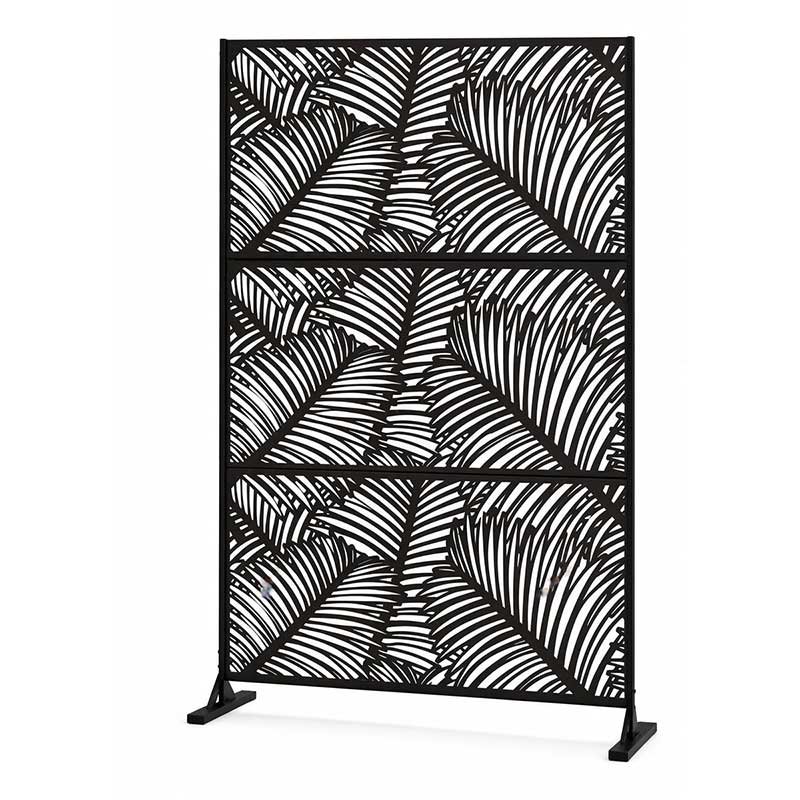
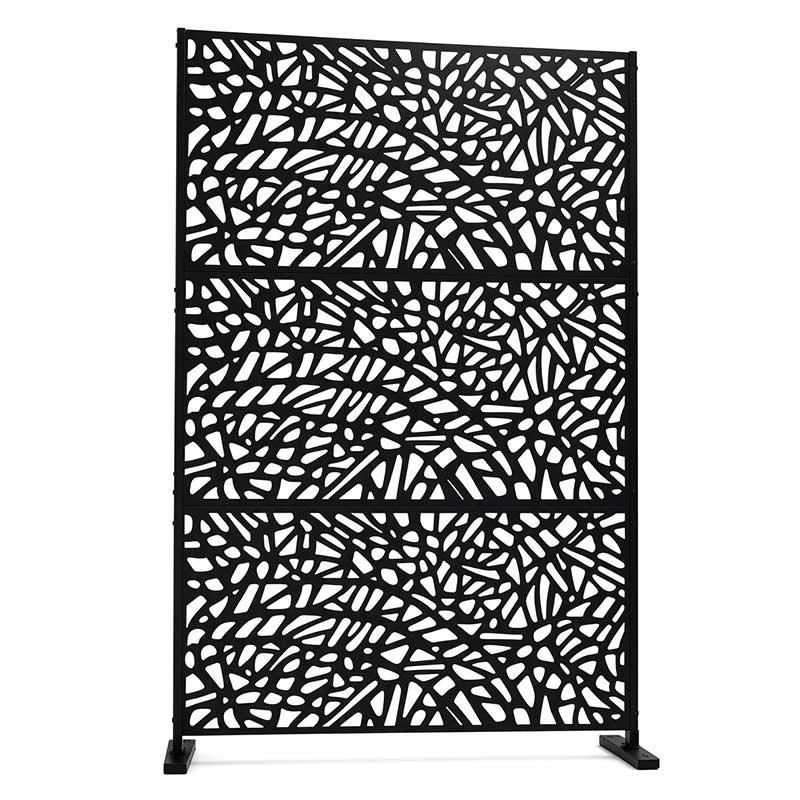
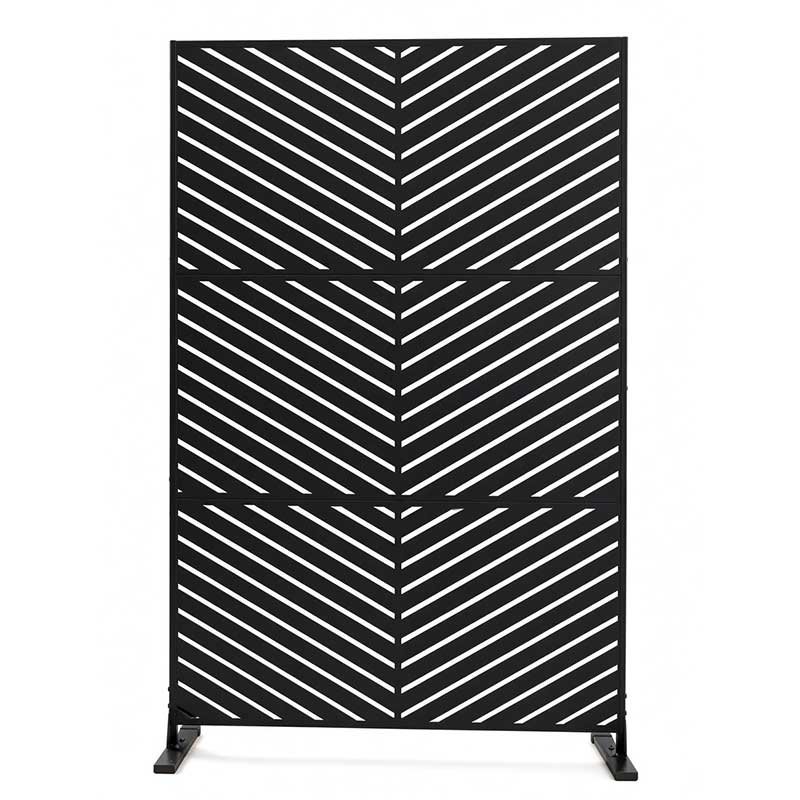
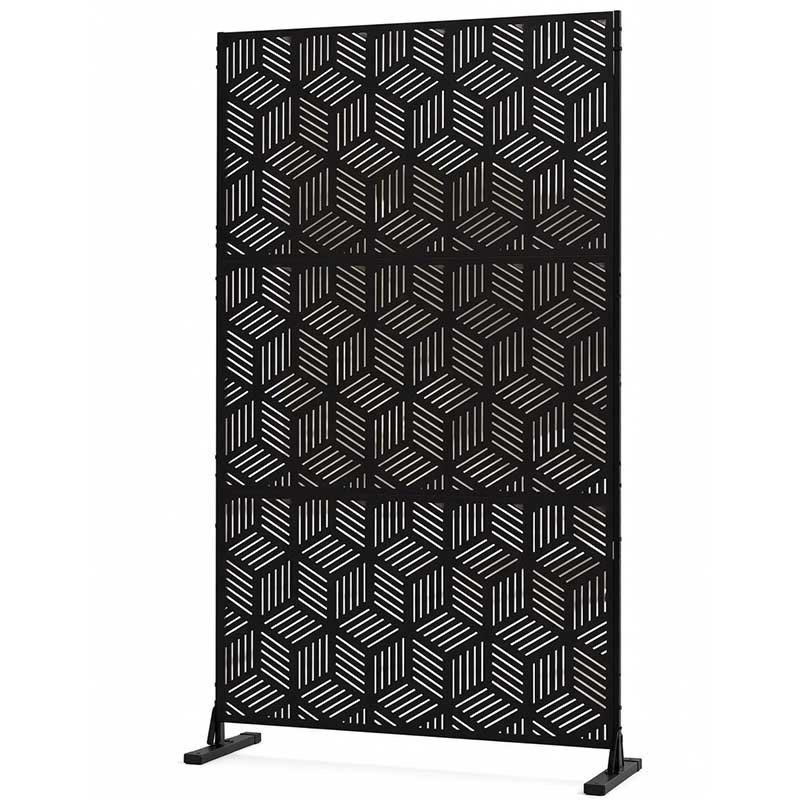
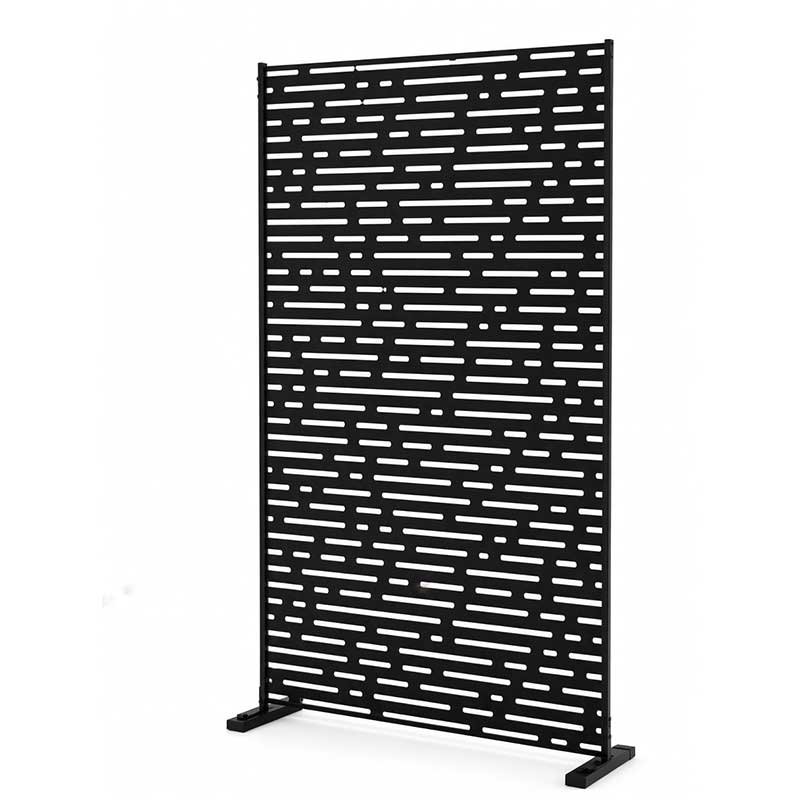
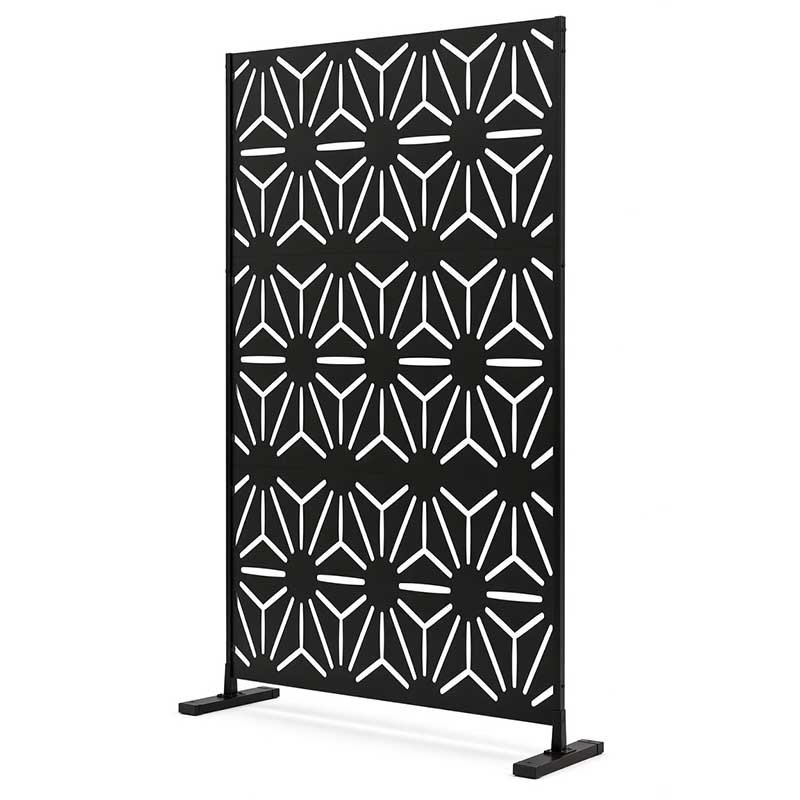
Pattern Design for Laser-Cutting Stainless Steel Screens
After the pattern design is complete, it is necessary to examine the file from the processing perspective. Some of the finer connection positions, which appear clearly in computer drawings, will pose higher requirements for processing precision and plate stability when actually cut onto the metal plate.
Skeletal Proportions And Connection Width
Laser cutting removes the hollow areas in the design, and the remaining parts are responsible for maintaining the connections between the patterns. When the pattern is too dense, the local connection areas become thinner. The design stage requires adjustments to combine plate thickness and processing conditions to keep the pattern design effective and leave reasonable processing space for subsequent production.
Complex patterns such as plant patterns and geometric patterns need special attention to this point.
Split-Plate Design For Large-Sized Screens
Large-sized screens are usually processed in multiple panels. Splitting plate positions need to be arranged by combining patterns. Continuous patterns need to consider the joining of adjacent plates, while repeating patterns need to control the spacing and direction between plates. This part is best determined before production.
Waiting for the board processing to complete before adjusting the board position will increase the difficulty of subsequent processing.
Stainless Steel Laser Cutting Process
After the pattern and plate specifications are confirmed, laser cutting of stainless steel screens begins. The laser cutting machine follows the design file to cut the panels, while the cutting parameters are adjusted according to the plate thickness and pattern characteristics during production.
Laser Cutting Parameters Adjustment
The required laser power and cutting speed will also vary depending on the thickness of the stainless steel plate. Pattern density is also worth paying attention to. When hollowed areas are concentrated, local heat can easily increase, and cutting parameters need to be adjusted according to the actual situation.
When processing custom laser-cut stainless steel screens, JYF METAL combines panels and patterns for cutting tests before determining parameters suitable for batch production. This provides better control over cutting edges and overall processing status.
Edge Processing After Cutting
After laser cutting is complete, the plate edges need to be examined. Local locations where bristles or residues exist need to be treated according to product requirements. The state of the cut edge also affects the next process when subsequent bending or welding is involved.
When installed on screens where people often pass through the area, edge handling needs to be more delicate, and the contact area should be kept in a suitable state for use.
Bending and Welding of Stainless Steel Screens
After the laser cutting is completed, follow-up processing will be carried out according to the product structure.Some screens are installed flatly, and some products need to be equipped with frames, columns or hemming structures.The specific working conditions need to be processed in combination with the installation method.
Combining Folding And Structure
Plates that require edges are bent according to confirmed blueprints. Framed screens need to combine the cut sheet with the frame, column and other parts.The connection structure can be designed according to the requirements of on-site installation, and common methods include welding and mechanical connection.
The larger independent screens also need to be determined in advance for support positions. This way, on-site personnel can assemble them according to the default structure when later installed.
Welding And Deformation Control
Local heat is generated during the welding process, and large-sized panels need to focus on controlling this.
In production, set the welding sequence based on the product structure to manage heat distribution over the weld area. once welding is finished, check the screen for flatness and overall dimensions. welding‑induced deformation is a major process concern in real‑world production.
A reasonable arrangement of welding order can reduce subsequent repair work.
Surface Handling of Outdoor Stainless Steel Screens
After the structural processing is complete, the product enters the surface processing phase. This process determines the color and surface effect of the finished product, and also relates to the match between the screen and the overall garden design.
Common Surface Effects
Custom outdoor stainless steel screens can select different surfaces depending on the project style:
| Surface Effects | Common Features |
|---|---|
| Mirror | reflective effects are prominent, suitable for polished surfaces |
| PVD Colors | Can be processed in gold, black, champagne, and other colors |
| Customized colors | to match customer template or project requirements |
Special colors are recommended to confirm the template before batch production.
Especially in projects with relatively strict color requirements, there may be some differences between computer images and actual metal surfaces.
First confirm the physical sample, and subsequent production communication will be more clear.
JYF METAL can be customized based on customer-provided color references and batch production can be scheduled according to confirmed templates.
Finished Inspection of Laser-Cutting Stainless Steel Screens
After all processing is complete, a final inspection is needed. The inspection mainly revolves around confirming blueprints and product requirements. for customized projects, this step allows timely detection of detail deviations that occur during the production process.
Size And Pattern Inspection
Verify panel quantity, plate numbers and pattern joint effects strictly against approved drawings.
Check for any size discrepancies against project blueprints.
Structure And Surface Inspection
Check connection status of edges, pillars and welding joints. Inspect surfaces for color, texture, gloss and obvious processing‑related marks.
Arrange packaging per product size and shipping method once inspection passes.
What Should Be Considered When Processing Stainless Steel Screens?
- Finalize and confirm drawings, dimensions, pattern files and surface finishes before production.
- Match product connection methods and processing requirements with actual on site installation structures.
- Keep dimensions, pattern orientation, panel numbers and surface samples consistent across all technical documents. Unified confirmation of these items helps standardize cutting, welding and surface treatment, and reduces rework during manufacturing
FAQs
Q1: Does 304 Stainless Steel Suit Outdoor Garden Screens?
Yes, for general‑use outdoor gardens. Choose grade 316 for coastal, salt‑spray environments.
Q2: How Is The Plate Thickness Of An Outdoor Laser Screen Determined?
It depends on screen size, pattern density and installation structure; large‑size works also require panel splitting and frame design considerations.
Q3: Is The More Complex The Laser Cutting Pattern The Better?
Not necessarily. The complexity of the pattern needs to match the thickness of the board, connection positions, and actual processing conditions. Design should prioritize ensuring that the pattern can be reliably processed and installed.
Q4: Can The Colors Of Stainless Steel Screens Be Customized?
Yes, PVD and project‑specific custom colors are available. Confirm physical samples prior to mass production.
Q5: What Should I Check Before Shipping A Laser Screen?
Mainly check product dimensions, laser patterns, plate joins, structural connections, and surface effects. Check item by item according to confirmed drawings and templates, which can reduce the risk of rework after field installation.