Perforated Metal Facade Panels for Architectural Design
Table of Contents
The modern architectural design uses perforated metal facade panels as essential components which enable architects to create visual displays that maintain their functional performance. Architects and developers use perforated metal cladding to create better building designs which help buildings save energy and receive natural airflow and protect against sunlight. The system provides flexible design options which architects can apply to any building project from high-rise commercial towers to minimalist cultural buildings. The advanced manufacturing methods of production enable architects to create buildings which combine long-lasting performance with minimal upkeep needs and flexible design options using perforated metal facade panels as their primary building material.
The Design Value of Perforated Metal Facade Panels in Architecture
Modern architecture needs materials that deliver two essential functions which are operational capacity and aesthetic design. Perforated metal cladding panels allow architects to design active building facades because they provide architects with multiple architectural solutions which assist architects in their particular performance needs which include light control and ventilation and thermal efficiency.
Visual Creativity Enabled by Perforated Metal Facade Panels
Perforated metal facade panels give architects the ability to design their own spacing patterns which result in distinct surface textures for building facades. These panels serve as an artistic base which enables designers to create through the use of proper geometric designs and artistic designs and cultural design elements. The ability to tailor perforations helps each building to achieve its unique identity while delivering essential functionalities which include shading and airflow.
Light and Shadow Effects of Perforated Metal Facade Panels
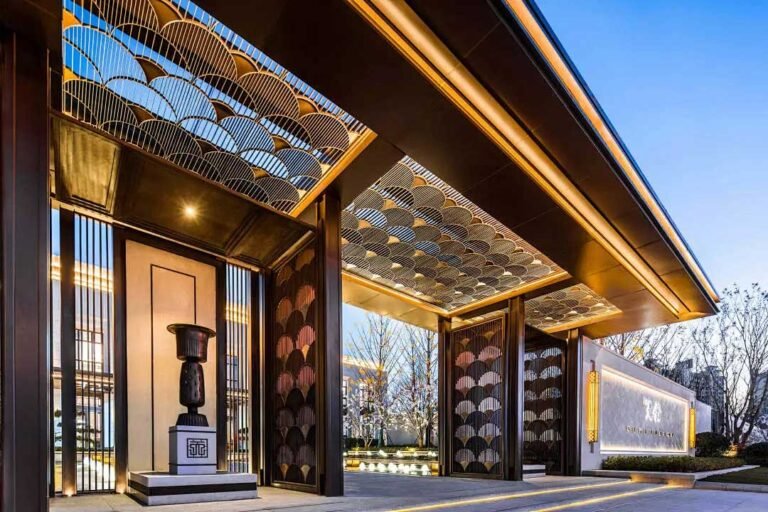
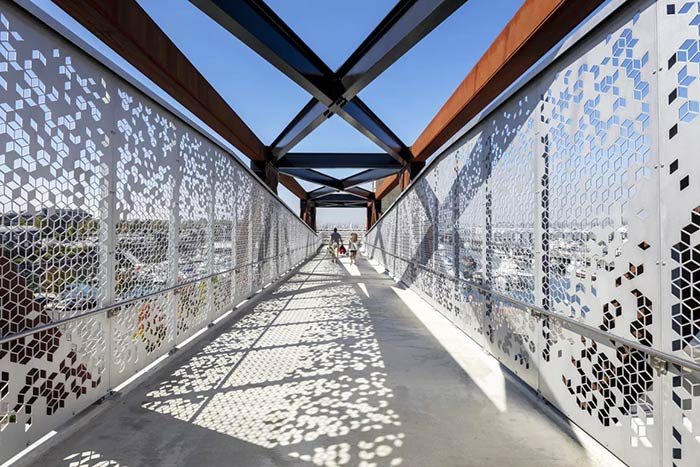
Sunlight interacts with perforated exterior panels to produce dynamic visual effects which create fluctuating patterns of light and shadow on the building facade. The dynamic effect creates three dimensional depth which attracts visual attention while producing a flowing motion throughout the entire space. The combination of integrated lighting systems and perforated metal facade panels creates a night time effect which transforms building façades into bright architectural elements that strengthen the building’s visual appearance and identity.
Integration with Contemporary Architectural Styles
Perforated architectural panels provide architects with a complete design solution which works with contemporary architectural styles that include minimalism and parametric design and high-tech façades. Their design features straight edges which enable them to create both eye-catching main designs and hidden decorative elements through their capability to form detailed shapes. Perforated metal facade panels achieve aesthetic design objectives which enable their integration into buildings without hindering their performance capabilities.
Core Applications of Perforated Metal Facade Panels in Building Facades
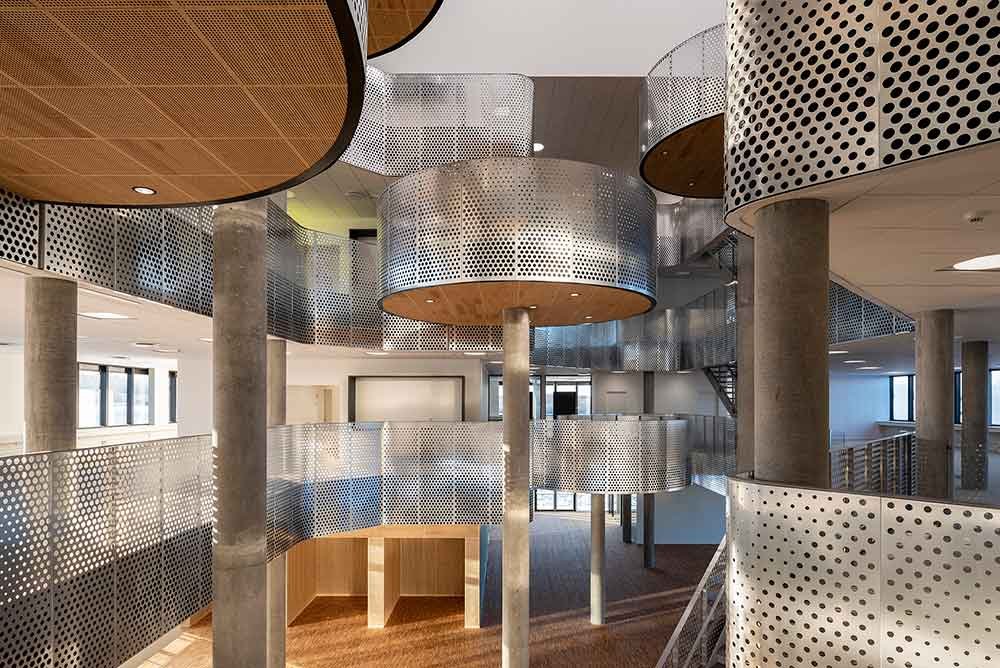
Perforated metal facade serves as essential components which fulfill dual purposes in exterior curtain wall systems. The system’s flexible design allows it to meet the needs of commercial, hospitality, municipal, and artistic projects.
Commercial Building Exteriors and Office Facades with Perforated Metal Facade Panels
Perforated metal facade panels serve as a design element which office towers and commercial buildings use to create modern professional building exteriors. The system provides indoor temperature control by blocking direct sunlight while maintaining window brightness. The panels can display corporate logos and custom designs which help businesses create a unique architectural style while saving energy. The materials possess strong durability which enables them to maintain their performance during urban areas which experience severe weather conditions and environmental damage.
Hotel, Mixed-Use, and Municipal Projects Using Perforated Metal Facade Panels
Perforated metal screens provide hotels and commercial buildings and municipal properties with a durable solution that creates visually impressive facades. The design protects buildings from wind and rain and UV rays while it enables natural airflow and sun protection. The panels serve as an essential element in extensive projects that require both reduced upkeep and sustained functionality throughout their lifespan. The design enables architects to build striking façades which elevate public assessment of modern architectural displays and superior building standards, making them ideal for cultural centers and government buildings and hospitality establishments.
Modern Minimalist and Artistic Facade Design with Perforated Metal Facade Panels
The architectural designs which use decorative perforated cladding require these panels because they create minimalistic and artistic architectural solutions. Architects choose these materials to create architectural designs which feature straight lines and geometric shapes and advanced artistic patterns for their building exterior designs. The application of this method is widely used in both museum and gallery spaces and modern commercial buildings which value their visual appearance. The panels create visual beauty which enables practical benefits by allowing light to flow through and maintaining ventilation while providing protective shielding.
Large-Scale Curtain Wall Systems with Perforated Metal Facade Panels
Perforated metal facade panels function as a secondary skin for expansive curtain wall systems, which improves both their operational capabilities and their visual presentation. The system provides exterior building protection against outside weather elements while enabling airflow and efficient sun management and operating at an extremely lightweight capacity. The components exhibit both structural flexibility and consistent performance across large-scale projects, which makes them appropriate for high-rise office towers and mixed-use structures and major architectural undertakings.

Functional Benefits of Perforated Metal Facade Panels in Architecture
Commercial building cladding provide functional advantages which help buildings perform better while creating a comfortable atmosphere for occupants.
Ventilation and Airflow
The perforated metal facade panels enable air passage through their openings which allows natural ventilation to occur while decreasing the need for mechanical systems. The resulting system creates better indoor air quality while facilitating passive cooling in warm climate conditions. Proper ventilation leads to better energy efficiency performances which make occupants more comfortable.
Sun Shading and Energy Efficiency
Perforated laser cut metal facade serves as sun protection equipment which blocks sunlight while enabling controlled natural light entry into spaces. The system produces reduced energy needs for both air conditioning and lighting operations. The panels achieve optimal sustainable building performance through their design which establishes the ideal perforation patterns for building sustainability.
Privacy and Protection
Perforated metal facade systems let people see through them while still providing some level of visual privacy. The design suits residential spaces and office environments and public facilities which require both visibility and protective features. The design functions as a protective barrier which secures buildings against wind and rain and debris while extending the building envelope’s operational lifetime.
Acoustic and Environmental Control
Perforated metal facade panels can control environmental factors and sound. The system uses its openings to reduce urban noise while maintaining airflow path, which enables it to achieve both functional performance and aesthetic attractiveness. The design makes the product ideal for use in educational institutions and medical facilities and office spaces located in areas with high levels of noise.
Customization and Material Options for Perforated Metal Facade Panels
Perforated metal facade panels achieve their maximum performance in architectural applications through the combination of material selection and design options.
Material Selection for Perforated Metal Facade Panels
Architectural requirements determine the selection of aluminum, stainless steel, and galvanized steel as common materials for perforated metal facade panels. Aluminum exists as a lightweight material with corrosion resistance which construction engineers use to build high-rise buildings in regions with severe weather conditions. Stainless steel provides outstanding strength properties which enable it to be used in premium finishes and demanding applications. Galvanized steel provides budget-friendly protection against rusting problems by delivering moderate defense. The material selection process demands assessment of the building’s environmental conditions combined with its operational lifespan and structural requirements and aesthetic objectives which help determine panel performance metrics.
Surface Finishes and Coatings for Perforated Metal Facade Panels
Bespoke perforated pattern panels gain improved durability through surface finishes and coatings which additionally protect against weather damage and enhance their visual appeal. Powder coating creates a protective layer with smooth texture which prevents scratches and UV damage and corrosion while offering multiple color options. Anodizing enhances aluminum’s natural corrosion resistance while adding a sleek metallic finish for modern designs. PVDF coatings create a protective shield which withstands chemical attacks and extreme weather conditions and ultraviolet radiation, making them perfect for coastal and industrial applications. These finishing options enable panels to deliver consistent performance throughout their lifespan while giving architects design freedom to create the desired visual effect for every type of project.
Design Customization of Perforated Metal Facade Panels
Perforated metal facade panels grant architects complete design freedom through their ability to create custom perforation patterns and select specific hole sizes and panel thicknesses and panel layouts which fulfill both functional and aesthetic requirements. The design elements can feature basic geometric shapes or intricate decorative patterns which showcase brand identity and cultural elements. The system permits users to adjust the perforation density, which enables them to control light transmission and privacy and ventilation functions. Advanced manufacturing methods, such as CNC punching or laser cutting, produce results which maintain their exact specifications through all production stages across extensive façade areas. The customization options enable panels to function effectively in design-oriented architectural projects which require high-performance standards while maintaining their structural strength and durability.
Structural and Engineering Flexibility of Perforated Metal Facade Panels
Perforated stainless steel facades possess high adaptability which enables their use in multiple structural systems for both new construction projects and building renovation work. The primary façade systems of the building function as weather protection elements while the secondary screening systems serve to create shaded areas and provide ventilation and aesthetic appeal. Engineers design panels to match specific design requirements because they need to construct building structures which include curved surfaces and complex geometries and irregular building shapes while maintaining their window function. The system supports different anchor systems and support frameworks and curtain wall assemblies, which provide installation efficiency together with design adaptability and system durability. The solution of perforated metal facade panels meets the needs of future-oriented architectural designs which require high-performance capabilities.
Conclusion
Architectural design requires perforated metal facade panels which provide aesthetic value and functional performance and long-lasting durability. Architects use their flexible design capability to create visually striking façades which enhance building ventilation and shading performance and energy efficiency.